Key Takeaways
-
Orthodontists evaluate your entire bite, jaw structure, and long-term oral health—not just surface appearance—creating personalized treatment plans through thorough exams including X-rays and digital scans.
-
Clear aligners work best for mild to moderate crowding or spacing and require 22+ hours daily wear, while traditional braces are more predictable for complex bite issues and severe crowding.
-
Treatment costs vary by case complexity and appliance type (typically several thousand dollars), so get an accurate quote through an in-person exam and written treatment plan rather than relying on online estimates.
-
Treatment duration ranges from several months for mild cases to two years for complex corrections, with consistency in wearing aligners or attending appointments directly affecting timeline and results.
-
Retainers are essential after treatment ends—teeth naturally shift without them—and your orthodontist will recommend clear, wire-based, or fixed retainers depending on your lifestyle and case.
-
Choose a board-certified orthodontist offering digital technology, flexible scheduling, payment plans, and bilingual care to ensure clear communication and a treatment plan you fully understand before committing.
Ever catch yourself hiding your smile in photos? You’re not alone. Many people quietly wish their teeth were straighter, but they’re not sure where to start. That’s exactly where an orthodontist for cosmetic teeth alignment comes in. These specialists don’t just make your teeth look better on the surface. They look at your whole bite, your jaw, and your long-term oral health, then build a plan that fits your life.
Whether you’re a parent noticing your child’s crowded teeth, a teen who wants a discreet fix before homecoming, or a busy adult who’s finally ready to invest in your smile, this guide walks you through everything you need to know. We’ll cover what to expect at a consultation, which treatments actually work, how much it might cost, and how to know if you’re a good candidate. Grab a cup of coffee, and let’s get you closer to the smile you’ve been dreaming about.
What Does an Orthodontist for Cosmetic Teeth Alignment Actually Do?
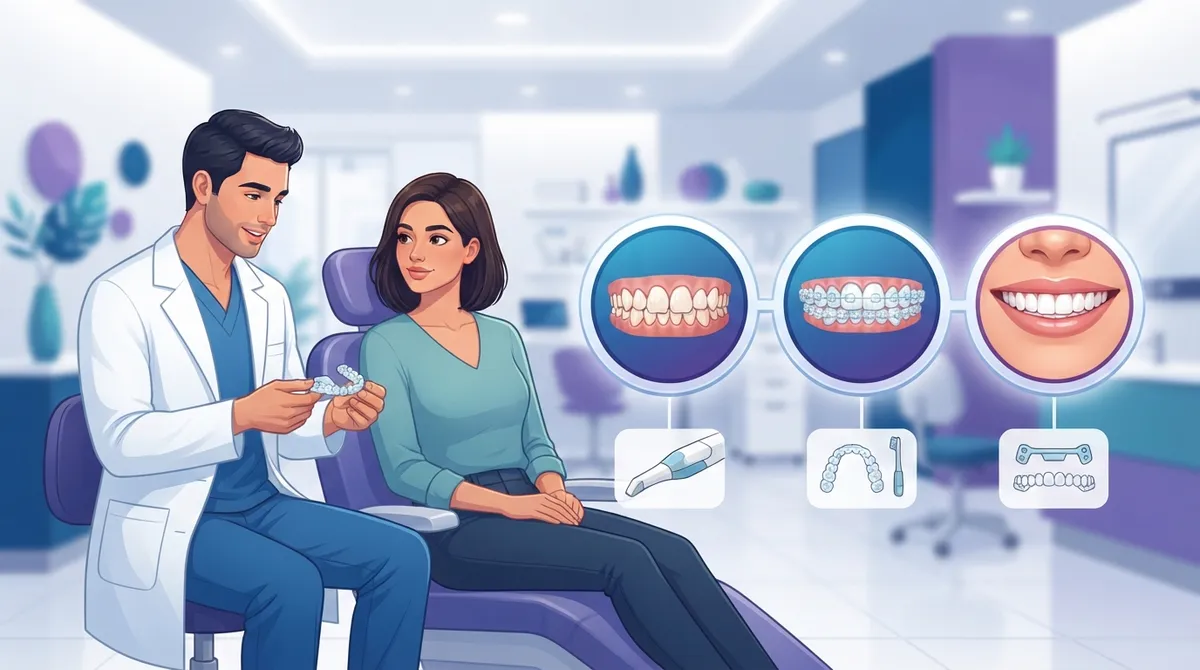
An orthodontist is a dental specialist trained to evaluate and treat tooth alignment, bite relationships, and jaw development. This goes far beyond simply making teeth look straight. A good orthodontist looks at how your teeth fit together when you chew, speak, and smile.
During your first visit, you can expect a thorough evaluation. This typically includes:
- A visual and physical exam of your teeth, gums, and jaw
- Photographs of your face and smile
- Digital scans or impressions of your teeth
- X-rays, when clinically necessary, to check root positions and jaw structure
This information helps your orthodontist build a treatment plan that’s truly yours. If you want to learn more about what happens at this stage, check out what happens during an orthodontic exam for a closer look.
Cosmetic Concerns Orthodontists Commonly Treat
People seek out cosmetic teeth alignment for all kinds of reasons. Some of the most common issues include:
- Crooked or crowded teeth
- Noticeable gaps or spacing between teeth
- Overbite (upper teeth sit too far forward)
- Underbite (lower teeth sit too far forward)
- Crossbite (upper and lower teeth don’t line up)
- Open bite (front teeth don’t touch when the mouth is closed)
The good news? Fixing these issues often improves more than just your smile. Correcting your bite can make chewing easier, reduce jaw strain, and even help protect your teeth from uneven wear over time. If you want to dig deeper into how teeth positioning affects your whole mouth, this resource on how to understand teeth positioning and fix alignment issues is a great next read.
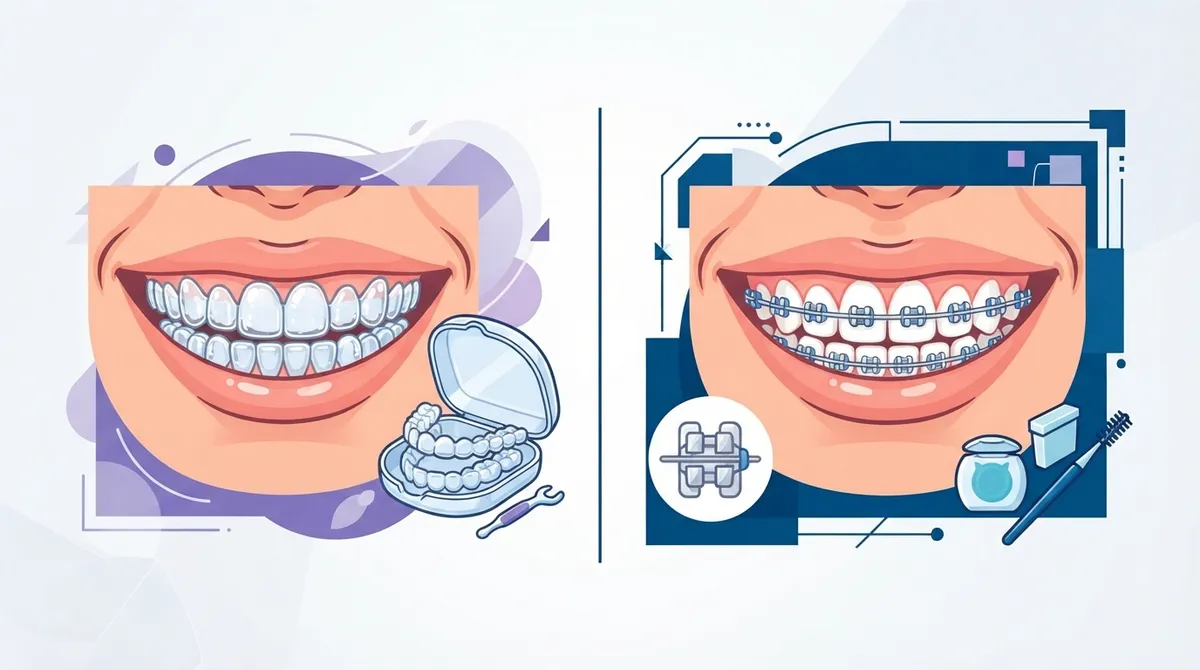
Clear Aligners vs. Braces: Which Cosmetic Option Fits You?
This is probably the biggest question on your mind. Should you go with clear aligners, or stick with traditional braces? Honestly, it depends on your specific case, your lifestyle, and how much control you want over the process.
How Clear Aligners Work
Clear aligners are custom-made, removable trays. They apply gentle, steady pressure to slowly shift your teeth into place. Because they’re clear and removable, many teens and adults love them for how discreet they are. You can take them out to eat, brush, and floss, which makes daily hygiene much simpler than with fixed braces.
According to the American Association of Orthodontists, aligners are typically worn at least 22 hours a day, and each set is usually swapped out for a new one about once a week. That schedule can vary depending on your treatment plan. A 2023 survey found that 65% of orthodontic practices used clear aligner therapy, and a more recent 2026 survey reported that 88% of responding orthodontists now offer aligners, with adults using them far more frequently than adolescents. If you’re curious whether removable trays could work for you, take a look at removable aligners: how clear trays straighten your smile.
When Traditional Braces Make More Sense
Clear aligners are wonderful, but they’re not right for every case. More complex tooth movements, significant bite problems, or severe crowding may respond better to braces. Traditional metal braces remain one of the most predictable options for tricky cosmetic and functional issues. Ceramic braces offer a less noticeable alternative, while lingual braces attach to the back of your teeth for an almost invisible look.
| Treatment Option | Best For | Visibility | Removable? |
|---|---|---|---|
| Clear Aligners | Mild to moderate crowding, spacing, adult patients | Very low | Yes |
| Metal Braces | Complex bite issues, severe crowding | High | No |
| Ceramic Braces | Moderate to complex cases wanting less visibility | Low to moderate | No |
| Lingual Braces | Patients wanting a hidden fixed option | Hidden (back of teeth) | No |
Not sure which path is right for you? This comparison guide on traditional braces vs clear aligners: which treatment wins breaks it down further.
Are You a Good Candidate for Clear Aligners?
This is one of the most common questions we hear. The honest answer is: it depends on your bite and how disciplined you are about wearing them. Clear aligners work best for people with mild to moderate spacing, crowding, or simple bite issues. They rely heavily on your cooperation, since you have to wear them nearly all day, every day, to see results.
If you have severe crowding, need teeth extractions, or have jaw-related concerns, your orthodontist may recommend braces or a combination approach instead. The only real way to know for sure is through an in-person evaluation. A qualified orthodontist will also check your oral health first. Cavities, gum disease, or poor hygiene often need to be treated before starting alignment work.
Signs You Might Be a Great Fit for Aligners
- You have mild to moderate crowding or spacing
- You’re motivated to wear trays for at least 22 hours a day
- You want a treatment that’s easy to remove for meals and events
- You don’t need major jaw correction
- You’re comfortable following a strict wear schedule
If several of these sound like you, clear aligners could be a fantastic fit. Adults especially love this option because it fits seamlessly into professional life. In fact, many working professionals are choosing this route these days, as explored in why are adults in 33626 choosing orthodontic treatment.
How Much Does Cosmetic Teeth Alignment Cost?
We know this is often the first question on everyone’s mind, and that’s completely understandable. Treatment cost depends on several things, including how complex your case is, which appliance you choose, your location, and whether you need extra steps like extractions.
Consumer estimates commonly place comprehensive orthodontic treatment in the several-thousand-dollar range. But please don’t rely on a rough number you saw online. The only way to get an accurate quote is through a real orthodontic exam and a written treatment plan tailored to your mouth.
| Factor | How It Affects Cost |
|---|---|
| Case complexity | More complex bites typically cost more |
| Appliance type | Ceramic and lingual options often cost more than metal |
| Treatment length | Longer treatment can increase overall cost |
| Refinements | Additional aligner sets or adjustments add to the total |
| Insurance coverage | Many plans offer partial orthodontic benefits |
The good news is that many practices, including Chacon Orthodontics, offer flexible payment plans to help spread out the cost. You can learn more about budgeting for treatment in how to budget for braces without breaking the bank, or explore payment plans designed to fit different budgets.
How Long Does Treatment Take?
This varies a lot from person to person. Mild cosmetic cases might wrap up in several months, while more complex bite corrections can take a couple of years. Your orthodontist will give you a realistic timeline after your exam, based on X-rays, scans, and your treatment goals.
Here’s a general idea of what affects treatment length:
- How much movement your teeth need
- Whether you need jaw correction along with cosmetic changes
- How consistently you wear aligners or keep up with appointments
- Whether any complications come up during treatment
Staying consistent really does make a difference. Skipping aligner wear time or missing braces adjustments can add months to your total treatment. Sticking to your orthodontist’s schedule is one of the easiest ways to keep things on track.
Life After Treatment: Why Retainers Matter
Here’s something people don’t always expect: your teeth can shift back after treatment ends if you skip retainers. Teeth are naturally a little bit mobile, and without something holding them in place, they can slowly drift over time.
That’s why retainers are considered an essential final step, not an optional extra. Depending on your case, your orthodontist may recommend a clear retainer, a wire-based Hawley retainer, or a fixed retainer bonded behind your teeth. Each type has its pros and cons, and your orthodontist will help you choose the right fit for your lifestyle. For a deeper dive, check out 11 retainer types every orthodontic patient should know or learn how to keep your smile straight for life with proper retainer care.
Choosing the Right Orthodontist for Your Cosmetic Goals
Not every provider is the same, and picking the right one matters. Here are a few things worth thinking about as you search for the best fit:
- Confirm the provider is board-certified in orthodontics, not just a general dentist
- Ask about the technology used, such as digital scanning versus old-fashioned molds
- Look for flexible scheduling that fits your work, school, or family routine
- Ask about payment plans and whether they accept your dental insurance
- Read patient reviews and ask about before-and-after results for similar cases
Bilingual care matters too, especially for families in diverse communities like Westchase and Brandon. Being able to ask questions and fully understand your treatment plan in your preferred language builds trust and confidence. Dr. Omar Chacon, who leads Chacon Orthodontics, is fluent in both English and Spanish and brings over a decade of experience combined with advanced 3D digital imaging technology to every patient’s care.
If you’re weighing your options, this guide on how to choose the right orthodontist near you for braces or aligners offers helpful tips. You can also follow along with real patient transformations and updates on Instagram or Facebook for a behind-the-scenes look at everyday orthodontic care.
What Makes a Consultation Worthwhile
A great first visit should never feel rushed. You should leave with a clear understanding of your diagnosis, your treatment options, expected timeline, and cost. If something feels unclear, don’t be afraid to ask more questions. This is your smile, and you deserve to feel fully informed before committing to any plan.
Curious what a real consultation looks like? Take a peek at 11 things to expect at your orthodontic consultation so you can walk in feeling prepared and confident.
Special Considerations for Different Age Groups
Parents of Young Children
Early evaluation, usually around age seven, can help catch crowding or bite problems before they become bigger issues. Early treatment doesn’t always mean immediate braces. Sometimes it simply means monitoring growth and jaw development closely. Learn more in early signs you need braces: what parents should look for.
Teens Balancing School and Social Life
Teens often want treatment that doesn’t interfere with sports, band practice, or photos with friends. Clear aligners and ceramic braces are popular choices for this reason. Check out braces vs clear aligners: what’s best for your teen for a helpful comparison.
Adult Professionals
Adults juggling careers and family life often gravitate toward low-profile aligners that fit quietly into daily routines. Many working adults in the Tampa Bay area are surprised at how manageable treatment can be. For more insight, visit orthodontic treatment for adults near me for a confident smile.
Curious what real patients think about their experience? You can visit us on Google — Chacon Orthodontics Brandon to read honest reviews from local families in the Brandon community.
Ready to Start Your Cosmetic Alignment Journey?
Straightening your smile is one of those investments that pays off every single day, every time you catch your reflection or laugh with friends. Whether you’re exploring options for your child, yourself, or a teenager ready for a confidence boost, the right orthodontist makes all the difference.
Chacon Orthodontics proudly serves families throughout Westchase and Brandon, Florida, offering bilingual care, advanced digital technology, and personalized treatment plans for every age. If you’re ready to take the next step toward a smile you’ll love, why not schedule your free consultation today? Or if you have questions first, feel free to get in touch with our team. You can also connect with Dr. Chacon’s professional background on LinkedIn. Your best smile is closer than you think, and we’d love to help you get there.
FAQs
Q: What does an orthodontist do for cosmetic teeth alignment?
A: An orthodontist evaluates your teeth, bite, and jaw, then creates a personalized plan using braces or clear aligners to straighten your smile. They also check for underlying oral health issues to make sure your treatment sets you up for lasting success, not just a nice-looking smile today.
Q: Are clear aligners or braces better for straightening cosmetic teeth problems?
A: It really depends on your case. Clear aligners work wonderfully for mild to moderate spacing or crowding, while braces tend to handle more complex bite issues better. Your orthodontist will help you figure out which option fits your smile and your lifestyle best.
Q: How much does cosmetic teeth alignment cost with an orthodontist?
A: Costs vary based on your case complexity, treatment type, and location, but comprehensive treatment commonly falls in the several-thousand-dollar range. The best way to get an accurate number is through an in-person exam and a written treatment plan just for you.
Q: Am I a good candidate for clear aligners?
A: If you have mild to moderate crowding or spacing and you’re willing to wear your trays for about 22 hours a day, you’re likely a great fit. More complex bite issues may need braces instead, so an in-person evaluation is always the best next step.
Q: Do I need to wear retainers after cosmetic teeth alignment?
A: Yes, and this step really matters. Teeth can shift back over time without a retainer, so wearing one as prescribed helps protect all the progress you worked so hard for during treatment.