
Key Takeaways
-
Retainers are crucial for maintaining orthodontic results, as teeth can shift back to their original positions without consistent retention support.
-
Different retainer types like clear plastic, Hawley, and permanent retainers offer unique benefits depending on individual patient needs and preferences.
-
Orthodontists recommend retention strategies for at least 4-6 months after treatment, with many suggesting lifelong use, especially for lower front teeth.
-
Proper retainer care and consistent wear are essential to preserve tooth alignment and protect the time and financial investment in orthodontic treatment.
-
Advanced technologies like digital scanning and 3D printing now enable more precise, comfortable, and efficient retainer fabrication.
Completing orthodontic treatment represents a significant milestone in achieving your dream smile. However, the journey doesn’t end when your braces come off or you finish your aligner treatment. Retainers play an essential role in maintaining the beautiful results you’ve worked so hard to achieve. Without proper retention, teeth can gradually shift back toward their original positions, undoing months or years of orthodontic correction.
Understanding the different types of retainers available today empowers you to make informed decisions about your post-treatment care. At Chacon Orthodontics, we recognize that each patient has unique needs, lifestyles, and preferences. This comprehensive guide explores eleven retainer options, their benefits, maintenance requirements, and how they work to preserve your orthodontic investment. Whether you’re preparing to complete treatment or simply want to learn more about retention options, this article provides the detailed information you need.
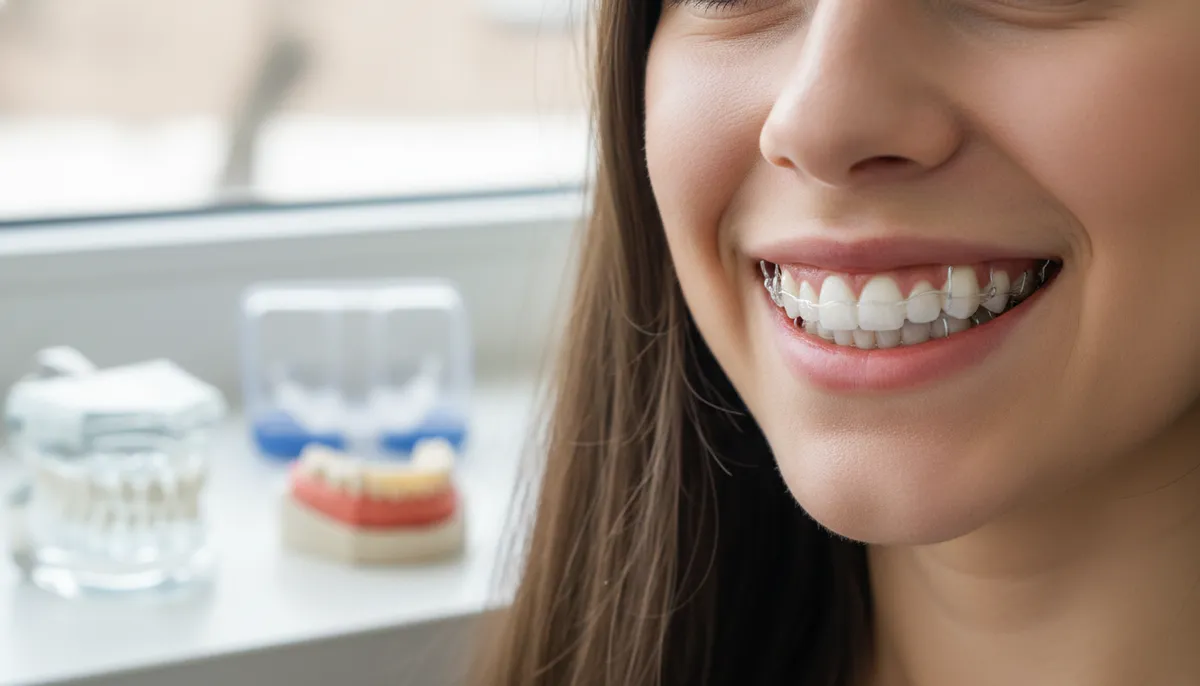
Why Retainers Are Essential After Orthodontic Treatment
After braces or clear aligners move your teeth into their corrected positions, the surrounding bone, gums, and ligaments need time to stabilize. Research indicates that it takes at least four to six months for teeth to settle securely in their new positions. During this critical period, teeth are particularly vulnerable to shifting back toward their original alignment.
Retainers work by applying gentle, consistent pressure that prevents unwanted tooth movement. They act as a safeguard for your orthodontic results, ensuring that the time, effort, and financial investment you’ve made in your smile remains protected. Without retention, many patients experience relapse—a frustrating scenario where teeth gradually return to their pre-treatment positions.
The importance of retainers extends beyond the initial stabilization period. Many orthodontists recommend lifelong retention, especially for the lower front teeth, which are particularly prone to shifting as we age. Committing to proper retainer use represents the final step in your orthodontic journey and guarantees lasting results.
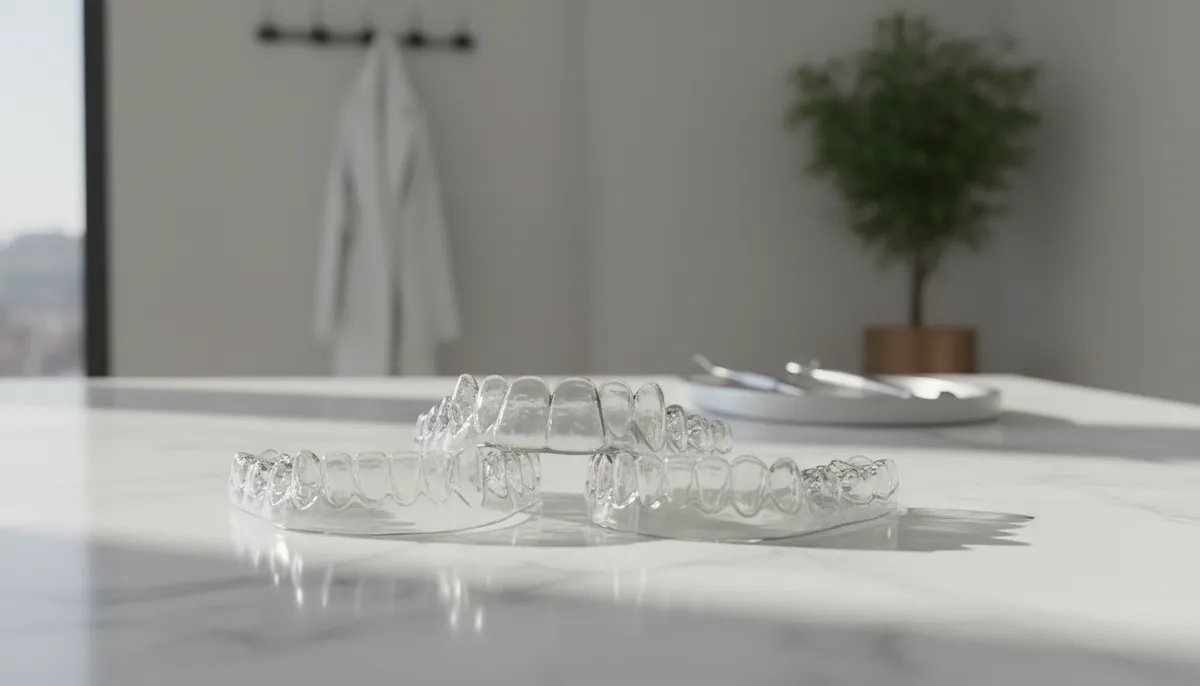
1. Clear Plastic Retainers (Essix Retainers)
Clear plastic retainers have become increasingly popular due to their near-invisible appearance. These retainers are custom-fabricated from thin, transparent plastic or polyurethane material that fits snugly over your entire arch of teeth. The material is thermoformed over a precise model of your teeth, creating a perfect fit that maintains alignment.
The primary advantage of clear retainers lies in their aesthetic appeal. They’re virtually undetectable when worn, making them an excellent choice for adults and teens who prefer discretion. Clear retainers are also removable, allowing you to eat, drink, brush, and floss without obstruction. Many patients find them more comfortable than wire-based alternatives because they lack metal components that might irritate soft tissues.
However, clear plastic retainers require diligent care. They can become discolored or develop odors if not cleaned properly. The plastic material may also crack or warp over time, particularly if exposed to hot water or if you grind your teeth at night. Most orthodontists recommend replacing clear retainers every six to twelve months to maintain optimal fit and function.
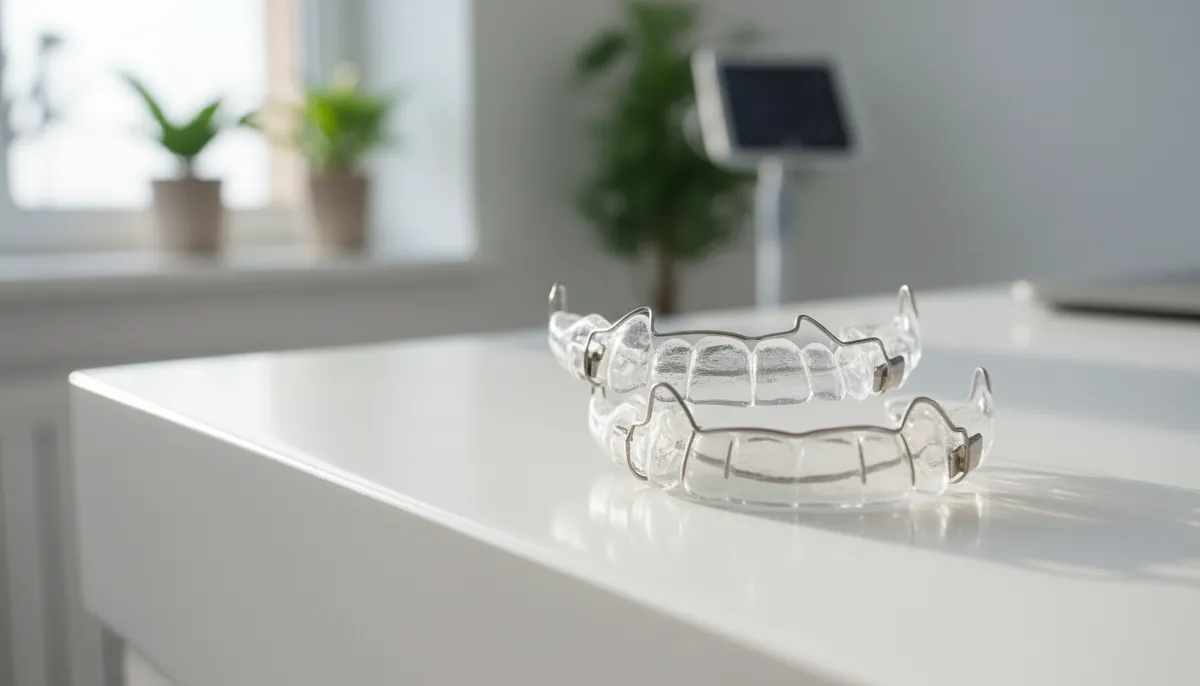
2. Hawley Retainers (Traditional Wire Retainers)
Hawley retainers represent the classic orthodontic retention device that has been trusted for decades. These retainers consist of a combination of materials: an acrylic base that rests against the roof of your mouth or along the inside of your lower teeth, and a metal wire that wraps around the front teeth to hold them in position.
One significant advantage of Hawley retainers is their durability. The sturdy construction means they typically last longer than clear plastic alternatives, often remaining functional for several years with proper care. They’re also adjustable—your orthodontist can make minor modifications to the wire if slight tooth movements occur, potentially eliminating the need for a completely new retainer.
Hawley retainers can be customized with different colored acrylic bases or decorative designs, which some younger patients appreciate. The main drawback is visibility; the metal wire across your front teeth is noticeable when you smile or speak. Some patients also find the acrylic bulk less comfortable initially, though most adapt within a few days. These retainers are removable, which facilitates easy cleaning but also requires patient compliance for effectiveness.
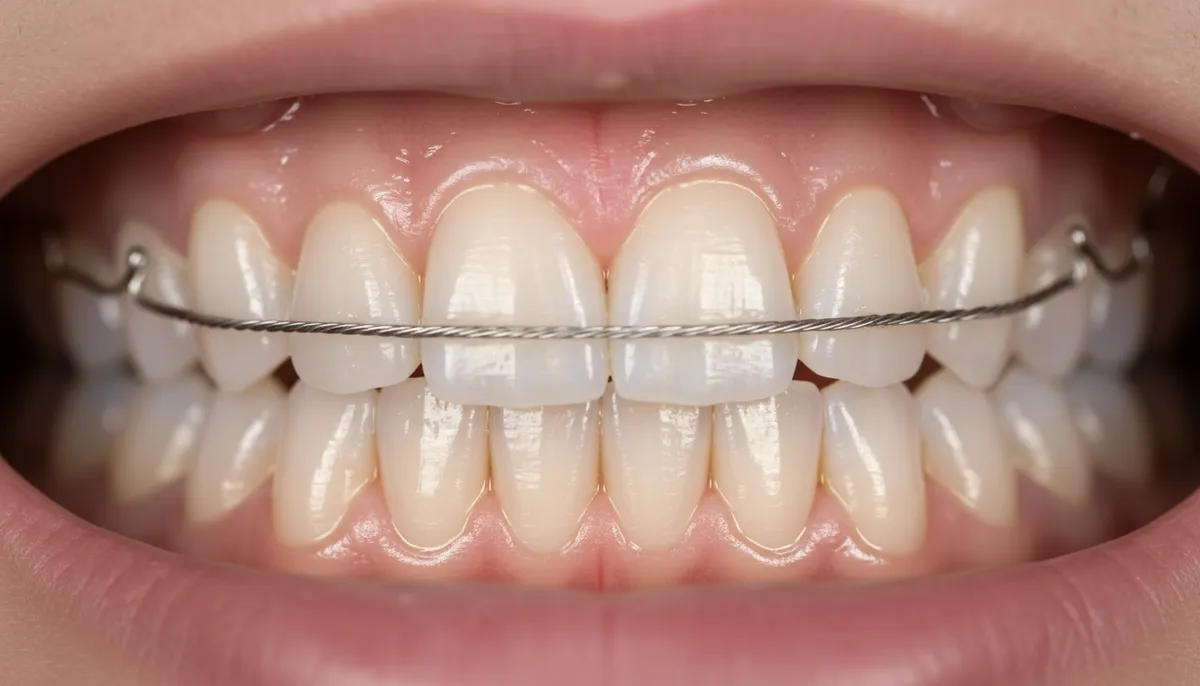
3. Fixed (Bonded) Permanent Retainers
Permanent retainers offer a “set it and forget it” retention solution that many orthodontists recommend, particularly for the lower front teeth. These retainers consist of a thin metal wire bonded to the back surfaces of your teeth using dental composite material. Because they’re fixed in place, they provide continuous retention without requiring patient compliance.
The most compelling benefit of bonded retainers is their constant protection against tooth movement. Since you cannot remove them, they work twenty-four hours a day to maintain alignment. This makes them ideal for patients concerned about remembering to wear removable retainers consistently. Studies have shown that CAD/CAM fabricated bonded retainers are associated with less plaque accumulation and gingival inflammation compared to traditional bonded retainers.
Permanent retainers do require special attention during oral hygiene routines. You’ll need to use floss threaders or specialized interdental brushes to clean between teeth where the wire is bonded. Regular dental check-ups are essential to monitor the retainer’s integrity, as the bonding material can occasionally break down. If a section becomes detached, contact your orthodontist immediately to prevent tooth shifting. Most patients adapt quickly to the presence of a bonded retainer and forget it’s even there after a short adjustment period.
4. Spring Retainers (Active Retainers)
Spring retainers represent a specialized category designed to accomplish more than simple retention. These devices incorporate small springs or active components that continue to apply orthodontic force after your primary treatment concludes. They’re particularly useful for making minor adjustments, closing small gaps, or correcting slight rotations that remain after braces or aligners are removed.
Unlike passive retainers that simply hold teeth in position, spring retainers actively move teeth. Your orthodontist might recommend this type if you need minor refinements but don’t require a full return to active treatment. The springs exert controlled pressure on specific teeth, gradually shifting them into their ideal positions over several weeks or months.
Spring retainers are typically removable and resemble Hawley retainers in construction, but with additional spring components integrated into the design. They require careful wear compliance to achieve the intended results. Your orthodontist will provide specific instructions about how many hours per day you should wear the retainer and will monitor your progress through follow-up appointments. Once the desired tooth movements are achieved, you’ll typically transition to a standard retention device.
5. Vivera Retainers
Vivera retainers are a premium clear retainer option manufactured by Align Technology, the same company that produces Invisalign clear aligners. These retainers are fabricated from a proprietary thermoplastic material that’s reportedly 30% stronger than other clear retainer materials, offering enhanced durability and longevity.
The manufacturing process for Vivera retainers involves advanced 3D imaging and precision fabrication techniques. When you order Vivera retainers, you typically receive a set of multiple retainers (usually four sets), which proves convenient for replacements if one becomes lost or damaged. This eliminates the need to schedule additional appointments for new impressions when replacements are needed.
Like other clear retainers, Vivera retainers are virtually invisible when worn and removable for eating and oral hygiene. The enhanced material strength means they resist cracking and maintain their shape longer than standard clear retainers. However, they represent a higher initial investment compared to conventional clear retainers. Many patients find the superior durability and convenience of having backup sets justifies the additional cost.
6. Combination Retainer Systems
Many orthodontists recommend a combination approach that leverages the benefits of multiple retainer types. The most common combination involves a fixed retainer on the lower front teeth paired with a removable retainer (either clear or Hawley) for the upper teeth. This hybrid strategy provides comprehensive retention while balancing convenience, aesthetics, and effectiveness.
The rationale behind combination systems addresses the different retention needs of various tooth positions. Lower front teeth are particularly prone to crowding and shifting as we age, making permanent retention an excellent preventive measure. Upper teeth, which may be more stable or less susceptible to visible crowding, can often be maintained effectively with removable retainers worn primarily at night.
Another combination approach involves wearing different retainer types at different times. For example, you might wear a clear retainer during the day for aesthetics and switch to a more durable Hawley retainer at night. Your orthodontist will design a customized retention protocol based on your specific orthodontic history, bite characteristics, and lifestyle factors. Following the prescribed retention schedule diligently ensures optimal long-term results regardless of which combination approach you use.
7. Wrap-Around Retainers
Wrap-around retainers represent a variation of the traditional Hawley design but with metal components that extend further along the sides of your teeth. Instead of having wire only across the front teeth, wrap-around retainers feature wire that curves around the back teeth as well, providing more comprehensive retention coverage.
This design offers enhanced stability for patients whose back teeth require continued retention support. If you had significant molar movement during treatment, or if your orthodontist is concerned about rotation of back teeth, a wrap-around retainer provides the additional control needed. The extended wire framework helps maintain both the alignment and the arch form achieved during treatment.
The construction of wrap-around retainers is similar to standard Hawley retainers, with an acrylic base and metal wire components. They share the same advantages of durability and adjustability, along with similar aesthetic considerations regarding the visibility of metal components. Some patients initially find the additional wire bulk requires a brief adjustment period, but most adapt quickly and appreciate the comprehensive retention these devices provide.
8. Tooth Positioners
Tooth positioners are specialized retainers made from flexible rubber or silicone material that fits over both the upper and lower teeth simultaneously. These devices are less commonly used than other retainer types but serve specific purposes in orthodontic finishing and retention. Positioners are designed to make final minor adjustments to tooth positions and bite relationships after the main orthodontic appliances are removed.
The material used in tooth positioners is thicker and more resilient than clear retainer plastic. When you bite into the positioner, your teeth are guided into the precise positions determined by your orthodontist. The material is fabricated based on an idealized setup of your teeth, so wearing the positioner actively moves teeth into this predetermined arrangement.
Tooth positioners require significant wear time—often 4-8 hours daily or even full-time wear initially—to achieve their intended effects. They’re typically used as a transitional device for a limited period (several weeks to a few months) before switching to a conventional retainer. While not suitable for everyone, positioners can be valuable for fine-tuning results and ensuring teeth settle into their optimal positions before transitioning to long-term retention.
9. Retainers for Special Functions
Beyond maintaining tooth alignment, retainers can be designed to address additional oral health concerns. Some retainers incorporate features that prevent harmful oral habits or protect teeth from damage. Understanding these specialized options helps you appreciate the versatility of retention devices.
Tongue thrust retainers include special cribs or barriers that discourage the tongue from pushing forward against the front teeth. This habit, if left uncorrected, can cause teeth to shift forward even after orthodontic treatment. The retainer’s design makes tongue thrusting uncomfortable, helping patients break the habit while simultaneously maintaining tooth alignment.
Retainers can also function as night guards for patients who grind or clench their teeth during sleep. These combination devices are typically made from durable materials that can withstand grinding forces while maintaining tooth positions. This dual-purpose approach eliminates the need to wear separate appliances, improving patient compliance and protecting both your teeth and your orthodontic investment. If you experience jaw pain, headaches, or notice worn tooth surfaces, discuss whether a retainer with protective features might benefit you.
10. Digital and 3D-Printed Retainers
Advances in dental technology have revolutionized retainer fabrication. Digital scanning and 3D printing technologies now enable orthodontists to create retainers with unprecedented precision and efficiency. Instead of traditional impression materials, your orthodontist can use an intraoral scanner to capture detailed 3D images of your teeth, providing a more comfortable experience and highly accurate data for retainer fabrication.
3D-printed retainers can be manufactured from various biocompatible materials, each selected for specific properties like clarity, strength, or flexibility. The digital workflow allows for rapid production, often enabling same-day or next-day retainer delivery. Additionally, your digital scan remains stored in the orthodontic office’s computer system, making it simple to produce replacement retainers in the future without requiring new impressions or scans.
The precision of digitally designed retainers often results in superior fit and comfort compared to traditionally fabricated devices. As 3D printing technology continues to advance, these retainers are becoming increasingly cost-effective while maintaining high quality standards. Many modern orthodontic practices, including Chacon Orthodontics, have embraced digital technologies to provide patients with the most advanced retention solutions available.
11. Retention Protocols and Wear Schedules
The type of retainer you receive is only one component of successful retention; equally important is following the prescribed wear schedule. Retention protocols vary based on individual factors including the complexity of your original malocclusion, your age when treated, and the stability of your final results. Understanding typical retention schedules helps set realistic expectations.
Most orthodontists recommend full-time retainer wear (except when eating or brushing) for the first three to six months after treatment completion. This initial phase is critical because teeth are most susceptible to shifting during this stabilization period. As your teeth become more settled in their new positions, you’ll typically transition to night-time-only wear. Many orthodontists advocate for permanent night-time retention, particularly for lower front teeth, to prevent age-related crowding.
Compliance with your prescribed retention schedule directly impacts the longevity of your results. Even missing a few nights of retainer wear can allow subtle tooth movements that accumulate over time. If you notice your retainer feeling tight after a period of non-wear, contact your orthodontist immediately—this tightness indicates tooth movement has occurred. Early intervention can often correct minor shifts before they become significant problems. Remember that retention is the final phase of orthodontic treatment, and diligent retainer wear protects the beautiful smile you’ve achieved.
Choosing the Right Retainer for Your Lifestyle
Selecting the optimal retainer type involves considering multiple factors beyond clinical effectiveness. Your lifestyle, aesthetic preferences, oral hygiene habits, and budget all play roles in determining which retainer will work best for you. An honest assessment of these factors helps ensure you choose a retainer you’ll actually wear consistently.
If aesthetics are your primary concern and you’re comfortable with diligent cleaning routines, clear retainers may be ideal. Patients who play contact sports or have active lifestyles might prefer removable retainers that can be taken out during activities. Those concerned about compliance or who have a history of losing appliances often benefit from fixed retainers that require no daily decision-making.
Your orthodontist will provide professional recommendations based on clinical factors like your bite characteristics, the severity of your original malocclusion, and predicted stability of results. However, the final decision often incorporates your preferences and lifestyle considerations. Open communication with your orthodontist about your concerns, habits, and expectations ensures you receive a retention plan tailored to your unique situation. The best retainer is one that effectively maintains your results while fitting seamlessly into your daily routine.
Retainer Care and Maintenance Best Practices
Proper care extends the life of your retainer and maintains your oral health. Removable retainers should be cleaned daily using a soft toothbrush and mild soap or specialized retainer cleaner. Avoid using hot water, which can warp plastic retainers, and never use toothpaste, which is too abrasive and can scratch clear retainers, creating surfaces where bacteria accumulate.
When not wearing your removable retainer, store it in its protective case to prevent damage or loss. Never wrap retainers in napkins or tissues, as they’re frequently thrown away accidentally. Keep retainers away from pets, who are often attracted to the scent and may chew them. If you have a fixed retainer, invest in floss threaders or water flossers to maintain cleanliness around the bonded wire.
Regular dental check-ups and orthodontic follow-up appointments allow professionals to assess your retainer’s condition and your teeth’s stability. Bring your retainer to these appointments so your orthodontist can evaluate its fit and function. If your retainer becomes damaged, uncomfortable, or lost, contact your orthodontist promptly rather than going without retention. According to Healthline, replacing retainers quickly prevents tooth movement that could necessitate additional orthodontic treatment. With proper care and attention, your retainer will effectively protect your orthodontic investment for years to come.
Conclusion: Protecting Your Orthodontic Investment
Completing orthodontic treatment represents a significant achievement, but maintaining those results requires ongoing commitment through proper retention. The eleven retainer types explored in this guide offer diverse options to suit virtually any patient’s needs, preferences, and clinical requirements. From the discretion of clear retainers to the convenience of fixed retainers, from the durability of Hawley retainers to the advanced technology of digitally fabricated options, modern orthodontics provides retention solutions that balance effectiveness with lifestyle compatibility.
The key to successful retention lies not just in selecting the right retainer type but in consistently following your orthodontist’s wear schedule and maintenance recommendations. Teeth have a lifelong tendency to shift, making retention a permanent responsibility rather than a temporary phase. However, the minimal effort required to wear and care for retainers pales in comparison to the value of preserving your beautiful, healthy smile.
If you’re currently undergoing orthodontic treatment or considering beginning your smile transformation journey, discuss retention options with your orthodontist early in the process. Understanding what to expect after active treatment helps you prepare mentally and practically for this essential final phase. At Chacon Orthodontics, we’re committed to providing comprehensive care that extends beyond treatment completion, ensuring our patients maintain their confident smiles for a lifetime. Contact us today to learn more about our personalized orthodontic solutions and retention protocols designed specifically for your unique needs.
FAQs
Q: How long do I need to wear retainers after braces?
A: Most orthodontists recommend wearing retainers full-time for the first three to six months after braces removal, then transitioning to night-time wear indefinitely. Teeth remain susceptible to shifting throughout life, so many professionals advocate for permanent retention to maintain results. Your specific wear schedule will depend on your individual treatment complexity and tooth stability.
Q: What are the main differences between permanent and removable retainers?
A: Permanent retainers are bonded to the back of your teeth and provide continuous retention without requiring daily compliance, making them ideal for preventing lower front tooth crowding. Removable retainers offer flexibility for eating and cleaning, come in various types (clear, Hawley, etc.), and allow you to remove them for special occasions. Many patients use both types simultaneously for comprehensive retention.
Q: Can I clean my retainer with toothpaste?
A: You should avoid using toothpaste to clean retainers because it contains abrasive particles that can scratch the plastic surface, creating microscopic grooves where bacteria accumulate. Instead, use a soft toothbrush with mild soap, specialized retainer cleaner, or a solution recommended by your orthodontist. Gentle daily cleaning with appropriate products keeps retainers hygienic without causing damage.
Q: What should I do if my retainer feels tight after not wearing it?
A: A tight retainer indicates your teeth have shifted, and you should contact your orthodontist immediately rather than forcing the retainer to fit. Your orthodontist can assess the amount of movement and determine whether your current retainer is still appropriate or if adjustments are needed. Early intervention often prevents minor shifts from becoming significant problems requiring additional treatment.
Q: How often should retainers be replaced?
A: Clear plastic retainers typically need replacement every six to twelve months due to normal wear, discoloration, or material breakdown. Hawley retainers are more durable and may last several years with proper care, though the acrylic can crack or wires can bend over time. Fixed retainers can last many years but require monitoring at regular dental visits to ensure the bonding remains intact and the wire hasn’t broken.