Key Takeaways
-
PPO dental plans typically cover 50% of orthodontic procedures like braces and clear aligners, with lifetime maximums ranging from $1,000-$2,000, making them the most flexible option for orthodontic treatment.
-
Not all dental plans cover orthodontics; basic plans focus on preventive care only, so you must verify orthodontic benefits in your plan documents before assuming coverage applies to your treatment.
-
DHMO plans require using in-network orthodontists to receive benefits; choosing out-of-network providers means paying the full treatment cost, so always verify your orthodontist's network status before scheduling.
-
Many dental plans impose 6-12 month waiting periods before orthodontic benefits activate, so check your policy timing if you're planning to start treatment soon to avoid unexpected delays.
-
Employer-sponsored dental plans offer better orthodontic coverage rates than individual plans, and supplemental dental insurance can help bridge gaps for uncovered costs, especially for adult treatment.
-
Scheduling a free consultation with an orthodontist allows them to verify your benefits, explain coverage details, and break down expected costs upfront, eliminating financial surprises before treatment begins.
Figuring out dental insurance for orthodontic treatment can feel overwhelming. Between coverage limits, in-network requirements, and plan types, it is easy to get confused. The good news is that many orthodontic practices accept dental insurance accepted by major providers, which can significantly reduce your out-of-pocket costs for braces, clear aligners, and more.
Whether you are a parent exploring early treatment options for your child, a teen ready to start their smile journey, or an adult considering clear aligners for the first time, understanding how dental insurance works for orthodontics helps you make smarter financial decisions. This guide walks you through 14 essential things every patient should know before starting treatment.
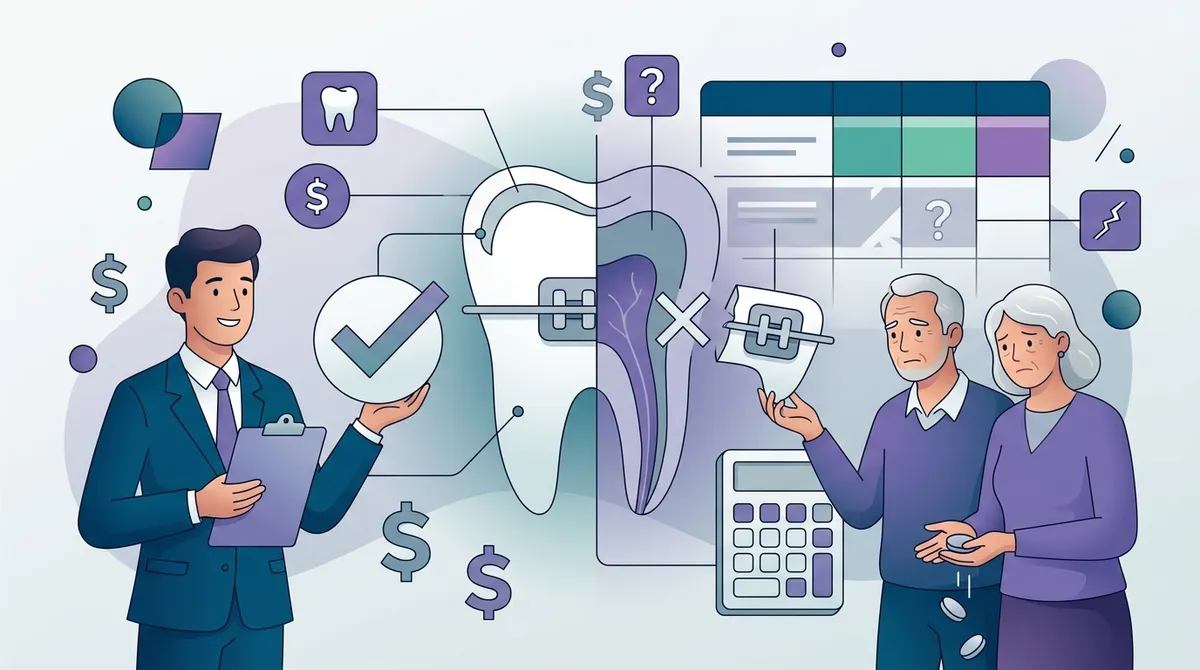
1. Dental Insurance Does Not Always Cover Orthodontics
Not every dental plan includes orthodontic benefits. Basic dental plans often cover preventive care like cleanings and X-rays, but orthodontic coverage is considered a separate benefit. Always check your plan documents carefully before assuming coverage applies.

2. PPO Plans Offer the Most Flexibility
PPO (Preferred Provider Organization) dental plans are the most common type that includes orthodontic benefits. These plans typically cover 100% of preventive care, 80% of basic procedures, and 50% of major procedures, which includes braces and aligners. This makes PPO plans a strong choice for families planning orthodontic treatment.

3. DHMO Plans Require In-Network Providers
Dental HMO (DHMO) plans require you to visit an in-network orthodontist to receive benefits. If you choose an out-of-network provider, you may pay the full cost of treatment. Always verify your orthodontist’s network status before scheduling your first appointment.
| Plan Type | Network Requirement | Orthodontic Coverage | Flexibility |
|---|---|---|---|
| PPO | Preferred but not required | Up to 50% of major procedures | High |
| DHMO | In-network only | Varies by plan | Low |
| Indemnity | None | Partial reimbursement | Very High |
| Discount Plans | In-network only | Discounted rates, not true insurance | Moderate |

4. Children Typically Receive Better Orthodontic Coverage
Most dental plans provide more consistent orthodontic coverage for children under age 18. Adult orthodontic coverage is less common and often comes with higher premiums or stricter limitations. If you are an adult seeking treatment, review your plan closely or ask about supplemental options. You can also explore adult orthodontic treatment options to understand what treatments are available for grown-up smiles.
5. Health Insurance Rarely Covers Orthodontics
Many patients assume their health insurance will cover braces or clear aligners. In most cases, it does not. Orthodontic treatment is typically covered under dental plans, not medical ones. There are rare exceptions when treatment is deemed medically necessary, but this is not the standard.
6. Major Providers Accept Orthodontic Insurance
Several well-known insurance providers offer plans with orthodontic benefits. These include Cigna, Humana, Anthem, UnitedHealthcare, and Delta Dental. The American Dental Association recommends verifying your specific plan’s orthodontic benefits directly with your insurer, as coverage varies even within the same provider’s plan lineup.
7. There May Be Waiting Periods
Some dental plans impose a waiting period before orthodontic benefits become active. This period can range from six months to one year after you enroll in the plan. If you are planning to start treatment soon, check whether a waiting period applies to your policy.
8. Annual and Lifetime Maximums Apply
Most orthodontic insurance benefits come with a lifetime maximum rather than an annual one. This cap is the most your plan will pay toward orthodontic treatment over your lifetime. Common lifetime maximums range from $1,000 to $2,000, though some premium plans offer higher limits.
| Coverage Element | Typical Range | Notes |
|---|---|---|
| Preventive Care | 100% | Cleanings, exams, X-rays |
| Basic Procedures | 80% | Fillings, extractions |
| Major Procedures (Orthodontics) | 50% | Braces, aligners |
| Lifetime Orthodontic Maximum | $1,000 – $2,000 | Applies to total treatment cost |
9. Clear Aligners Are Often Covered Like Braces
Many patients wonder whether dental insurance covers clear aligners the same way it covers traditional braces. In most cases, if your plan covers orthodontics, it will apply the same benefit to clear aligners. However, always confirm this with your insurer before starting treatment, as some plans specifically exclude certain aligner brands or treatment types.
10. Employer-Sponsored Plans Are Often the Best Option
If you receive dental benefits through your employer, you may already have access to orthodontic coverage. Employer-sponsored plans tend to offer better rates and coverage levels than individual plans purchased on the open market. Review your benefits package each open enrollment period to maximize your orthodontic coverage.
For those who are self-employed, individual dental plans with orthodontic riders are available. The American Association of Orthodontists encourages patients to compare individual plan options carefully, paying close attention to waiting periods, lifetime maximums, and network restrictions.
11. Supplemental Dental Insurance Can Fill the Gap
When your primary dental plan does not cover everything, supplemental insurance from providers like Aflac can help cover remaining costs. These policies are designed to offset expenses not paid by your main plan, which is particularly helpful for adult orthodontic treatment. Review your total out-of-pocket estimate before deciding whether a supplemental plan makes financial sense.
12. In-Network Orthodontists Reduce Your Costs
Choosing an in-network provider is one of the most effective ways to keep your orthodontic costs low. In-network orthodontists have pre-negotiated rates with insurance companies, which means lower out-of-pocket expenses for you. Use your insurer’s provider directory or tools like the Invisalign app to verify in-network status before booking an appointment. You can also learn more about insurance options at Chacon Orthodontics to see which plans are accepted.
13. Flexible Payment Plans Can Bridge the Gap
Even with dental insurance, there may still be a balance left to pay after benefits are applied. Many orthodontic offices offer flexible payment plans to make the remaining cost manageable. Monthly payment options allow families and individuals to begin treatment without paying the full amount upfront. Ask your orthodontic team about financing arrangements during your initial consultation.
14. A Free Consultation Can Clarify Your Coverage
The best way to understand exactly what your insurance covers is to schedule a consultation with a qualified orthodontist. During this visit, the team can verify your benefits, explain your treatment options, and break down the expected costs. At Chacon Orthodontics, patients receive a complimentary digital 3D exam and a full review of their coverage options, so there are no surprises. Visit us on Google to read what current patients say about their experience.
How to Maximize Your Orthodontic Insurance Benefits
Getting the most from your dental insurance requires a proactive approach. Follow these steps to make the most of your orthodontic coverage:
- Review your plan documents carefully and look for the orthodontic benefits section specifically.
- Contact your insurance provider directly to confirm coverage for braces, clear aligners, and retainers.
- Ask about waiting periods so you can plan your treatment start date accordingly.
- Choose an in-network orthodontist to keep costs as low as possible.
- Submit your treatment plan to the insurance company for pre-authorization before starting.
- Track your lifetime maximum so you know exactly how much of your benefit remains.
What Treatments Does Dental Insurance Typically Cover?
Orthodontic dental insurance can apply to a wide range of treatments depending on your specific plan. Below is a quick overview of what is commonly covered:
- Custom braces — traditional metal and ceramic options
- Clear aligners — removable, discreet teeth-straightening trays
- Retainers — post-treatment devices to maintain your results
- Diagnostic records — X-rays, photographs, and digital scans
- Consultations — initial exams and treatment planning visits
Note that cosmetic treatments like professional teeth whitening are rarely covered by dental insurance, as they are not considered medically necessary. Check your plan details to confirm which specific treatments qualify for benefits.
Who Benefits Most From Orthodontic Insurance?
Orthodontic insurance is valuable for many different patients. Here is a breakdown of who typically benefits most:
| Patient Type | Coverage Likelihood | Best Plan Type | Recommended Treatment |
|---|---|---|---|
| Children under 18 | High | PPO or DHMO | Braces or early intervention |
| Teenagers | High | PPO | Custom braces or clear aligners |
| Adults | Moderate | PPO with orthodontic rider | Clear aligners or ceramic braces |
| Self-employed individuals | Lower (individual plans) | Individual PPO | Verify coverage before enrolling |
Questions to Ask Your Insurance Provider
Before starting any orthodontic treatment, gather the following information from your insurance company:
- Does my plan include orthodontic benefits for my age group?
- What is the lifetime maximum for orthodontic treatment?
- Is there a waiting period before benefits begin?
- Does my plan cover clear aligners as well as traditional braces?
- Which orthodontists in my area are considered in-network?
- Do I need a referral or pre-authorization before starting treatment?
Having clear answers to these questions before your consultation puts you in a stronger position to plan your treatment and budget accordingly. You can also review the frequently asked questions on the Chacon Orthodontics website for more guidance on insurance and treatment options.
Conclusion
Navigating dental insurance for orthodontic treatment does not have to be stressful. By understanding your plan type, verifying your benefits, and choosing an in-network provider, you can make the most of the coverage you have. Whether you are seeking treatment for your child, your teen, or yourself, knowing what your insurance covers helps you move forward with confidence.
If you are ready to take the next step, we invite you to schedule your complimentary consultation with our team at Chacon Orthodontics. With two convenient locations in Westchase and Brandon, Florida, bilingual care in English and Spanish, and a team dedicated to creating lasting, healthy smiles, we are here to help you understand your options and begin your journey toward a confident smile.
FAQs
Q: Does dental insurance cover braces and clear aligners?
A: Many dental PPO plans cover orthodontic treatments, including braces and clear aligners, typically paying up to 50% of the total cost. However, coverage depends on your specific plan, and it is important to confirm with your insurer whether clear aligners are included under your orthodontic benefit.
Q: Is there a waiting period before orthodontic insurance benefits apply?
A: Some dental insurance plans require a waiting period of six months to one year before orthodontic benefits become active. If you are planning to begin treatment soon, contact your insurance provider to confirm whether a waiting period applies to your policy.
Q: How much does dental insurance typically pay for orthodontic treatment?
A: PPO dental plans generally cover 50% of major procedures, including orthodontics, up to a lifetime maximum that commonly ranges from $1,000 to $2,000. The remaining balance is the patient’s responsibility, which many orthodontic offices help manage through flexible payment plans.
Q: Does dental insurance cover orthodontics for adults?
A: Adult orthodontic coverage is less common than coverage for children under age 18, but many PPO plans do include adult benefits, sometimes with higher premiums or additional limitations. Reviewing your plan’s orthodontic section carefully or consulting with your orthodontist’s billing team can help clarify what is available to you.
Q: How do I find an in-network orthodontist who accepts my dental insurance?
A: You can locate in-network orthodontists by using your insurance company’s online provider directory or by contacting the insurer directly. Many orthodontic offices, including those in the Westchase and Brandon areas of Florida, can verify your insurance benefits on your behalf during an initial consultation.