Key Takeaways
-
Nearly 70% of patients experience tooth shifting without proper retainer use, yet most don't understand retainer options until too late—making retention knowledge as critical as the treatment itself.
-
Teeth require full-time retainer wear (20-22 hours daily) for the first 6-12 months after braces or aligners, then transition to indefinite nighttime-only wear, as the American Association of Orthodontists recommends lifelong retention.
-
Combination approaches using both a fixed lower retainer and removable upper retainer simultaneously address multiple stability needs and reduce overall relapse risk, particularly for complex bite corrections.
-
3D-printed custom retainers offer superior precision, comfort, and faster production compared to traditional methods, with digital files archived for easy future replacement without messy impressions.
-
Poor retainer compliance leading to tooth shifting can cost far more in retreatment than consistent retainer replacement—skipping wear is one of the most financially damaging decisions after orthodontic care.
-
Smart retainers with micro-sensors now track wear time in real-time through paired apps, providing accountability for teens and patients while allowing orthodontists to monitor compliance directly.
After investing thousands in braces or aligners, nearly 70% of patients experience some tooth shifting without proper retainer use—yet most orthodontists report their patients don’t fully understand retainer options until it’s too late. This gap in knowledge can unravel months or even years of orthodontic progress. Understanding your orthodontic retainers is just as important as the treatment itself.
Beyond basic retainer care, there are hidden factors orthodontists consider when selecting the right retainer type for each patient. Advances in materials science, digital fabrication, and compliance technology are transforming how retention works—and how long your results last. Whether you are a parent researching options for your child, a teen finishing up braces, or a working adult who completed clear aligner treatment, this guide reveals what your orthodontist wishes every patient knew from day one.
The global orthodontic retainer market reached $2.8 billion in 2025 and is projected to hit $5.1 billion by 2034—a clear sign that retention is a growing priority in modern orthodontic care. Read on to discover the 12 essential facts that can protect your smile for a lifetime.
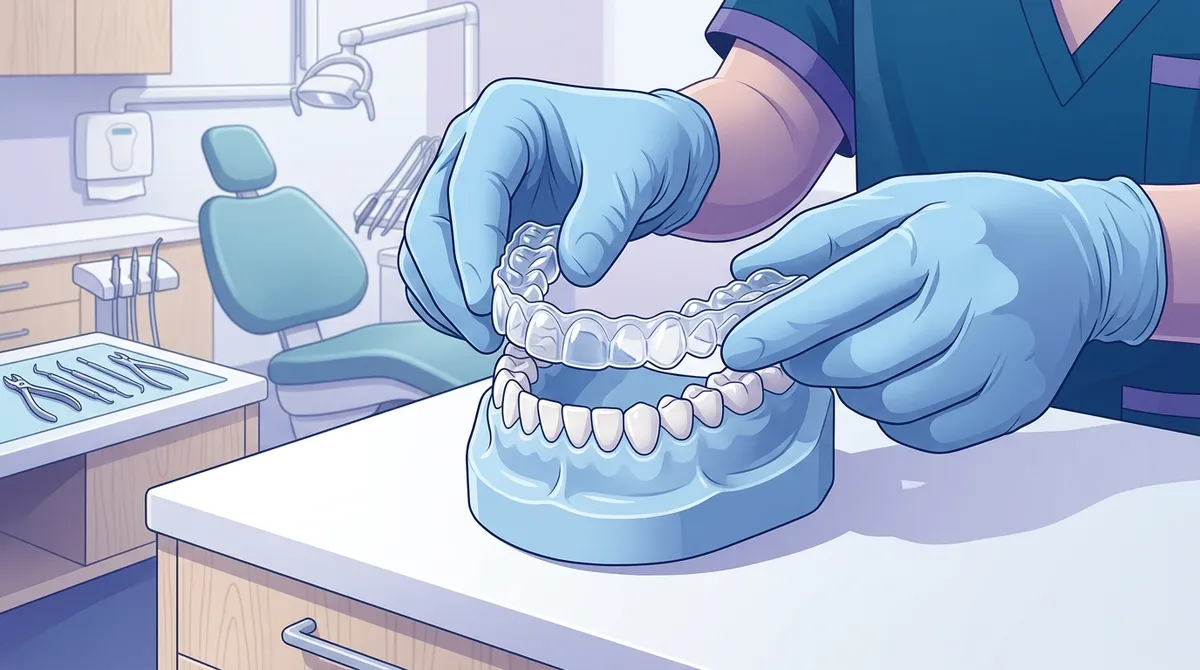
Types of Orthodontic Retainers and Their Unique Applications
Not all orthodontic retainers are created equal. Each type serves a specific purpose, and your orthodontist selects the best option based on your anatomy, treatment history, and lifestyle. Understanding the differences helps you make an informed decision alongside your provider.
Clear Plastic Removable Retainers vs. Traditional Hawley
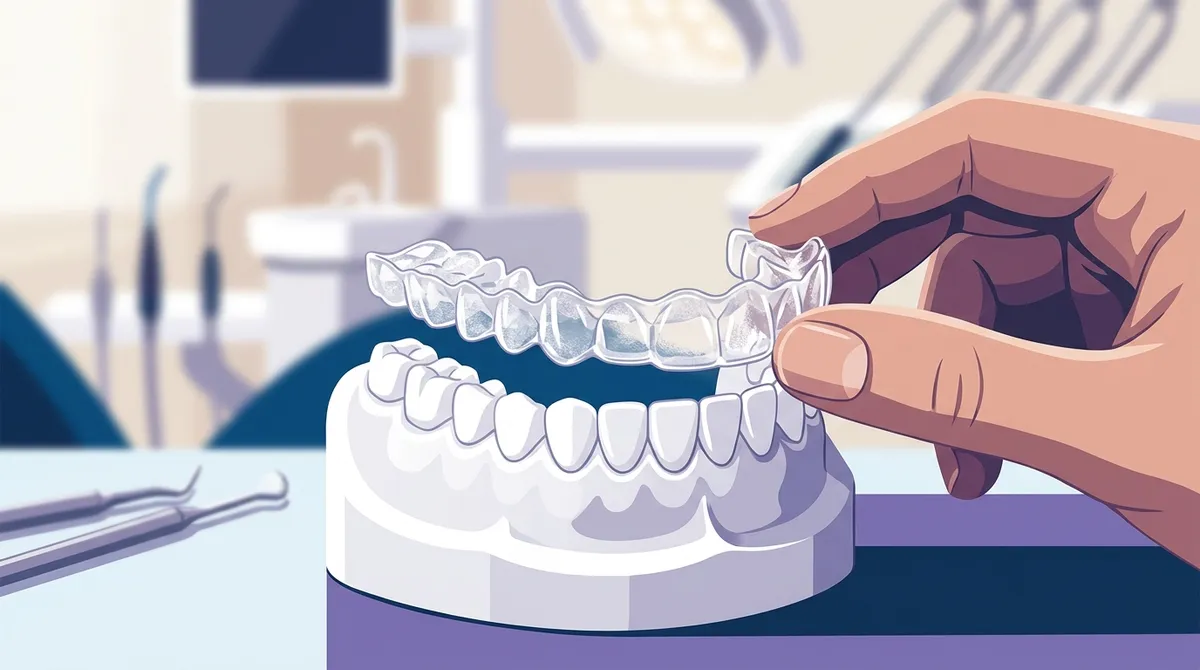
Clear plastic retainers, often called Essix retainers, are popular for their near-invisibility and snug fit. They cover all tooth surfaces and are discreet enough for adults and teens. Traditional Hawley retainers, made of acrylic and metal wire, are more durable and allow minor adjustments over time. Each has a place depending on patient needs and treatment complexity.
Fixed Bonded Retainers for Lower Teeth
Fixed retainers are thin wires bonded directly to the back of the teeth—most commonly on the lower front teeth. They work continuously without relying on patient compliance. This makes them ideal for patients at high risk of relapse or those who may struggle with consistent wear of a removable device.
Combination Approaches for Complex Cases
Many orthodontists prescribe both a fixed lower retainer and a removable upper retainer simultaneously. This combination approach addresses multiple stability needs and reduces overall risk of shifting. For patients with complex bite corrections, a layered strategy is often the most protective choice.
3D Printed Custom Retainers vs. Traditional Fabrication
Digital fabrication using 3D scanning and printing allows orthodontists to create retainers with remarkable precision. These retainers offer a more accurate fit, improved comfort, and faster production compared to traditional plaster-mold methods. Intraoral scanning eliminates messy impressions and produces digitally archived models for easy future replacement.
Material Innovations in Polymer and Ceramic Options
Advanced polymer blends now offer greater clarity, stain resistance, and flexibility than earlier plastic materials. Ceramic components are being explored for aesthetic fixed retainers. These material upgrades improve patient satisfaction and extend device lifespan significantly. You can learn more about the technology used in modern orthodontic practices to appreciate how far retainer fabrication has advanced.
The Real Cost Breakdown of Retainer Options in 2026
Cost is one of the most common concerns patients raise after completing orthodontic treatment. Understanding the full financial picture helps you budget wisely and avoid unexpected expenses down the road.
| Retainer Type | Initial Cost (Per Arch) | Replacement Cost | Average Lifespan |
|---|---|---|---|
| Clear Plastic (Essix) | $150–$300 | $100–$250 | 1–3 years |
| Hawley Retainer | $150–$350 | $150–$300 | 5–10 years |
| Fixed Bonded Retainer | $250–$500 | $200–$400 | 10+ years |
| 3D Printed Custom | $200–$400 | $150–$300 | 2–4 years |
Insurance Coverage Variations by Retainer Type
Insurance coverage for orthodontic retainers varies widely. Some plans cover initial retainers as part of a comprehensive orthodontic benefit, while replacements due to loss or damage are often excluded. Reviewing your plan carefully before treatment ends is essential. The insurance information page at Chacon Orthodontics can help you navigate coverage specifics.
Hidden Costs of Poor Compliance
Skipping retainer wear leads to tooth movement, which may require retreatment. The cost of new aligners or braces far exceeds the cost of consistent retainer replacement. Poor compliance is one of the most financially damaging decisions a patient can make after completing orthodontic care.
Long-Term Investment in Retention Success
Viewing retainers as a long-term investment reframes the conversation. Spending a few hundred dollars on a replacement retainer every few years is far less costly than repeating a full orthodontic treatment cycle. Flexible payment plan options can also make ongoing retention affordable for families of all budgets.
How Long You Actually Need to Wear Your Retainer
One of the most common misconceptions in orthodontics is that retainer wear has a clear end date. In reality, retention is a long-term commitment that varies by patient. Here is what the evidence and clinical experience actually show.
First Year Full-Time Wear Requirements
During the first 6 to 12 months after braces or aligners, full-time retainer wear is typically required. Teeth are most susceptible to shifting immediately after treatment because the surrounding bone and ligaments are still stabilizing. Wearing your retainer 20 to 22 hours per day during this window is critical.
Transition to Nighttime-Only Schedules
After the initial stabilization period, most orthodontists transition patients to nighttime-only wear. This phase typically begins after 12 months if teeth have remained stable. Consistent nightly wear during this period helps lock in alignment long-term without disrupting daily routines.
Lifetime Retention Reality for Adults
The American Association of Orthodontists recommends indefinite retainer wear for most patients. Teeth naturally shift throughout life due to aging, jaw changes, and pressure from normal activities like eating and speaking. Accepting lifelong retention as part of maintaining your smile is a professional standard, not an exaggeration.
Age-Specific Retention Protocols
| Age Group | Typical Wear Schedule | Primary Concern |
|---|---|---|
| Children (7–12) | Full-time initially, then guided by growth | Active jaw development |
| Teens (13–19) | Full-time first year, nighttime ongoing | Growth spurts and compliance |
| Adults (20+) | Nighttime indefinitely | Natural age-related shifting |
Signs You Need to Adjust Your Wearing Schedule
- The retainer feels tight or difficult to seat after skipping a night
- Visible gaps or spacing changes appear between teeth
- Your bite feels different when chewing
- Your orthodontist observes measurable movement at a check-up
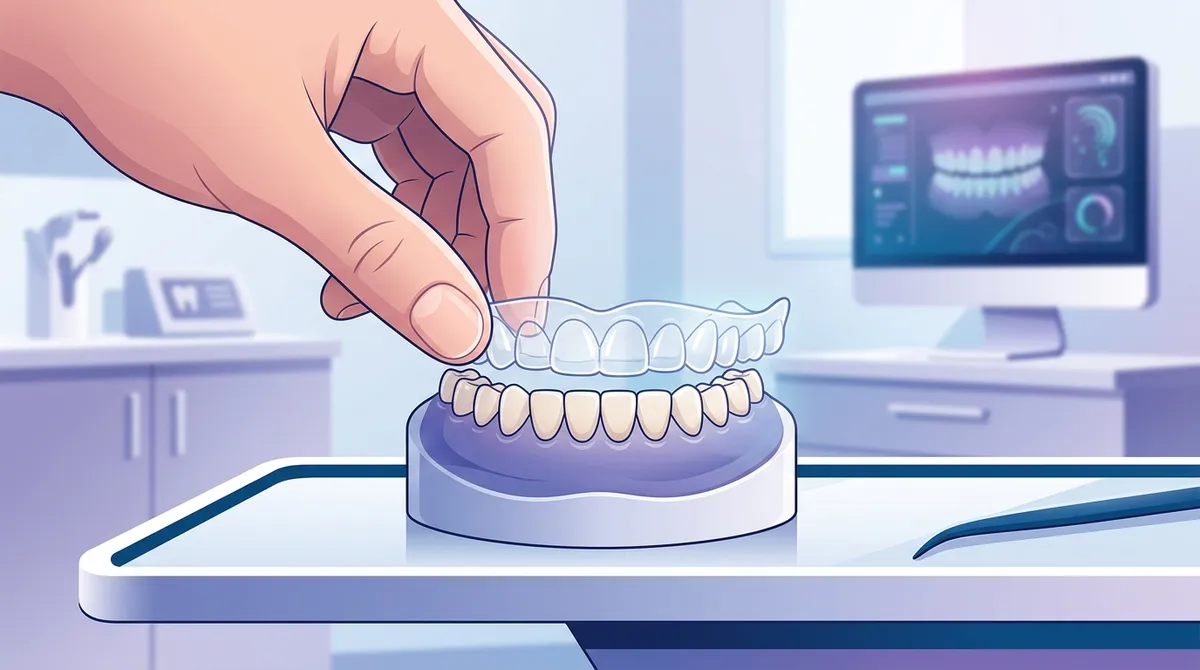
Advanced Retainer Technology Transforming Orthodontic Results
Orthodontic retention has evolved dramatically. Technology is making retainers more precise, more durable, and even more interactive than ever before.
3D Scanning for Precise Customization
Intraoral scanners capture a complete digital map of the patient’s mouth in minutes. This data feeds directly into retainer fabrication software, eliminating human error in traditional impressions. The result is a retainer that fits with exceptional accuracy from the very first try.
Smart Retainers with Compliance Monitoring
Emerging smart retainer technology embeds micro-sensors that track wear time and temperature. Data is transmitted to a paired app, allowing both patients and orthodontists to monitor compliance in real time. This innovation is particularly valuable for teens who may need additional accountability in their retention routine.
Antimicrobial Coating Innovations
New polymer coatings infused with antimicrobial agents reduce bacterial buildup on retainer surfaces. This helps maintain better oral hygiene during wear and extends the functional life of the device. The American Dental Association continues to support research into antimicrobial materials for oral devices.
Digital Workflow from Scan to Delivery
Modern orthodontic offices like Chacon Orthodontics use fully digital workflows that allow retainer design, approval, and fabrication to occur rapidly. Patients benefit from faster turnaround times and archived digital files that make future replacements quick and cost-effective. Explore the advanced technology powering these workflows to understand the full scope of modern orthodontic capability.
Professional Retainer Care That Extends Device Lifespan
Proper retainer care is not complicated, but it does require consistency. Following the right protocols protects your investment and your smile.
Daily Cleaning Protocols for Different Materials
Follow these steps for daily retainer maintenance:
- Rinse your retainer with lukewarm water immediately after removal.
- Brush gently using a soft toothbrush and non-abrasive soap—avoid toothpaste, which can scratch clear plastic.
- Soak in a retainer cleaning solution or diluted white vinegar for 15–20 minutes several times per week.
- Rinse thoroughly before reinserting to remove any cleaning residue.
Professional Cleaning Services at Orthodontic Offices
Periodic professional cleaning at your orthodontic office can remove calcified buildup that home cleaning cannot address. Many practices offer ultrasonic cleaning devices that sanitize retainers thoroughly. Scheduling this service at your regular check-up appointment is both convenient and effective.
Common Mistakes That Destroy Retainers
- Leaving retainers in hot water or a hot car, which warps the material
- Wrapping retainers in napkins, making them easy to accidentally discard
- Allowing pets access to retainers, which are frequently chewed and destroyed
- Using harsh chemicals or boiling water for cleaning
Storage Solutions Preventing Damage
Always store your retainer in its protective case when not in use. Keep the case in a consistent, visible location to reduce the chance of loss. Color-coded or labeled cases help households with multiple patients keep retainers organized and safe.
When to Replace vs. Repair Retainers
Minor wire adjustments on Hawley retainers can often be repaired at your orthodontic office. However, cracked or warped clear retainers should always be replaced—repaired clear plastic rarely maintains the original precision fit. When in doubt, contact your provider promptly rather than continuing to wear a compromised device.
Special Considerations for Different Patient Groups
Retainer needs are not one-size-fits-all. Orthodontists tailor retention plans based on the specific circumstances of each patient group to maximize success and comfort.
Retainer Options for Young Children
Children undergoing early orthodontic intervention may need retainers designed to accommodate active jaw growth. These devices are monitored frequently and adjusted as the child develops. Parents of young patients should schedule regular follow-up visits to ensure retainers remain properly fitted as growth continues.
Athletic Teens and Sports-Compatible Solutions
Teens involved in contact sports face unique challenges with retainer wear. Fixed retainers are often recommended because they remain in place during athletic activity without interfering with mouthguard use. For teen patients, custom mouthguards can sometimes be fabricated to work alongside removable retainers during competition.
Adult Professional Appearance Priorities
Working adults completing adult orthodontic treatment typically prioritize discretion. Clear retainers worn at night cause zero disruption to professional life and are the most commonly selected option in this age group. The rise in adult orthodontic cases—now representing 25% of all orthodontic patients according to the American Association of Orthodontists—reflects strong demand for aesthetically compatible retention solutions.
Bilingual Support for Diverse Communities
For Spanish-speaking families in Westchase and Brandon, Florida, navigating retainer care instructions in a second language can be challenging. Chacon Orthodontics provides fully bilingual care, ensuring that every patient and family member understands their retention plan clearly and confidently. Clear communication is essential to long-term compliance and treatment success for all communities.
Warning Signs Your Retainer Needs Professional Attention
Knowing when to seek professional help can prevent minor retainer issues from becoming major orthodontic setbacks. Do not wait for problems to worsen before contacting your orthodontist.
Visible Cracks or Material Degradation
Even hairline cracks in a clear retainer can compromise its fit and structural integrity. Worn or yellowed material indicates breakdown that reduces the device’s effectiveness. A visibly degraded retainer should be replaced promptly rather than monitored over time.
Changes in Fit Indicating Tooth Movement
A retainer that suddenly feels tight after consistent wear may signal that teeth have begun to shift. This could indicate inconsistent compliance or a retainer that is no longer functioning correctly. Contact your orthodontic provider immediately if you notice a significant change in how your retainer fits.
Discomfort Beyond Normal Adjustment Period
Some mild pressure is normal when reinserting a retainer after a short break. However, persistent pain, soreness, or pressure that lasts more than a day or two is not normal and warrants professional evaluation. Discomfort can indicate ill fit, tooth movement, or a structural problem with the device.
Hygiene Issues Despite Proper Cleaning
Persistent odor or visible discoloration that does not respond to proper cleaning may indicate microbial colonization within the material. This is a hygiene concern that can affect oral health. Your orthodontist can evaluate whether a professional cleaning, repair, or full replacement is the appropriate course of action.
When Emergency Replacement Is Critical
If a retainer is lost or broken during the first 12 months of retention—when teeth are most prone to shifting—emergency replacement should occur within days, not weeks. Even a short gap in wear during this critical window can result in measurable movement. Contact your orthodontic office right away to arrange an expedited replacement.
| Warning Sign | Urgency Level | Recommended Action |
|---|---|---|
| Hairline crack in clear retainer | Moderate | Schedule replacement within 1–2 weeks |
| Retainer feels tight after missed nights | Moderate | Resume wear; contact provider if it worsens |
| Significant fit change or visible shift | High | Contact orthodontist within 48 hours |
| Lost retainer within first year of retention | Emergency | Contact provider immediately for same-week replacement |
| Persistent pain or pressure | High | Schedule appointment promptly |
Protect Your Smile with the Right Retainer Strategy
Orthodontic retainers are not an afterthought—they are the final and ongoing chapter of your orthodontic story. From selecting the right type and material to understanding wear schedules and recognizing warning signs, every decision matters. The technology, expertise, and personalized care available in 2026 make it easier than ever to maintain your results confidently.
Whether you are a parent guiding your child through early treatment, a teen finishing braces, or an adult maintaining a professional smile, the right retainer strategy is within reach. Visit us on Google to read what patients across Westchase, Brandon, and the greater Tampa area are saying about their experience. You can also explore our patient testimonials to hear directly from those who have completed treatment with Dr. Omar Chacon.
Ready to take the next step in protecting your smile? Schedule your complimentary consultation with Chacon Orthodontics today and get expert, bilingual guidance on the retainer solution that is right for you.
FAQs
Q: Can I get a replacement retainer without seeing my original orthodontist?
A: Yes, in many cases a new orthodontic provider can create a replacement retainer using a fresh digital scan or impression of your current teeth. However, if significant shifting has occurred since your original treatment, your new orthodontist will need to assess your teeth before fabricating a replacement. It is always advisable to consult with a licensed orthodontist rather than using mail-order options for the most accurate and safe outcome.
Q: Why do some people need permanent retainers while others don’t?
A: The need for a fixed bonded retainer depends on several factors, including the severity of the original misalignment, the patient’s compliance history, and the anatomy of the lower teeth. Patients with significant crowding corrections or those who have shown difficulty maintaining removable retainer wear schedules are more likely to be prescribed a permanent option. Your orthodontist evaluates these factors individually and selects the retention strategy that best protects your specific results.
Q: How do retainer requirements differ after Invisalign versus traditional braces?
A: Retainer requirements after Invisalign and traditional braces are largely similar—both require full-time wear initially, followed by a transition to nightly use. However, Invisalign patients are often transitioned to their retainers more seamlessly since they are already accustomed to wearing clear plastic trays throughout their treatment. In both cases, indefinite nighttime wear is recommended to prevent natural age-related tooth shifting.
Q: What happens if I stop wearing my retainer after 5 years?
A: Even after five years of consistent retainer wear, teeth can still shift if you discontinue use entirely. Teeth respond to ongoing natural forces such as jaw pressure, aging, and soft tissue changes throughout life. Most orthodontists recommend continuing nighttime wear indefinitely to fully preserve your orthodontic investment and prevent the need for retreatment.
Q: Are online retainer services as effective as orthodontist-provided options?
A: Online retainer services may offer lower upfront costs, but they lack the professional oversight needed to ensure proper fit and detect underlying changes in tooth position. An ill-fitting retainer can accelerate tooth movement rather than prevent it, making professional evaluation essential. Orthodontist-provided retainers are created with clinical precision and include the professional monitoring that protects your long-term results.