Key Takeaways
-
Metal braces cost $3,000-$7,000 and remain the most affordable option, while lingual braces exceed $10,000; ceramic braces ($4,000-$8,500) and clear aligners ($3,000-$8,000) offer mid-range alternatives based on aesthetic preferences.
-
Dental insurance can reduce out-of-pocket costs to $1,500-$3,750 for metal braces, but review your plan's lifetime orthodontic maximum ($1,000-$2,500) before starting treatment to understand actual coverage.
-
Treatment complexity significantly affects price: minor cases cost $3,000-$4,500, moderate cases $5,000-$6,000, and severe cases exceed $8,000; a board-certified orthodontist evaluation determines your category.
-
Monthly payment plans typically range from $100-$250 over 24 months for a $5,000 treatment, with many practices offering interest-free financing; use FSA or HSA accounts to pay with pre-tax dollars.
-
Geographic location impacts costs by 20-30%, with urban areas and high cost-of-living regions charging more than rural areas; Nevada averages $8,350 for metal braces while Nevada is significantly higher than other states.
-
Schedule a free consultation to receive a personalized treatment plan and cost estimate; early intervention for children (ages 7-10) can prevent more complex and expensive corrections later.
Understanding braces cost is one of the first steps families take before starting orthodontic treatment. Whether you are a parent exploring options for your child, a teenager ready for a confident smile, or an adult considering treatment for the first time, knowing what to expect financially makes the process far less stressful. Costs can vary widely depending on the type of braces, treatment complexity, and your location. In 2026, the national average for comprehensive orthodontic treatment ranges from $5,108 to $9,221. The good news is that flexible payment plans, dental insurance, and free consultations make treatment more accessible than ever. This guide breaks down 11 essential facts to help you budget wisely and make an informed decision for your smile.
1. Metal Braces Are the Most Affordable Option
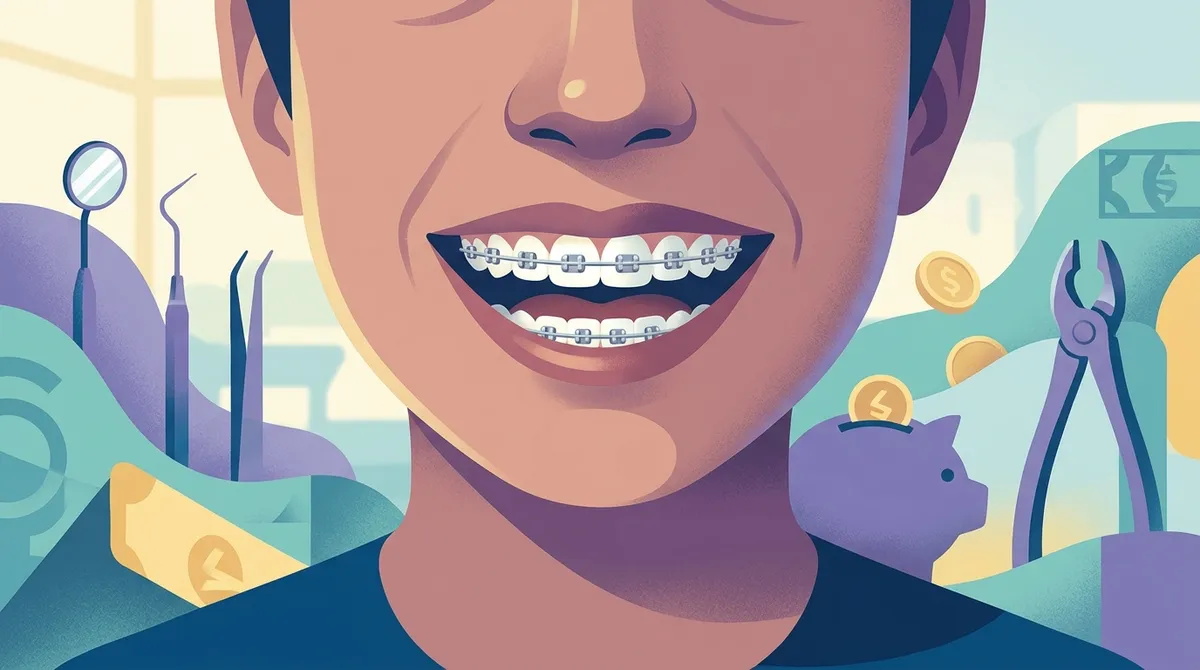
Traditional metal braces remain the most cost-effective choice for comprehensive orthodontic correction. In 2026, metal braces typically cost between $3,000 and $7,000. They are highly effective for treating a wide range of alignment issues, from mild crowding to complex bite problems. For families on a budget, metal braces offer reliable results at a lower price point. You can learn more about your options by reviewing our guide on types of braces and orthodontic options.

2. Ceramic Braces Cost More but Look Better
Ceramic braces use tooth-colored or clear brackets that blend with your natural teeth. They are far less noticeable than metal braces, making them popular with teens and adults who are concerned about appearance. The typical price range for ceramic braces is $4,000 to $8,500. The higher cost reflects the aesthetic advantage and the more delicate materials involved. For adults seeking a discreet option, our discreet braces options for adults page offers helpful guidance.
3. Clear Aligners Range from $3,000 to $8,000
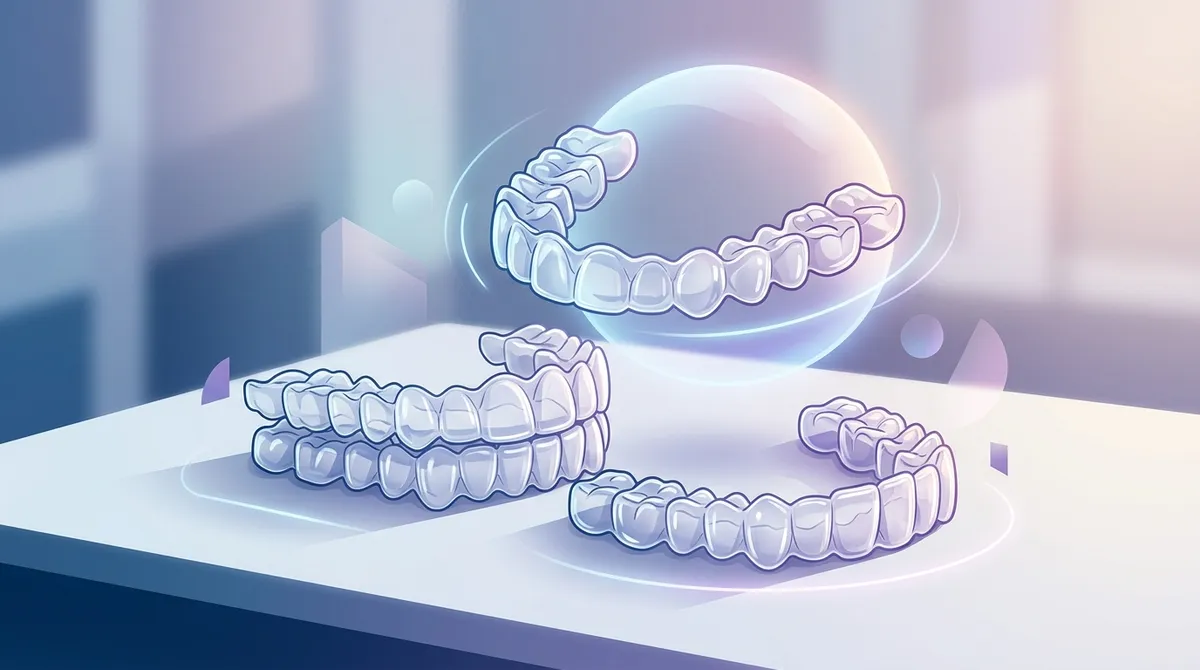
Clear aligners are removable, nearly invisible trays that gradually shift teeth into position. They typically cost between $3,000 and $8,000 when managed by a licensed orthodontist in an office setting. At-home aligner kits may start as low as $1,500, but they lack the in-person supervision necessary to catch complications early. According to the American Association of Orthodontists, professional supervision is critical for safe and effective treatment outcomes. Explore what clear aligners can do for your smile by visiting our clear aligners service page.
4. Lingual Braces Are the Most Expensive Type
Lingual braces are placed on the inside surface of the teeth, making them completely hidden from view. Because of the high degree of customization and the technical skill required for placement, lingual braces are the most expensive option available. Costs typically range from $8,000 to $10,000 or more. They are best suited for patients who need full correction but want a completely invisible appliance. Not every practice offers lingual braces, so it is worth asking about availability during your consultation.
5. Treatment Complexity Significantly Affects the Price
The severity of your orthodontic needs plays a major role in determining the final cost. Minor cases such as slight crowding or spacing may fall in the range of $3,000 to $4,500. Moderate cases average around $5,000 to $6,000. Severe cases involving significant bite issues, jaw misalignment, or complex tooth movement can exceed $8,000. A thorough evaluation by a board-certified orthodontist will help determine which category applies to you. Review our resource on how much braces cost in 2026 for a detailed pricing breakdown.
| Braces Type | Cost Range (2026) | Best For |
|---|---|---|
| Metal Braces | $3,000 – $7,000 | Budget-conscious patients, complex cases |
| Ceramic Braces | $4,000 – $8,500 | Teens and adults wanting subtle look |
| Clear Aligners | $3,000 – $8,000 | Mild to moderate cases, removable option |
| Lingual Braces | $8,000 – $10,000+ | Patients wanting fully hidden braces |
6. Location Affects Braces Cost by 20–30%
Where you live has a real impact on what you pay for orthodontic treatment. Urban areas and regions with higher costs of living tend to charge 20–30% more than rural areas. For example, the average cost of metal braces in California is $6,087, while New York averages $5,807, and Nevada reaches as high as $8,350. In Florida, families in the Westchase and Brandon areas benefit from competitive pricing and expert care. Understanding regional pricing helps you evaluate whether a quote is fair for your area.
7. Dental Insurance Can Reduce Your Out-of-Pocket Costs
Many dental insurance plans include an orthodontic benefit, especially for patients under 18. On average, insurance can reduce out-of-pocket expenses to as low as $1,500 to $3,750 for metal braces and $1,500 to $3,500 for clear aligners. It is important to review your plan details carefully, as many policies have a lifetime orthodontic maximum of $1,000 to $2,500. The American Dental Association recommends confirming your benefits before starting treatment. For a detailed explanation, visit our page on how dental insurance covers orthodontic treatment.
| Braces Type | Full Cost | After Insurance (Estimated) |
|---|---|---|
| Metal Braces | $3,000 – $7,000 | $1,500 – $3,750 |
| Ceramic Braces | $4,000 – $8,500 | $2,000 – $5,000 |
| Clear Aligners | $3,000 – $8,000 | $1,500 – $3,500 |
8. Monthly Payment Plans Make Braces More Accessible
Most orthodontic practices offer flexible financing to spread the cost of treatment over time. For a $5,000 treatment plan, monthly payments typically range from $100 to $250 over 24 months. Some practices offer interest-free financing for qualified patients. This approach allows families to start treatment without waiting to save the full amount upfront. At Chacon Orthodontics, patients can explore personalized orthodontic payment plans designed to fit a wide range of budgets.
9. Age of the Patient Can Influence Total Cost
Starting orthodontic treatment at the right age can actually save money in the long run. Early intervention for children, typically between ages 7 and 10, can address developing issues before they become more complex and costly. The American Association of Orthodontists recommends an initial orthodontic evaluation by age 7. For teens, treatment during the growth years tends to be more efficient and less expensive than adult treatment. For families with young children, our early orthodontic treatment guide explains the benefits clearly. Adults can also achieve excellent results, though treatment may take longer, impacting overall cost.
10. Retainers Are an Additional Cost After Treatment
Once braces or aligners are removed, retainers are essential to maintain your results. The cost of retainers is not always included in the initial braces estimate. Fixed retainers typically cost $250 to $500, while removable retainers range from $100 to $300 per arch. It is important to ask your orthodontist whether retainers are included in the treatment fee. Learn more about your options by visiting our dedicated retainers page.
| Retainer Type | Cost Range | Notes |
|---|---|---|
| Fixed (Bonded) Retainer | $250 – $500 | Permanent, attached to back of teeth |
| Removable Hawley Retainer | $150 – $300 per arch | Durable, adjustable wire-and-acrylic design |
| Clear Plastic Retainer | $100 – $250 per arch | Discreet, must be replaced periodically |
11. A Free Consultation Is the Best First Step
Before committing to any treatment, a free consultation gives you a full picture of your options and expected costs. During your visit, you will receive a clinical exam, learn about the recommended treatment plan, and get a clear cost estimate with financing options. At Chacon Orthodontics, Dr. Omar Chacon provides personalized consultations in English and Spanish at locations in Westchase and Brandon, Florida. There is no pressure and no obligation. You can also visit us on Google to read reviews from patients who have gone through the same process. For teens, check out our teen orthodontic treatment page for more details on options suited to active lifestyles.
Factors That Affect Braces Cost at a Glance
Understanding the key drivers of orthodontic pricing helps you prepare for your financial planning. Here is a summary of the most important factors to consider:
- Type of braces: Metal, ceramic, clear aligners, or lingual braces each carry a different price point.
- Severity of your case: More complex alignment or bite issues require longer, more intensive treatment.
- Geographic location: Costs vary significantly by state and city.
- Orthodontist experience: Board-certified specialists often provide superior outcomes that justify their fees.
- Insurance coverage: Orthodontic benefits vary widely between plans and carriers.
- Payment plan availability: In-house financing options can make monthly costs very manageable.
For working adults weighing their choices, our resource on how to choose the right adult braces for your lifestyle provides practical guidance. Spanish-speaking families can also benefit from the warm, bilingual care offered at both Chacon Orthodontics locations. If you want to explore how insurance factors in further, our detailed article on dental insurance for orthodontics covers 14 important facts to know.
Tips for Making Braces More Affordable
Paying for orthodontic treatment does not have to be overwhelming. Here are practical steps you can take to reduce your out-of-pocket expenses:
- Review your dental insurance plan and confirm your orthodontic lifetime maximum before scheduling treatment.
- Ask about in-house payment plans that allow monthly installments with little or no interest.
- Use a Flexible Spending Account (FSA) or Health Savings Account (HSA) to pay for orthodontic treatment with pre-tax dollars.
- Consider starting treatment for children early to avoid more complex and costly corrections later.
- Schedule a free consultation to get a personalized estimate with no financial commitment.
Our guide on 6 braces financing options that make treatment affordable explores each of these strategies in greater depth. Families in the Tampa Bay area can also browse affordable braces in Westchase to see how local pricing compares to national averages.
Conclusion
The cost of braces in 2026 varies widely depending on the type of treatment, the complexity of your case, your location, and the financing options available to you. Metal braces remain the most affordable at $3,000 to $7,000, while premium options like lingual braces can exceed $10,000. Insurance and payment plans can dramatically reduce what you pay each month. The smartest first step is to schedule a professional evaluation so you can receive a personalized treatment plan and cost estimate.
Ready to find out exactly what your orthodontic treatment will cost? Schedule your free consultation at Chacon Orthodontics in Westchase or Brandon, Florida, and take the first step toward a healthier, more confident smile today.
FAQs
Q: How much do braces cost on average in 2026?
A: The national average cost of braces in 2026 ranges from $5,108 to $9,221, depending on the type of treatment and complexity of the case. Metal braces are the most affordable option, typically starting at $3,000, while lingual braces can exceed $10,000.
Q: Does dental insurance cover the cost of braces?
A: Many dental insurance plans include an orthodontic benefit that can reduce out-of-pocket costs significantly. After insurance, patients often pay between $1,500 and $3,750 for metal braces, depending on their plan’s lifetime orthodontic maximum.
Q: Are clear aligners cheaper than traditional braces?
A: Clear aligners and traditional metal braces have overlapping price ranges, both starting around $3,000. However, clear aligner costs can reach $8,000 for complex cases, while metal braces tend to remain more affordable at the higher end of treatment needs.
Q: How much do braces cost per month with a payment plan?
A: For a typical $5,000 treatment plan, monthly payments generally range from $100 to $250 over a 24-month period. Many orthodontic practices offer interest-free financing options for qualified patients to help make treatment more accessible.
Q: What factors affect the total cost of orthodontic treatment?
A: The main factors include the type of braces selected, the severity of the orthodontic case, the patient’s geographic location, the orthodontist’s experience and credentials, and whether dental insurance benefits are available. A personalized consultation is the best way to get an accurate cost estimate.