
Key Takeaways
-
Adult orthodontic treatment offers multiple options tailored to professional needs, budget, and aesthetic preferences.
-
Braces effectiveness depends on patient compliance, with treatment duration ranging from 12-36 months based on dental complexity.
-
Metal, ceramic, lingual, and clear aligners each offer unique benefits for addressing spacing, crowding, and bite issues.
-
Costs vary from $3,000-$7,000, with financing options like payment plans, insurance, and HSA/FSA accounts available.
-
Proper retention through long-term retainer use is crucial to maintain orthodontic treatment results and prevent teeth shifting.
Deciding to straighten your teeth as an adult represents a significant investment in both your oral health and confidence. Unlike teenagers whose orthodontic treatment is often determined by their parents, adults have the unique advantage of selecting from multiple treatment options that align with their professional life, budget, and aesthetic preferences. With one in three orthodontic patients now being adults, the orthodontic industry has evolved to meet the specific needs of mature patients, offering solutions that range from nearly invisible aligners to advanced bracket systems. Understanding the available options and how each fits into your daily routine is essential for making an informed decision that you’ll be satisfied with throughout your treatment journey.
The process of selecting adult braces involves more than simply choosing the least visible option. You’ll need to consider factors such as treatment duration, maintenance requirements, dietary restrictions, cost, and the severity of your dental concerns. Whether you’re addressing gaps, overcrowding, bite issues, or simply seeking a more confident smile, the right orthodontic solution exists for your unique situation. This comprehensive guide will walk you through the decision-making process, helping you evaluate each option against your lifestyle needs and orthodontic goals.

Understanding Why Adult Orthodontics Differs from Teen Treatment
Adult orthodontics presents unique considerations that distinguish it from adolescent treatment. As we age, our jaw bones become denser and less malleable, which can extend treatment duration compared to younger patients. However, this doesn’t diminish the effectiveness of orthodontic intervention. Adults bring distinct advantages to their treatment, including greater commitment to oral hygiene protocols, consistent appointment attendance, and realistic expectations about outcomes. These factors often contribute to successful results despite the physiological differences.
Another critical distinction involves pre-existing dental work. Many adults have crowns, bridges, implants, or previous dental restorations that require special consideration during orthodontic planning. Your orthodontist must account for these existing structures when designing your treatment plan. Additionally, adults are more likely to have experienced bone loss or gum recession, conditions that require careful management during tooth movement. Comprehensive orthodontic evaluation addresses these concerns before treatment begins, ensuring that your plan accommodates your complete dental history.
The motivations behind adult orthodontic treatment also differ significantly. While teenagers typically receive braces primarily for functional correction, adults often pursue treatment for a combination of aesthetic, professional, and health-related reasons. Many professionals recognize that a confident smile can positively impact career advancement and social interactions. Others seek treatment to address jaw pain, uneven tooth wear, or difficulty chewing that has developed over time. This multifaceted motivation often results in higher treatment satisfaction rates among adult patients.
Evaluating Traditional Metal Braces for Adult Patients
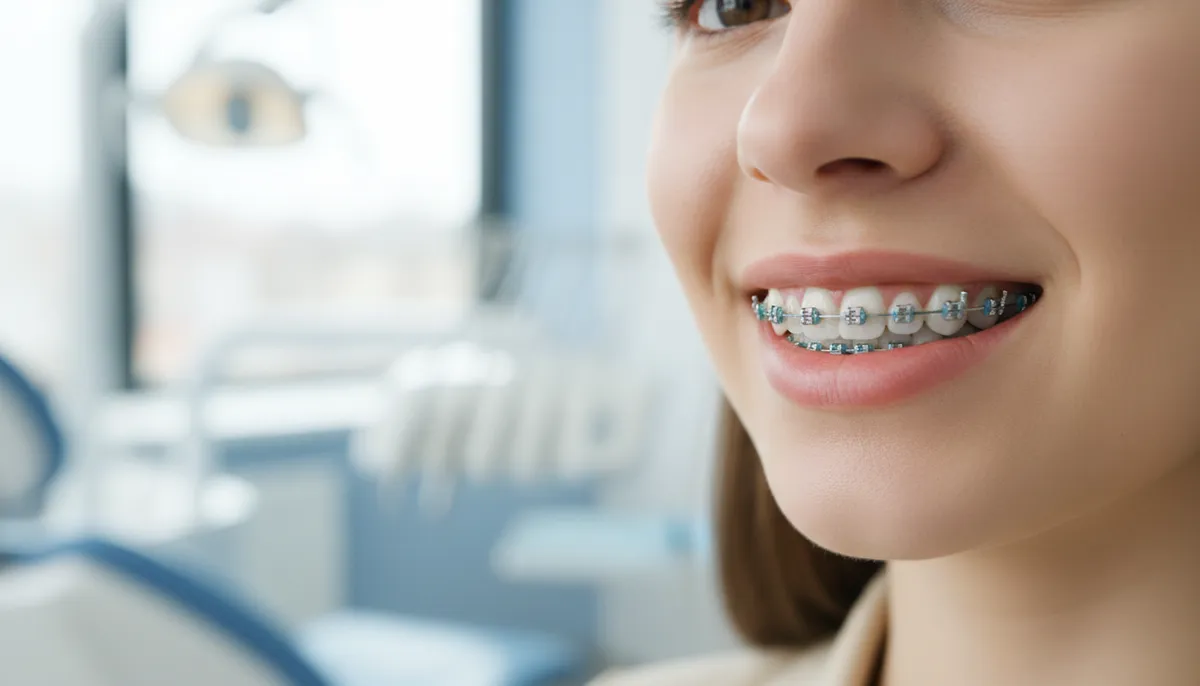
Traditional metal braces remain a viable and effective option for adults, particularly those with complex orthodontic issues. Modern metal braces are significantly smaller and more comfortable than their predecessors from decades past. These systems consist of stainless steel brackets bonded to each tooth, connected by an archwire that applies consistent pressure to gradually shift teeth into proper alignment. Metal braces are generally more affordable than alternative options and can be adjusted more quickly during appointments, potentially reducing overall treatment time.
The primary advantage of metal braces lies in their effectiveness for severe misalignment cases. They provide orthodontists with precise control over tooth movement in all directions, making them ideal for correcting complex bite issues, significant crowding, or large gaps. Metal braces work continuously, twenty-four hours a day, without relying on patient compliance for wearing hours. This constant force application can lead to predictable results within the estimated treatment timeline, typically ranging from eighteen to thirty-six months depending on case complexity.
Despite their effectiveness, metal braces present aesthetic concerns for some adults. The visible nature of metal brackets and wires may feel conspicuous in professional settings or social situations. However, many adults embrace this visibility, viewing their braces as a temporary investment in long-term confidence. Maintenance requires diligent oral hygiene, as brackets create additional surfaces where food particles and plaque can accumulate. You’ll need to avoid certain foods that could damage brackets, including hard candies, popcorn kernels, and sticky substances. Regular adjustment appointments every four to eight weeks ensure treatment progresses as planned.
Exploring Ceramic Braces as a Discreet Alternative
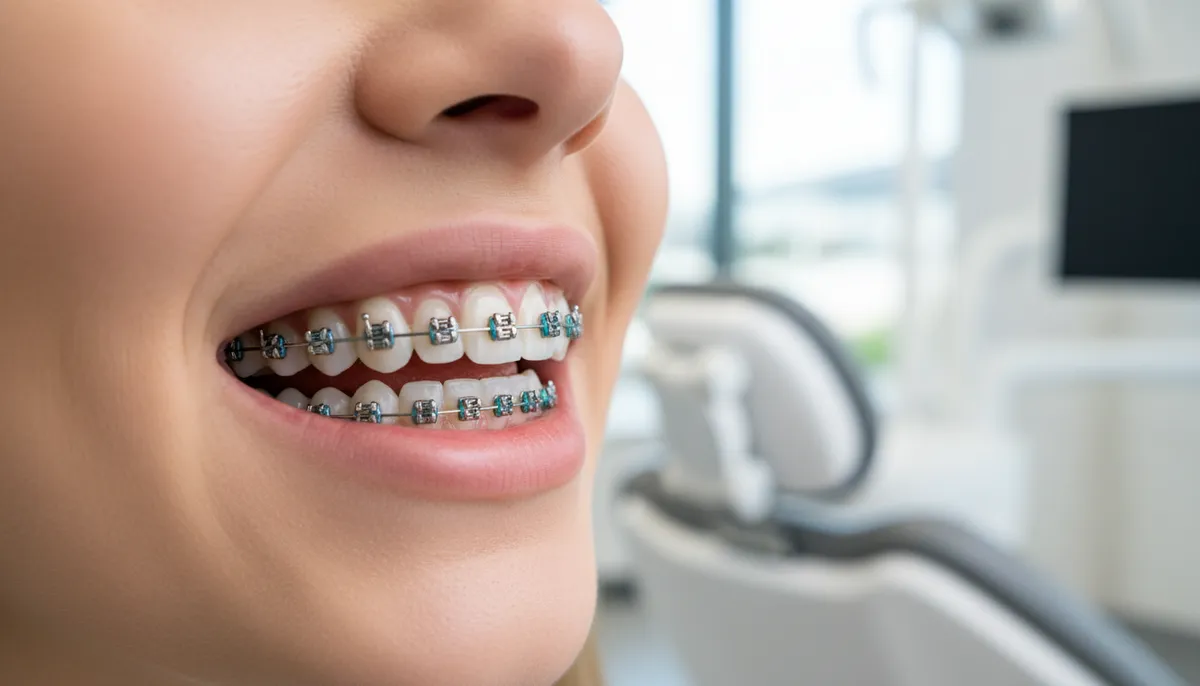
Ceramic braces offer a middle ground between the effectiveness of traditional braces and the discretion many adults desire. These systems function identically to metal braces but utilize tooth-colored or clear ceramic brackets that blend with your natural tooth enamel. The reduced visibility makes ceramic braces particularly appealing for adults in client-facing professions or those who prefer a less noticeable orthodontic appliance. From a distance, ceramic braces are often virtually undetectable, allowing you to undergo treatment without feeling self-conscious about your appearance.
The ceramic material used in these brackets is designed to resist staining throughout treatment, though the elastic ligatures that hold the archwire in place may discolor between appointments if exposed to staining substances like coffee, red wine, or curry. Many orthodontists now offer white or clear archwires to further minimize visibility, creating an extremely subtle orthodontic system. The treatment process and effectiveness mirror that of metal braces, providing comprehensive correction for moderate to severe orthodontic concerns.
Cost represents the primary consideration when choosing ceramic over metal braces. Ceramic brackets typically cost more due to the specialized materials and manufacturing processes involved. Additionally, ceramic brackets are more brittle than metal counterparts, requiring patients to exercise extra caution to prevent breakage. Despite these considerations, many adults find the aesthetic benefits worth the additional investment. Consultation with an experienced orthodontist can help you determine whether ceramic braces align with your budget and treatment goals.
Considering Lingual Braces for Complete Invisibility
Lingual braces represent the most discreet traditional bracing option available, as they’re attached to the back surfaces of your teeth rather than the front. This positioning renders them completely invisible to others, making them ideal for adults who require the effectiveness of fixed braces but cannot compromise on aesthetics due to professional or personal preferences. Actors, models, musicians, and professionals in highly visible positions often choose lingual braces for this reason.
The customization process for lingual braces is more complex than traditional options. Orthodontists create precise digital models of your teeth to fabricate custom brackets that fit the unique contours of each tooth’s back surface. This personalization ensures optimal comfort and effectiveness despite the challenging positioning. Treatment duration with lingual braces is comparable to conventional braces, though adjustment appointments may take slightly longer due to the complexity of accessing brackets positioned behind your teeth.
Lingual braces do present an adjustment period that patients should anticipate. The proximity of brackets to your tongue can initially affect speech patterns and cause temporary irritation until your tongue adapts to the new hardware. Oral hygiene requires extra diligence and specialized tools to effectively clean around brackets you cannot easily see. The cost of lingual braces typically exceeds other orthodontic options due to the customization required and the specialized training orthodontists need to place and adjust them effectively. Despite these considerations, many adults find the complete invisibility justifies the additional investment and adaptation period.
Analyzing Clear Aligners for Maximum Flexibility
Clear aligners have revolutionized adult orthodontics by offering a removable, nearly invisible treatment option. Systems like Invisalign use a series of custom-fabricated plastic trays that gradually shift teeth into proper alignment. Each set of aligners is worn for approximately two weeks before progressing to the next in the series. The clear plastic material is virtually undetectable when worn, allowing adults to undergo treatment without others noticing. This discretion makes clear aligners extremely popular among professionals and image-conscious adults.
The removability of clear aligners provides significant lifestyle advantages. You can remove aligners for eating, allowing you to enjoy all foods without restrictions. This feature eliminates the dietary limitations associated with fixed braces. Oral hygiene is also simplified, as you can brush and floss normally without navigating around brackets and wires. For special occasions like weddings, presentations, or photographs, you have the option to temporarily remove your aligners, though this should be done sparingly to maintain treatment progress.
The effectiveness of clear aligners depends heavily on patient compliance. You must wear your aligners for twenty to twenty-two hours daily to achieve the predicted results within the estimated timeline. Failing to wear aligners as prescribed can extend treatment duration significantly or compromise final outcomes. Clear aligners work best for mild to moderate orthodontic concerns, including spacing issues, minor crowding, and certain bite irregularities. Complex cases involving severe rotation, significant bite discrepancies, or extensive tooth movement may require traditional braces for optimal results. Chacon Orthodontics offers comprehensive assessments to determine whether clear aligners are appropriate for your specific orthodontic needs.
Assessing Treatment Duration and Commitment Requirements
Understanding the time commitment required for orthodontic treatment helps set realistic expectations and allows you to plan accordingly. Treatment duration varies considerably based on the severity of your orthodontic concerns, the type of appliance selected, and your compliance with treatment protocols. Simple spacing or minor alignment issues may resolve in twelve to eighteen months, while complex bite corrections or severe crowding can require twenty-four to thirty-six months or longer.
Your orthodontist will provide an estimated treatment timeline during your initial consultation, though this estimate may be adjusted as treatment progresses. Several factors can influence actual treatment duration. Inconsistent aligner wear, missed appointments, or broken brackets can extend treatment beyond initial projections. Conversely, excellent oral hygiene, consistent appliance wear, and strong bone response to tooth movement can sometimes shorten treatment timelines. Regular communication with your orthodontist about any concerns or complications ensures treatment stays on track.
Beyond the active treatment phase, retention represents a crucial commitment that many adults overlook. After your braces are removed or you complete your aligner series, you’ll need to wear retainers to maintain your new tooth positions. Initially, retainers are typically worn full-time, gradually transitioning to night-time wear. Long-term retainer use is often recommended indefinitely, as teeth naturally tend to shift throughout life. Understanding this lifetime commitment to retention helps ensure your investment in orthodontic treatment delivers lasting results.
Navigating Cost Considerations and Payment Options
The financial investment in adult braces varies significantly based on treatment type, case complexity, geographic location, and treatment duration. Traditional metal braces typically represent the most affordable option, with costs generally ranging from three thousand to seven thousand dollars. Ceramic braces usually cost slightly more due to the specialized materials, while lingual braces command premium pricing due to customization requirements. Clear aligner systems fall in the mid to upper price range, depending on case complexity and the number of aligners required.
Many factors beyond the appliance type influence total treatment cost. Complex cases requiring longer treatment duration, additional appliances like elastics or temporary anchorage devices, or pre-treatment procedures such as tooth extractions will increase overall expenses. Some adults require two-phase treatment, addressing different concerns sequentially, which extends both timeline and cost. Your orthodontist will provide a comprehensive treatment plan with detailed cost breakdown during your consultation, allowing you to make informed financial decisions.
Fortunately, numerous payment options make adult orthodontics accessible regardless of budget constraints. Many orthodontic practices offer in-house financing with monthly payment plans that distribute costs over the treatment duration, often without interest charges. Third-party healthcare financing companies provide longer-term payment options with various interest rates and terms. Some dental insurance plans include orthodontic coverage for adults, though benefits are typically less generous than pediatric coverage. Health Savings Accounts (HSAs) and Flexible Spending Accounts (FSAs) allow you to use pre-tax dollars for orthodontic treatment, providing significant savings. Visit us on Google to read reviews from patients who have successfully navigated the financial aspects of their orthodontic journey.
Addressing Bite Correction and Complex Orthodontic Issues
Beyond cosmetic alignment, many adults require orthodontic treatment to address functional bite problems that impact oral health and quality of life. Malocclusions, or improper bites, come in several forms including overbites, underbites, crossbites, and open bites. These conditions can cause uneven tooth wear, jaw pain, difficulty chewing, speech impediments, and increased risk of tooth decay or gum disease. Correcting bite issues through orthodontic treatment can alleviate these symptoms while improving your smile’s appearance.
Treating complex bite problems often requires additional appliances beyond braces or aligners. Elastics, or rubber bands, connect upper and lower teeth to apply targeted forces that shift your jaw relationship. These elastics must be worn consistently as prescribed to achieve desired results. In some cases, orthodontists use temporary anchorage devices (TADs), which are small titanium screws placed in the jawbone to provide stable anchor points for tooth movement. Though this sounds intimidating, TAD placement is a quick, minimally invasive procedure performed under local anesthesia.
Severe skeletal discrepancies may require orthognathic surgery in combination with orthodontic treatment. This surgical orthodontic approach repositions the jaw bones themselves to correct significant imbalances that cannot be addressed through tooth movement alone. Your orthodontist works closely with an oral surgeon to coordinate treatment timing, with braces typically worn before and after surgery to optimize results. While surgical orthodontics represents the most intensive treatment option, it can dramatically improve both function and aesthetics for patients with severe jaw discrepancies.
Managing Orthodontic Treatment Alongside Existing Dental Work
Adults frequently have existing dental restorations that require special consideration during orthodontic treatment. Crowns, bridges, veneers, and implants present unique challenges but don’t necessarily prevent orthodontic intervention. Your orthodontist must carefully evaluate how existing dental work will respond to orthodontic forces and whether modifications to your treatment plan are necessary. This comprehensive assessment ensures your restorations remain intact throughout treatment while still achieving desired tooth movement.
Dental implants cannot be moved orthodontically because they’re fused directly to the jawbone, unlike natural teeth which have a periodontal ligament allowing movement. This means your orthodontist must design your treatment plan around implant positions, using them as stable anchor points. In some cases, the position of existing implants may limit treatment options or final outcomes. Crowns and veneers can typically accommodate orthodontic brackets, though special bonding techniques may be required to ensure brackets adhere properly to porcelain or metal surfaces.
Patients with significant periodontal disease require gum treatment before beginning orthodontics. Moving teeth through inflamed or diseased gum tissue can accelerate bone loss and compromise both orthodontic outcomes and long-term tooth health. Your orthodontist may coordinate with your general dentist or periodontist to ensure your gums are healthy before treatment begins. Once periodontal health is established, orthodontic treatment can often proceed successfully, with careful monitoring throughout to ensure gum health is maintained.
Maximizing Treatment Success Through Patient Compliance
The success of your orthodontic treatment depends significantly on your commitment to following prescribed protocols. With fixed braces, this means maintaining excellent oral hygiene, attending all scheduled appointments, and avoiding foods that could damage brackets. Brushing after every meal and flossing daily prevents plaque accumulation around brackets that could lead to decalcification or cavities. Using specialized orthodontic cleaning tools like interdental brushes and floss threaders makes thorough cleaning more manageable.
For clear aligner patients, compliance centers on consistent wear time. Failing to wear aligners for the prescribed twenty to twenty-two hours daily will delay treatment progress and may compromise final results. Establishing a routine helps ensure compliance—wearing aligners immediately after meals, carrying your aligner case to prevent loss, and setting phone reminders can all support consistent wear. Tracking apps provided by aligner companies can help monitor wear time and keep you accountable to your treatment goals.
Communication with your orthodontic team is essential throughout treatment. Report any issues promptly, including broken brackets, lost aligners, persistent discomfort, or concerns about treatment progress. Most problems are easily resolved when addressed quickly but can become significant complications if ignored. Ask questions during appointments to ensure you understand care instructions and treatment expectations. Your orthodontist is your partner in achieving optimal results, and open communication facilitates the best possible outcome.
Conclusion: Making Your Decision with Confidence
Choosing the right adult braces requires careful consideration of multiple factors including aesthetics, effectiveness, lifestyle compatibility, cost, and treatment goals. Each orthodontic option offers distinct advantages and limitations, making it essential to evaluate how each aligns with your priorities. Traditional metal braces provide comprehensive correction at an accessible price point but with maximum visibility. Ceramic and lingual braces offer discretion while maintaining the effectiveness of fixed appliances. Clear aligners deliver convenience and near-invisibility for appropriate cases but require disciplined compliance.
Your decision should be informed by a thorough consultation with an experienced orthodontist who can assess your specific needs and recommend appropriate treatment options. Chacon Orthodontics in Westchase, Florida specializes in adult orthodontic treatment, offering personalized care that addresses both functional and aesthetic concerns. Their team understands the unique considerations adults face when pursuing orthodontic treatment and provides tailored solutions that fit your lifestyle and goals.
Remember that orthodontic treatment represents an investment in your long-term oral health, not just cosmetic improvement. Properly aligned teeth are easier to clean, reducing your risk of gum disease and tooth decay. Corrected bite function can alleviate jaw pain, reduce uneven tooth wear, and improve chewing efficiency. The confidence gained from a beautiful smile can positively impact personal relationships and professional opportunities. With modern orthodontic options designed specifically for adult needs, there’s never been a better time to pursue the smile you’ve always wanted. Take the first step by scheduling a consultation to explore which treatment option is right for you.
FAQs
Q: What types of braces work best for adults with professional careers?
A: Clear aligners and ceramic braces are excellent choices for professionals who need discretion. Clear aligners like Invisalign are nearly invisible and removable for important meetings, while ceramic braces blend with your natural tooth color. Lingual braces, placed behind teeth, offer complete invisibility but come at a premium cost. The best option depends on your specific orthodontic needs and budget.
Q: How long does orthodontic treatment typically take for adults?
A: Adult orthodontic treatment duration varies from 12 to 36 months depending on case complexity. Simple spacing or minor alignment issues may resolve in 12-18 months, while complex bite corrections or severe crowding typically require 24-36 months. Treatment time also depends on the appliance type and your compliance with wear instructions and appointment schedules.
Q: Can I get braces if I have crowns, implants, or other dental work?
A: Yes, existing dental work doesn’t necessarily prevent orthodontic treatment. However, it requires special consideration during treatment planning. Dental implants cannot be moved and serve as anchor points, while crowns and bridges can typically accommodate brackets with specialized bonding techniques. Your orthodontist will evaluate your existing dental work and create a customized treatment plan that works around these restorations.
Q: Are clear aligners as effective as traditional braces for adults?
A: Clear aligners are highly effective for mild to moderate orthodontic issues including spacing, minor crowding, and certain bite irregularities. However, traditional braces remain superior for complex cases involving severe rotation, significant bite discrepancies, or extensive tooth movement. The effectiveness of clear aligners also depends on patient compliance—you must wear them 20-22 hours daily for optimal results.
Q: What is the average cost of adult braces and are payment plans available?
A: Adult braces typically cost between $3,000 and $8,000 depending on treatment type and complexity. Traditional metal braces are generally most affordable, while lingual braces command premium pricing. Most orthodontic practices offer flexible payment plans, often interest-free when distributed over the treatment period. Many also accept HSA/FSA accounts, and some dental insurance plans provide partial adult orthodontic coverage.