
Key Takeaways
-
Invisible aligners must be professionally supervised by a licensed orthodontist, not mail-order kits, to avoid serious risks like bone loss, root damage, and improper tooth movement according to the American Dental Association.
-
Treatment typically takes 6-18 months with an average of 13.5 months, requiring 20-22 hours daily wear and switching trays every 1-2 weeks for optimal results.
-
Invisible aligners work well for teens and adults with mild to moderate misalignment including crowding, gaps, and bite issues, but children under 13-14 may not be suitable candidates due to developing teeth.
-
Invisible aligners cost between $2,000-$8,000+ depending on case complexity, with many orthodontic offices offering financing options and insurance coverage to make treatment more affordable.
More people than ever are choosing invisible aligners to straighten their teeth. And it is easy to see why. These clear, removable trays offer a discreet way to get a confident smile without metal wires or brackets. Whether you are a working adult, a teen, or a parent exploring options for your child, invisible aligners may be the right fit. The U.S. clear aligner market was valued at $3.52 billion in 2024 and is projected to reach nearly $40 billion by 2033. That kind of growth reflects just how popular this treatment has become. But before you commit, it helps to understand exactly how the process works, what to expect, and how to find the right provider. Here are nine essential things to know about invisible aligners in 2026.
1. What Invisible Aligners Actually Are
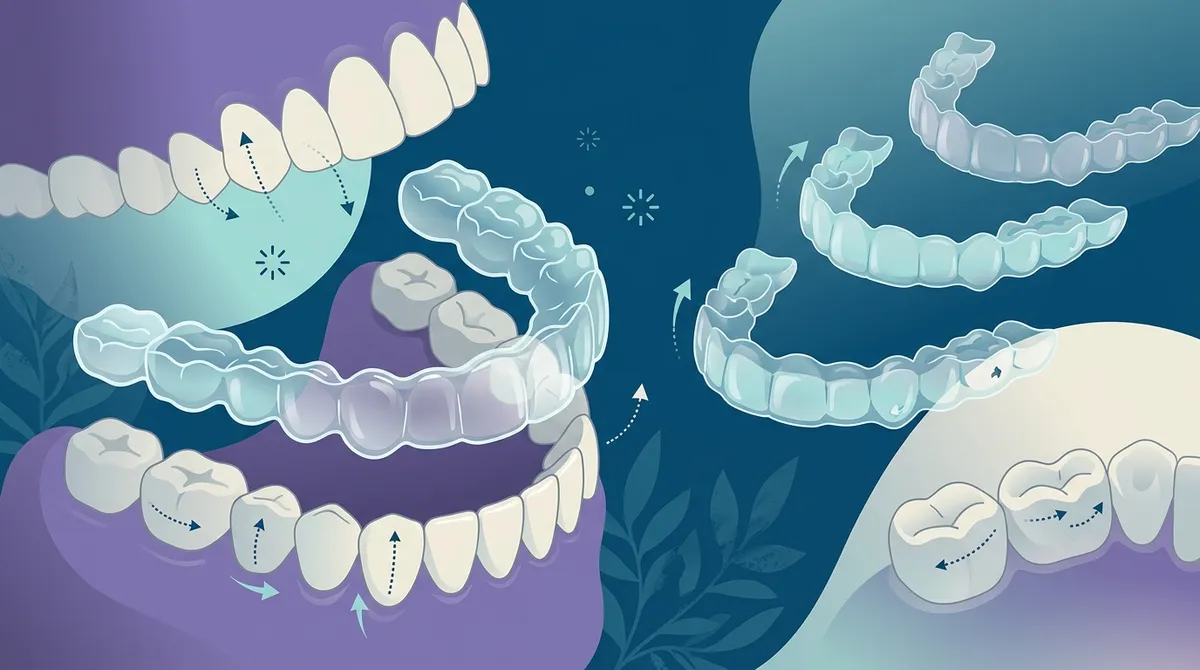
Invisible aligners are custom-made, clear plastic trays that fit snugly over your teeth. They work by applying gentle, consistent pressure to gradually shift your teeth into their correct positions. Unlike metal braces, they are nearly impossible to detect when worn. They are also removable, which makes eating, brushing, and flossing much easier.
Each set of trays is designed specifically for your mouth using digital scans. You wear each set for about one to two weeks before moving on to the next in the series. Over time, your teeth move into proper alignment. You can learn more about how this works by visiting the Clear Aligners page at Chacon Orthodontics.

2. How the Treatment Process Works
Getting invisible aligners starts with a consultation and a digital 3D scan of your teeth. No messy impressions are needed. The scan data is used to map out your personalized treatment plan, showing exactly how your teeth will move from start to finish.
Here is what the process typically looks like:
- Initial consultation: A licensed orthodontist evaluates your teeth and discusses your goals.
- Digital scanning: A 3D image of your mouth is captured for precision planning.
- Custom tray fabrication: Your aligners are created specifically for your teeth.
- Treatment begins: You wear your aligners 20 to 22 hours per day, switching trays every one to two weeks.
- Progress check-ins: You visit your orthodontist regularly to ensure everything is on track.
- Retention phase: After treatment, you wear a retainer to maintain your results.
3. How Long Treatment Takes
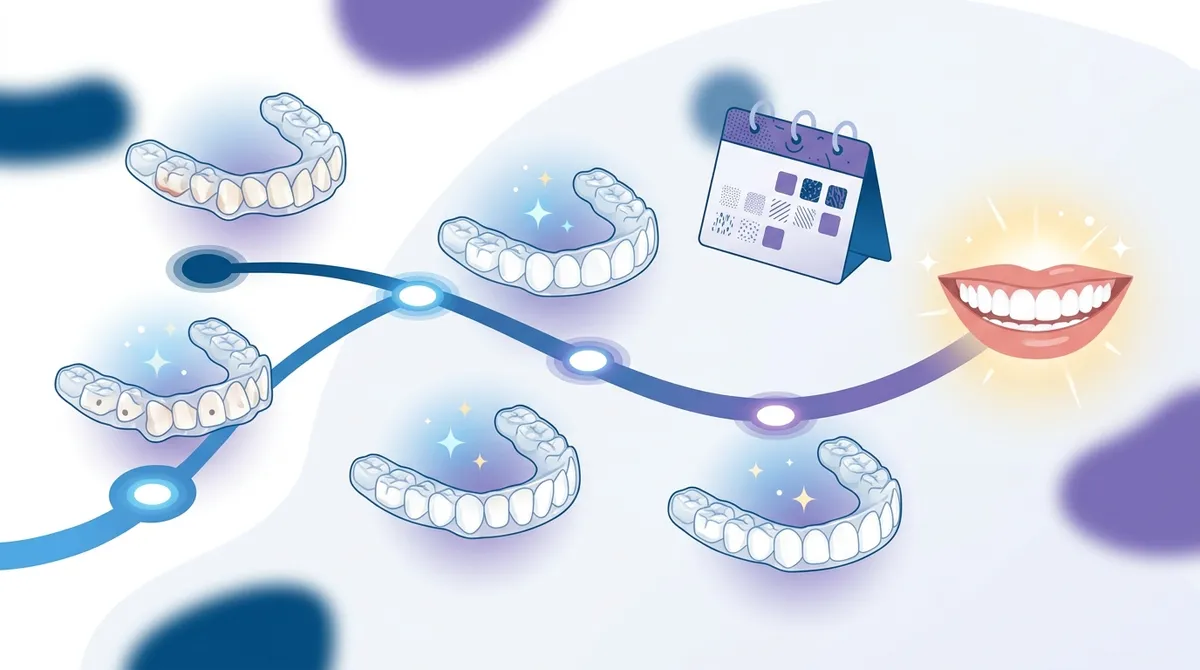
Treatment time depends on the complexity of your case. Most patients complete treatment in 6 to 18 months. The average treatment time across patients is approximately 13.5 months. Mild cases with minor spacing or crowding may take as little as six months. More complex movements can take longer.
Your orthodontist will give you a clear timeline during your initial visit. Consistency is key. The more you wear your aligners as directed, the faster and more accurate your results will be.

4. Who Is a Good Candidate
Invisible aligners work for a wide range of patients and conditions. They are suitable for teens and adults dealing with:
- Crowded or crooked teeth
- Gaps between teeth
- Overbite, underbite, or crossbite
- Open bite
- Mild to moderate misalignment
Children younger than 13 or 14 may not yet be ready for aligners due to still-developing teeth. However, early orthodontic evaluations are still recommended. The Children page at Chacon Orthodontics explains what to expect for younger patients. Teens can often use aligners successfully, especially with the added accountability features built into modern treatment systems. Visit the Teens page to learn more.
5. Invisible Aligners vs. Traditional Braces
Many patients wonder how invisible aligners compare to traditional braces. The table below outlines the key differences to help you make an informed decision.
| Feature | Invisible Aligners | Traditional Braces |
|---|---|---|
| Appearance | Nearly invisible | Visible metal or ceramic |
| Removability | Yes, for eating and cleaning | No, fixed to teeth |
| Oral hygiene | Easier to brush and floss | More challenging around brackets |
| Comfort | Smooth plastic, no wires | Can cause irritation |
| Suitable for complex cases | Mild to complex | Mild to severe |
| Treatment time | 6 to 18 months on average | 18 to 36 months on average |
| Office visits | Less frequent | More frequent adjustments |
Both options are effective. The right choice depends on your specific dental needs, lifestyle, and goals. Patients who value discretion and flexibility often prefer invisible aligners. Those with more severe misalignment may benefit from custom braces.
6. The Importance of Professional Supervision
One critical point that cannot be overstated: invisible aligners should always be managed by a licensed orthodontist or dentist. Professional oversight ensures that your teeth are moving correctly, that attachments are placed properly, and that any complications are caught early.
Mail-order aligner kits may seem convenient, but they skip the clinical evaluation that protects your oral health. According to guidance from the American Dental Association, unsupervised orthodontic treatment carries real risks including bone loss, root damage, and improper tooth movement. Always work with a qualified provider for the safest and most effective results.
The American Association of Orthodontists also strongly advises patients to seek in-person evaluations before beginning any aligner treatment.
7. Key Advantages of Invisible Aligners
There are many reasons patients choose invisible aligners over other orthodontic options. Here is a quick summary of the top benefits:
- Discreet appearance: The trays are nearly invisible, making them ideal for professionals and image-conscious teens.
- Removability: You can take them out to eat, drink, or clean your teeth without restriction.
- Improved oral hygiene: Brushing and flossing remain straightforward throughout treatment.
- Comfort: Smooth plastic trays cause less irritation than traditional metal components.
- Predictable results: Digital planning allows you to preview your final smile before treatment begins.
- Fewer emergency visits: No broken wires or popped brackets to worry about.
For adult patients especially, these benefits align with both professional and personal lifestyle needs.
8. Technology Behind Modern Invisible Aligners
The technology driving invisible aligners has advanced significantly in recent years. Modern providers use AI-enhanced treatment planning, high-resolution 3D scanners, and advanced aligner materials designed for precise and efficient tooth movement.
| Technology | How It Helps Patients |
|---|---|
| AI treatment planning | Maps tooth movement with greater accuracy |
| 3D digital scanning | Eliminates messy impressions, improves fit |
| Advanced aligner materials | Applies consistent force for faster results |
| Digital smile preview | Lets patients see projected outcomes before starting |
| Reduced wear-time options | Some systems now offer nighttime-only wear for eligible cases |
Chacon Orthodontics uses advanced digital technology to deliver precise, personalized treatment plans. Visit the Technology page to learn more about the tools used at our offices. You can also explore patient testimonials to hear real experiences from people who have been through treatment.
9. Understanding Cost and Financial Options
The cost of invisible aligners varies depending on the complexity of your case, the length of treatment, and your provider’s location. Here is a general breakdown of what to expect in 2026:
| Case Type | Estimated Cost Range | Average Treatment Duration |
|---|---|---|
| Mild (minor spacing/crowding) | $2,000 – $4,000 | 6 – 9 months |
| Moderate (some bite correction) | $4,000 – $6,000 | 9 – 14 months |
| Complex (significant realignment) | $5,500 – $8,000+ | 14 – 18+ months |
Many orthodontic offices offer financing options, payment plans, and insurance coverage to help manage costs. Chacon Orthodontics provides flexible payment plans and accepts many insurance plans. Visit the insurance page to check your coverage. You can also explore the FAQs for more answers about cost and financing.
Choosing the Right Orthodontist for Invisible Aligners
Not all providers are equally experienced with invisible aligners. A board-certified orthodontist brings specialized training that goes beyond general dentistry. When choosing a provider, look for credentials, years of experience, access to modern technology, and a track record of successful outcomes.
Dr. Omar Chacon is a board-certified orthodontist with over 10 years of experience. He leads a bilingual team in Westchase and Brandon, Florida, serving patients in English and Spanish. His approach combines advanced technology with personalized, compassionate care. Learn more about the team at Meet the Team or explore the Why Choose Us page to understand what sets this practice apart. You can also visit us on Google to read reviews from patients in Westchase, Brandon, Tampa, and surrounding areas.
Conclusion
Invisible aligners have transformed the way people approach orthodontic treatment in 2026. They offer a discreet, comfortable, and effective path to a straighter smile, whether you are addressing mild spacing or more complex bite issues. The key is to work with a qualified orthodontist who can guide your treatment safely and precisely from start to finish. With the right provider and commitment to wearing your aligners as directed, you can achieve lasting, confident results. If you are ready to take the first step, schedule your free consultation with Chacon Orthodontics today and discover what invisible aligners can do for your smile.
FAQs
Q: How do invisible aligners differ from traditional metal braces?
A: Invisible aligners are clear, removable plastic trays that are nearly undetectable when worn, while traditional braces use fixed metal brackets and wires. Aligners allow you to remove them for eating and oral hygiene, which many patients find more convenient and comfortable throughout treatment.
Q: Are invisible aligners suitable for all age groups?
A: Invisible aligners are most commonly recommended for teens and adults. Younger children may not yet be ideal candidates due to still-developing teeth. A board-certified orthodontist can evaluate your child’s readiness and recommend the most appropriate treatment option during a consultation.
Q: How many hours per day must invisible aligners be worn?
A: For optimal results, invisible aligners should be worn 20 to 22 hours per day. They should only be removed for eating, drinking anything other than water, and performing oral hygiene. Consistent wear is essential for keeping your treatment on schedule.
Q: Is it safe to use mail-order aligner kits instead of visiting an orthodontist?
A: Mail-order aligners are not recommended by the American Dental Association or the American Association of Orthodontists. Without in-person clinical evaluation and professional supervision, there is a risk of improper tooth movement, root damage, and other complications. Professional oversight is essential for safe and effective results.
Q: What happens after invisible aligner treatment is complete?
A: Once your aligner treatment concludes, your orthodontist will provide a retainer to maintain your newly aligned teeth. Without a retainer, teeth can gradually shift back toward their original positions. Retainer wear is a critical final step in protecting your investment and preserving your smile long-term.