Key Takeaways
-
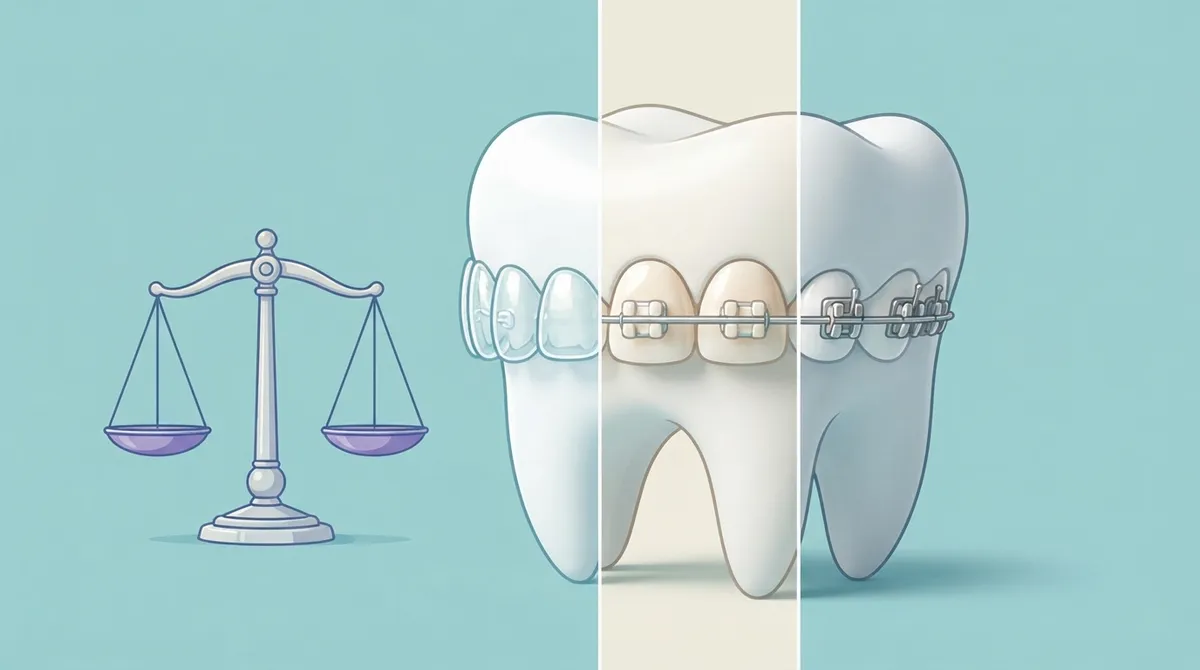
Three main braces alternatives exist: clear aligners (removable trays), ceramic braces (tooth-colored brackets, fixed), and lingual braces (fixed, attached behind the teeth).
-
Clear aligners must be worn about 20 to 22 hours a day per the American Association of Orthodontists, so they only work if you consistently keep them in.
-
Ceramic and lingual braces stay on 24 hours a day, which suits people who prefer not to manage removable trays, though ceramic brackets can stain and be more fragile.
-
Aligners are generally best for mild to moderate alignment issues, while complex bite problems or tricky tooth rotations may be more predictable with fixed braces.
-
Research shows no single option wins for everyone; a 2025 meta-analysis found no significant aligner advantage for straightforward non-extraction cases, so the best choice depends on your specific case.
-
Start with an orthodontic exam, then weigh your daily habits, appearance goals, case complexity, and budget before choosing a treatment path.
Maybe you want straighter teeth, but the thought of a mouth full of shiny metal makes you pause. Good news: you have choices. If you have been searching for braces alternatives, you are in the right place, and you are not alone. Teens, adults, and even parents of younger kids ask about this every single day.
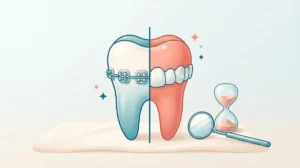
Here is the quick answer. When people say “braces alternatives,” they usually mean clear aligners, ceramic (tooth-colored) braces, or lingual braces that sit behind the teeth. Each one works a little differently. Each one fits a different smile, schedule, and personality.
In this friendly guide, we will walk through every option in plain language. We will cover how each one works, who it suits best, and what to watch out for. By the end, you will feel ready to chat with an orthodontist and pick a path that feels right for you.
What Do People Mean by Braces Alternatives?
The phrase sounds simple, but it can mean a few different things. Let’s clear it up.
Traditional braces use metal brackets and wires. They are strong, reliable, and still very popular. If you want to see how they stack up, our guide on why metal braces are still so popular in 2026 is a great read.
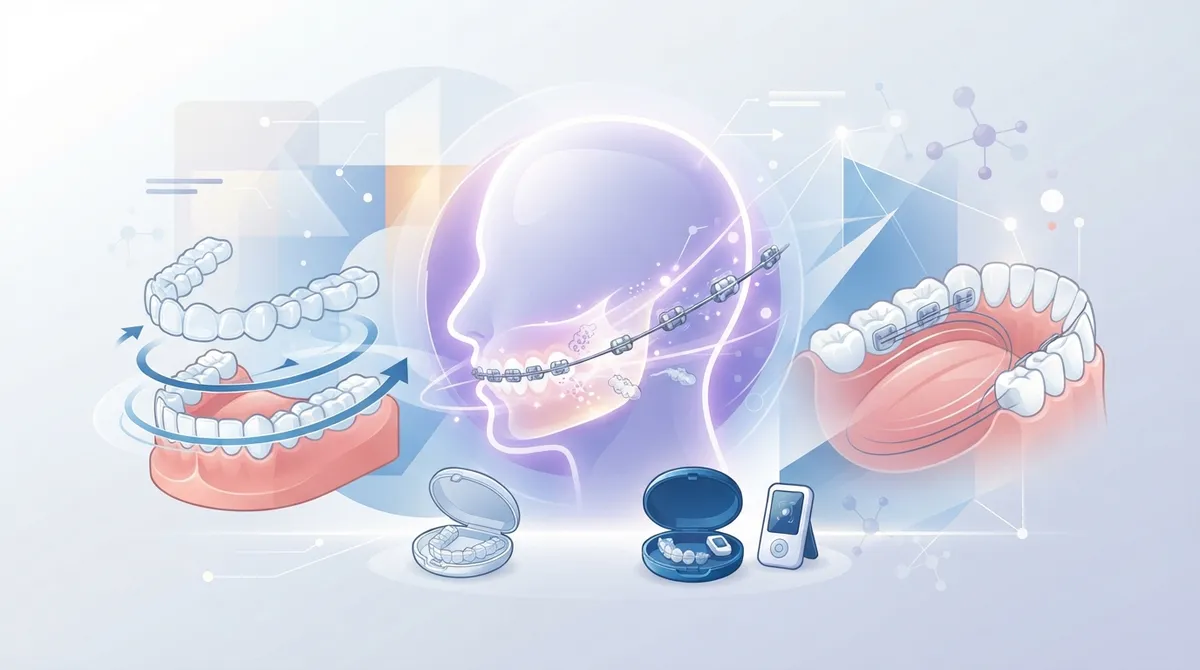
Braces alternatives are other ways to move teeth into better positions. The three main ones are:
- Clear aligners: removable, see-through trays that you swap out every so often.
- Ceramic braces: fixed braces with clear or tooth-colored brackets.
- Lingual braces: fixed braces attached to the back of your teeth.
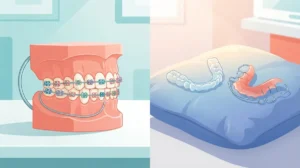
Here is a small detail that surprises many people. Ceramic and lingual options are still fixed braces. They stay on your teeth the whole time. Only clear aligners are removable. That difference matters a lot in daily life.
Clear Aligners: The Removable Option
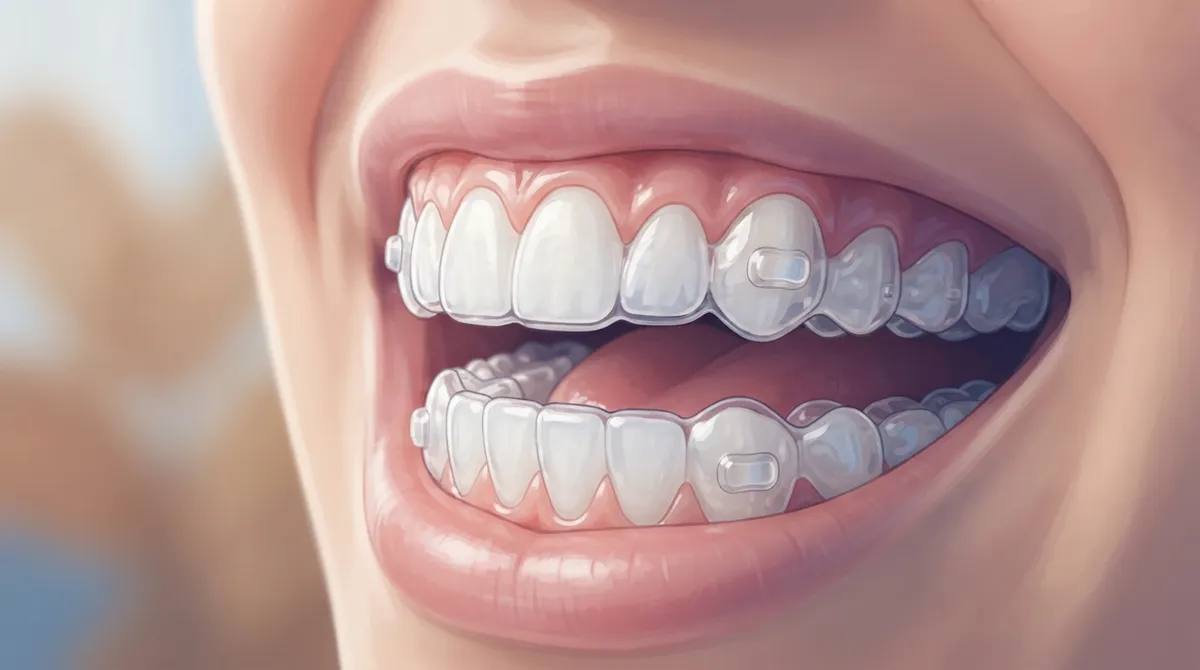
Clear aligners are probably the most talked-about choice today. They are a series of custom-made plastic trays. Each tray moves your teeth a tiny bit. Then you move on to the next one.
How Clear Aligners Work
Your orthodontist takes scans or impressions of your teeth. Then a treatment plan maps out the small steps your teeth will take. According to the FDA, tray changes often happen every one to two weeks, and overall treatment commonly runs about six to 18 months. Your exact timeline depends on your smile and your plan.
The big perk is freedom. You can take the trays out to eat. You can take them out to brush and floss. Many people love that they do not have to give up their favorite crunchy snacks.
The Catch: You Have to Wear Them
Here is the honest part. Because aligners come out, they only work if you wear them. The American Association of Orthodontists (AAO) says aligners generally need to be worn about 20 to 22 hours a day, or as your orthodontist prescribes.
That means they are in your mouth almost all day, even while you work or study. They only come out for meals, drinks (besides water), and cleaning. If the trays sit in a case or a pocket too long, your progress can slow down.
Think of it like going to the gym. The plan is great, but it only works if you show up. If you know you are a “set it and forget it” type, a fixed option might fit you better.
Who Are Aligners Best For?
Aligners are often used for mild to moderate alignment problems. That might include some crowding, small gaps, or minor spacing issues. Many busy adults and image-conscious teens love how low-profile they are.
They are not perfect for everyone, though. Some complex cases may be more predictable with fixed braces. Examples include certain severe bite problems, tricky tooth rotations, or movements that need precise control of the tooth root. Only an orthodontic exam can tell you for sure.
Curious about the nuts and bolts? Take a peek at our page on clear aligners or read how clear trays straighten your smile.
Ceramic Braces: Fixed but Less Noticeable
Ceramic braces work just like metal braces. They use brackets and a wire to guide your teeth. The difference is the look. The brackets are clear or tooth-colored, so they blend in with your smile.
What Makes Ceramic Braces Appealing
If you want fixed braces but do not want them to stand out, this is a smart middle ground. They stay on 24 hours a day, so there is no tray to forget. Your teeth keep moving in the right direction without you doing extra work.
They can also handle many types of tooth movement. That makes them a solid pick for people who want a discreet look but need the control of a fixed system.
Things to Keep in Mind
- Ceramic brackets can be more fragile than metal ones.
- They may stain if you do not keep up with good cleaning habits.
- You still need to avoid very hard or sticky foods.
Want to see the full picture? Check out 11 facts on metal braces vs ceramic braces and the cost of ceramic braces in 2026.
Lingual Braces: Hidden Behind Your Teeth
Lingual braces are the “secret agent” of orthodontics. The brackets and wires attach to the back side of your teeth, so they are very hard to see from the front.
Why Some Patients Choose Lingual Braces
If you want a very private treatment, lingual braces can be a fit. They are fixed, so you do not need to remember to put anything in. Your smile looks natural in photos and at work meetings.
Are They Completely Invisible?
Not quite. They are hard to spot from the front, but they are not magic. Some people notice a bit of tongue irritation at first. Speech can feel a little different for a short time while your tongue gets used to them. Most people adapt in a few weeks.
Lingual braces also depend on a careful clinical check. Not every smile is a match, so your orthodontist will tell you if they make sense for your teeth and bite.
Braces Alternatives Side by Side
Here is an easy comparison to help you picture the differences.
| Option | Fixed or Removable | How Noticeable | Best For | Watch Out For |
|---|---|---|---|---|
| Clear aligners | Removable | Very discreet | Mild to moderate alignment issues; people who can wear trays consistently | Needs about 20 to 22 hours of daily wear |
| Ceramic braces | Fixed | Less noticeable than metal | Those wanting discreet fixed braces with strong control | Brackets can be more fragile; may stain |
| Lingual braces | Fixed | Hard to see from the front | Patients wanting a hidden fixed option | Tongue irritation and speech changes early on |
| Traditional metal braces | Fixed | Most visible | A wide range of cases, including complex ones | Look and food limits |
Are Clear Aligners as Effective as Braces?
This is the question we hear most. The honest answer is: it depends on the case.
Research is mixed. A 2024 umbrella review reported clear-aligner accuracy estimates of 55 percent to 82 percent compared with fixed treatment. But those numbers vary by type of tooth movement and by study, so please do not treat them as a promise.
A 2025 systematic review and meta-analysis looked at 21 randomized controlled trials with 970 participants. It called much of the comparative evidence low quality. It also found no significant aligner advantage for straightforward non-extraction cases.
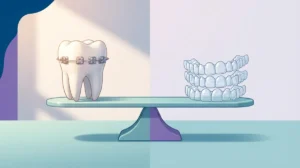
Some reviews show aligners may help with things like oral hygiene and patient comfort. Fixed braces may offer more control for certain complex movements. In short, no single option wins for everyone. The best choice is the one that fits your teeth, your bite, and your life.
For a deeper look, see braces vs clear aligners: which fits your smile best.
How to Choose the Right Option for You
Picking a treatment can feel big. Let’s break it down into simple steps.
- Get an orthodontic exam. An orthodontist checks your teeth, jaws, and bite. This step tells you what can safely work for your goals.
- Think about your daily habits. Are you good at wearing something all day? Aligners may suit you. Prefer to forget about it? Fixed braces may be easier.
- Consider your look goals. Want the most discreet option? Compare aligners, ceramic, and lingual.
- Check the complexity of your case. Tricky bite or rotation problems may point toward fixed braces.
- Talk about budget and timing. Ask about payment plans, insurance, and how long treatment may take.
If you want help with the budget side, our guides on braces payment options and braces insurance coverage can point you in the right direction.
Options for Every Age and Lifestyle
For Parents of Younger Kids
If your child is still growing, early evaluation can be really helpful. An orthodontist can spot crowding or bite issues early and guide development. Not every child needs treatment right away. A quick check-up helps you know when to act. Read when should your child really get braces for helpful timing tips.
For Teens
Teens juggle school, sports, and social life. Discreet options like clear aligners or ceramic braces can feel less awkward. Aligners come out for games and photos, but only if your teen is responsible about wearing them. Fixed braces take the guesswork out. Our guide to choosing braces for teenagers can help families decide together.
For Adult Professionals
Adults often want treatment that does not disrupt work. Low-profile options like aligners, ceramic braces, or lingual braces are popular for that reason. It is never too late to start. See 7 braces for adults options to consider in 2026 for ideas that fit a busy schedule.
For Bilingual Families
Clear communication makes everything easier. At Chacon Orthodontics, Dr. Omar Chacon and the team offer care in both English and Spanish, so every family member can ask questions and feel understood. A good conversation up front helps you make a confident choice.
Taking Care of Your Smile During Treatment
No matter which option you pick, daily care matters. Good habits protect your teeth and help your treatment go smoothly.
- Brush after meals. Food can get trapped in braces or under aligners.
- Floss daily. Special tools make it easier with fixed braces.
- Clean aligners gently. Rinse them and brush them softly each day.
- Keep your appointments. Monitoring visits keep progress on track.
- Wear your retainer later. Retainers help keep your new smile in place.
Need pointers? Try our tips on how to brush with braces and our easy flossing tips. When treatment wraps up, learn about retainers to protect your results.
Why Choose a Board-Certified Orthodontist?
Picking a treatment is only half the story. Who guides you matters just as much. An orthodontist has extra training focused on moving teeth and shaping bites. That training helps match the right appliance to the right smile.
If you are weighing your choices, our article on why adults need a braces specialist explains the difference in plain terms.
Chacon Orthodontics is a board-certified practice led by Dr. Omar Chacon, with locations in Westchase and Brandon, Florida. The team uses advanced technology, like 3D digital imaging, to plan treatment with care. You can see what neighbors say by visiting our Chacon Orthodontics Brandon page on Google. You can also follow our smile stories on Instagram and Facebook, or connect with Dr. Chacon on LinkedIn.
Ready to Explore Your Braces Alternatives?
The best braces alternatives are the ones that match your teeth, your bite, and your daily life. Clear aligners offer freedom and discretion. Ceramic braces blend in while staying put. Lingual braces hide behind your teeth. And sometimes, traditional braces are still the smartest pick. There is no one-size-fits-all answer, and that is okay.
The first step is simple: talk with an orthodontist who can look at your smile and walk you through your choices. If you are in the Brandon or Westchase area, we would love to meet you. Book your free consultation today, or contact us with any questions. Your confident smile may be closer than you think.
FAQs
Q: What are the alternatives to traditional metal braces?
A: The main alternatives are clear aligners, ceramic (tooth-colored) braces, and lingual braces that sit behind your teeth. Ceramic and lingual options are still fixed braces, while clear aligners are removable trays. An orthodontist can help you pick the one that fits your smile best.
Q: How many hours a day do you need to wear clear aligners?
A: The American Association of Orthodontists says aligners generally need to be worn about 20 to 22 hours a day, or as your orthodontist prescribes. You take them out only for eating, drinking anything besides water, and cleaning. Wearing them consistently keeps your treatment right on track.
Q: Can clear aligners fix bite problems or severe crowding?
A: Aligners are often used for mild to moderate alignment problems. Some complex cases, like certain severe bite problems or tricky rotations, may be more predictable with fixed braces. An orthodontic exam is the best way to learn what will work for you.
Q: Are lingual braces completely invisible?
A: Not completely, but they are very hard to see from the front because they attach to the backs of your teeth. Some people feel a little tongue irritation or notice a slight speech change at first. Most folks adjust within a few weeks.
Q: How should I choose between braces and aligners?
A: Start with an orthodontic exam so you know what your teeth and bite need. Then think about your daily habits, your look goals, and your budget. If you like a wear-it-all-day plan, aligners may fit, and if you prefer a set-it-and-forget-it approach, fixed braces may be easier.