
Key Takeaways
-
Schedule your child's first orthodontic checkup by age 7, even with baby teeth present, to catch developing bite problems, jaw growth issues, and tooth eruption patterns early before they become harder to fix.
-
Most kids don't need early treatment at age 7; many are simply monitored for a few years until more permanent teeth come in, which avoids unnecessary long treatment and ensures personalized, not one-size-fits-all care.
-
Full braces treatment typically takes 1-3 years and usually begins in the preteen or early teen years once most permanent teeth have erupted; treatment timeline depends on case complexity, compliance with care instructions, and regular appointment attendance.
-
Choose between metal braces for complex cases, ceramic braces for a subtler look, or clear aligners for responsible older kids, each with different pros and cons that your orthodontist will match to your child's specific needs.
-
After braces come off, consistent retainer wear is essential to prevent teeth from shifting back; most orthodontists recommend full-time wear initially, then gradual transition to nighttime-only wear to protect long-term results.
-
Request a written cost estimate and ask about payment plans and insurance coverage during your consultation, as braces costs vary significantly based on location, treatment complexity, and the type of appliance needed.
If you’re a parent, you’ve probably asked yourself this question while watching your child smile in family photos: are those teeth going to need braces someday? You’re not alone. Most parents feel a little unsure about timing, options, and cost when it comes to braces for kids. The good news? You don’t have to figure it all out by yourself.
This guide walks you through everything you need to know, from the right age for a first checkup to what actually happens during treatment. We’ll keep things simple and friendly, because let’s be honest, orthodontic terms can sound like a foreign language. By the end, you’ll feel confident about your next steps, whether that’s scheduling a first visit or just keeping an eye on things for now.
What Age Should Kids First See an Orthodontist?
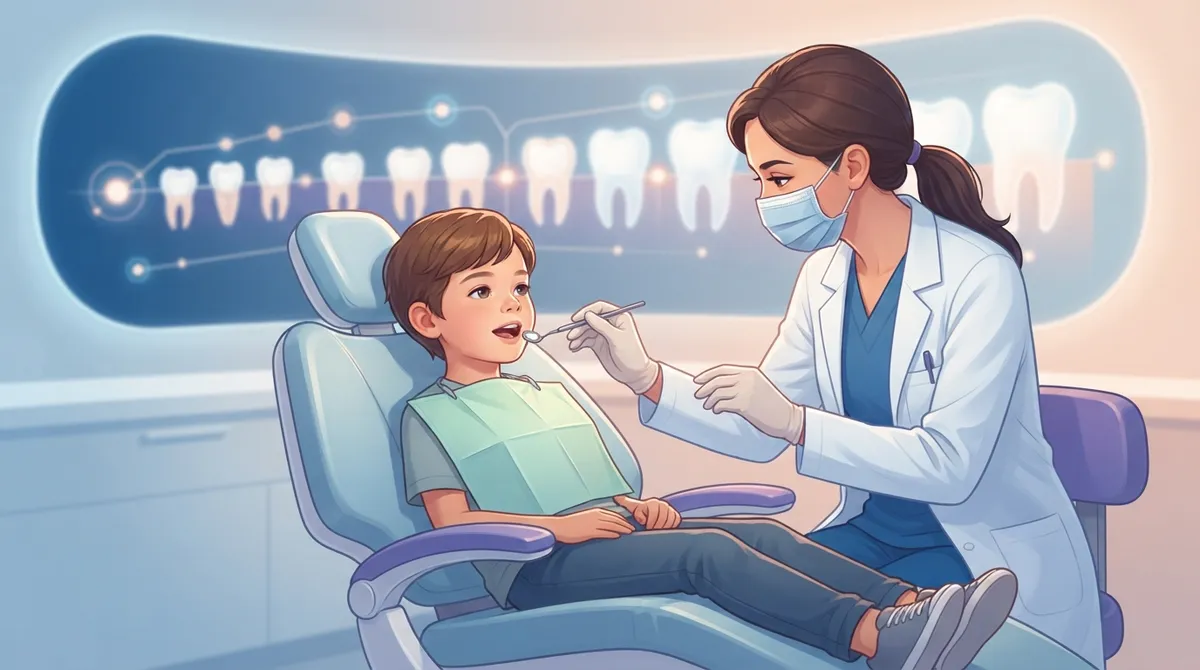
Here’s a fact that surprises a lot of parents: the American Association of Orthodontists recommends that kids have their first orthodontic checkup by age 7. That might sound really young, especially if your child still has a mouth full of baby teeth. But this visit isn’t about getting braces right away.
Around age 7, kids usually have a mix of baby teeth and adult teeth coming in. This gives an orthodontist a clear window into how the jaw is growing and whether teeth are erupting the way they should. Think of it like a routine check-in, similar to a well-child visit at the pediatrician. It’s about catching potential issues early, not jumping straight into treatment.
If your dentist or your own parental instincts notice something like crowded teeth, an unusual bite, or a jaw that seems off, don’t wait until age 7. Earlier evaluation never hurts. You can learn more about early signs your child may need braces to know what to watch for at home.
Why This Early Visit Matters
An early evaluation lets an orthodontist spot developing problems before they become bigger, harder-to-fix issues. It also gives you, as a parent, peace of mind. You’ll know exactly where your child stands and what to expect down the road.
- Identifies bite problems like crossbites or underbites early
- Tracks how permanent teeth are coming in
- Spots jaw growth issues while there’s still time to guide development
- Gives parents a clear roadmap instead of guessing
- Reduces anxiety by answering “does my child need braces” sooner rather than later
Does Every Child Need Early Treatment?
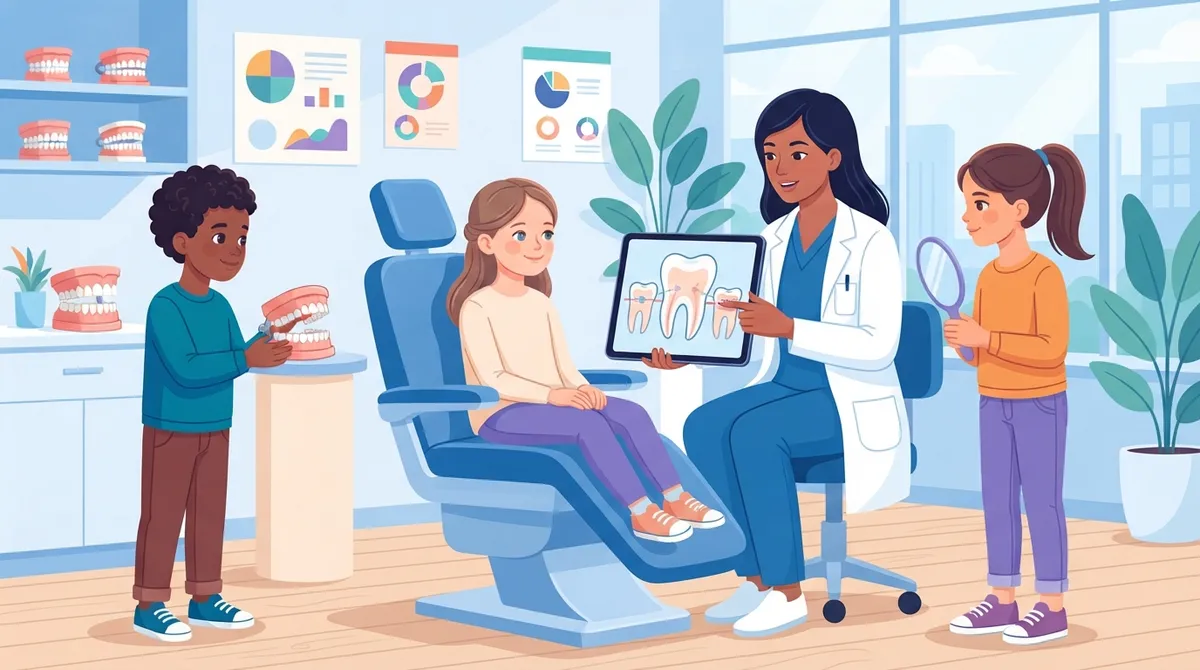
Here’s some reassuring news: most kids don’t need braces at age 7. In fact, many children are simply monitored over the next few years. An orthodontist will watch how teeth and jaws develop, then recommend treatment later once more permanent teeth have come in.
This monitoring approach isn’t a delay tactic. It’s actually smart, personalized care. Every child’s mouth grows differently, and starting treatment too early when it’s not needed can mean longer treatment overall. Practices like Chacon Orthodontics focus on individualized planning, which means your child gets a treatment plan based on their specific needs, not a one-size-fits-all approach.
When Early (Phase 1) Treatment Makes Sense
Sometimes, though, early treatment really is the right call. This is often called Phase 1 treatment, and it’s used for specific developing problems rather than routine crowding.
- Certain crossbites where the jaw doesn’t line up correctly
- Harmful oral habits like prolonged thumb sucking that affect tooth position
- Issues with teeth erupting in the wrong place or lack of space
- Jaw growth problems that are easier to guide while a child is still growing
The goal of early treatment is to guide growth in a helpful direction, not to finish the whole job at once. Many kids who start Phase 1 treatment will still need a second round of braces later, once more adult teeth have come in. If you want a deeper dive into this topic, check out this guide on early orthodontic treatment for parents.
When Do Most Kids Get Full Braces?
Comprehensive, or full, braces treatment usually happens once a child has most or all of their permanent teeth. This often lines up with the preteen or early teen years, but it really depends on each child’s dental development rather than a specific birthday.
Some kids get there faster than others. That’s why age alone shouldn’t be the deciding factor. An orthodontist looks at how teeth are erupting, how the bite is forming, and whether the jaw has finished most of its growth. For families curious about typical timing patterns, this guide on age milestones and braces timing breaks it down further.
Signs Your Child Might Be Ready
- Most baby teeth have been replaced by permanent teeth
- Visible crowding, gaps, or crooked teeth
- Difficulty biting or chewing certain foods
- Teeth that don’t line up when the mouth is closed
- Speech issues related to tooth position
If you’re noticing any of these signs, it’s worth scheduling a visit. You can even request a free consultation to get a clear answer without any pressure or upfront cost.
Types of Braces and Appliances for Kids
Not all braces look and work the same way. Depending on your child’s needs, age, and even personal preferences, there are several options worth knowing about.
| Type | Best For | Key Benefit |
|---|---|---|
| Metal braces | Most kids and complex cases | Durable, effective, often more affordable |
| Ceramic braces | Older kids and teens wanting a subtler look | Tooth-colored brackets blend in more |
| Clear aligners | Responsible kids and teens with mild to moderate cases | Removable, nearly invisible trays |
| Expanders | Kids with narrow jaws or crossbites | Widens the upper jaw gradually |
| Space maintainers | Kids who lost a baby tooth early | Holds space open for the permanent tooth |
Every option has pros and cons, and the right choice depends on your child’s specific bite issue, age, and lifestyle. An orthodontist will walk you through which appliance addresses your child’s exact problem. You can also read more about the different types of braces available to compare options before your visit.
Metal Braces vs. Clear Aligners for Kids
Metal braces remain a popular, reliable choice, especially for kids who need more complex corrections. They work around the clock since they’re fixed in place, which takes the guesswork out of compliance.
Clear aligners, on the other hand, appeal to older kids and teens who want something less noticeable. But they only work if your child is responsible about wearing them the recommended hours each day. If you’re weighing the two, this comparison of braces versus clear aligners for teens can help you decide together as a family.
How Long Does Treatment Usually Take?
This is one of the most common questions parents ask, and honestly, there’s no single answer. Treatment length depends on how complex the case is, how well your child follows instructions, and which appliance is used.
Generally speaking, full braces treatment can range from about one to three years. Kids who had early Phase 1 treatment sometimes have shorter second-phase treatment because some issues were already addressed. Regular checkups every few weeks help keep things moving smoothly and on schedule.
Factors That Affect Treatment Time
- How crowded or misaligned the teeth are at the start
- Whether your child wears elastics or aligners as directed
- How well your child keeps up with oral hygiene
- Attendance at scheduled follow-up appointments
- Whether any unexpected dental issues come up during treatment
Staying consistent with appointments and home care really does make a difference. For a closer look at what to expect timeline-wise, check out this resource on planning your life around braces treatment duration.
How Much Do Braces for Kids Cost?
We wish we could give you an exact number here, but the truth is, cost varies quite a bit. It depends on where you live, how complex the treatment is, which appliance your child needs, and what your insurance covers.
The best way to get a real number is to ask for a written estimate during a consultation. Many practices, including Chacon Orthodontics, offer payment plans to help spread out the cost over time, so it doesn’t feel like one huge expense all at once.
- Ask about payment plans and financing options upfront
- Check your dental insurance for orthodontic coverage details
- Request a written treatment estimate before starting
- Ask if there are any discounts for paying in full or for multiple kids in the family
For families in Westchase or Brandon wondering about local pricing, this guide on braces cost and pricing for 2026 offers helpful context.
Caring for Braces: Brushing, Flossing, and Snacks
Once your child has braces, daily care becomes even more important. Food particles love to hide around brackets and wires, so good habits at home really matter here.
Simple Daily Habits That Help
- Brush after every meal, using a soft-bristled brush and gentle circular motions
- Floss daily using floss threaders or an orthodontic flosser
- Rinse with water after snacks if brushing isn’t possible right away
- Avoid sticky, hard, or crunchy foods that can damage brackets
- Keep up with regular dental cleanings alongside orthodontic visits
Choosing the right snacks also helps avoid emergency visits for broken brackets. This list of braces-friendly snacks every parent should know is a great one to keep handy on the fridge.
Life After Braces: Why Retainers Matter
Getting the braces off is such an exciting day. But the story doesn’t end there. Teeth naturally want to shift back over time, so retainers are key to protecting all that hard work.
Most orthodontists recommend wearing retainers full-time at first, then gradually shifting to nighttime wear only. Skipping this step, even for a short while, can undo months or years of progress. Learn more about how retainers keep your smile straight for life so your child’s results last.
Finding the Right Orthodontist for Your Child
Choosing who takes care of your child’s smile is a big decision. You want a team that feels warm, communicates clearly, and truly listens to your concerns as a parent.
For bilingual families in the Westchase and Brandon areas, having care available in both English and Spanish can make a world of difference. Dr. Omar Chacon, a board-certified orthodontist with over a decade of experience, offers exactly that kind of comfortable, clear communication. You can follow along with patient stories and smile transformations on Instagram or connect on Facebook to get a feel for the practice before your visit.
Dr. Chacon’s professional background and commitment to patient care are also reflected on his LinkedIn profile, where you can learn more about his training and experience. Many families also love reading real reviews before choosing a provider, so feel free to visit us on Google — Chacon Orthodontics West Chase to see what other parents in the area are saying.
What to Look For in a Great Orthodontic Practice
- Board-certified orthodontist with proven experience
- Clear explanations of treatment options and costs
- Comfortable, kid-friendly office environment
- Flexible scheduling and payment options
- Bilingual staff, if that matters for your family
If you’re just starting your search, this guide on finding the best orthodontist near you in 2026 is a helpful starting point.
Your Next Step Toward a Confident Smile
Braces for kids don’t have to feel overwhelming once you understand the timeline, the options, and what really matters at each stage. Whether your child is just due for that first checkup at age 7 or ready for full treatment, the right orthodontic team will guide you every step of the way.
Ready to get answers specific to your child? Schedule your free consultation today and take the first step toward a smile your child will love showing off for years to come.
FAQs
Q: At what age should a child get braces?
A: There’s no single magic age, but the American Association of Orthodontists suggests a first checkup by age 7. Full braces usually come later, once most permanent teeth have come in, but your orthodontist will tell you exactly when your child is ready.
Q: Does every child need early orthodontic treatment?
A: Not at all! Many kids just need monitoring at first, and treatment happens later once more adult teeth erupt. Early treatment is only recommended for specific issues like certain crossbites or harmful oral habits.
Q: How long do braces usually take for a child?
A: It really depends on the case, but most kids wear braces for one to three years. Sticking to appointments and following care instructions helps keep treatment on track and sometimes even shortens the timeline.
Q: Are metal braces or clear aligners better for kids?
A: Both work well, but it depends on your child’s needs and responsibility level. Metal braces are great for complex cases since they’re always working, while clear aligners suit older kids who can commit to wearing them consistently.
Q: How much do braces for kids cost, and does insurance help?
A: Costs vary based on location, treatment complexity, and appliance type, so there’s no one-size-fits-all number. Many insurance plans offer partial coverage, and practices often provide payment plans to make things easier on your budget.





