Key Takeaways
-
In the U.S., braces typically cost about $3,000 to $10,000, with the final quote depending on braces type, case complexity, treatment length, and location.
-
Lingual braces are usually the most expensive ($7,000 to $13,000+), while metal braces and clear aligners generally cost less, with aligners ranging about $1,800 to $8,100.
-
Complex issues like severe overbites, underbites, or crossbites require more planning and visits, which raises the total cost.
-
Compare quotes by asking for an itemized, written estimate that states whether records, adjustments, retainers, and post-treatment visits are included.
-
Check your dental insurance for orthodontic lifetime maximums, age limits, and network rules, and confirm whether clear aligners are covered too.
-
Ask about in-house payment plans and whether HSA or FSA funds can be used, and clarify interest, down payments, and budget adjustment options before signing.
Let’s be honest: the first question most of us ask about braces isn’t “How long will it take?” It’s “How much is this going to cost?” If you’re a parent staring at a crooked-tooth school photo, a teen dreaming of a confident grin, or an adult who finally decided it’s your time, you deserve a clear answer.
Here’s the short version. In the United States, the braces price range usually falls between about $3,000 and $10,000. That’s a big gap, and it’s because no two smiles are alike. Your final quote depends on the type of braces, how complex your case is, how long treatment lasts, and where you live.
In this friendly guide, we’ll walk through seven things that shape your cost. We’ll also share real numbers for 2026 planning, simple ways to save, and the questions to ask before you say yes. Think of it as a chat with a friend who happens to know a lot about braces.
A Quick Look at the Braces Price Range by Type
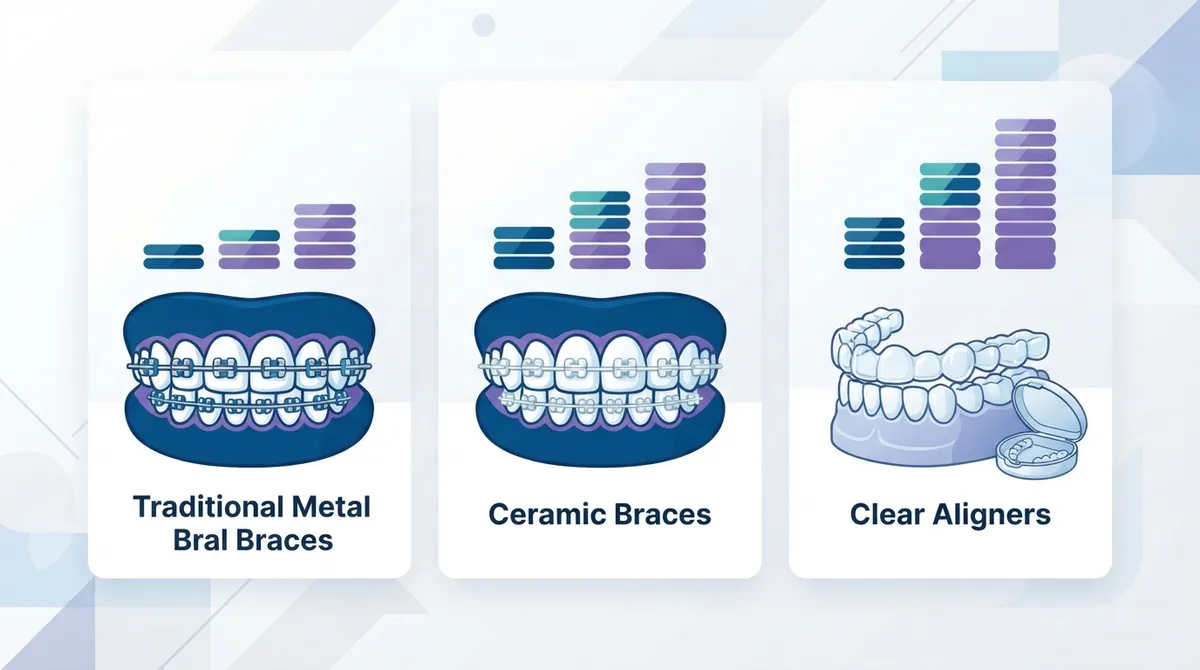
Before we dive into the seven factors, here is a snapshot. These numbers come from recent U.S. cost guides and are estimates, not exact quotes. Your orthodontist will give you the real number after an exam.
| Treatment Type | Typical Price Range | Reported Average |
|---|---|---|
| Metal braces | $2,500 – $10,000 | About $6,343 |
| Ceramic braces | $4,000 – $8,500 | About $5,834 |
| Lingual braces | $7,000 – $13,000+ | About $9,221 |
| Clear aligners | $1,800 – $8,100 | About $5,108 |
See how wide those ranges are? That’s why it helps to understand what pushes a price up or down. Let’s get into it.
1. The Type of Braces You Choose
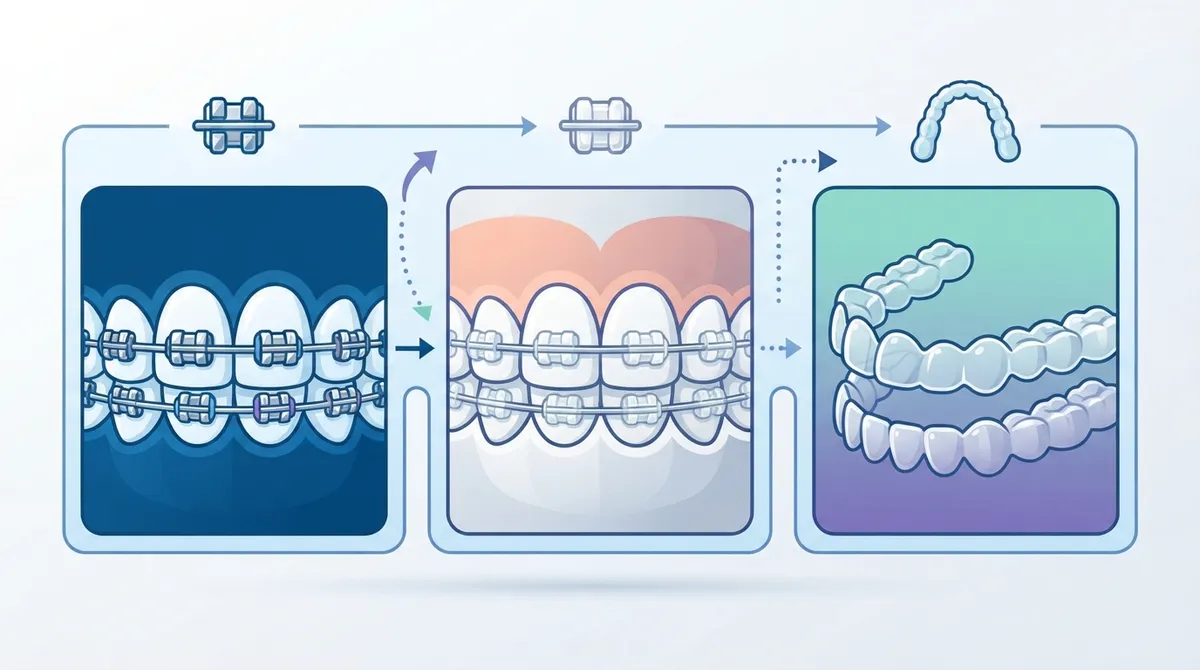
The biggest driver of cost is the appliance itself. Each type has its own look, feel, and price tag.
Metal Braces
Metal braces are the classic choice and usually the most budget-friendly fixed option. Many sources put them around $3,000 to $7,000, though some guides list a wider $2,500 to $10,000 range. They are strong, reliable, and great for complex cases. Plus, teens love picking colorful bands. If you want to dig deeper, check out our post on 15 reasons metal braces are still a top choice in 2026.
Ceramic Braces
Ceramic braces use tooth-colored or clear brackets, so they blend in more. They often cost a bit more than metal, with reported ranges around $4,000 to $8,500. They are a popular pick for adults and image-conscious teens who want a lower-profile look.
Lingual Braces
Lingual braces sit behind your teeth, so nobody sees them. That hidden design takes extra skill and custom work, which is why they are often the priciest. Reported U.S. ranges run from roughly $7,000 to more than $13,000.
Clear Aligners
Clear aligners are not fixed braces, but they are a common alternative. They are removable, nearly invisible trays. Costs vary a lot, from about $1,800 to $8,100, depending on how much movement your teeth need. Curious how they work? Read about how clear trays straighten your smile.
2. How Complex Your Case Is
A small gap and a major bite problem are very different jobs. Mild crowding may need fewer adjustments and less time. A serious overbite, underbite, or crossbite takes more planning, more visits, and sometimes extra tools.
That extra effort shows up in the price. It’s not a sneaky upcharge. It simply reflects the work needed to get your teeth and jaw working well together. If you’re wondering what your teeth might need, our guide on understanding teeth positioning and fixing alignment issues is a great place to start.
Here are common issues that can affect your quote:
- Mild to moderate crowding or spacing
- Overbite, underbite, or crossbite
- Rotated or tilted teeth
- Jaw growth concerns in children
- Relapse after earlier orthodontic treatment
3. How Long Treatment Lasts
Time is money, even in orthodontics. Most braces treatment lasts somewhere between 12 and 36 months. Longer treatment means more adjustment visits and more monitoring, so the fee can be higher.
Your age, your goals, and how well you follow instructions all play a part. Wearing your rubber bands and keeping appointments can help your treatment stay on track. Want to plan ahead? We put together a handy post on how to plan your life around braces treatment duration.
4. Where You Live and Who You See
Location matters. Costs of living, office overhead, and local demand all play a role in what practices charge. A big-city office may price differently than a smaller community practice.
The provider matters too. A board-certified orthodontist has completed extra specialty training after dental school. That training is focused entirely on moving teeth and aligning jaws safely. If that’s important to you, take a look at why choosing a board-certified orthodontist makes all the difference.
At Chacon Orthodontics, Dr. Omar Chacon offers personalized care for kids, teens, and adults at our Westchase and Brandon offices. You can also visit us on Google — Chacon Orthodontics West Chase to see what local families say about their experience.
5. What Your Quote Actually Includes
Two quotes can look different even when the care is similar. The reason? What’s bundled in. Always ask what the fee covers before you compare prices.
A complete, clear quote should spell out these items:
- Records and imaging: X-rays, photos, and digital scans
- Appliances: Brackets, wires, or aligner trays
- Adjustment visits: Regular check-ups during treatment
- Retainers: The devices that keep your new smile in place
- Follow-up care: Visits after your braces come off
- Repairs: Broken brackets or lost aligners
Retainers are a big one. Some offices include them, and others charge extra. Skipping retainers can undo all your hard work, so it’s worth knowing the details. Our post on what orthodontist prices really include in 2026 breaks this down nicely.
6. Your Dental Insurance Benefits
Insurance can take a bite out of your total, but it rarely covers everything. Many plans have an orthodontic lifetime maximum, age limits, or network rules. The American Association of Orthodontists reminds patients to check their own plan details directly.
Here’s an example to show how it works. Say your treatment costs $6,000 over 24 months, and your plan has a $1,500 lifetime maximum. That leaves $4,500 to cover. Spread over 24 months, that’s about $187.50 a month. This is just an illustration, not a rule for every plan.
Quick tips for checking your benefits:
- Call your insurance company and ask about orthodontic coverage
- Ask about the lifetime maximum and any age limits
- Check whether your orthodontist is in-network
- Ask if coverage applies to both braces and clear aligners
Want to learn more? We explain it all in how dental insurance covers orthodontic treatment.
7. How You Pay: Plans, HSA, and FSA
Here is the good news. You don’t have to pay the whole amount on day one. Many orthodontic offices offer in-house payment plans that spread the cost into manageable monthly payments. Eligible orthodontic expenses can also often be paid with HSA or FSA funds, which lets you use pre-tax dollars.
Before you sign anything, ask these questions:
- Is there interest or are there fees on the payment plan?
- Is a down payment required?
- What happens if treatment takes longer than expected?
- Can we adjust the monthly amount if our budget changes?
For more ideas, explore our payment plans page or read about 12 braces financing options to fit any budget.
How Much Do Braces Cost for Kids, Teens, and Adults?
The price range for braces doesn’t change just because of age, but your needs might. Here’s how each group often experiences it.
Parents of Younger Children
Early evaluations can catch growth and bite concerns while a child is still developing. Sometimes a simple early step can make later treatment shorter or simpler. That can save time and money in the long run. Learn more in our guide on early orthodontic treatment that saves time, money, and smiles.
Teens
Teens want treatment that fits school, sports, and social life. Metal and ceramic braces are both popular, and clear aligners can work for the right case. Whichever you pick, the goal is a smile your teen feels proud of.
Adults
Adults often want lower-profile options that fit a busy work life. Ceramic braces and clear aligners are common picks. Plenty of adults are glad they started, and you can read more in why more adults choose braces later in life.
Simple Ways to Save on Braces
Every family wants to get the most value. Here are some friendly, practical ways to keep costs manageable:
- Schedule a consultation first. Many offices offer a free one, and you’ll get a written estimate.
- Ask for an itemized quote. Know exactly what’s included so you can compare fairly.
- Verify your insurance. Confirm your lifetime maximum and any waiting periods.
- Use HSA or FSA funds. Eligible orthodontic costs may qualify.
- Choose a payment plan. Spreading the cost can make a big difference.
- Protect your investment. Wear your retainers and take care of your braces to avoid extra fees.
If budgeting is on your mind, you may like our post on how to budget for braces without breaking the bank.
Cheaper Isn’t Always Better: Look at Value
It’s tempting to chase the lowest number. But the best value comes from quality care, clear communication, and results that last. A low quote that leaves out retainers or follow-up visits can end up costing more later.
Ask yourself these questions when comparing offices:
- Is the orthodontist a board-certified specialist?
- Do they explain my options clearly, in a language I’m comfortable with?
- Do they use modern technology like digital imaging?
- Is the quote written, itemized, and easy to understand?
For bilingual families in Westchase and Brandon, clear communication matters. Dr. Chacon is fluent in both English and Spanish, so everyone can feel confident asking questions and understanding the plan.
Ready to Get Your Personal Quote?
A national price range is helpful, but it can’t tell you what your own smile needs. The only way to know your exact cost is to meet with an orthodontist who can examine your teeth, review your goals, and build a plan around you.
Want to see how real patients feel about their care? Follow Chacon Orthodontics on Instagram and Facebook, or connect with Dr. Chacon on LinkedIn.
The Bottom Line
The braces price range of roughly $3,000 to $10,000 may feel wide, but now you know what moves the needle: the type of braces, case complexity, treatment time, location, what’s included, insurance, and payment options. Armed with that, you can walk into any consultation feeling prepared and calm.
Remember, a great smile is an investment in your health and confidence. Whether you’re a parent, a teen, or an adult ready for a change, you don’t have to figure it out alone. Book your free consultation with Chacon Orthodontics today, or contact us with any questions. We would love to help you smile with confidence.
FAQs
Q: How much do braces cost in the United States?
A: Most people can plan for a broad braces price range of about $3,000 to $10,000. Your exact cost depends on the type of braces, how complex your case is, and where you live. A personal consultation is the best way to get a real number.
Q: Are ceramic braces more expensive than metal braces?
A: Yes, ceramic braces usually cost more than metal because the tooth-colored brackets blend in with your smile. Reported ranges for ceramic are around $4,000 to $8,500. Metal braces are generally the most budget-friendly fixed option.
Q: Are clear aligners cheaper than braces?
A: Sometimes, but not always. Clear aligner treatment can range from about $1,800 to $8,100, so the price depends on how much your teeth need to move. For complex cases, braces and aligners can end up costing a similar amount.
Q: Does dental insurance cover braces?
A: Many plans offer some orthodontic coverage, but it usually pays only part of the cost. Plans often have a lifetime maximum, age limits, or network rules, so it’s smart to call your insurance company before you start treatment.
Q: Do braces quotes include retainers and follow-up visits?
A: It depends on the office, so always ask for an itemized, written estimate. Check whether X-rays, adjustments, retainers, and post-treatment visits are included so there are no surprises later.