
Key Takeaways
-
Most dental insurance plans cover only 50% of orthodontic costs up to a lifetime maximum of $1,000-$3,000, not annual resets, so verify your exact benefit amount before starting treatment to avoid unexpected expenses.
-
Children under 18 receive significantly better orthodontic coverage than adults; many plans exclude adult orthodontics entirely, but supplemental policies and flexible payment plans can make adult treatment affordable.
-
PPO plans offer the most comprehensive orthodontic benefits with 50% coverage of major procedures and in-network/out-of-network flexibility, while DHMO plans have lower premiums but require network providers and limited coverage.
-
Clear aligners like Invisalign may be classified as cosmetic and excluded from coverage depending on your plan; always call your insurance provider to confirm aligner-specific coverage before choosing a treatment type.
-
Verify coverage early, choose in-network providers, and use FSA/HSA accounts to maximize benefits; many orthodontic offices help with benefit verification and claims to reduce your out-of-pocket costs.
-
Watch for 6-12 month waiting periods before orthodontic benefits activate and common exclusions like cosmetic orthodontics without functional need or retreatment for previously completed work.
Starting orthodontic treatment is an exciting step toward a healthier, more confident smile. But before you dive in, one big question often comes up: how does dental insurance cover orthodontics? Understanding your benefits can save you thousands of dollars and help you plan your treatment wisely.
Dental insurance for orthodontics works differently from standard dental coverage. Most plans offer partial benefits with lifetime limits, not yearly resets. Whether you are a parent exploring options for your child, a teen ready for braces, or an adult considering clear aligners, knowing how your plan works puts you in control. This guide breaks down everything you need to know about dental insurance and orthodontic coverage in clear, simple terms.

What Is Orthodontic Coverage in Dental Insurance?
Orthodontic coverage is a benefit included in some dental insurance plans that helps pay for teeth-straightening treatments. Unlike regular dental benefits that reset each year, orthodontic benefits typically come with a lifetime maximum. This means the insurance pays a set amount toward orthodontic treatment over your lifetime, not per year.
According to the American Dental Association, not all dental plans automatically include orthodontic coverage. You may need to select a plan that specifically includes it, or purchase a supplemental orthodontic policy. Always review your plan documents carefully before assuming coverage is included.

How Much Does Dental Insurance Typically Cover?
Most dental plans that include orthodontic benefits follow a straightforward structure. They typically cover around 50% of orthodontic costs up to a lifetime maximum. That maximum usually falls between $1,000 and $3,000 per person.
Here is a simple example of how this works in practice:
| Treatment Cost | Insurance Coverage (50%) | Lifetime Maximum | Insurance Pays | Your Out-of-Pocket |
|---|---|---|---|---|
| $4,000 | 50% | $2,000 | $2,000 | $2,000 |
| $5,000 | 50% | $2,000 | $2,000 | $3,000 |
| $6,500 | 50% | $3,000 | $3,000 | $3,500 |
| $3,500 | 50% | $1,500 | $1,500 | $2,000 |
Once your insurance reaches the lifetime maximum, you are responsible for the remaining balance. This is why it is important to understand your exact benefit amount before starting treatment. You can learn more about managing costs on our flexible payment plans page.

Types of Dental Insurance Plans and Orthodontic Benefits
The type of dental plan you have plays a big role in what orthodontic benefits you receive. Here is a comparison of the most common plan types:
| Plan Type | Orthodontic Coverage | Provider Flexibility | Typical Cost |
|---|---|---|---|
| PPO (Preferred Provider Organization) | Most comprehensive; typically 50% of major procedures | In-network and out-of-network options | Higher premiums |
| DHMO (Dental HMO) | Limited; must use network providers | In-network only | Lower premiums |
| Indemnity (Fee-for-Service) | Varies widely by plan | Any licensed dentist or orthodontist | Higher premiums |
| Supplemental Orthodontic Insurance | Up to 50% of additional costs | Depends on policy terms | Affordable add-on |
PPO plans tend to offer the broadest orthodontic benefits. They typically cover 100% of preventive care, 80% of basic procedures, and 50% of major procedures like orthodontics. If you have a PPO, you may also have the option to visit an out-of-network orthodontist at a slightly higher cost.
What Orthodontic Treatments Does Insurance Cover?
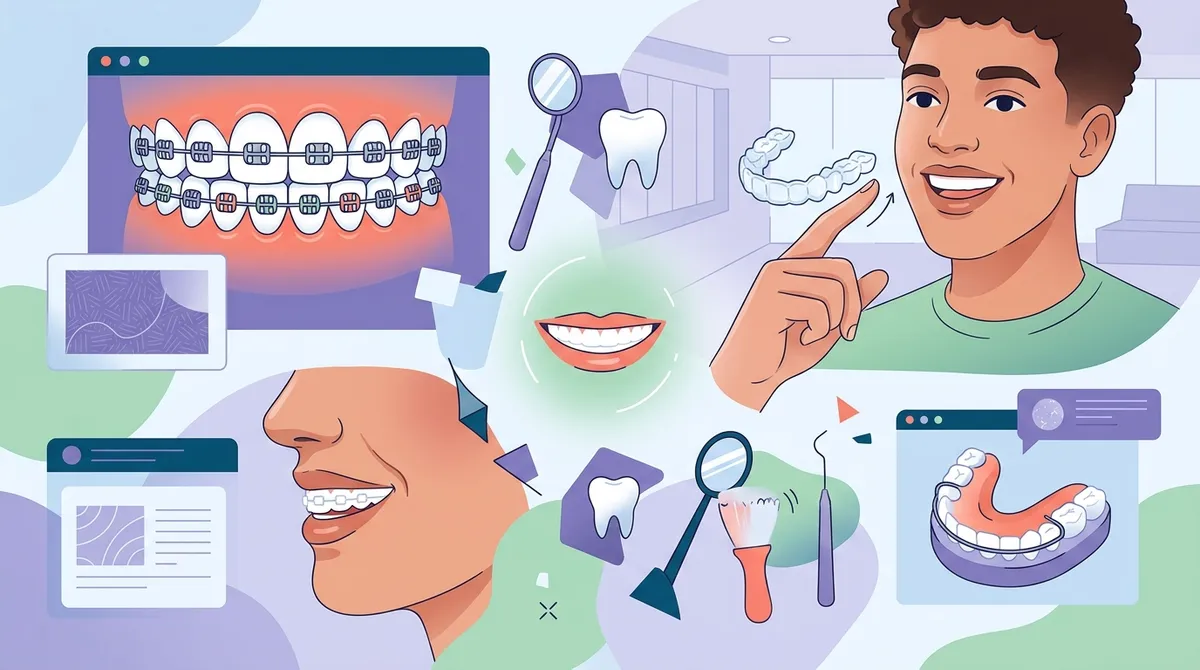
Most dental insurance plans with orthodontic benefits cover a range of treatments. Coverage depends on whether the treatment is deemed medically necessary or primarily cosmetic.
Commonly covered orthodontic treatments include:
- Traditional metal braces
- Ceramic (tooth-colored) braces
- Clear aligners, such as Invisalign
- Retainers following active treatment
- Orthodontic exams and X-rays
- Tooth extractions required for orthodontic purposes
Some plans may classify clear aligners as cosmetic and exclude them. It is worth calling your insurance provider to ask specifically about clear aligner coverage before making a treatment decision. Our team can also assist you in verifying your benefits.
Is Coverage Different for Children Versus Adults?
Yes, coverage is generally much better for children. Most dental insurance plans provide broader orthodontic benefits for patients under the age of 18. Adult orthodontic coverage is limited or excluded entirely in many plans.
Here is a quick breakdown of the differences:
- Children (under 18): More plans include coverage; higher lifetime maximums are common
- Adults (18 and older): Many plans exclude or limit orthodontic benefits; supplemental insurance may be needed
- Group employer plans: Some elect child-only orthodontic benefits to lower premiums
- Individual market plans: Coverage varies widely; adults should shop carefully
The American Association of Orthodontists recommends that children receive their first orthodontic evaluation by age 7. Early evaluation can detect issues early, and starting treatment at the right time may reduce long-term costs. Explore our children’s orthodontic services to learn more about early intervention.
Adults should not assume that straightening their teeth is out of reach financially. With the right insurance plan, flexible payment options, and expert care from Dr. Omar Chacon, achieving a confident adult smile is very achievable. Learn more about adult orthodontic treatment options available at our practice.
Does Insurance Cover Braces for Teens?
Teenagers typically receive strong orthodontic coverage under most dental insurance plans. Many plans classify teenagers under the child benefit age limit (often up to age 18 or 19), meaning they can access the full lifetime orthodontic maximum.
Teens today have more treatment choices than ever. Coverage may apply to both traditional custom braces and clear aligner options. Verifying your teen’s specific plan benefits before choosing a treatment type is a smart first step. Our teen orthodontic page outlines all available options to help your family make the best decision.
How to Maximize Your Orthodontic Insurance Benefits
Getting the most from your dental insurance for orthodontics requires some planning. Follow these steps to make your benefits work harder for you:
- Verify your coverage early: Contact your insurance provider before starting treatment to confirm your lifetime maximum, waiting periods, and covered treatments.
- Choose an in-network provider: Using an in-network orthodontist typically means lower out-of-pocket costs. Ask your orthodontic office to help verify network status.
- Start treatment before age limits: If your child is approaching the age cutoff for child benefits, beginning treatment sooner can preserve higher coverage levels.
- Ask about payment plans: Many orthodontic offices offer flexible monthly payment options to cover the remaining balance after insurance.
- Consider a supplemental plan: If your primary plan has a low lifetime maximum, a supplemental orthodontic policy can cover an additional 50% of costs.
- Use a Flexible Spending Account (FSA) or Health Savings Account (HSA): These pre-tax accounts can help pay for orthodontic expenses not covered by insurance.
Understanding Waiting Periods and Exclusions
Many dental insurance plans include a waiting period before orthodontic benefits become active. This waiting period can range from 6 to 12 months from the time you enroll in the plan. Starting treatment during a waiting period may mean you receive no insurance reimbursement for that treatment.
Common exclusions to watch for include:
- Cosmetic orthodontics without a functional need
- Retreatment for previously completed orthodontic work
- Treatment started before plan enrollment
- Adult orthodontics on child-only plans
Always read the fine print of your insurance policy. Our insurance information page provides additional guidance, and our team is always happy to help you understand how your specific plan applies to your treatment options.
How Orthodontic Offices Help With Insurance
A trusted orthodontic practice does more than straighten teeth. The administrative team helps patients understand their insurance benefits, submit claims, and identify the most cost-effective treatment path. At Chacon Orthodontics, our bilingual team assists families in both English and Spanish, making the insurance process less stressful for everyone. Visit us on Google to read reviews from patients across Westchase, Brandon, and the greater Tampa area.
If you have questions about your specific insurance plan, the best approach is to bring your insurance card and plan documents to your consultation. Our team will help verify your benefits and explain exactly what you can expect to pay.
Comparing Insurance Benefits Across Common Orthodontic Treatments
| Treatment | Average Cost Range | Typically Covered by Insurance? | Notes |
|---|---|---|---|
| Metal Braces | $3,000 – $5,000 | Yes, commonly covered | Most widely covered treatment type |
| Ceramic Braces | $4,000 – $6,000 | Partially; may have limitations | Some plans cover up to metal brace equivalent |
| Clear Aligners | $3,000 – $7,000 | Sometimes; check your plan | Coverage improving as aligners become mainstream |
| Retainers | $150 – $600 | Often included post-treatment | Replacement retainers may not be covered |
For more information on each treatment type, visit our pages on custom braces, clear aligners, and retainers. Understanding your options helps you make a confident, informed decision alongside your orthodontist.
Next Steps: Get the Smile You Deserve
Dental insurance for orthodontics can offset a significant portion of your treatment costs when used correctly. The key is to understand your plan, verify your benefits early, and work with an experienced orthodontic team who will guide you every step of the way.
Whether you are a parent researching options for your child, a teen ready to start treatment, or an adult looking for a discreet solution, expert care is within reach. Learn why patients choose Chacon Orthodontics and discover how personalized care and flexible financial options make treatment accessible for every family.
Ready to take the first step? Schedule your complimentary orthodontic consultation at our Westchase or Brandon, Florida location today. There is no pressure and no obligation — just expert guidance and a clear picture of your options and insurance benefits.
FAQs
Q: Does dental insurance cover braces for adults?
A: Many dental insurance plans limit or exclude orthodontic coverage for adults, focusing benefits primarily on patients under age 18. However, some PPO plans and supplemental orthodontic policies do offer adult coverage. It is advisable to review your specific plan documents or contact your insurance provider to confirm your benefits before beginning treatment.
Q: What is the average lifetime maximum for orthodontic insurance coverage?
A: Most dental insurance plans with orthodontic benefits offer a lifetime maximum between $1,000 and $3,000 per person. Once this maximum is reached, the policyholder is responsible for any remaining treatment costs. Supplemental orthodontic insurance or flexible payment plans can help bridge the gap.
Q: Does dental insurance cover Invisalign or clear aligners?
A: Coverage for clear aligners varies by plan. Some dental insurance policies treat clear aligners the same as traditional braces and apply standard orthodontic benefits. Others may classify them as cosmetic and exclude coverage. Patients are encouraged to verify aligner-specific coverage directly with their insurance carrier before starting treatment.
Q: What is the difference between PPO and DHMO orthodontic coverage?
A: PPO plans generally offer more comprehensive orthodontic benefits, covering approximately 50% of major procedures and allowing patients to see both in-network and out-of-network providers. DHMO plans typically have lower premiums but require patients to use in-network providers and may offer more limited orthodontic benefits. A PPO plan is often the preferred choice for patients prioritizing orthodontic coverage.
Q: Do orthodontic offices help with insurance claims and benefit verification?
A: Yes, most orthodontic offices assist patients with insurance verification and claim submission as part of their administrative services. Bringing your insurance card and plan information to your consultation allows the office team to confirm your benefits, calculate your estimated out-of-pocket costs, and explain all available payment options.