
Key Takeaways
-
Bracket placement is a precise science requiring correct positioning in four dimensions (vertical height, mesiodistal location, tip, and torque) to guide teeth movement accurately; even slight misplacement can compromise results.
-
Clear aligners work as effectively as traditional braces for mild to moderate positioning issues like crowding, spacing, and bite problems, offering a nearly invisible, removable alternative popular with teens and adults.
-
Teeth naturally relapse back toward their original positions after treatment, making consistent retainer wear essential to maintain results while surrounding bone stabilizes.
-
Orthodontists use advanced digital imaging, 3D scans, and software simulations during planning to map exact tooth movement paths before treatment begins, making outcomes more predictable and efficient.
-
Treatment duration varies significantly by case complexity: minor issues take 6-12 months, moderate alignment issues 12-18 months, and complex bite problems 18-24+ months depending on your specific situation.
-
A board-certified orthodontist has completed 2-3 years of specialized post-dental training focused exclusively on teeth movement and bite correction, making their expertise critical for complex positioning cases.
Have you ever looked in the mirror and wondered why your teeth don’t quite line up the way you’d like? You’re not alone. Millions of people deal with crowding, gaps, bite issues, and other alignment problems every day. The good news? Teeth positioning is something orthodontists are trained to correct — with precision, care, and the right treatment plan. Whether you’re a parent noticing your child’s crooked front teeth, a teen wanting a straighter smile before senior photos, or an adult ready to finally address that bite issue you’ve put off for years, understanding how teeth positioning works is the first step toward a smile you’ll love. This guide breaks it all down in plain, friendly language so you know exactly what to expect on your orthodontic journey.
What Is Teeth Positioning in Orthodontics?
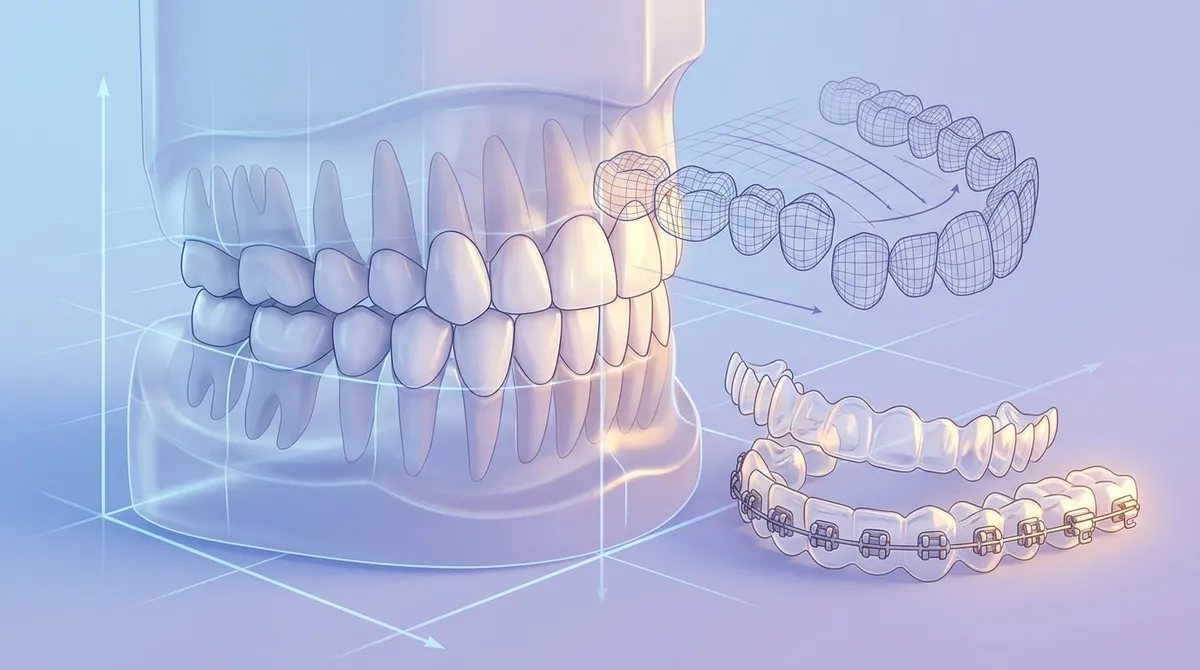
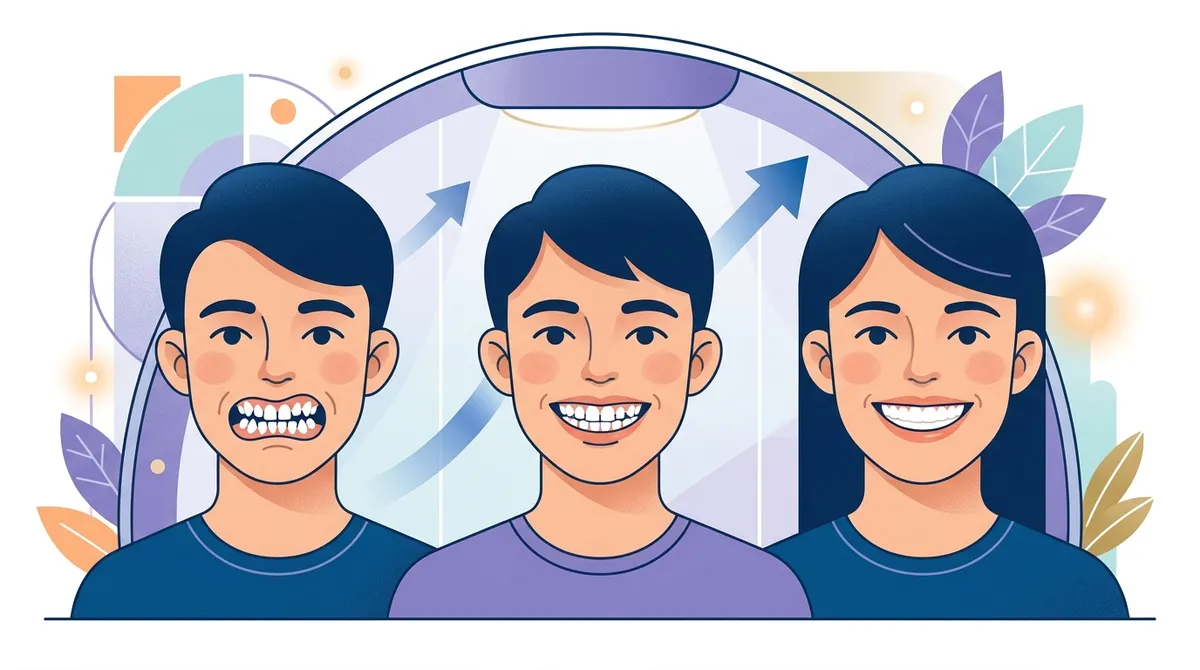
In orthodontics, teeth positioning refers to the planned movement and final arrangement of your teeth. The goal is to get every tooth sitting in the right place so your bite works properly and your smile looks its best. It’s not just about making teeth look straight — it’s about making sure they function well together, too.
A well-positioned set of teeth makes it easier to chew, speak, and keep your mouth clean. Misaligned teeth can cause wear, jaw strain, and even affect your confidence. That’s why orthodontic care focuses on both form and function when moving teeth into their ideal positions.
Common Alignment Problems That Affect Teeth Positioning
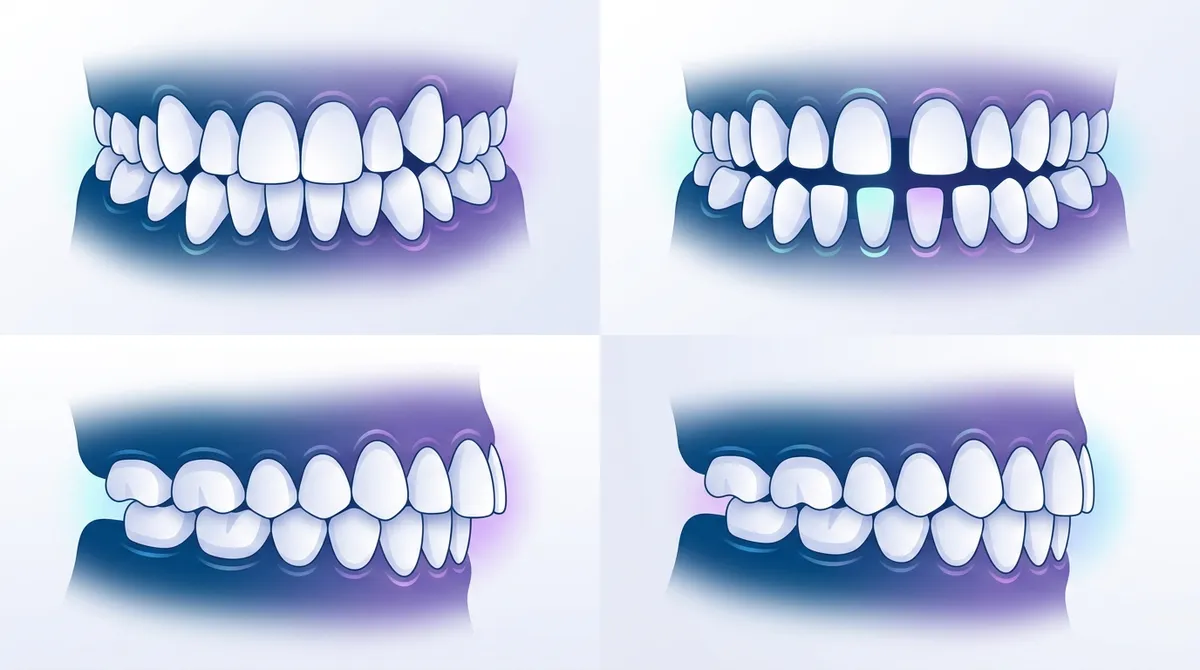
Before treatment begins, your orthodontist will look for specific issues that affect how your teeth are positioned. Here are the most common ones:
- Crowding: Teeth overlap or twist because there isn’t enough space in the jaw.
- Spacing: Gaps between teeth due to missing teeth or jaw size differences.
- Overbite: Upper front teeth overlap too far over the lower teeth.
- Underbite: Lower teeth sit in front of the upper teeth when biting.
- Open bite: Upper and lower teeth don’t meet even when the mouth is closed.
- Crossbite: Some upper teeth sit inside the lower teeth instead of outside.
Each of these problems affects teeth positioning in different ways. An orthodontist will create a personalized plan to move your teeth into the correct arrangement based on your specific situation. You can learn more about treatment options by visiting the Your First Visit page to know what to expect at your initial appointment.
How Orthodontists Plan Teeth Positioning Before Treatment
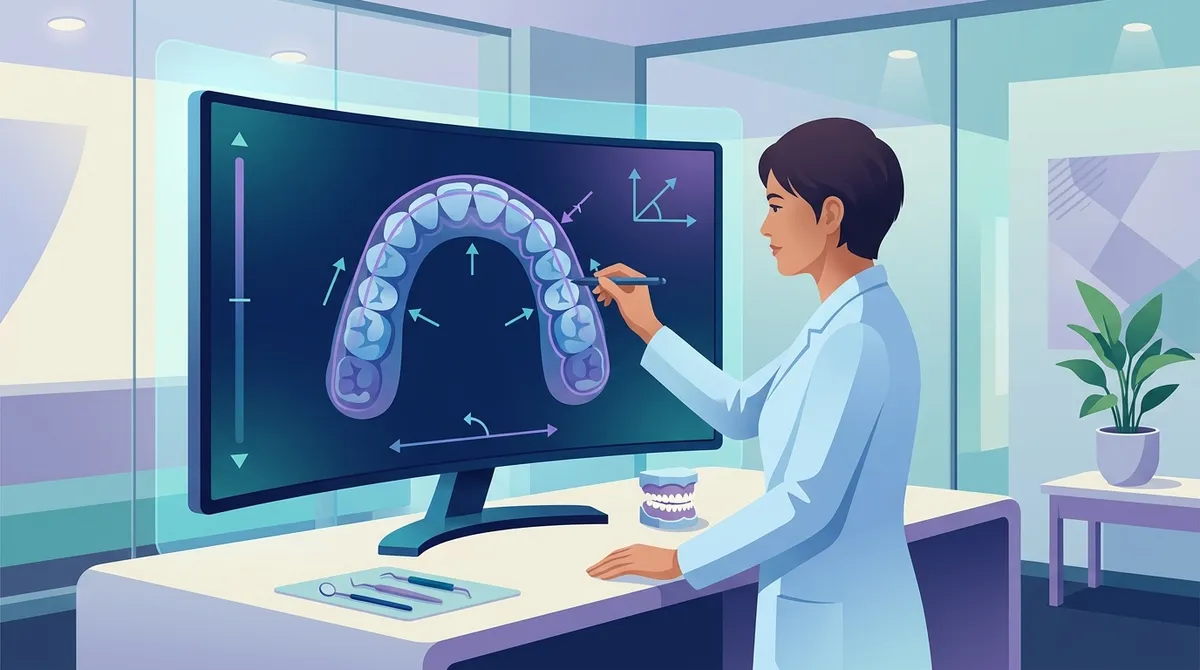
Good treatment starts with good planning. Orthodontists use several tools to map out exactly where every tooth needs to move before any appliance is placed. Here’s a look at the typical planning process:
- Clinical examination: The orthodontist visually checks your teeth, gums, jaw, and bite.
- Digital scans and X-rays: 3D digital imaging shows the teeth, roots, and bone structure in detail.
- Bite analysis: The orthodontist checks how your upper and lower teeth come together.
- Software simulation: Modern tools can simulate how your teeth will move during treatment, letting you see your future smile before you start.
Advanced orthodontic technology has made this planning phase much more accurate. Digital scans help identify potential issues early and allow orthodontists to design treatments that are more efficient and predictable than ever before.
How Braces Move Teeth Into Position
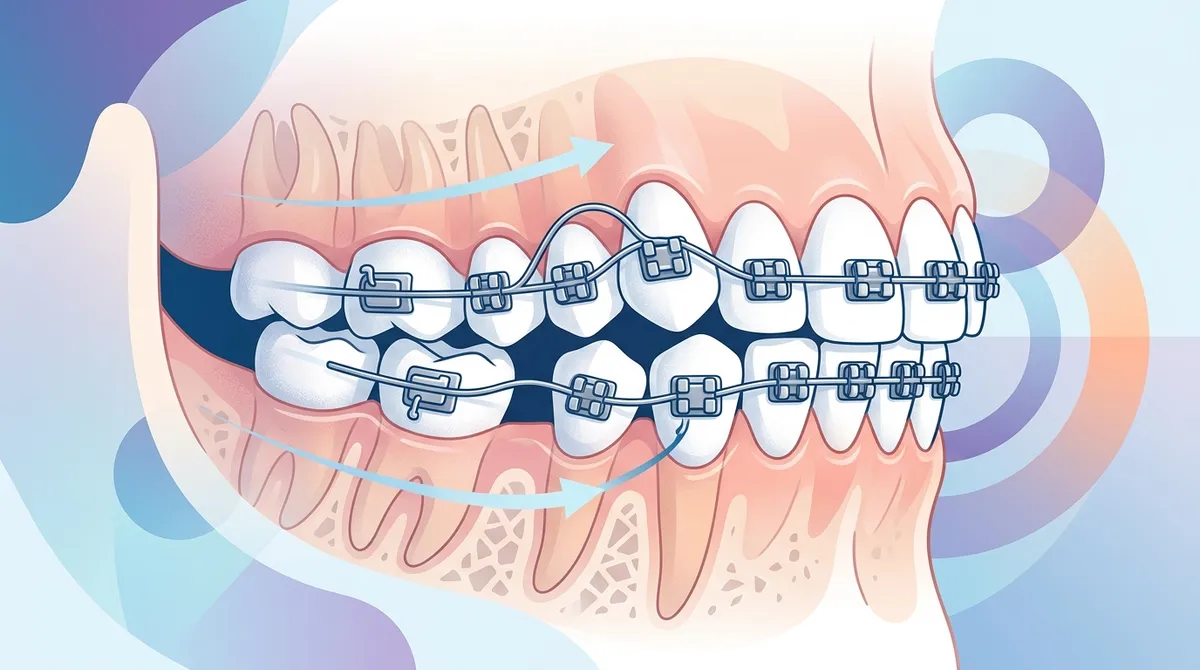
Braces work by applying gentle, consistent pressure to move teeth over time. The key component is the bracket — a small device bonded to each tooth. Brackets act as anchors for the archwire, which guides the direction and amount of tooth movement.
What many patients don’t realize is that bracket placement is a science in itself. Each bracket must be positioned in four specific dimensions to guide the tooth correctly:
| Dimension | What It Controls | Why It Matters |
|---|---|---|
| Vertical height | How high or low the bracket sits on the tooth | Affects the final position of the tooth tip |
| Mesiodistal location | Horizontal placement left or right on the tooth face | Ensures proper contact between teeth |
| Tip | The angle the tooth leans forward or backward | Improves bite and alignment |
| Torque | The rotation of the tooth root in or out | Aligns the root with the bone for stability |
If a bracket is placed even slightly off, the tooth may not move the way it should. In those cases, the orthodontist may reposition the bracket or adjust the archwire to compensate. This is why working with an experienced, board-certified orthodontist matters so much. Learn more about custom braces and how they’re designed for precise, effective teeth positioning.
Can Clear Aligners Correct Teeth Positioning?
Absolutely — and for many patients, they work just as effectively as braces. Clear aligners are a series of removable, nearly invisible trays that gradually shift teeth into their desired positions. Each tray moves teeth a small amount, and you switch to the next tray every one to two weeks.
Clear aligners are especially popular with teens and adults who want a discreet treatment option. They’re great for correcting many common positioning issues, including crowding, spacing, and mild to moderate bite problems. Want to see if clear aligners are right for you? Explore your options on the Clear Aligners page.
Teeth Positioning Treatment Options at a Glance
| Treatment Option | Best For | Visibility | Removable? |
|---|---|---|---|
| Custom Braces | Complex positioning issues, all ages | Visible | No |
| Clear Aligners | Mild to moderate issues, teens and adults | Nearly invisible | Yes |
| Retainers | Maintaining position after treatment | Low profile | Often yes |
Who Needs Teeth Positioning Treatment?
Teeth positioning treatment is beneficial for people of all ages. Here’s a quick breakdown by life stage:
Children
Early evaluation — ideally around age 7 — helps catch developing alignment problems before they become more serious. Some children benefit from early interceptive treatment to guide jaw growth and make space for permanent teeth. Visit the Children’s orthodontic care page to learn more about what’s right for younger patients.
Teenagers
The teen years are a prime time for orthodontic treatment because most permanent teeth have erupted. Teens have great options including both traditional braces and clear aligners. Check out the Teen orthodontic treatment page to explore what fits their lifestyle best.
Adults
It’s never too late to correct teeth positioning. Many adults are choosing low-profile options like clear aligners to straighten their smiles without disrupting their professional lives. The Adult orthodontic treatment page has everything you need to know.
What Happens After Teeth Are in Position? The Role of Retainers
Once your teeth have been moved into their correct positions, the work isn’t quite done. Teeth have a natural tendency to shift back toward where they started — this is called relapse. Retainers are worn after active treatment to hold teeth in their new positions while the surrounding bone stabilizes.
Most patients wear retainers full-time at first and then transition to nighttime wear. Skipping your retainer — even for a few weeks — can allow teeth to drift. Think of retainers as the final chapter of your teeth positioning story. Learn about your options on the Retainers page.
How Long Does Teeth Positioning Treatment Take?
Treatment time varies based on the complexity of your case. Here’s a general overview:
| Condition | Estimated Treatment Time |
|---|---|
| Minor crowding or spacing | 6–12 months |
| Moderate alignment issues | 12–18 months |
| Complex bite problems | 18–24+ months |
| Early interceptive (children) | Varies; may reduce later treatment time |
Your orthodontist will give you a personalized timeline during your consultation. The key is that consistent wear of your appliances and regular check-up visits keep treatment on track.
Tips to Support Your Teeth Positioning Treatment
Want to get the best results as quickly as possible? Follow these simple tips:
- Wear your aligners or retainers as directed — consistency is everything.
- Keep your orthodontic appliances clean — good hygiene prevents issues that can slow progress.
- Avoid hard or sticky foods if you have braces — these can damage brackets and wires.
- Attend every scheduled appointment — adjustments and check-ins keep treatment moving forward.
- Communicate with your orthodontist — if something feels off, say so early rather than waiting.
Why Choose a Board-Certified Orthodontist for Teeth Positioning?
Not all smiles are the same, and not all providers are equally trained to handle the complexity of teeth positioning. A board-certified orthodontist has completed specialized post-dental-school training — typically two to three years — focused exclusively on moving teeth and correcting bites safely and effectively.
At Chacon Orthodontics, Dr. Omar Chacon brings over 10 years of experience, advanced digital imaging, and a genuinely caring approach to every patient. Whether you speak English or Spanish, the team is ready to make you feel at home. Follow their work and patient stories on Instagram or connect on Facebook to see real smiles from real patients in the Brandon and Westchase communities. You can also explore Dr. Chacon’s background on LinkedIn.
Wondering what other patients think? Visit us on Google — Chacon Orthodontics Brandon to read reviews and get a feel for the warm, welcoming environment that patients love. You can also browse patient testimonials directly on the website.
Have more questions before getting started? The FAQs page covers many common questions about treatment, cost, and what to expect — and there are flexible payment plans and insurance options available to make care accessible.
Take the First Step Toward Better Teeth Positioning
Good teeth positioning improves your smile, your bite, and your overall confidence. Whether you’re just starting to explore options or you’re ready to get moving, the journey begins with a single step: a conversation with an orthodontist who truly listens.
Ready to see what’s possible for your smile? Schedule your complimentary consultation with the team at Chacon Orthodontics today — no pressure, just personalized guidance to help you take the next step toward the smile you deserve.
FAQs
Q: What does teeth positioning mean in orthodontics?
A: Teeth positioning in orthodontics refers to the planned movement of your teeth into their ideal locations so they look straight and bite together correctly. It’s the core goal of orthodontic treatment — moving each tooth to a specific position for both great appearance and healthy function!
Q: How do braces help with teeth positioning?
A: Braces use brackets bonded to each tooth and an archwire to apply gentle, consistent pressure that guides teeth into their correct positions over time. The placement of each bracket is carefully planned in multiple dimensions — vertical, horizontal, tip, and torque — to make sure every tooth lands right where it should.
Q: Can clear aligners fix teeth positioning problems as well as braces?
A: Yes! Clear aligners can correct many common teeth positioning issues, including crowding, spacing, and mild to moderate bite problems. They’re a popular choice for teens and adults who want a nearly invisible, removable option that still delivers excellent results.
Q: How long does it take to correct teeth positioning with orthodontic treatment?
A: Treatment time depends on the complexity of your case — minor issues may take as little as 6 months, while more complex alignment problems can take 18 to 24 months or more. Your orthodontist will give you a personalized timeline at your first visit so you know exactly what to expect.
Q: Why is it important to wear a retainer after teeth positioning treatment?
A: After your teeth have been moved into their new positions, they naturally want to drift back toward where they started — a process called relapse. Wearing your retainer as directed keeps your teeth in place while the surrounding bone fully stabilizes, protecting all the progress you worked so hard to achieve!