

Key Takeaways
-
Board certification through the American Board of Orthodontics is essential—verify this credential before choosing, as it indicates the provider has passed rigorous clinical exams and maintains the highest standard of care.
-
Verify your orthodontist has completed two to three years of post-dental residency training in orthodontics; this advanced education produces measurably better treatment outcomes than general dentists offering orthodontic services.
-
Attend a free consultation with no obligation to assess communication style, office environment, and whether you feel pressured; quality providers take time to explain all treatment options clearly without pushing a specific choice.
-
Choose an orthodontist offering multiple treatment options (braces, clear aligners, custom solutions, retainers) rather than practices limited to one approach, ensuring your specific age group and lifestyle needs are addressed.
-
Confirm the practice uses modern technology like digital 3D imaging and computer-aided treatment planning, which produce more precise, comfortable, and efficient results than standard X-rays and molds.
-
Review verified patient testimonials and before-and-after photos across diverse age groups and case types; consistent themes about compassionate care, clear communication, and successful results are reliable quality indicators.
Choosing the right orthodontist is one of the most important decisions you can make for your family’s long-term oral health. Whether you’re a parent seeking early care for a child, a teenager wanting a confident smile, or an adult ready to invest in straighter teeth, the quality of your orthodontist matters enormously. With the global orthodontics market growing at a 6.94% CAGR through 2030, more providers than ever are competing for your attention. That makes knowing how to identify the best orthodontist for your specific needs more critical than ever.
This guide walks you through the key criteria, questions, and steps you need to evaluate orthodontists with confidence. From board certification and technology to treatment options and patient experience, you’ll finish this article knowing exactly what to look for.

What Makes an Orthodontist the Best Choice?
Not all orthodontists are created equal. While any licensed dentist can offer some orthodontic services, a true orthodontic specialist has completed two to three additional years of accredited training after dental school. This advanced education makes a measurable difference in treatment outcomes.
The American Association of Orthodontists sets the professional standards that define quality orthodontic practice. Board certification through the American Board of Orthodontics is a strong indicator that the provider has demonstrated clinical excellence beyond the minimum licensing requirement. Always verify this credential before making a decision.
Core Qualifications to Evaluate
- Board certification: Indicates advanced clinical testing and peer evaluation
- Specialty training: Two to three years of post-dental residency in orthodontics
- Continuing education: Active participation in professional development and new techniques
- Experience treating diverse cases: Including children, teens, and adults with varying bite issues
- Bilingual capability: Particularly valuable for Spanish-speaking families seeking comfortable communication
For families in Westchase and Brandon, Florida, Dr. Omar Chacon is a board-certified orthodontist with over 10 years of clinical experience. He is fluent in both English and Spanish, making expert care accessible to bilingual households throughout the Tampa Bay area.

Step-by-Step Guide to Choosing the Best Orthodontist
Finding the right orthodontist does not have to feel overwhelming. Following a clear process helps you make a confident, well-informed choice for yourself or your family.
Step 1: Identify Your Treatment Needs
Different patients have different needs. A child aged seven may need early interceptive treatment to guide jaw development. A teenager may prioritize discreet options like clear aligners that fit into their active lifestyle. A working adult may need treatment that is subtle and flexible around a professional schedule.
Understanding your goals before you begin your search helps you filter providers who specialize in your age group and treatment type. You can also read more about early orthodontic treatment for children to understand when intervention is most beneficial.
Step 2: Verify Credentials and Board Certification
Once you have a short list of providers, confirm their credentials. Look up their orthodontic specialty training, board certification status, and any professional affiliations. The American Dental Association provides resources to help patients verify a provider’s license and standing.
Board-certified orthodontists have passed rigorous written and clinical exams. This adds a meaningful layer of assurance that the provider maintains the highest standard of care. Learn more about why choosing a board-certified orthodontist makes all the difference for your treatment outcome.
Step 3: Evaluate Technology and Treatment Options
The best orthodontists invest in modern technology. Digital 3D exams, advanced imaging, and computer-aided treatment planning produce more precise, comfortable, and efficient results. Technology also opens the door to a wider range of treatment options.
| Treatment Type | Best For | Visibility | Typical Duration |
|---|---|---|---|
| Traditional Metal Braces | Children, teens, complex cases | Visible | 18–36 months |
| Clear Aligners | Teens and adults | Nearly invisible | 12–24 months |
| Custom Braces | Patients wanting precision fit | Low profile | 18–30 months |
| Retainers | Post-treatment maintenance | Varies | Long-term/permanent |
Explore advanced orthodontic technology to understand how modern tools improve your treatment experience and results. You can also compare traditional braces versus clear aligners to find the option that fits your lifestyle best.
Step 4: Read Patient Reviews and Testimonials
Real patient experiences are among the most reliable indicators of an orthodontist’s quality. Look for consistent themes in reviews, such as compassionate care, clear communication, punctual appointments, and successful results. Avoid practices with repeated complaints about rushed visits or poor follow-up.
Ask the practice for before-and-after photos or check their website for patient testimonials that reflect a range of ages and case types. You can also visit us on Google to read verified patient reviews for Chacon Orthodontics from real families in the Westchase and Brandon communities.
Step 5: Assess the Consultation Experience
The first visit tells you a great deal about how a practice operates. A quality orthodontist will take time to listen to your concerns, conduct a thorough examination, and explain all available options clearly. You should never feel pressured into a specific treatment at your first appointment.
Look for practices that offer a free initial consultation with no obligation. This allows you to meet the doctor, ask questions, and evaluate the office environment before committing to treatment. Learn more about what to expect at your free orthodontist consultation so you arrive prepared.
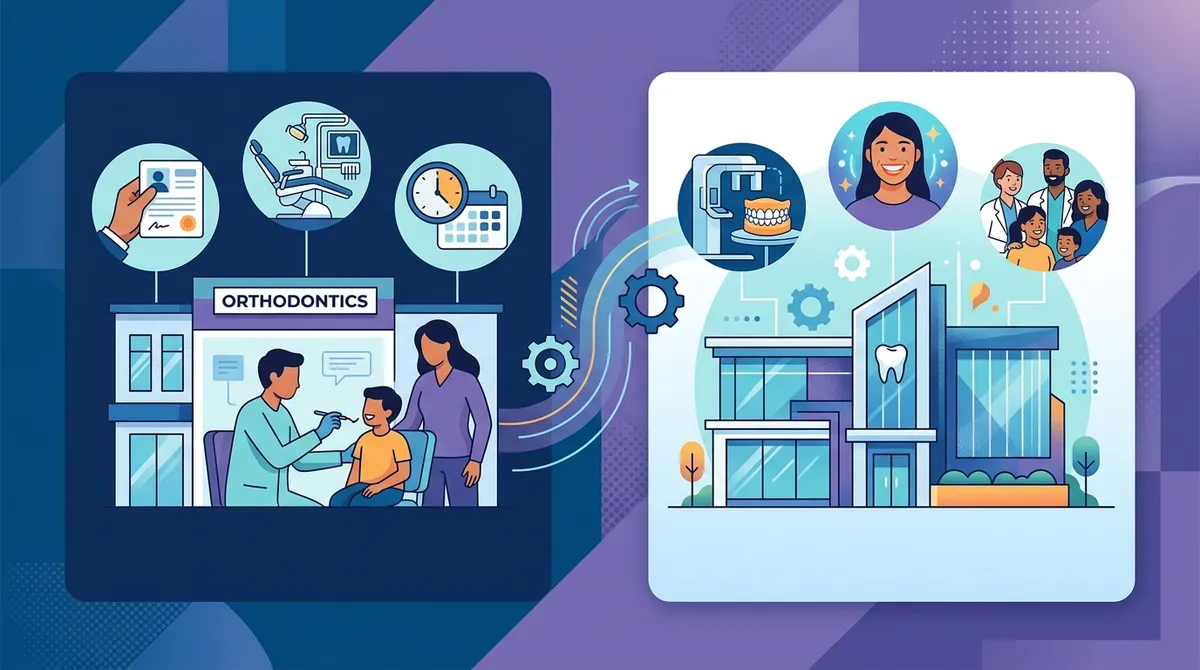
Comparing Key Criteria: What Separates Good from Great
| Criterion | Good Orthodontist | Best Orthodontist |
|---|---|---|
| Credentials | Licensed and trained | Board-certified specialist |
| Technology | Standard X-rays and molds | Digital 3D exams, modern imaging |
| Treatment options | Braces only | Braces, clear aligners, retainers, whitening |
| Patient communication | English only | Bilingual (English and Spanish) |
| Consultation | Paid, clinical only | Free, personalized, no pressure |
| Age coverage | Focused on one age group | Children, teens, and adults |
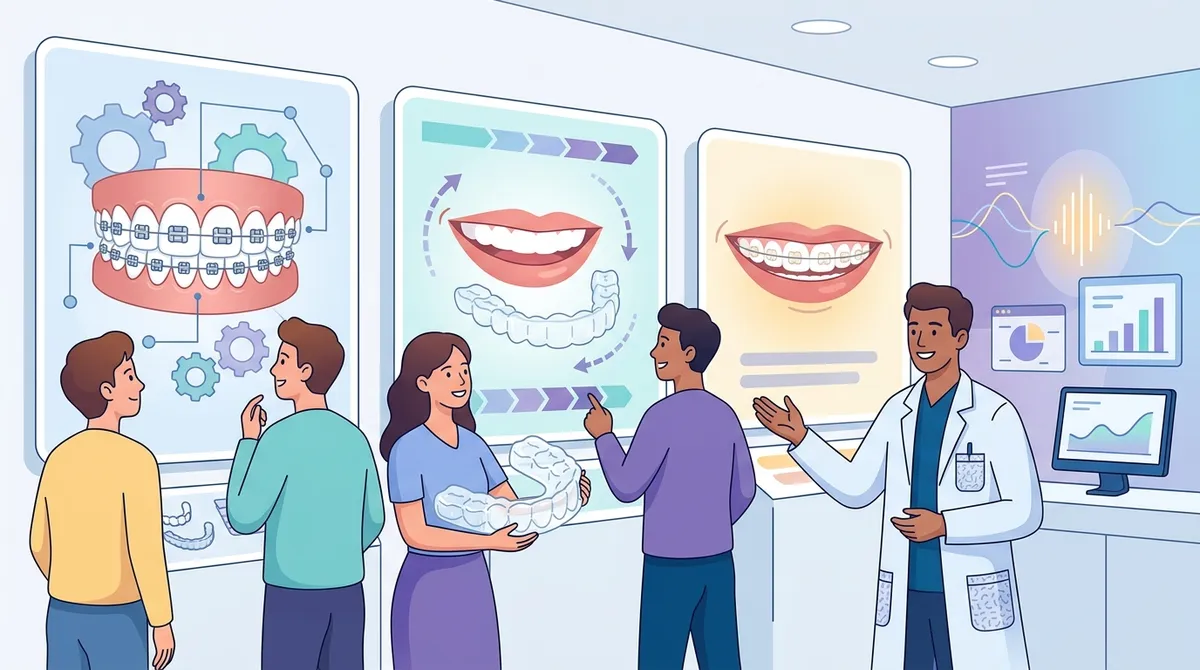
Treatment Options Offered by the Best Orthodontists
Top-rated orthodontic practices offer a full spectrum of treatment options tailored to every patient’s age, bite condition, and aesthetic preferences. Understanding what is available helps you ask the right questions during your consultation.
Clear Aligners
Clear aligners are a popular choice for teens and adults who want a discreet treatment experience. These removable trays are changed every one to two weeks and gradually shift teeth into alignment. They are comfortable, nearly invisible, and allow patients to eat and brush with ease. Read more about 9 things to know about invisible aligners in 2026 before starting treatment.
Custom Braces
Custom braces remain a highly effective solution for a wide range of orthodontic cases, including complex bite corrections that aligners may not address as efficiently. Custom braces are designed to fit each patient’s unique dental anatomy, improving comfort and treatment precision. For families curious about costs, the braces cost guide for 2026 provides a helpful breakdown.
Retainers
After active treatment ends, retainers are essential for maintaining your results long-term. The best orthodontists provide detailed guidance on retainer wear schedules and offer multiple retainer types to suit each patient’s needs. Learn more about orthodontic retainers and how they protect your investment in a straighter smile.
Teeth Whitening
Many leading orthodontic practices also offer professional teeth whitening as a complement to orthodontic treatment. After achieving a straight smile, whitening can elevate your results and enhance overall confidence.
Considerations for Each Patient Group
The best orthodontist for your family will offer expertise tailored to different age groups and life stages. Each patient group has unique priorities that a quality provider should address with skill and empathy.
For Young Children
The American Association of Orthodontists recommends a first orthodontic screening by age seven. Early evaluation allows the orthodontist to identify bite problems, crowding, or jaw development concerns before they become more complex. Children’s orthodontic care done early can reduce treatment time and cost later in life.
For Teenagers
Teens want orthodontic treatment that fits their lifestyle. The best providers offer flexible options like clear aligners or colored braces that let teenagers express their personality while undergoing treatment. Visit the teens orthodontic page to explore options designed specifically for this age group.
For Adults
Adult orthodontic treatment is increasingly common in 2026. Adults often prefer discreet solutions like clear aligners or tooth-colored braces that do not interfere with their professional image. Adult orthodontic care can also address long-standing bite problems that affect overall oral health.
Financial Planning and Insurance
Cost is a major factor in choosing an orthodontist. The best practices are transparent about pricing and offer flexible payment plans to make treatment accessible. Before committing, confirm what your dental insurance covers and ask about in-house financing options.
| Financial Option | What It Covers | Who Benefits Most |
|---|---|---|
| Dental Insurance | Partial treatment costs (varies by plan) | Families with employer-sponsored coverage |
| Flexible Payment Plans | Monthly installments for full treatment | Patients without full insurance coverage |
| FSA/HSA Accounts | Pre-tax dollars for qualified expenses | Adults with employer benefits |
| Free Consultation | No-cost initial evaluation | All new patients exploring options |
For a detailed overview of how dental insurance applies to orthodontic care, visit the guide on dental insurance and orthodontic treatment. You can also explore 7 ways to get affordable orthodontic care in 2026 for practical cost-saving strategies.
Red Flags to Avoid When Choosing an Orthodontist
Knowing what to avoid is just as important as knowing what to look for. Watch out for these warning signs when evaluating any orthodontic practice.
- No board certification: A lack of specialty credentials is a significant concern
- High-pressure sales tactics: Any practice that pushes you to sign up immediately should raise caution
- Limited treatment options: A quality provider should offer multiple solutions, not just one
- Poor communication: If staff are difficult to reach or unclear in their explanations, look elsewhere
- No before-and-after documentation: Reputable practices are proud to show their clinical results
- Unclear pricing: Transparent pricing is a hallmark of a trustworthy practice
Final Checklist Before You Decide
Use this numbered checklist to ensure you have covered all the important bases before selecting your orthodontist.
- Confirmed the orthodontist holds board certification in orthodontics
- Reviewed patient testimonials and verified ratings online
- Attended a free consultation and felt comfortable asking questions
- Received a clear explanation of all available treatment options
- Understood the full cost of treatment and available payment plans
- Confirmed the office location, hours, and language accessibility meet your needs
- Verified the practice uses modern technology for diagnosis and treatment planning
Conclusion
Finding the best orthodontist is not a matter of luck. It is the result of asking the right questions, verifying credentials, and evaluating the full picture of care a practice provides. Whether you are exploring treatment options for a child, a teenager, or yourself as an adult, a board-certified specialist with modern technology, transparent pricing, and genuine patient focus is always the right choice.
Chacon Orthodontics serves families throughout Westchase and Brandon, Florida, with expert, bilingual care that combines advanced technology with a warm, personalized approach. Discover what sets Chacon Orthodontics apart and why so many local families trust Dr. Omar Chacon with their smiles. Take the first step toward a healthier, more confident smile by scheduling your free orthodontic consultation today — no pressure, no obligation, just expert guidance designed around your goals.
FAQs
Q: What qualifications should the best orthodontist have?
A: The best orthodontist should be a board-certified specialist who has completed two to three years of post-dental residency training in orthodontics. Board certification through the American Board of Orthodontics confirms that the provider has met the highest clinical standards in the field.
Q: How do I know if an orthodontist is the right fit for my child?
A: Look for a provider who offers a free consultation, listens carefully to your concerns, and has documented experience treating children at various stages of dental development. A welcoming office environment and clear communication are also strong indicators of a practice that prioritizes young patients.
Q: What treatments do the best orthodontists offer for adults?
A: Top orthodontists offer discreet options such as clear aligners, tooth-colored braces, and custom braces designed to fit an adult’s professional lifestyle. Many leading practices also include professional teeth whitening as a complementary service to enhance final treatment results.
Q: How long does orthodontic treatment typically take with the best providers?
A: Treatment duration varies by case complexity and the method chosen. Clear aligner treatment typically ranges from 12 to 24 months, while traditional or custom braces may take 18 to 36 months. A thorough consultation with a board-certified orthodontist will provide a personalized treatment timeline.
Q: What is the cost of orthodontic treatment with a top-rated orthodontist?
A: Costs vary depending on the type of treatment, the complexity of the case, and the provider’s location. The best orthodontists offer transparent pricing, flexible payment plans, and guidance on how to use dental insurance or FSA/HSA funds to reduce out-of-pocket expenses.