Key Takeaways
-
2026 braces costs in the US range from $3,000 to $13,000, with the national average between $5,000-$6,000. Metal braces are most affordable ($3,000-$7,000) while lingual braces are most expensive ($5,000-$13,000).
-
Adults pay $500-$1,500 more than children for the same braces type because fully developed jaw structures make tooth movement more complex and treatment longer.
-
Insurance typically covers 50% of treatment or up to $1,000-$2,500 lifetime maximum for children under 19, but adult coverage is limited; always verify your specific plan before treatment.
-
Geographic location significantly affects pricing—Bay Area costs $5,500-$7,500 for metal braces while Florida's Westchase/Brandon areas offer competitive rates at $3,500-$6,500.
-
Treatment complexity is a major cost driver: simple cases cost less and take 12 months, while complex cases involving crowding or bite issues take 24-36 months and cost substantially more.
-
Most orthodontic offices offer flexible financing including interest-free monthly payment plans, third-party healthcare credit programs, and FSA/HSA account options to make treatment accessible.
If you are wondering how much do braces cost, you are not alone. It is one of the most common questions orthodontic patients ask before starting treatment. The answer depends on several factors, including the type of braces, the complexity of your case, and where you live. In 2026, braces costs in the United States range from $3,000 to $13,000, depending on these variables. Understanding what drives the price can help you plan your budget and make confident decisions for yourself or your family. Whether you are a parent exploring options for your child, a teen ready for a straighter smile, or an adult considering treatment for the first time, this guide breaks down everything you need to know about braces costs — clearly and honestly.

What Is the Average Cost of Braces in 2026?
The national average cost for comprehensive orthodontic treatment falls between $5,000 and $6,000, according to American Dental Association survey data. However, the type of braces you choose plays a major role in your final bill. Metal braces remain the most affordable option, while lingual braces sit at the top of the price range.
Here is a quick breakdown of average costs by braces type in 2026:
| Type of Braces | Average Cost Range | Best For |
|---|---|---|
| Metal Braces | $3,000 – $7,000 | Children, teens, budget-conscious patients |
| Ceramic Braces | $4,000 – $8,500 | Patients wanting a less visible option |
| Clear Aligners | $3,000 – $9,500 | Adults, mild-to-moderate cases |
| Lingual Braces | $5,000 – $13,000 | Patients seeking completely hidden treatment |
The national average for metal braces specifically is approximately $6,343, with a wide range from $2,500 to $10,000 depending on location and treatment needs. If you are curious about the custom braces options available at your local orthodontist, scheduling a consultation is the best first step.
Key Factors That Affect the Cost of Braces
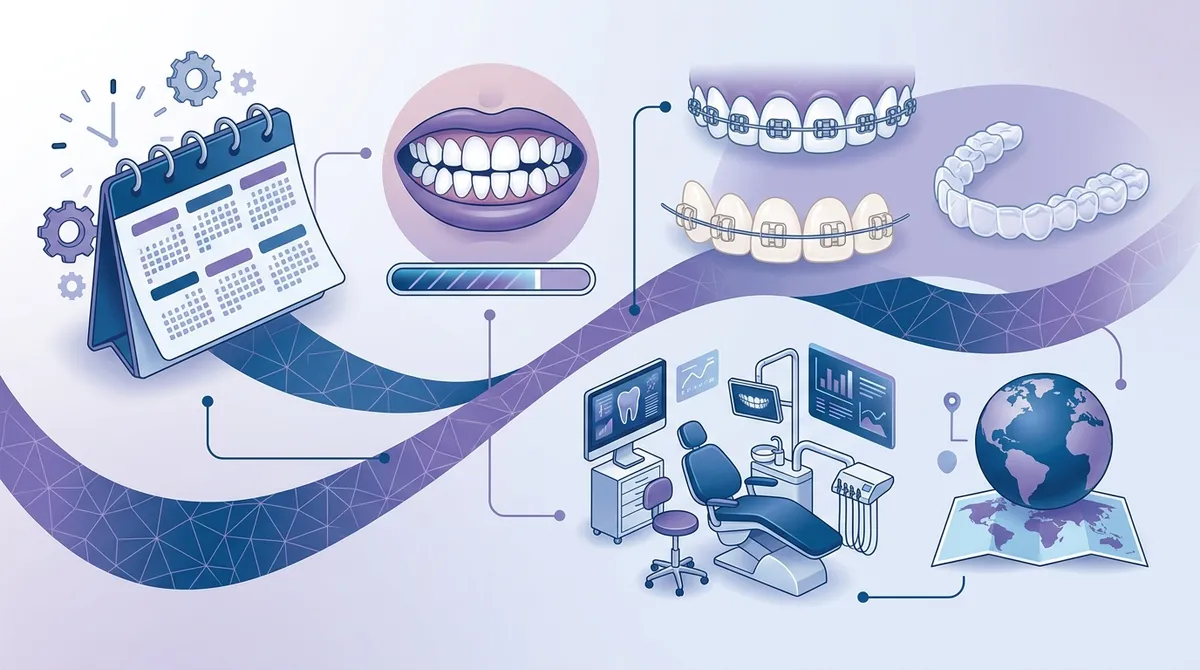
The price of braces is never one-size-fits-all. Several important factors determine what you will pay. Understanding these variables helps set realistic expectations before your first appointment.
1. Type of Braces
As shown in the table above, the type of braces you choose is one of the biggest cost drivers. Metal braces are the most affordable and most widely used. Clear aligners like transparent trays are a popular choice for adults and teens who want a discreet option, though they can cost as much as ceramic braces depending on treatment length.
2. Treatment Complexity
Simple alignment corrections cost less than complex cases involving significant crowding, bite issues, or jaw alignment problems. The more work required, the longer treatment takes — and the higher the cost. A mild case may wrap up in 12 months, while complex cases can take 24 to 36 months.
3. Patient Age
Adults often pay $500 to $1,500 more than children for the same type of braces. This is because adult teeth and jaw structures are fully set, which can make some corrections more involved. Adult orthodontic treatment is still very effective and increasingly common in 2026.
4. Geographic Location
Where you live affects pricing significantly. Here is how costs compare across key U.S. regions in 2026:
| Region / State | Average Metal Braces Cost |
|---|---|
| National Average | $5,000 – $6,500 |
| California (Bay Area) | $5,500 – $7,500 |
| California (Statewide) | $6,087 |
| Hawaii | $6,969 |
| Florida (Westchase / Brandon) | $3,500 – $6,500 |
Florida generally offers competitive pricing compared to coastal metro markets. Families in the Westchase and Brandon areas can often access quality care at reasonable rates.
5. Orthodontist Experience and Credentials
Board-certified orthodontists with extensive training and experience may charge slightly more than general dentists offering orthodontic services. However, the quality of care, precision of results, and personalized attention often justify the investment. You can learn more about what sets specialists apart by visiting the American Association of Orthodontists.

Braces Costs for Children vs. Teens vs. Adults
Age plays a clear role in how braces are priced and how treatment is planned. Here is what each group should expect:
Children (Ages 7–12)
Early orthodontic treatment, sometimes called Phase 1, can begin as young as age 7. Catching problems early can prevent more complex — and more expensive — treatment later. Children’s orthodontic care is often partially covered by insurance. Costs for early intervention can range from $1,000 to $3,500 for Phase 1 alone.
Teens (Ages 13–19)
Teenagers are the most common orthodontic patients. Treatment during the teen years is ideal because the jaw is still developing, making teeth easier to move. Teen braces options include traditional metal, ceramic, and clear aligners. Full treatment typically costs $3,000 to $8,000 depending on type and complexity.
Adults (20+)
Adult orthodontic treatment has grown significantly in popularity. While costs can be slightly higher than for children or teens, adult braces and aligners deliver excellent, lasting results. Many adults prefer clear aligners for professional settings. Full treatment ranges from $3,500 to $9,500.
Does Insurance Cover Braces?
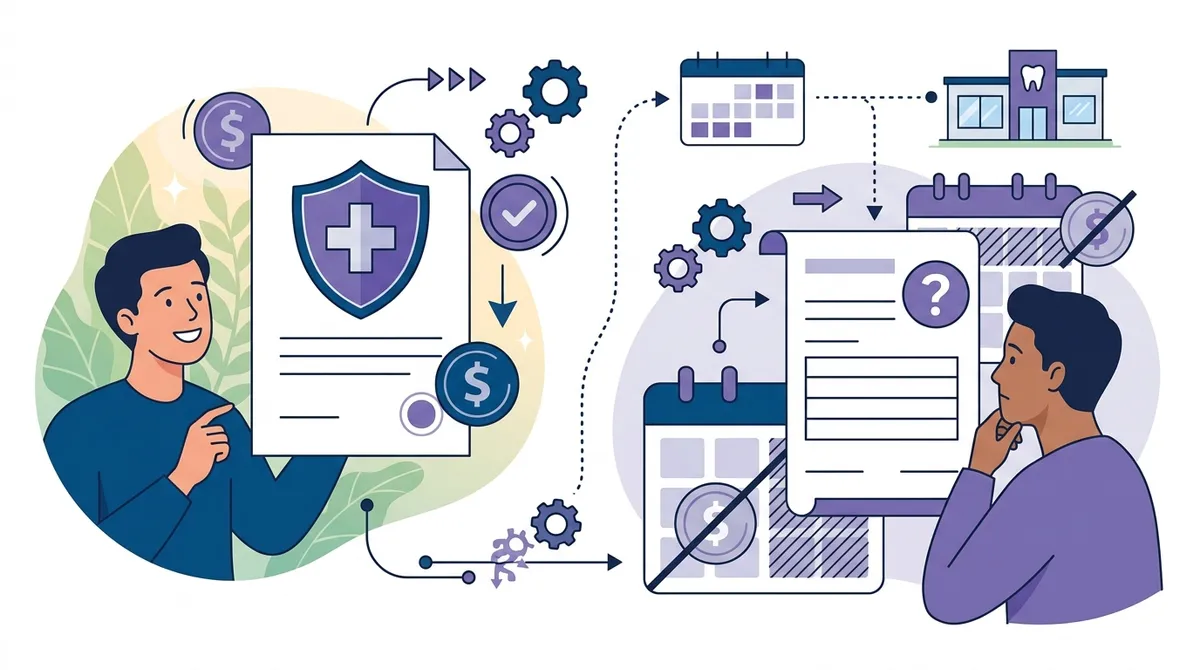
Dental insurance can help reduce out-of-pocket costs, but coverage varies widely. Here are the key points to understand:
- Most plans cover children under 19: Many insurance policies include orthodontic benefits for minors, typically covering up to 50% of treatment costs or a set lifetime maximum (often $1,000–$2,500).
- Adult coverage is limited: Many adult dental plans do not include orthodontic benefits or cap coverage at lower amounts.
- Pre-authorization is common: Insurance companies often require documentation from your orthodontist before approving claims.
- FSA and HSA accounts can help: Flexible Spending Accounts and Health Savings Accounts can be used to cover orthodontic expenses with pre-tax dollars.
It is always worth checking with your insurance provider and your orthodontist’s office before starting treatment. Learn more about how to navigate orthodontic insurance coverage to maximize your benefits.
Payment Plans and Financing Options
Most orthodontic practices offer flexible payment options to make treatment more accessible. You should not have to delay care simply because of upfront costs. Common financing options include:
- In-office payment plans: Many practices split treatment fees into monthly installments, often with no interest for qualified patients.
- Third-party financing: Companies like CareCredit or LendingClub offer extended payment plans specifically for medical and dental care.
- Insurance coordination: Your orthodontist can help bill your insurance directly and collect only your remaining balance.
- Discounts for upfront payment: Some offices offer a small discount if you pay the total fee at the start of treatment.
At Chacon Orthodontics, flexible orthodontic payment plans are available to help families in Westchase and Brandon manage treatment costs comfortably. The goal is to make sure cost never becomes a barrier to a healthy, confident smile.
What Is Included in the Cost of Braces?
When you receive a treatment quote, it typically includes several services bundled together. Understanding what is covered helps you compare quotes accurately.
| Typically Included | May Be Extra |
|---|---|
| Initial consultation | Dental X-rays (if not included) |
| Records and digital 3D scans | Teeth whitening after treatment |
| Braces or aligner trays | Lost or broken retainer replacement |
| Regular adjustment appointments | Additional phases of treatment |
| Retainers (often one set) | Emergency repair visits |
After braces come off, retainers are essential for keeping your teeth in their new positions. Make sure to ask your orthodontist what is and is not included in your quoted price before you commit.
Tips for Reducing the Cost of Braces
There are several practical ways to lower your total out-of-pocket expense without compromising quality of care:
- Start early for children: Early treatment can prevent the need for more complex and costly interventions later on.
- Use your insurance benefits: Take full advantage of any orthodontic benefits included in your dental plan.
- Ask about discounts: Some offices offer multi-family discounts or seasonal promotions.
- Choose the right treatment type: Metal braces are typically the most affordable option if aesthetics are not a primary concern.
- Schedule a free consultation: Many practices, including Chacon Orthodontics, offer complimentary consultations so you can get an accurate quote with no commitment.
You can schedule your complimentary consultation online today to get a personalized cost estimate based on your specific needs.
Why Choose a Board-Certified Orthodontist?
When comparing costs, it can be tempting to opt for the lowest price available. However, orthodontic treatment is a long-term investment in your health and appearance. Choosing a qualified, board-certified orthodontist ensures you receive accurate diagnosis, a personalized treatment plan, and results that last.
Dr. Omar Chacon is a board-certified orthodontist with over 10 years of experience serving patients in Westchase and Brandon, Florida. He offers care in both English and Spanish, making his practice welcoming for bilingual families throughout the Tampa Bay area. The practice uses advanced digital 3D scanning and modern technology to create precise, customized treatment plans. You can learn more about what makes Chacon Orthodontics different or visit the practice on Google to read patient reviews.
For additional guidance on orthodontic treatment standards, the American Association of Orthodontists provides trusted resources for patients navigating their care options.
Conclusion
So, how much do braces cost in 2026? The honest answer is that it depends — but with metal braces starting around $3,000 and most comprehensive treatments falling between $5,000 and $7,000, there is a wide range of options to fit different budgets and needs. Insurance, financing plans, and early intervention can all help reduce the financial burden. The most important step you can take is to get a professional evaluation so you know exactly what your treatment will involve and what it will cost.
Ready to get started? Schedule your free consultation at Chacon Orthodontics today and take the first step toward a confident, lasting smile for you or your child.
FAQs
Q: How much do braces cost without insurance in 2026?
A: Without insurance, braces typically cost between $3,000 and $10,000 depending on the type and complexity of treatment. Metal braces are the most affordable at $3,000–$7,000, while lingual braces can reach $13,000. A consultation with a board-certified orthodontist will provide a personalized cost estimate.
Q: Does dental insurance cover braces for adults?
A: Adult orthodontic coverage varies significantly by insurance plan. Many plans focus coverage on children under 19, offering a lifetime orthodontic benefit of $1,000–$2,500. Some adult plans do include partial coverage, so it is important to review your policy details and confirm with your orthodontist’s billing team before beginning treatment.
Q: Are clear aligners more expensive than traditional braces?
A: Clear aligners range from $3,000 to $9,500, which can be comparable to or slightly higher than traditional metal braces depending on treatment duration and complexity. For mild-to-moderate cases, clear aligners may be priced similarly to ceramic braces. Your orthodontist can recommend the most cost-effective option based on your specific needs.
Q: What financing options are available for braces?
A: Most orthodontic practices offer in-office monthly payment plans, often with low or no interest for qualified patients. Third-party financing through healthcare credit programs is also widely available. Additionally, FSA and HSA accounts can be used to pay for orthodontic treatment with pre-tax dollars, reducing the effective cost.
Q: Are braces more expensive for adults than for children?
A: Yes, adults typically pay $500 to $1,500 more than children for the same type of braces. This is because adult jaw structures are fully developed, which can make tooth movement more complex and treatment duration longer. However, adult orthodontic treatment is highly effective and widely available in 2026.