Key Takeaways
-
Expect some soreness for about a week after braces go on; soft foods, orthodontic wax for irritating brackets, and warm salt water rinses can help you feel better faster.
-
Plan on adjustment visits every 4 to 8 weeks, and keep every appointment, since skipping them can slow progress and extend your time in braces.
-
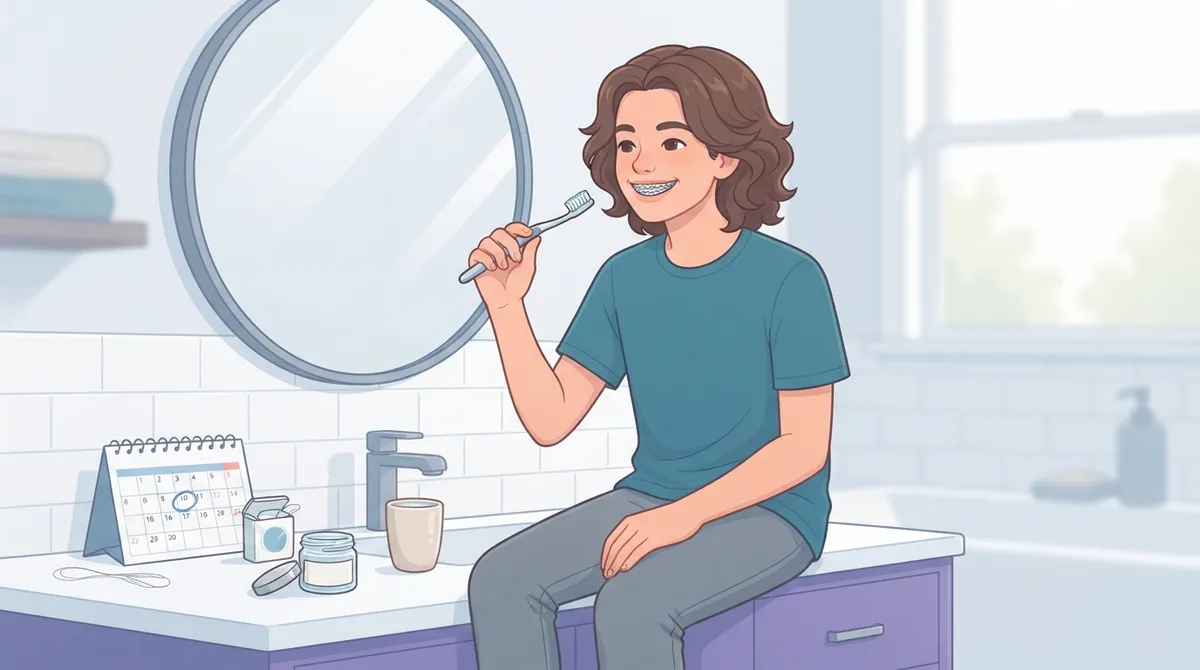
Adopt a stricter cleaning routine using a soft-bristle brush, fluoride toothpaste, interdental brushes, and floss threaders to prevent cavities, swollen gums, and lasting white or brown marks.
-
Avoid hard, sticky, and chewy foods like ice, caramel, and bagels, which can bend wires or pop brackets off, and limit sugary or acidic drinks.
-
Most people wear braces about 12 to 24 months, but crowding, bite problems, and missed elastics or appointments can change your timeline.
-
Wear your retainer as directed after braces come off, since without one your teeth can slowly drift back to their old positions.
Thinking about getting braces? First of all, congratulations! You are taking a big step toward a healthier, more confident smile. But if you are like most people, you probably have a few butterflies too. Will it hurt? How long will it take? Can you still eat pizza? These are great questions, and we hear them every day.
The good news is that knowing what to expect with braces takes away most of the worry. Braces work by gently moving your teeth into better positions over time. Along the way, you will visit your orthodontist, learn new daily habits, and enjoy some pretty exciting milestones.
In this friendly guide, we walk through eight things you can expect from start to finish. Whether you are a parent helping your child, a teen getting ready for school and sports, or an adult balancing a busy career, this guide is for you. Let’s dive in!
1. A Friendly First Visit and Smile Assessment
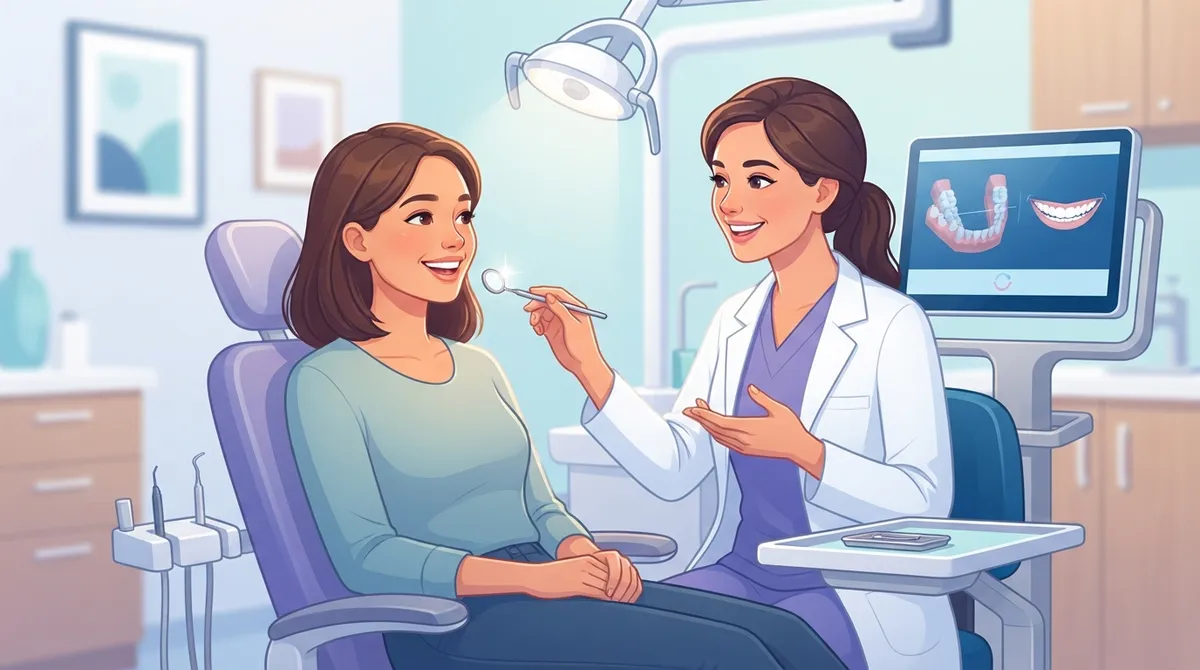
Your braces journey starts with a consultation. During this visit, the orthodontist looks closely at your teeth, your bite, and how your jaws line up. They may take photos, X-rays, or digital scans to build a clear picture of your smile.
This is also your time to ask questions. A good orthodontist will explain your options, estimate how long treatment may take, and talk about cost. If you want to know what a first appointment feels like for little ones, check out this guide on what to expect at your child’s first visit.
Here is what usually happens at the first visit:
- A quick review of your dental and health history
- A visual exam of your teeth, gums, and bite
- Photos, X-rays, or 3D digital images
- A talk about treatment options and timelines
- Time for your questions and concerns
Chacon Orthodontics offers a free consultation, so you can learn your options with zero pressure. Bilingual team members are ready to help in English or Spanish, which makes families feel right at home.
2. Getting Your Braces Put On
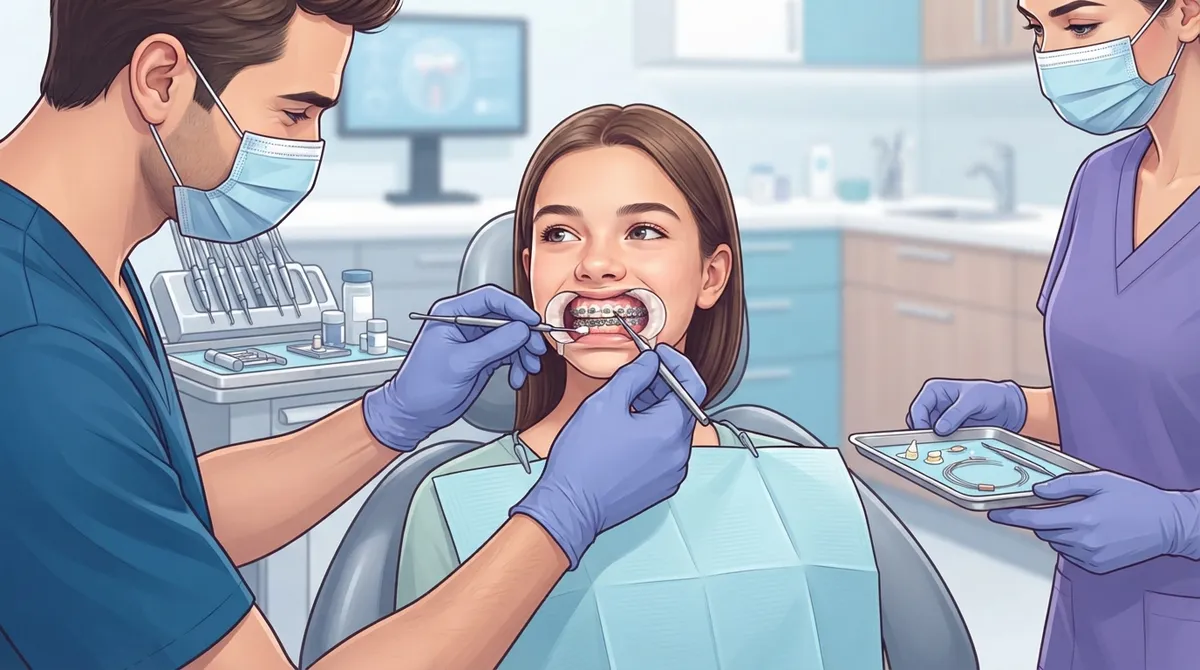
Many people picture this day as scary. In reality, it is usually calm and surprisingly quick. Getting braces put on is generally not painful. The orthodontist cleans and dries your teeth, attaches small brackets, and then connects them with a thin wire.
You will not feel sharp pain during placement. Most people describe it as a little boring, with some jaw tiredness from keeping their mouth open. Afterward, your teeth may feel snug and tender.
What the Process Looks Like
- Your teeth are cleaned and gently dried.
- Brackets are placed on each tooth with a special dental glue.
- A light is used to harden the glue.
- The archwire is threaded through the brackets.
- Small bands or ties hold the wire in place.
You can choose from different styles, such as metal, ceramic, or colorful bands. Curious about your options? Take a peek at this guide to types of braces or explore custom braces designed around your smile.
3. Some Soreness (and How to Handle It)
Let’s be honest. Your teeth will probably feel sore for a few days after braces go on. That pressure means your teeth are starting to move. Your lips, cheeks, and tongue may also feel a little irritated while they get used to the new hardware.
The good news? This feeling fades. Most people say they feel normal again within a week or so. Dr. Chacon shares more in this post on whether braces are painful.
Here are simple ways to feel better fast:
- Stick to soft foods like yogurt, mashed potatoes, and soup for the first few days
- Use orthodontic wax on any bracket that rubs your cheek or lip
- Take over-the-counter pain relief if your orthodontist says it is okay
- Rinse with warm salt water to soothe sore spots
If you have severe or lasting pain, call your orthodontist. You should never have to just “tough it out.”
4. Regular Adjustment Visits
Braces are not a one-and-done deal. You will visit your orthodontist regularly so they can check your progress and make small changes. These visits are how your teeth keep moving in the right direction.
Adjustment visits are commonly scheduled every 4 to 8 weeks, though your plan may vary. The American Association of Orthodontists notes that progress checks are often about every 6 to 10 weeks, and the NHS suggests roughly every 6 to 8 weeks. Your orthodontist will tell you what is best for your case.
During an adjustment, your orthodontist may:
- Swap out or tighten the archwire
- Change the colored bands if you use them
- Check that all brackets are secure
- Review your cleaning habits
- Give you new elastics if needed
Keeping your appointments matters a lot. Skipping visits can slow your progress and extend your time in braces. If you wear rubber bands, wear them exactly as directed. They help fix your bite, and they only work when you use them.
5. A New Daily Cleaning Routine
With braces, food and plaque love to hide around brackets and wires. That means your brushing and flossing routine needs a little upgrade. Skipping this step can lead to cavities, swollen gums, or permanent white or brown marks on your teeth after braces come off.
Want a step-by-step guide? Learn how to brush and floss with braces effectively, or read about how to clean teeth with braces every day.
Your Braces Cleaning Toolkit
- A soft-bristle toothbrush (and a spare to keep in your bag)
- Fluoride toothpaste
- Interdental brushes to clean around brackets
- Floss threaders or a water flosser for between teeth
- A travel kit for school, work, or sports
Brush after meals when you can, and always before bed. Do not skip your regular dental checkups either. The AAO recommends professional cleanings at least every six months during treatment, and sometimes more often if your dentist suggests it.
6. A Few Food Rules (But You Will Still Enjoy Eating!)
No, you do not have to live on mashed potatoes forever. You just need to be smart about what you eat. Hard, sticky, crunchy, and chewy foods can bend wires or pop brackets off your teeth. That means extra trips to the orthodontist and possibly longer treatment.
| Food Type | Examples | Better Choice |
|---|---|---|
| Hard | Hard candy, ice, nuts | Soft cheese, yogurt |
| Sticky | Caramel, taffy, gum | Pudding, soft fruit |
| Crunchy | Popcorn, chips, raw carrots | Steamed veggies, crackers softened in soup |
| Chewy | Bagels, tough meat, licorice | Pasta, tender chicken, eggs |
Some foods are fine if you prepare them differently. For example, cut apples and raw veggies into small pieces rather than biting into them. Also, try to limit sugary and acidic drinks, since they can harm your enamel.
Need ideas? Check out Dr. Chacon’s simple guide to foods to avoid with braces and these braces-friendly snacks that parents love.
7. How Long Treatment Takes
Everyone wants to know the finish line. The honest answer is that it depends. Treatment length changes based on how complex your case is, which type of appliance you use, and how well you follow instructions.
Many people wear braces for about 12 to 24 months, according to the AAO. The NHS says fixed braces commonly last one to two years, and Cleveland Clinic reports an average of about two years. Some cases wrap up in under a year, while others may take up to three years or more.
What Can Affect Your Timeline
- How crowded or spaced your teeth are
- The type of bite problem you have, such as an overbite or underbite
- Your age and how your jaws are growing
- Whether you wear your elastics as directed
- How often you keep your appointments
- How well you protect your braces from damage
Want to plan ahead? Here is a helpful read on how long braces treatment takes in 2026. And if you are curious about different paths to a straight smile, compare braces vs. clear aligners.
8. Retainers and Lasting Results
The day your braces come off is a big celebration! But your journey is not quite over. After braces, you will need a retainer to help hold your teeth in their new spots. Without one, teeth can slowly drift back.
Think of retainers as the final chapter of your treatment, not an optional extra. Your orthodontist will explain which type you need and how often to wear it. Some people wear retainers full time at first, then switch to nights only.
- Fixed retainers: a thin wire bonded behind your teeth
- Clear retainers: removable, nearly invisible trays
- Wire retainers: a classic removable style with a wire across the front
Learn more in this guide on what dental retainers are and why you need one, or explore retainer options at Chacon Orthodontics. Many patients also love finishing their journey with professional teeth whitening for an extra pop of confidence.
What About Emergencies and Possible Bumps?
Even with great care, small problems can happen. A bracket may come loose, or a wire may poke your cheek. Do not panic! Cover any sharp spot with orthodontic wax and call your orthodontist right away. Wax is a short-term fix, not a replacement for a professional check.
Other possible issues include gum swelling, cavities, or white marks on teeth if cleaning is not thorough. In some cases, braces can slightly shorten tooth roots. Regular monitoring and good home care help keep risks low. For urgent situations, read about orthodontic emergencies and when to call Dr. Chacon.
Braces for Every Member of the Family
Braces are not just for teens! Kids may start with early evaluation to guide growing jaws. Teens often love how braces fit their busy school and sports schedules. And adults can absolutely get braces too, with options that keep a low profile at work.
If you are a busy professional, you might enjoy what to know about adult orthodontic treatment. And if you are weighing your options as a teen or parent, this comparison of braces vs. clear aligners for teens can help.
Dr. Omar Chacon is a board-certified orthodontist with more than 10 years of experience. He offers care in both English and Spanish, and uses advanced tools like 3D digital imaging for precise, personalized plans. You can see what patients say by reading patient testimonials, or catch smile moments on Instagram, Facebook, and LinkedIn.
Ready to Start Your Smile Journey?
Braces come with a few ups and downs, but the end result is worth it. Expect some soreness at first, a few new habits, and regular visits. In return, you get a healthier bite and a smile you are proud to show off.
If you are in the Brandon or Westchase area, we would love to meet you. Read what neighbors are saying and visit us on Google — Chacon Orthodontics Brandon to see our location and reviews. Then take the first step: book your free consultation today, or contact us with any questions. Your best smile is closer than you think!
FAQs
Q: Does getting braces put on hurt?
A: Good news! Placing braces is generally not painful, since it mostly involves cleaning your teeth and attaching brackets. Your teeth may feel tender or pressured for a few days afterward, and soft foods plus orthodontic wax can help you feel comfortable.
Q: How long do you usually have to wear braces?
A: Many people wear braces for about 12 to 24 months, but some finish in under a year and others need up to three years or more. Your orthodontist will give you a personal timeline based on your teeth, your bite, and how closely you follow instructions.
Q: How often do you need orthodontist appointments with braces?
A: Adjustment visits are commonly scheduled every 4 to 8 weeks, though your plan may be a little different. Keeping every appointment helps your treatment stay right on track.
Q: What should you do if a bracket comes loose or a wire is poking?
A: Do not worry, this happens! Cover the sharp or irritating spot with orthodontic wax and call your orthodontist so they can repair it. Wax is only a temporary fix, so a professional check is still important.
Q: Do you need to wear a retainer after braces are removed?
A: Yes, retainers are an important part of treatment, not an optional extra. They help keep your teeth in their new positions, and your orthodontist will explain which type you need and how often to wear it.