
Key Takeaways
-
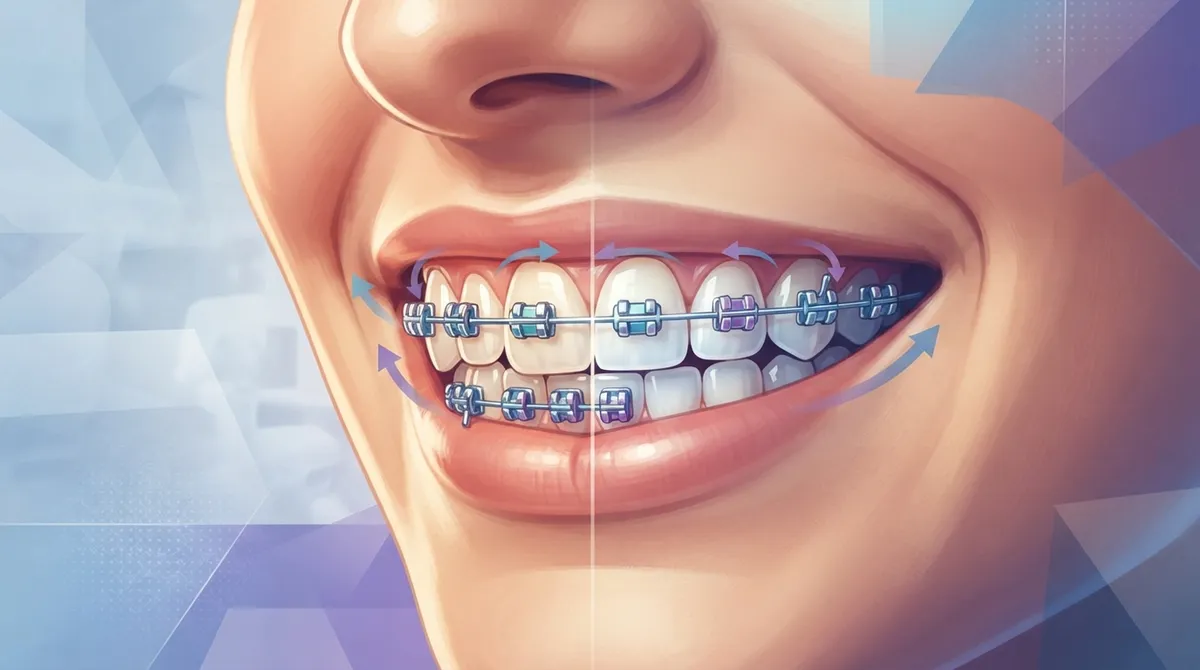
Metal braces work for nearly all alignment issues because they use brackets bonded to teeth connected by an archwire that applies gentle, consistent pressure; treatment typically takes 12-24 months depending on case complexity.
-
Metal braces remain the most affordable orthodontic option and are especially effective for complex cases like severe crowding, overbites, underbites, and crossbites that clear aligners cannot handle.
-
Proper oral hygiene with braces requires brushing after meals, using floss threaders or water flossers, and attending regular dental checkups to prevent permanent white or brown stains on teeth.
-
Initial soreness after braces placement lasts only a few days and is manageable with soft foods, salt water rinses, and orthodontic wax on irritated areas; brackets breaking should be reported immediately to your orthodontist.
-
Retainer wear after active treatment is critical because teeth naturally shift back without consistent use, requiring a personalized wear schedule from your orthodontist to maintain results.
-
Avoid hard, sticky, and chewy foods like ice, caramel, popcorn, and whole apples during treatment as they can bend wires or damage brackets, potentially extending your treatment timeline.
Walk into any middle school classroom or office break room, and you’ll spot them: metal braces catching the light with a friendly little glint. Even with clear aligners and ceramic options everywhere, metal braces remain one of the most trusted ways to straighten teeth. Why? Because they simply work, and they work well for almost every kind of smile challenge.
If you’re a parent wondering whether your child needs braces, a teen dreading (or maybe secretly excited about) your first orthodontic visit, or an adult finally ready to fix that smile you’ve been self-conscious about for years, this guide is for you. We’ll walk through exactly how metal braces work, what to expect, and why so many families at Chacon Orthodontics still choose them with confidence. By the end, you’ll understand why this tried-and-true option continues to earn its spot as a go-to orthodontic treatment.
What Exactly Are Metal Braces?
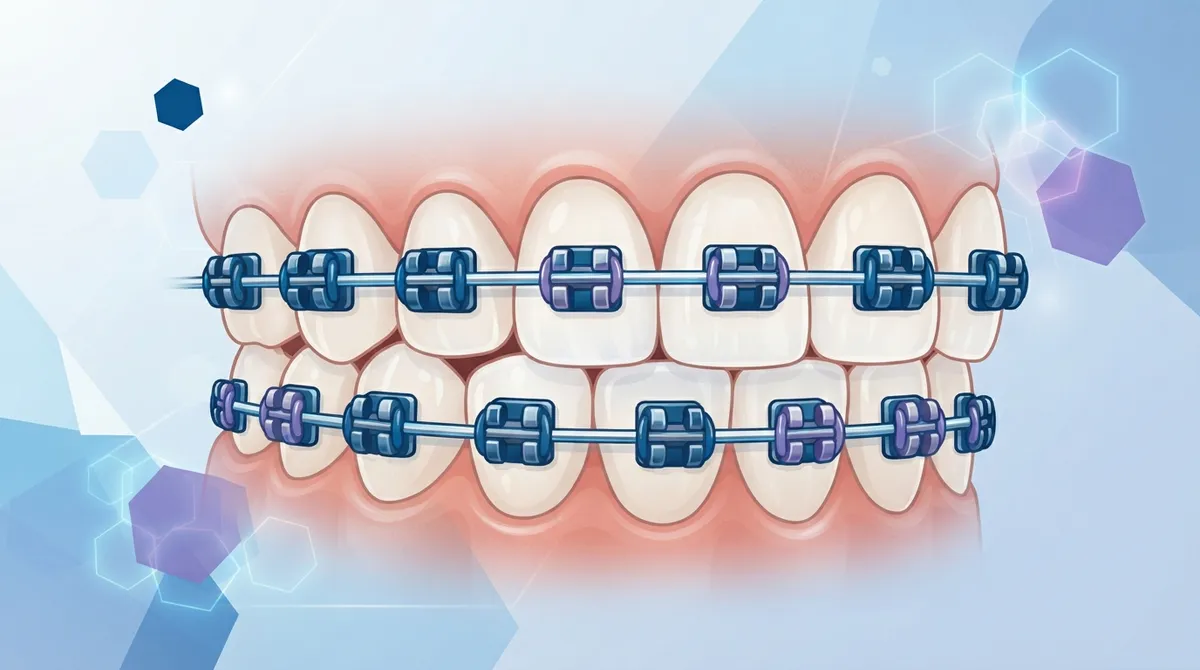
Metal braces are small brackets bonded directly to each tooth. A thin metal wire, called an archwire, connects all the brackets together. This wire gently pushes and pulls teeth into better positions over time.
Tiny rubber bands or clips, called ligatures, hold the wire snugly in the brackets. Sometimes your orthodontist adds elastics, too. These little bands stretch between the upper and lower teeth to help fix bite problems, not just crooked teeth.
It sounds simple, and honestly, it kind of is. But this simple system has helped millions of people get straighter, healthier smiles for decades. Stainless steel braces have been refined again and again, making them more comfortable and effective than ever before.
The Parts That Make It All Work
Understanding the pieces helps take some of the mystery out of treatment. Here’s a quick breakdown:
- Brackets: Small metal squares glued to the front of each tooth
- Archwire: The main wire that guides tooth movement
- Ligatures: Tiny rubber bands or metal ties holding the wire in place
- Elastics: Rubber bands that help correct bite alignment between upper and lower teeth
- Bands: Metal rings sometimes wrapped around back molars for extra support
Each part plays a role in slowly, safely shifting your teeth. Your orthodontist adjusts these pieces at regular visits to keep things moving in the right direction.
What Can Metal Braces Actually Fix?
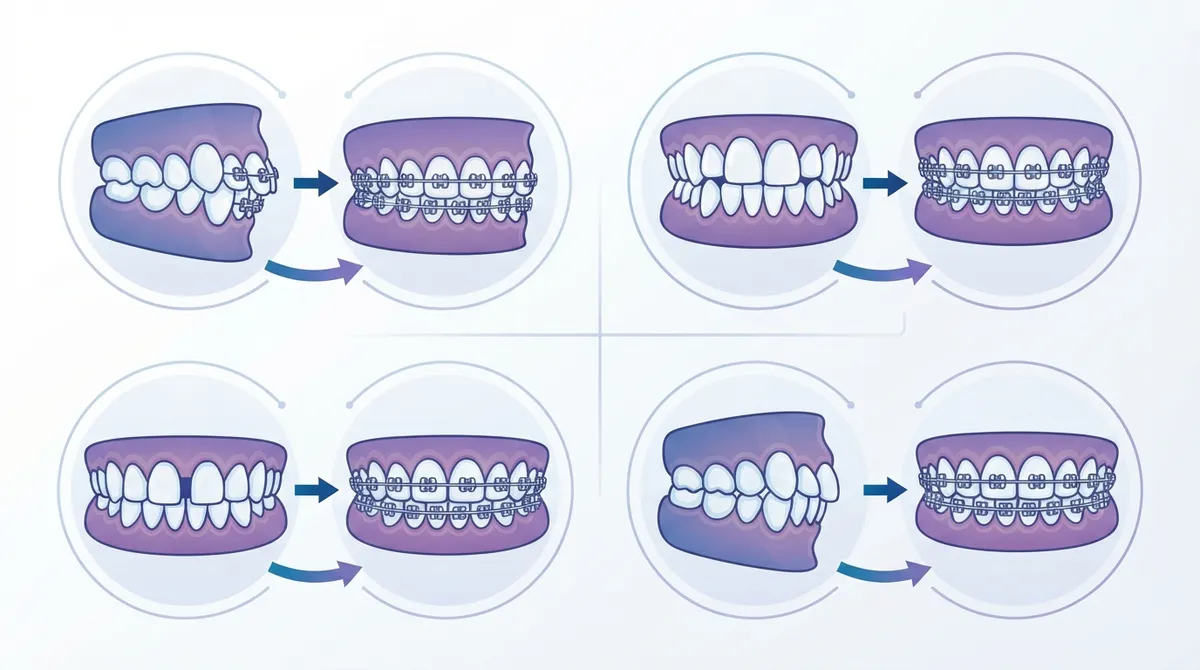
This is where metal braces really shine. They’re incredibly versatile and can treat almost any alignment or bite issue out there.
Common problems metal braces correct include:
- Crowded teeth that don’t have enough room to line up straight
- Gaps or spacing between teeth
- Overbites, where upper teeth sit too far forward
- Underbites, where lower teeth jut out past the upper teeth
- Crossbites, where upper and lower teeth don’t line up correctly
- Open bites, where front teeth don’t touch when the mouth closes
Every mouth is different, though. The only way to know exactly what your treatment plan should look like is through a proper exam. You can learn more about how to understand teeth positioning and fix alignment issues before your first appointment.
How Long Will You Actually Wear Them?
This is probably the question we hear most, and it’s a fair one. Nobody wants a vague answer when they’re picturing months (or years) with braces on their teeth.
According to the American Association of Orthodontists, most people wear braces for about 12 to 24 months. More complicated cases might take longer. Simpler cases sometimes wrap up faster. It really depends on your starting point and how your teeth respond to treatment.
During treatment, you’ll visit your orthodontist every 4 to 12 weeks for adjustments. These visits are quick and let your orthodontist tighten wires, swap out ligatures, and check your progress. Think of it like regular tune-ups that keep everything on track.
Factors That Affect Treatment Time
A few things can speed up or slow down your journey:
- How severe your crowding or spacing is
- Whether you need jaw correction alongside teeth alignment
- How consistently you wear elastics or other appliances at home
- Your age and how quickly your teeth respond to movement
- How well you care for your braces and attend appointments
Sticking to your appointment schedule and following your orthodontist’s instructions really does make a difference. Skipping visits or ignoring instructions can add unnecessary months to your treatment.
Metal Braces vs Other Options: A Quick Comparison
You’ve probably heard about clear aligners and ceramic braces too. So how do metal braces stack up? Here’s a simple breakdown to help you decide what might work best for your lifestyle.
| Feature | Metal Braces | Ceramic Braces | Clear Aligners |
|---|---|---|---|
| Visibility | Most visible | Less visible | Nearly invisible |
| Durability | Very durable | Can chip or stain | Can wear or crack |
| Cost | Often most affordable | Moderate to higher | Moderate to higher |
| Removable | No | No | Yes |
| Best for complex cases | Excellent | Good | Limited for severe cases |
A 2023 review of orthodontic brackets confirms that stainless-steel braces remain affordable, durable, and widely used, even though they’re more visible than other options. For folks who want a reliable, budget-friendly choice, metal braces still make a lot of sense. If you’re weighing your choices, our guide on braces vs clear aligners for your teen can help you compare further.
Does It Hurt? Let’s Talk About Comfort
We won’t sugarcoat it: there’s usually some soreness after your braces go on or get adjusted. But here’s the good news—it’s temporary, and it’s very manageable.
Most people describe the feeling as pressure rather than sharp pain. It typically fades within a few days as your mouth adjusts. Soft foods, warm salt water rinses, and over-the-counter pain relievers (if approved by your orthodontist) can help a lot during those first few days.
Sometimes brackets or wires can irritate your cheeks or lips, especially early on. Orthodontic wax is a lifesaver here. Just dab a small piece over the bothersome spot, and you’ll feel relief almost instantly. If a bracket breaks or a wire pokes uncomfortably, don’t wait it out. Reach out to your orthodontist right away. Our article on what to expect with braces discomfort covers this in more detail.
Keeping Your Braces (and Teeth) Squeaky Clean
Let’s be honest, brushing with braces takes a little extra effort. But it’s absolutely worth it to avoid cavities, stains, and gum problems down the road.
Here’s a simple daily routine that works well:
- Brush after every meal using a soft-bristled toothbrush and fluoride toothpaste
- Angle your brush to clean above and below each bracket
- Use a floss threader or water flosser to clean between teeth and wires
- Rinse with an antibacterial or fluoride mouthwash
- Keep up with regular dental checkups alongside orthodontic visits
Skipping these steps can lead to plaque buildup, which sometimes causes permanent white or brown marks on teeth. Nobody wants that after all the hard work of straightening their smile. For more tips, check out how to brush and floss with braces effectively.
Foods That Deserve a Break During Treatment
Certain foods can bend wires, pop off brackets, or get stuck in ways that are tough to clean out. It’s smart to avoid:
- Hard candy, ice, and nuts
- Sticky candies like caramel or taffy
- Popcorn (those hulls are sneaky!)
- Whole apples or carrots (cut them into small pieces instead)
- Chewy bread or bagels
Don’t worry, there’s still plenty you can enjoy. Check out our list of braces-friendly snacks every parent should know for tasty, safe options the whole family will love.
Metal Braces for Every Age and Lifestyle
One of the best things about metal braces is how well they work for kids, teens, and adults alike. Let’s break down what different patients should keep in mind.
For Parents of Young Children
Early evaluations, usually around age 7, help catch alignment or bite issues before they become bigger problems. Metal braces are often part of a two-phase treatment plan for kids with more complex needs. Learn more about early signs your child may need braces to stay ahead of the curve.
For Teens
Teens love that metal braces come in fun colored bands, letting them show off some personality while straightening their smile. They’re durable enough to handle sports, band practice, and everyday teenage life without much worry.
For Adults
Yes, plenty of adults choose metal braces too! They’re often more affordable than other options and can handle more complex bite corrections efficiently. If discretion matters more to you, though, it’s worth exploring removable aligners as an alternative.
Life After Braces: Don’t Skip the Retainer
Here’s something people sometimes forget: finishing active treatment isn’t the finish line. Retainers keep your teeth exactly where your braces worked so hard to put them.
Without consistent retainer wear, teeth can slowly shift back toward their old positions. Nobody wants that after months (or years) of treatment. Your orthodontist will recommend a wear schedule tailored to your case. For more details, take a look at our guide on how retainers keep your smile straight for life.
Why Families Trust Chacon Orthodontics for Metal Braces
At Chacon Orthodontics, Dr. Omar Chacon and his team combine advanced technology with genuinely personal care. Whether you’re in Westchase or Brandon, Florida, you’ll find a bilingual, board-certified team ready to guide you through every step of treatment.
Families appreciate that appointments feel welcoming, not rushed. Questions get answered clearly, in English or Spanish, so nobody leaves confused about their treatment plan. You can also follow along with real patient stories and smile transformations on Instagram or connect with the practice on Facebook for updates and community news.
Curious what real patients think? Feel free to visit us on Google — Chacon Orthodontics West Chase and read honest reviews from local families who’ve walked this journey already.
Ready to Get Started?
Metal braces have earned their reputation for a good reason: they’re reliable, effective, and often more budget-friendly than other treatment types. Whether you’re fixing a childhood crowding issue, straightening a teen’s smile before prom photos, or finally addressing that bite problem you’ve lived with for years, metal braces can deliver real, lasting results.
The best next step is simple. Schedule a free consultation with our team and find out exactly what your smile needs. Dr. Chacon and his team are ready to walk you through every option, answer every question, and help you feel confident about your treatment plan. You can also learn more about Dr. Chacon’s background and approach on LinkedIn.
Don’t wait to start your journey toward a healthier, more confident smile. Contact us today, and let’s talk about how metal braces might be exactly what you’ve been looking for.
FAQs
Q: How do metal braces work to straighten teeth?
A: Metal braces use brackets bonded to your teeth and connected by a thin archwire. This wire applies gentle, steady pressure that slowly guides your teeth into their proper positions over time. Your orthodontist adjusts the wire at regular visits to keep everything moving in the right direction.
Q: How long do you typically need to wear metal braces?
A: Most patients wear metal braces for about 12 to 24 months, though this varies based on your specific case. Simpler alignment issues may take less time, while more complex bite problems can take longer. Your orthodontist will give you a personalized timeline after your initial exam.
Q: Are metal braces a good choice compared to clear aligners?
A: It really depends on your needs and lifestyle! Metal braces tend to be more affordable and work great for complex cases, while clear aligners offer more discretion. We’re happy to walk you through both options during a consultation so you can pick what feels right for you.
Q: Do metal braces hurt, and what happens if a bracket breaks?
A: You might feel some soreness for a few days after braces are placed or adjusted, but it’s totally normal and fades quickly. If a bracket or wire breaks, just give your orthodontist a call so they can fix it before it causes irritation or slows your progress.
Q: What foods should you avoid while wearing metal braces?
A: It’s best to steer clear of hard, sticky, or chewy foods like ice, caramel, popcorn, and whole apples, since these can damage brackets or wires. Don’t worry, though, there are still plenty of delicious braces-friendly snacks you can enjoy throughout treatment!





