Key Takeaways
-
Schedule your child's first orthodontic exam by age 7, when the jaw is still growing and early problems like crowding or bite issues are easier to correct before they worsen.
-
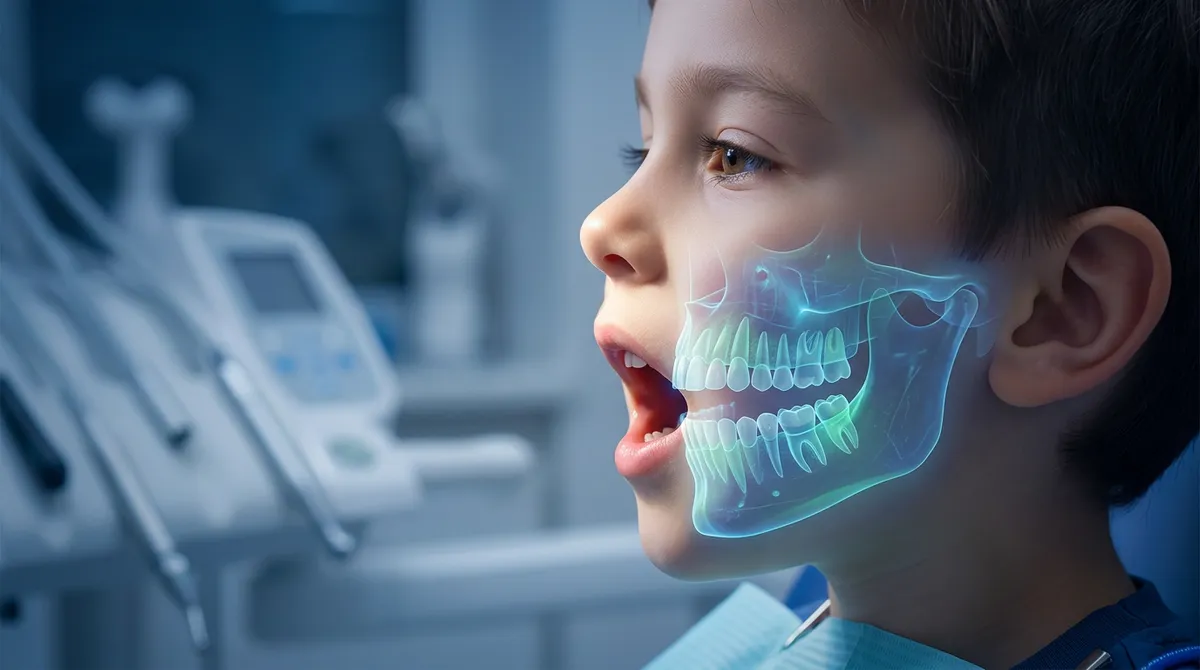
Modern orthodontic exams use 3D intraoral scanning and digital X-rays to create accurate treatment plans—this technology is now standard in 2026 and eliminates uncomfortable traditional impressions.
-
Bring recent dental X-rays, current medications list, insurance card, and referral letters to your exam to minimize paperwork time and ensure a thorough 60-90 minute first visit.
-
An orthodontic exam identifies hidden problems invisible to the naked eye, such as impacted teeth or jaw misalignment, making it essential before any treatment begins—even if teeth appear straight.
Have you ever wondered what actually happens at an orthodontic exam? Whether you’re a parent scheduling your child’s first visit, a teen curious about braces, or an adult considering clear aligners, knowing what to expect can ease your nerves. An orthodontic exam is the very first step toward a healthier, straighter smile. It gives your orthodontist a full picture of your teeth, jaw, and bite — and helps them create a treatment plan made just for you. In this article, we’ll walk you through every step of the process, what to bring, and what questions to ask. By the end, you’ll feel confident and prepared before you even walk through the door.
What Is an Orthodontic Exam?
An orthodontic exam is a thorough evaluation of your mouth, teeth, and jaw. It’s different from a regular dental checkup. While your dentist focuses on cavities and gum health, an orthodontist looks specifically at alignment, bite, and jaw structure. The goal is to identify issues like crowding, spacing, overbites, underbites, or jaw problems. Understanding orthodontics as a specialty helps explain why this focused exam matters so much for long-term oral health.
The exam gives your orthodontist the data they need to recommend the right treatment. That could be custom braces, clear aligners, retainers, or other appliances. No two patients are alike, so the exam is essential for building a personalized plan.
Who Should Get an Orthodontic Exam?
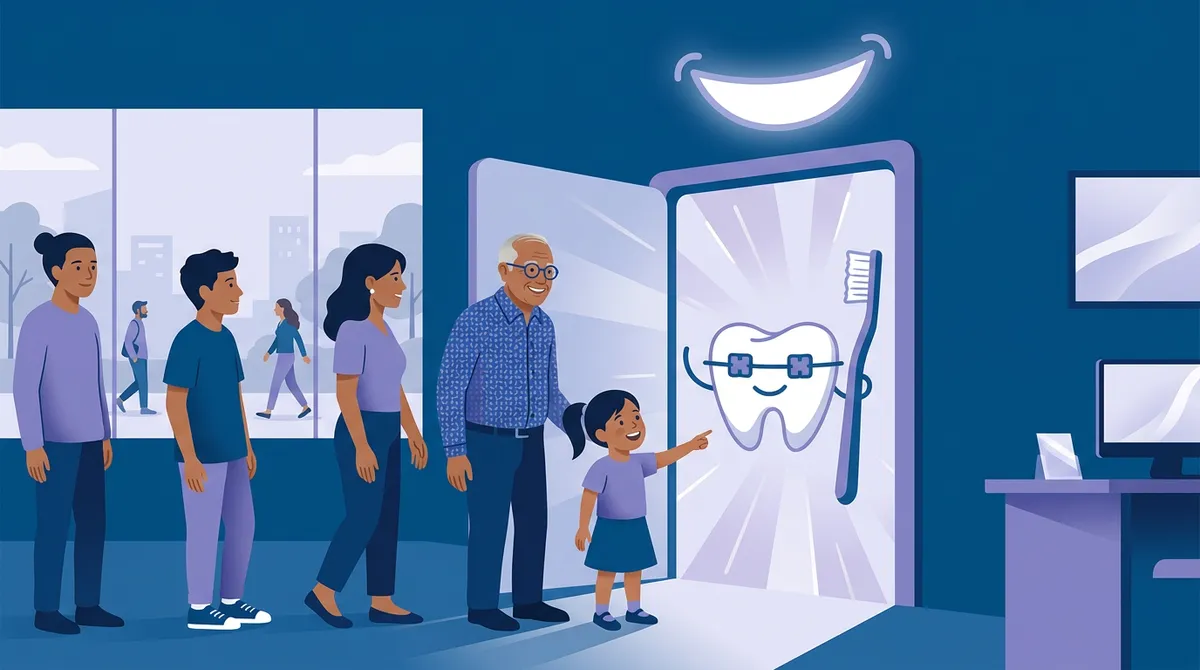
The short answer? Almost everyone can benefit from an orthodontic evaluation. The American Association of Orthodontists recommends that children get their first exam by age 7. At that age, the jaw is still growing, and early issues are easier to correct. But you don’t have to be a child to benefit from an exam.
- Children (ages 7–12): Early evaluation can catch jaw growth problems before they worsen.
- Teens: This is the most common time for orthodontic treatment to begin.
- Adults: It’s never too late. Many adults seek treatment for cosmetic or functional reasons.
- Relapse patients: Adults who had orthodontic treatment before may need re-evaluation if their teeth have shifted.
If you’re a parent, consider scheduling an exam for your child even if their teeth look straight. Problems below the surface — like impacted teeth or jaw misalignment — aren’t always visible to the naked eye. You can learn more about options for teens and adults on the Chacon Orthodontics website.
What Happens Step by Step During the Exam
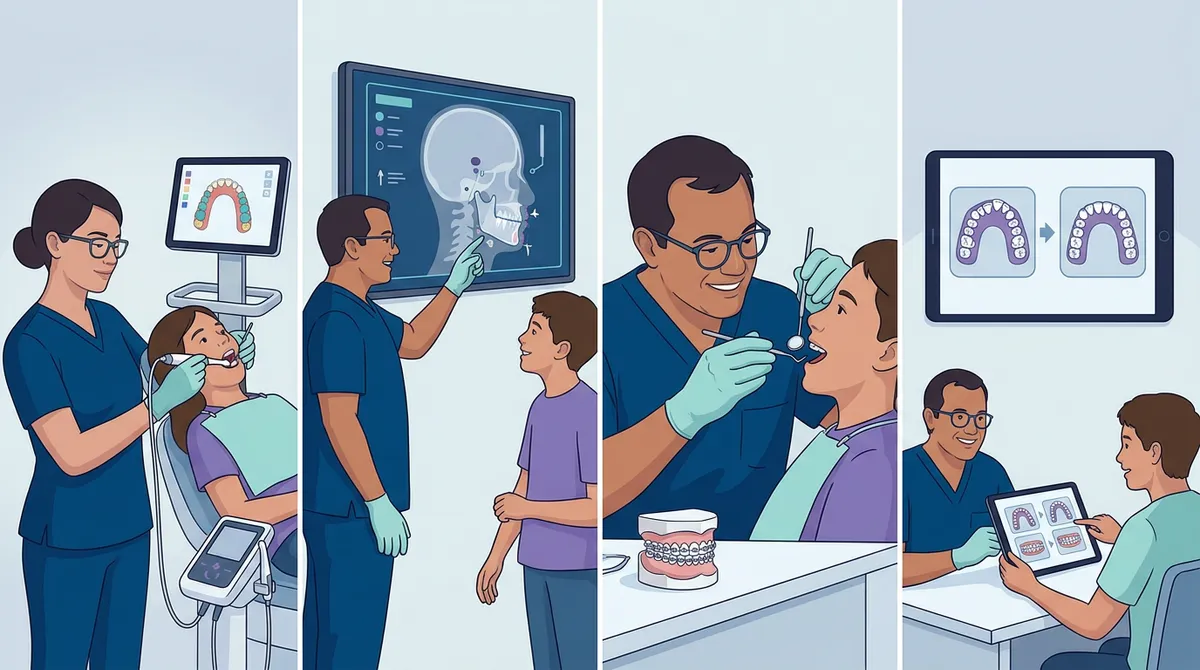
An orthodontic exam typically follows a clear process. Here’s what you can expect from start to finish:
- Medical and dental history review: The orthodontist or team member will ask about your health history, past dental work, and any concerns you have.
- Clinical examination: The orthodontist looks at your teeth, gums, and jaw. They check for crowding, spacing, bite problems, and jaw alignment.
- Intraoral and extraoral photos: Photos are taken from inside and outside the mouth to document your smile from multiple angles.
- Digital X-rays: X-rays show tooth roots, jawbones, and any impacted or missing teeth that aren’t visible during the clinical exam.
- 3D intraoral scanning: A small digital wand scans your teeth and creates an accurate 3D model. This has replaced messy traditional impressions at many modern orthodontic offices.
- Bite analysis: The orthodontist evaluates how your upper and lower teeth come together, checks jaw movement, and looks for signs of wear or stress.
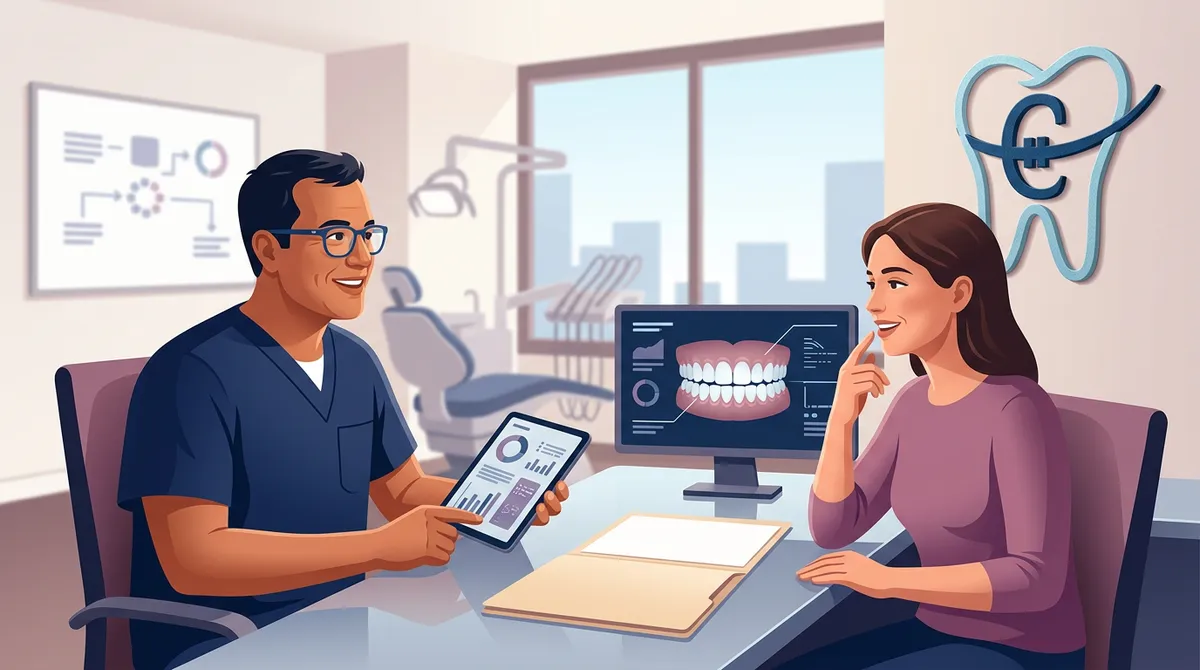
- Treatment discussion: Based on all findings, the orthodontist explains your options — from types of braces to clear aligners — along with estimated timelines and costs.
Most exams take between 60 and 90 minutes for a first visit. Follow-up consultations may be shorter.
Key Diagnostic Tools Used in an Orthodontic Exam
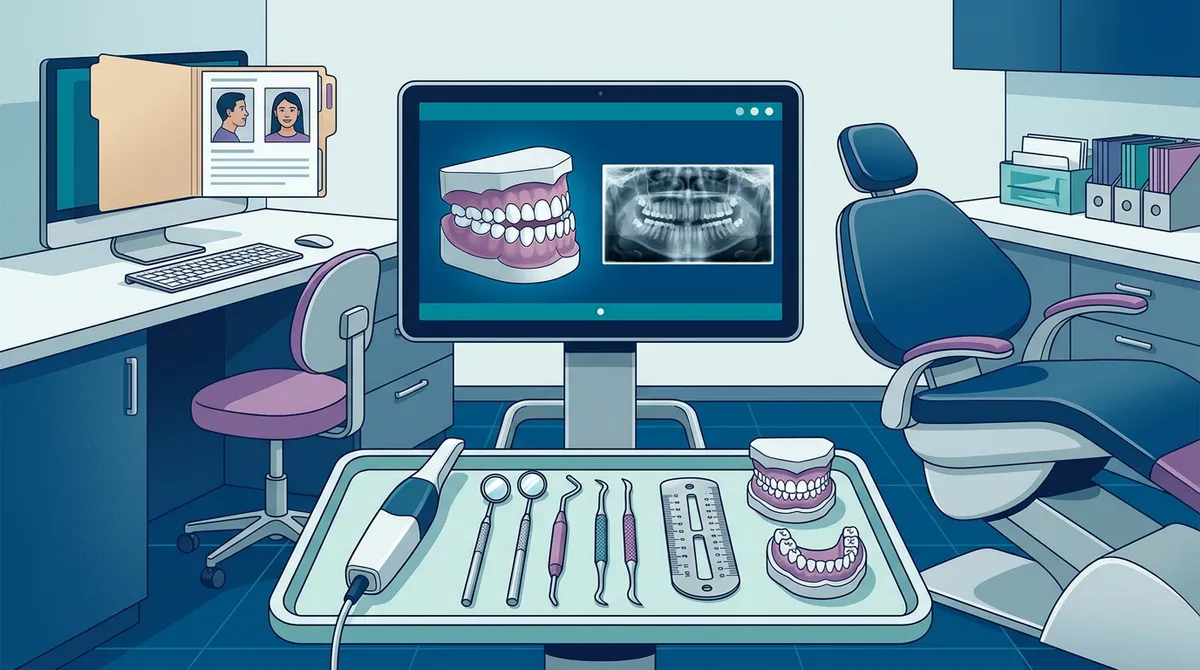
Modern orthodontic exams use advanced technology to get the most accurate picture of your oral health. Here’s a quick look at the main tools used:
| Diagnostic Tool | Purpose | Benefit to Patient |
|---|---|---|
| Digital X-rays | View roots, jawbone, and hidden teeth | Less radiation than traditional X-rays |
| 3D Intraoral Scan | Create a digital model of the teeth | No messy impressions, more comfortable |
| Intraoral Photos | Document alignment and spacing | Provides a visual reference for treatment progress |
| Extraoral Photos | Show facial structure and profile | Helps plan treatment for overall facial harmony |
| Bite Analysis | Evaluate how teeth meet and jaw function | Identifies wear, stress, and misalignment early |
In 2026, many orthodontic practices use 3D scanning as a standard part of the exam process. This technology improves both patient comfort and treatment accuracy. You can find more information about the types of orthodontic appliances that may be recommended based on these findings.
What to Bring to Your Orthodontic Exam
Being prepared makes the process smoother for everyone. Here’s a checklist of what to bring:
- Recent dental X-rays (if available)
- A list of current medications
- Insurance card and information
- Any referral letters from your general dentist
- A list of questions or concerns you want to address
For parents bringing a child or teen, it’s strongly recommended that a parent or guardian attend the appointment. This way, both the treatment plan and payment plans can be reviewed and discussed together. Having everything ready means less time on paperwork and more time focused on your smile. You can also review what to expect during your first visit to feel even more prepared.
Common Issues Found During an Orthodontic Exam
Orthodontic exams can uncover a wide range of concerns. Some are cosmetic. Others affect how you chew, speak, or breathe. Here are the most common findings:
| Issue | Description | Common Treatment |
|---|---|---|
| Crowding | Teeth don’t have enough space and overlap | Braces or clear aligners |
| Spacing | Gaps between teeth | Braces or aligners to close gaps |
| Overbite | Upper teeth overlap lower teeth too much | Braces with bite correction |
| Underbite | Lower teeth sit in front of upper teeth | Braces or jaw correction appliances |
| Crossbite | Some upper teeth sit inside lower teeth | Expanders or braces |
| Open Bite | Upper and lower teeth don’t meet when closed | Braces or aligners with vertical correction |
Understanding orthodontic braces and how they work for these different conditions can help you feel more informed during your consultation. Your orthodontist will explain exactly which issues apply to you and how treatment will address them.
Treatment Options Discussed After the Exam
Once the exam is complete, your orthodontist will walk you through your options. The right treatment depends on your age, the severity of alignment issues, and your personal preferences. Here are the most common options:
- Metal braces: Durable and effective for complex cases. Learn more about custom braces and how they’re tailored to each patient.
- Clear braces: Ceramic brackets that blend with your teeth for a more subtle look.
- Clear aligners: Removable trays that straighten teeth discreetly. Read about what clear aligners are and whether they might be the right fit.
- Retainers: Used after treatment to maintain results. Find out more about retainers and how clear retainers work.
Adults interested in a discreet option often choose clear aligners. In fact, there are many benefits adults are discovering with clear aligners that make them an attractive alternative to traditional braces. After treatment, some patients also explore teeth whitening to complete their smile transformation.
Why the Orthodontic Exam Sets the Foundation for Your Smile
The orthodontic exam is not just a formality. It’s the most important step in your entire orthodontic journey. Without a thorough exam, there’s no way to know which treatment is right for you or how long it will take. A rushed or skipped evaluation can lead to ineffective treatment or missed problems.
At Chacon Orthodontics, every patient receives a detailed exam before any treatment begins. Dr. Chacon and our team take the time to listen to your concerns, explain their findings clearly, and answer every question you have. This thorough approach ensures that each patient gets a treatment plan built specifically for their smile — not a one-size-fits-all solution.
If you’ve been thinking about improving your smile, the orthodontic exam is the best place to start. It’s painless, informative, and sets you on the path to lasting results. Visit us on Google to see what patients in the Westchase, Florida area are saying about their experience.
Conclusion
An orthodontic exam is a detailed, multi-step process designed to give your orthodontist a complete view of your oral health. From digital X-rays and 3D scanning to bite analysis and treatment discussions, every part of the exam has a purpose. The information gathered during this visit forms the foundation of your entire treatment journey. Whether you’re exploring options for your child, yourself, or returning after relapse, an orthodontic exam is the right first step. Ready to take that step? Schedule your free consultation with Chacon Orthodontics today and find out what a personalized smile plan can do for you.
FAQs
Q: What should I bring to my first orthodontic exam?
A: Bring recent dental X-rays, a list of your current medications, your insurance card, any referral letters from your dentist, and a list of questions or concerns. If you’re bringing a child or teen, a parent or guardian should also attend to review treatment and payment options.
Q: How long does an orthodontic exam take?
A: A first orthodontic exam typically takes between 60 and 90 minutes. This allows enough time for photos, X-rays, 3D scanning, bite analysis, and a full treatment discussion. Follow-up visits are usually shorter.
Q: Do I need X-rays for my orthodontic exam?
A: Yes, digital X-rays are an important part of the orthodontic exam. They allow the orthodontist to see tooth roots, jawbones, and any impacted or missing teeth that aren’t visible during a clinical examination alone.
Q: What is 3D intraoral scanning in an orthodontic exam?
A: A 3D intraoral scan uses a small digital wand to create an accurate digital model of your teeth. It has replaced traditional impressions at many modern practices, making the experience more comfortable and the results more precise for treatment planning.
Q: At what age should a child have their first orthodontic exam?
A: The American Association of Orthodontists recommends that children have their first orthodontic exam by age 7. At this age, the jaw is still developing, making it easier to identify and address potential alignment or growth issues early.