
Key Takeaways
-
Clear retainers are essential for preventing teeth from shifting back to their original positions after orthodontic treatment, requiring consistent wear to maintain your new smile.
-
Initially, wear clear retainers 22-24 hours daily for 3-6 months, then transition to nighttime-only wear to stabilize teeth in their corrected alignment.
-
Clear retainers are virtually invisible, comfortable, and removable, making them ideal for patients who want a discreet retention method.
-
The retention phase is ongoing; to maintain your perfect smile, wear retainers several nights weekly indefinitely to prevent age-related shifting.
-
Proper care involves daily gentle cleaning with cool water and mild soap, and storing the retainer in a protective case when not in use.
-
Clear retainers typically last 1-2 years and cost between $200-$500 per arch, with replacement retainers being less expensive.
-
Multi-functional benefits include potential use as a nightguard for teeth grinding and as trays for professional teeth whitening treatments.
After months or even years of orthodontic treatment, you’ve finally achieved that perfect smile you’ve been working toward. But here’s the truth many patients don’t realize: your teeth want to shift back to their original positions. This is where clear retainers become your smile’s best friend. These transparent, custom-made devices are essential for maintaining the beautiful results you worked so hard to achieve. Whether you’ve just finished treatment with clear aligners or custom braces, understanding clear retainers will help you protect your investment in your smile for a lifetime.
Clear retainers, also known as Essix retainers, are transparent plastic trays that fit snugly over your teeth to prevent them from moving after orthodontic treatment. Unlike traditional wire retainers, these modern devices are virtually invisible, comfortable, and removable. They’ve become the most popular type of retainer among patients and orthodontists alike, thanks to their aesthetic appeal and effectiveness. At Chacon Orthodontics, we help patients throughout Westchase, Florida understand the importance of retention and provide custom-fitted clear retainers designed specifically for their smile.
Understanding Clear Retainers: The Basics
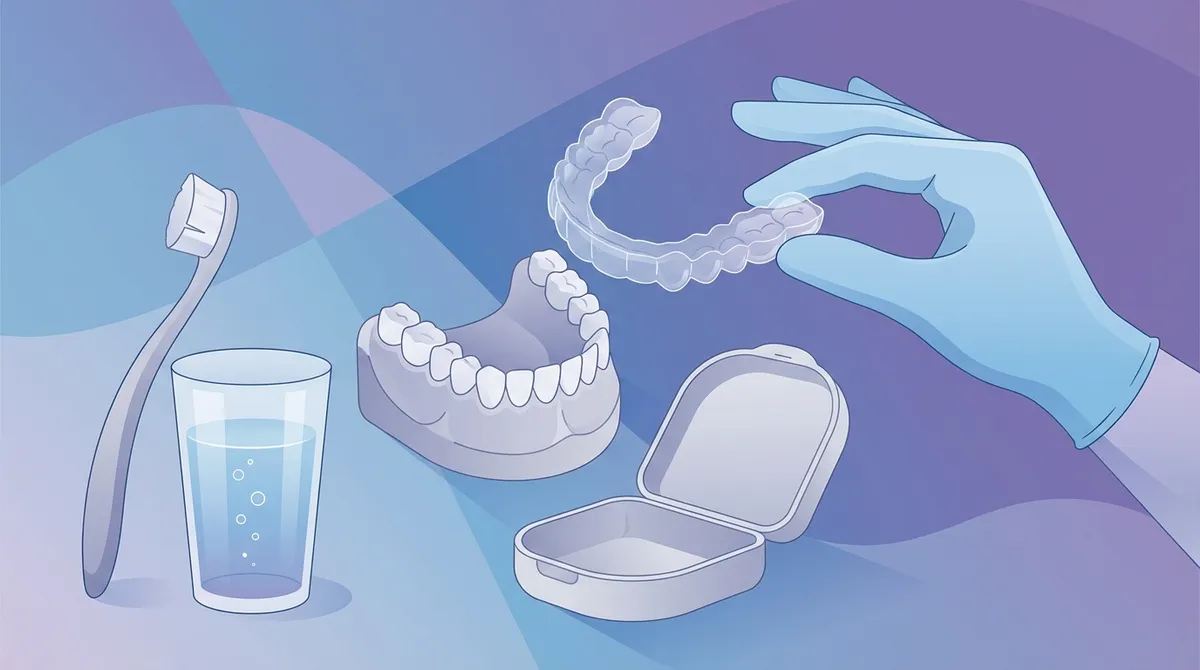
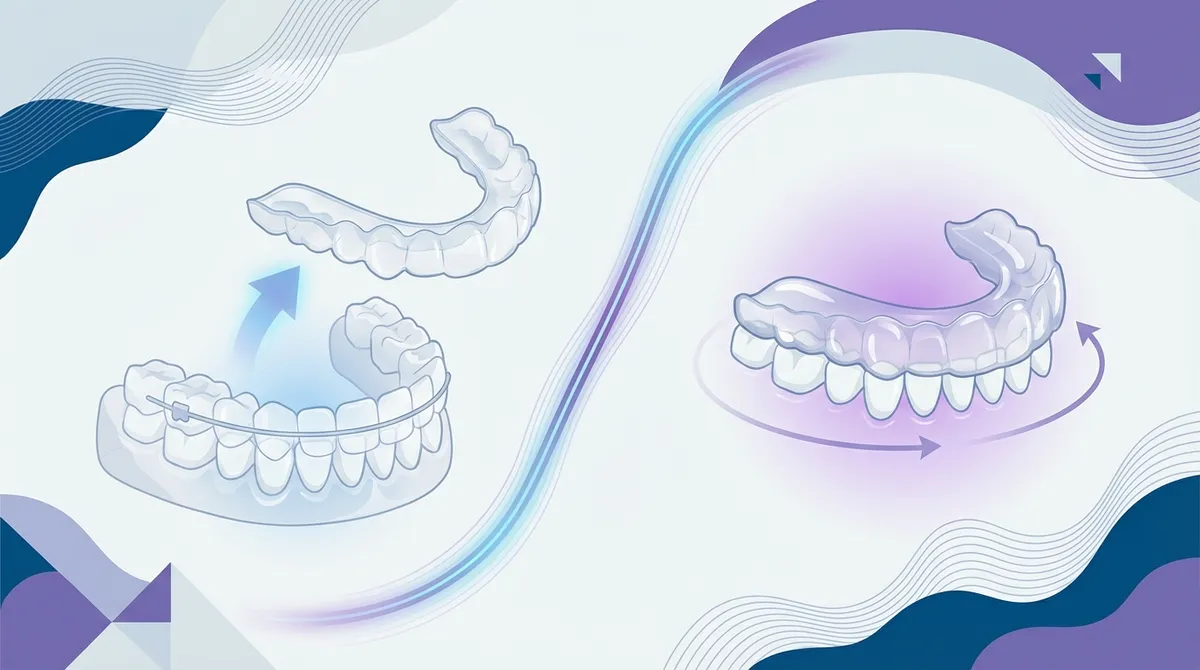
Clear retainers are precision-made orthodontic appliances crafted from transparent, BPA-free plastic or copolyester material. They resemble clear aligners in appearance but serve a different purpose. While aligners actively move teeth into new positions, retainers hold teeth in their corrected alignment. These devices cover the full arch of your teeth, from molar to molar, providing comprehensive retention across your entire smile.
The fabrication process begins with detailed impressions or digital scans of your teeth taken by your orthodontist. These precise measurements ensure your retainer fits perfectly, contacting each tooth surface to prevent unwanted movement. The material used is typically 1mm thick, making it strong enough to resist teeth shifting while remaining thin enough for comfort. This custom-fit approach means your clear retainer will feel like a natural extension of your mouth rather than a bulky foreign object.
What sets clear retainers apart from other retention options is their versatility. Many patients appreciate that they can be removed for eating, cleaning, and special occasions, unlike permanent retainers bonded behind the teeth. This removability makes oral hygiene significantly easier while still providing excellent tooth retention when worn as prescribed.
How Clear Retainers Work to Maintain Your Results
Your teeth sit in a living bone structure that constantly remodels itself throughout your life. After orthodontic treatment, the bone, ligaments, and soft tissues surrounding your teeth need time to stabilize in their new positions. This stabilization period can take several months to years, which is why retention is absolutely critical. Clear retainers apply gentle, consistent pressure across all your teeth, preventing them from drifting back toward their original positions.
The science behind retention involves understanding the periodontal ligament, a thin layer of tissue connecting your teeth to the surrounding bone. During orthodontic treatment, this ligament stretches and compresses as teeth move. Even after treatment ends, these tissues retain a “memory” of where teeth used to be, creating natural forces that want to pull teeth back to their former positions. Clear retainers counteract these forces by maintaining teeth in their corrected alignment until the surrounding structures fully adapt.
| Retention Phase | Typical Duration | Wear Schedule | Purpose |
|---|---|---|---|
| Initial Retention | 3-6 months | 22-24 hours daily | Stabilize immediate post-treatment results |
| Transitional Retention | 6-12 months | Nights only | Continue bone remodeling support |
| Long-term Retention | Indefinite | Several nights weekly | Prevent gradual age-related shifting |
Most orthodontists recommend full-time wear initially, removing retainers only for eating and brushing. After several months, you’ll typically transition to nighttime-only wear. However, the retention phase never truly ends. To maintain your perfect smile for life, you’ll need to wear your retainer at least a few nights each week indefinitely. This commitment is small compared to the years of treatment it took to achieve your results.
Advantages of Choosing Clear Retainers
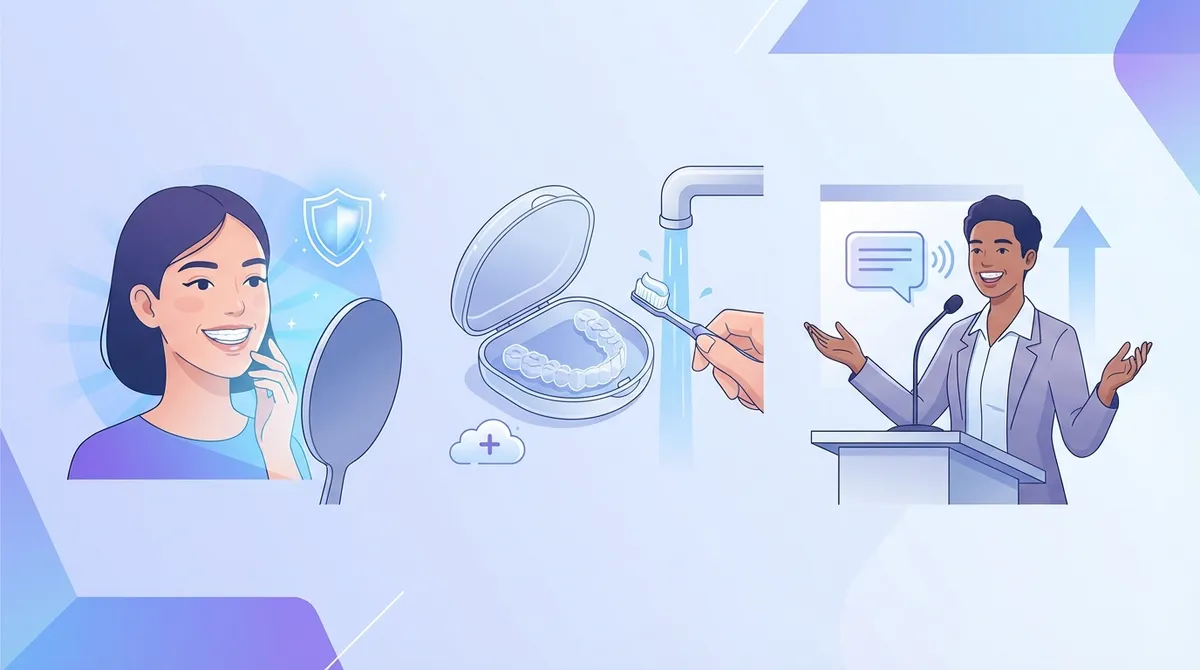
Clear retainers have become the retention method of choice for good reason. Their nearly invisible appearance tops the list of benefits, especially for image-conscious teens and adults who want to maintain their smile without drawing attention to their orthodontic care. When worn, these retainers are so discreet that most people won’t even notice you’re wearing them, making them ideal for professional environments, social situations, and everyday life.
Comfort ranks as another significant advantage. Clear retainers are lightweight and smooth, with no metal wires or clasps that can irritate your cheeks, lips, or tongue. They fit snugly against your teeth without the bulkiness of traditional Hawley retainers, and most patients adapt to wearing them within just a few days. The absence of metal parts also means no dietary restrictions or concerns about certain foods damaging your retainer.
Additional Benefits That Make a Difference
- Easy removal for eating, drinking, and thorough oral hygiene
- No speech impediment or lisp that sometimes occurs with wire retainers
- Can double as a nightguard to protect against teeth grinding
- May be used as trays for professional teeth whitening treatments
- Lower initial cost compared to traditional Hawley retainers
- Quick and painless fabrication process with no adjustments needed
The dual functionality of clear retainers adds even more value. If you grind your teeth at night, your retainer provides a protective barrier between your upper and lower teeth. Additionally, your orthodontist can provide professional whitening gel that you apply inside your retainer, allowing you to maintain your tooth alignment while brightening your smile simultaneously. This multi-purpose design makes clear retainers an efficient investment in your oral health.
Potential Drawbacks to Consider
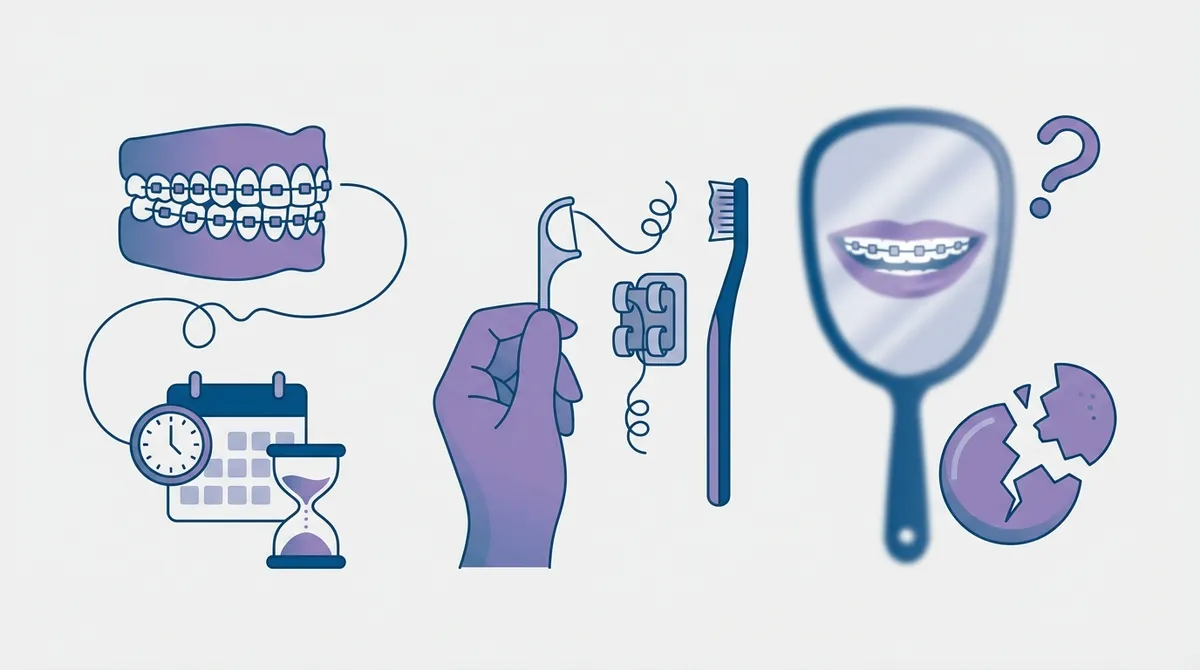
While clear retainers offer numerous benefits, they’re not without limitations. Understanding these drawbacks helps you make informed decisions and properly care for your retainer. The most significant concern is durability. Clear plastic retainers typically last only 1-2 years with proper care, compared to 5-10 years for wire Hawley retainers. The thin plastic material can crack, warp, or wear down over time, especially if you grind your teeth or don’t handle your retainer carefully.
Maintenance requirements are more demanding than with permanent retainers. You must remove, clean, and store your clear retainer properly multiple times daily. Failure to clean your retainer adequately leads to bacterial buildup, plaque accumulation, and unpleasant odors. The clear material also stains easily from colored beverages, foods, and smoking, which can make your nearly invisible retainer quite noticeable if it becomes discolored yellow or brown.
| Challenge | Impact | Prevention Strategy |
|---|---|---|
| Material Wear | Requires annual replacement | Handle gently, store in case when not wearing |
| Staining | Reduces aesthetic appeal | Remove for eating/drinking, clean daily |
| Bacterial Buildup | Causes odor and oral health issues | Brush retainer twice daily, deep clean weekly |
| Loss or Damage | Expensive emergency replacement | Keep in protective case, avoid heat exposure |
Compliance presents another challenge. Because clear retainers are removable, some patients forget to wear them consistently or lose them when traveling. Missing even a few nights of wear can allow enough tooth movement that your retainer no longer fits properly. This situation requires a new retainer to be fabricated and may even necessitate additional orthodontic correction if significant shifting has occurred. Establishing a consistent routine is essential for long-term success with clear retainers.
Clear Retainers vs. Other Retention Options
When considering retention after orthodontics, you have three primary options: clear plastic retainers, traditional Hawley retainers with metal wires, and permanent bonded retainers. Each type has specific advantages suited to different patient needs and preferences. Understanding these differences helps you make the best choice for your lifestyle and orthodontic requirements.
Hawley retainers feature an acrylic base that sits against the roof of your mouth or behind your lower teeth, with a metal wire that wraps around the front of your teeth. These retainers are extremely durable, adjustable, and can last many years with proper care. However, they’re highly visible due to the metal wire, can affect speech initially, and feel bulkier than clear retainers. Some patients also find the acrylic portion uncomfortable against their palate.
Comparing Retention Methods
- Clear Plastic Retainers: Best for patients prioritizing aesthetics and comfort who can commit to careful maintenance and periodic replacement
- Hawley Retainers: Ideal for patients wanting maximum durability and adjustability, especially those with higher risk of tooth movement
- Bonded Retainers: Perfect for patients concerned about compliance, as they work 24/7 without any effort, though they require excellent oral hygiene and professional maintenance
- Combination Approach: Many orthodontists recommend bonded retainers on lower front teeth plus removable retainers on upper teeth for comprehensive retention
Bonded or fixed retainers consist of a thin wire permanently attached to the back surfaces of your front teeth. They provide continuous retention without requiring patient compliance and are completely invisible from the front. However, they make flossing more challenging, can trap food particles, and occasionally break or detach without the patient noticing. Regular dental visits are essential to monitor bonded retainers for any problems.
Proper Care and Maintenance for Longevity
Extending the life of your clear retainer while keeping it clean and fresh requires consistent daily care. Each morning, rinse your retainer with cool water and gently brush it with a soft toothbrush and clear, unscented antibacterial soap or non-abrasive toothpaste. Avoid hot water, which can warp the plastic and ruin the precise fit. Before bed, repeat this cleaning process to remove any accumulated bacteria or residue from the day.
Never eat or drink anything except plain water while wearing your clear retainer. Food particles can become trapped between your retainer and teeth, promoting bacterial growth and tooth decay. Colored or sugary beverages will stain the plastic and create a breeding ground for harmful bacteria. When you remove your retainer for meals, immediately place it in its protective case to prevent loss, damage, or contamination. Never wrap it in a napkin, which often leads to accidentally throwing it away.
Deep Cleaning Schedule
- Daily: Brush with soft toothbrush and mild soap after each removal
- Weekly: Soak in retainer cleaning solution or mixture of equal parts water and white vinegar for 15-20 minutes
- Monthly: Use effervescent denture cleaning tablets for thorough disinfection
- As needed: Address cloudiness or odor immediately with baking soda paste scrub
Storage is equally important for maintenance. Always keep your retainer in its case when not in your mouth. Avoid leaving it exposed to heat sources like car dashboards, windowsills, or near radiators, as heat causes warping. Keep the storage case clean by washing it regularly with soap and water. Many patients find it helpful to keep backup cases in multiple locations, such as at work, in their car, or in a gym bag, to ensure safe storage wherever they are.
Cost Considerations and Replacement
The financial aspect of clear retainers involves both initial investment and ongoing replacement costs. Initial retainer fabrication typically costs between $200 and $500 per arch, though prices vary based on your location, orthodontist, and whether you need upper, lower, or both retainers. Some orthodontic treatment packages include the first set of retainers in the overall cost, while others charge separately. Always clarify these details during your first visit to avoid surprises.
Replacement retainers generally cost less than your initial set, ranging from $100 to $300 per arch, since your orthodontist already has your dental records and impressions on file. However, if your teeth have shifted significantly due to inconsistent wear, new impressions may be necessary, increasing the cost. Given that clear retainers typically need replacement every 1-2 years, budgeting for this ongoing expense is important for long-term financial planning.
| Cost Factor | Price Range | Notes |
|---|---|---|
| Initial Retainer Set (both arches) | $400-$1,000 | Often included with orthodontic treatment |
| Single Arch Replacement | $100-$300 | Required every 1-2 years with normal wear |
| Emergency Replacement | $150-$400 | May cost more for rush fabrication |
| Annual Maintenance Cost | $100-$600 | Includes replacement and cleaning supplies |
Many dental insurance plans cover orthodontic retention partially or fully, especially for children and teens whose treatment was medically necessary. Check with your insurance provider about coverage limits and requirements. Some orthodontic offices also offer payment plans or membership programs that include discounted retainer replacements. Investing in proper care to maximize your retainer’s lifespan ultimately saves money by reducing replacement frequency.
What to Expect During the Fitting Process
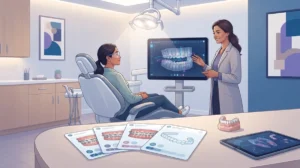
Getting fitted for clear retainers is a straightforward, painless process that typically occurs during your final orthodontic appointment or shortly after your braces are removed. Your orthodontist or dental assistant will take detailed impressions of your teeth using traditional putty molds or modern digital scanning technology. Digital scans are increasingly common as they’re more comfortable, more accurate, and provide instant results without the gagging sensation some patients experience with impression putty.
These impressions capture the exact position and shape of every tooth, as well as your bite relationship. The data is sent to a dental laboratory where technicians use specialized equipment to create your custom retainers. The fabrication process usually takes 1-2 weeks, though some offices with in-house manufacturing capabilities can produce retainers the same day. When your retainers are ready, you’ll return for a fitting appointment where your orthodontist ensures proper fit and provides detailed wearing and care instructions.
Timeline for Clear Retainer Process
- Day 1: Impressions or scans taken at final orthodontic appointment
- Days 2-14: Laboratory fabricates custom retainers based on your specifications
- Day 15: Return visit for retainer delivery, fitting check, and education
- Days 16-30: Adjustment period as you adapt to wearing retainers consistently
During your delivery appointment, your orthodontist will check that your retainer seats completely on all teeth without gaps or pressure points. You’ll practice inserting and removing the retainer to ensure you can do it correctly at home. Your orthodontist will explain your specific wearing schedule, cleaning protocol, and warning signs of problems. This is an excellent time to ask questions and address any concerns. Most patients adapt to their new retainers within 3-5 days, experiencing only minor initial tightness that quickly resolves.
Common Problems and Solutions
Even with excellent care, clear retainer users occasionally encounter issues. Recognizing problems early and knowing how to address them prevents more serious complications and protects your orthodontic investment. The most common complaint is that retainers become progressively tighter or eventually don’t fit at all. This indicates your teeth have shifted due to inconsistent wear. If caught early, resuming full-time wear for several days may allow the retainer to guide teeth back into position. However, significant shifting requires professional evaluation and possibly a new retainer.
Cracks or breaks in your retainer demand immediate attention. A damaged retainer no longer provides uniform retention across all teeth, potentially allowing localized tooth movement. Contact your orthodontist immediately if your retainer breaks. Never attempt to repair it yourself with household glues, which can be toxic and won’t restore proper fit. Most orthodontic offices keep emergency appointments available for retainer problems and can expedite replacement fabrication when necessary.
Troubleshooting Guide
- Persistent odor: Increase cleaning frequency, soak in hydrogen peroxide solution, or replace if issue continues
- Discoloration: Try specialized retainer cleaning tablets; prevention is more effective than correction
- Rough or sharp edges: Visit orthodontist for professional smoothing; don’t file yourself as this weakens material
- Lost retainer: Contact orthodontist within 24 hours to minimize tooth movement before replacement
- Gagging sensation: Usually resolves within a week; practice breathing exercises or try wearing during calm activities first
- Increased salivation: Normal initial response that typically diminishes after 3-5 days of consistent wear
Allergic reactions to retainer materials are rare but possible. If you develop persistent irritation, redness, or sores in areas contacting your retainer, inform your orthodontist immediately. Hypoallergenic materials are available for sensitive patients. Additionally, if your retainer consistently causes pain rather than mild pressure, it may not fit properly and requires adjustment or replacement. Your retainer should feel snug but never painful.
Making Clear Retainers Work for Your Lifestyle
Successfully integrating clear retainers into your daily routine requires developing consistent habits and practical strategies. Many patients find it helpful to tie retainer wear to existing routines. For example, place your retainer case next to your toothbrush so you automatically remember to insert your retainer after brushing your teeth at night. Create a consistent storage location for your retainer case in your bedroom, bathroom, or wherever you typically prepare for bed.
Traveling with clear retainers requires extra planning. Always pack your retainer in your carry-on luggage rather than checked bags to prevent loss. Bring a travel-sized bottle of antibacterial soap and a spare case in case your primary case is misplaced. If you forget your retainer at home during a trip, contact your orthodontist immediately to discuss whether you need an emergency replacement based on the duration of your absence. Generally, missing more than 2-3 nights can allow noticeable tooth movement.
Lifestyle Integration Tips
- Set phone reminders: Use daily alarms to prompt retainer insertion until the habit becomes automatic
- Keep backup supplies: Purchase extra cleaning solution and cases to prevent running out
- Inform friends and family: Let those close to you know about your retention needs so they can support your commitment
- Plan ahead for special events: Determine in advance when you’ll remove your retainer and when you’ll reinsert it
Social situations sometimes present challenges for retainer wearers. While it’s perfectly acceptable to discreetly remove your retainer before meals at restaurants, plan ahead by having your case readily accessible. If you’re self-conscious about removing your retainer in public, excuse yourself to the restroom. Remember that maintaining your beautiful smile is worth these minor inconveniences. At Chacon Orthodontics, we help patients develop personalized strategies for successful long-term retention that fits seamlessly into their unique lifestyles.
Protecting Your Orthodontic Investment
Your orthodontic journey doesn’t end when your braces come off or you finish your last aligner. Retention is a lifelong commitment that protects the time, money, and effort you invested in achieving your perfect smile. Clear retainers are powerful tools that make this ongoing commitment manageable, comfortable, and virtually invisible. By understanding how they work, caring for them properly, and wearing them consistently according to your orthodontist’s instructions, you ensure your smile remains straight and beautiful for decades to come.
The relationship between you and your orthodontist continues throughout the retention phase. Regular check-up appointments allow your orthodontist to monitor your retention progress, inspect your retainer for wear, and address any concerns before they become serious problems. These visits typically occur every 6-12 months after active treatment ends. During these appointments, your orthodontist can determine whether your current retainer still fits properly or if replacement is needed. Don’t skip these important follow-ups, as they’re essential for long-term success.
If you’re beginning your orthodontic journey or approaching the end of active treatment, now is the perfect time to learn about retention options. At Chacon Orthodontics in Westchase, Florida, we specialize in comprehensive orthodontic care for patients of all ages. Our experienced team provides custom-fitted clear retainers and personalized retention plans designed specifically for your needs. We’re committed to helping you maintain your beautiful smile for a lifetime through education, support, and quality orthodontic care. Schedule Your Consultation Today to discuss your retention options and take the next step toward protecting your perfect smile. Your future self will thank you for the commitment you make today to lifelong retention and optimal oral health.
FAQs
Q: How long do I need to wear clear retainers after braces?
A: Initially, you’ll wear your clear retainers 22-24 hours daily for the first 3-6 months after treatment. After this stabilization period, most patients transition to nighttime-only wear. Long-term retention requires wearing retainers several nights per week indefinitely to prevent age-related tooth shifting and maintain your results.
Q: How often should clear retainers be replaced?
A: Clear retainers typically need replacement every 1-2 years due to normal wear, material degradation, and minor warping from daily use. Some patients who grind their teeth may need more frequent replacement. Regular orthodontic check-ups help determine when your retainer needs replacing before it becomes ineffective.
Q: Can I eat or drink with clear retainers in my mouth?
A: No, you should remove clear retainers before eating or drinking anything except plain water. Food particles become trapped between the retainer and teeth, promoting decay and bacterial growth. Colored or sugary beverages stain the plastic and create oral health risks. Always store your retainer in its case during meals.
Q: What is the best way to clean clear retainers?
A: Clean your clear retainer twice daily by gently brushing it with a soft toothbrush and mild, unscented antibacterial soap or non-abrasive toothpaste using cool water. Perform weekly deep cleaning by soaking in retainer cleaning solution or a 50/50 mixture of water and white vinegar for 15-20 minutes to eliminate bacteria and prevent odors.
Q: Are clear retainers better than traditional wire retainers?
A: Clear retainers offer superior aesthetics, greater comfort, and easier oral hygiene compared to wire Hawley retainers. However, they’re less durable and require more frequent replacement. The best choice depends on your priorities: if appearance and comfort matter most, choose clear retainers; if maximum durability is essential, traditional wire retainers may be better.