
Key Takeaways
-
After orthodontic treatment, retainers are essential to prevent teeth from shifting back to their original positions and stabilize new alignment.
-
Hawley retainers are durable, adjustable, and cost-effective, lasting 5+ years with proper maintenance and potential wire adjustments.
-
Clear plastic retainers offer near-invisible appearance and precise fit, but require replacement every 1-2 years due to wear and potential cracking.
-
Permanent retainers provide constant retention without patient compliance, typically bonded to lower front teeth where shifting is most common.
-
A combination retention approach using different retainer types for upper and lower teeth can optimize long-term dental alignment.
-
Spring retainers can make minor corrections after primary treatment, addressing small alignment shifts without full re-treatment.
-
Retention wear schedules typically progress from full-time wear to nighttime wear, with many orthodontists recommending lifelong nighttime retainer use.
After months or even years of orthodontic treatment, you’ve finally achieved that beautiful, straight smile you’ve been working toward. But here’s something many patients don’t realize until the braces come off: keeping your teeth in their new positions requires just as much commitment as getting them there. Retainers for teeth are the unsung heroes of orthodontic care, working quietly behind the scenes to preserve your investment and prevent your teeth from drifting back to their original positions. Whether you’re wrapping up treatment with custom braces or clear aligners, understanding your retainer options is essential for maintaining that confident smile for life. This comprehensive guide explores the seven most effective types of retainers available in 2025, helping you make an informed decision about which option best fits your lifestyle, budget, and dental needs.
Why Retainers for Teeth Are Essential After Orthodontic Treatment
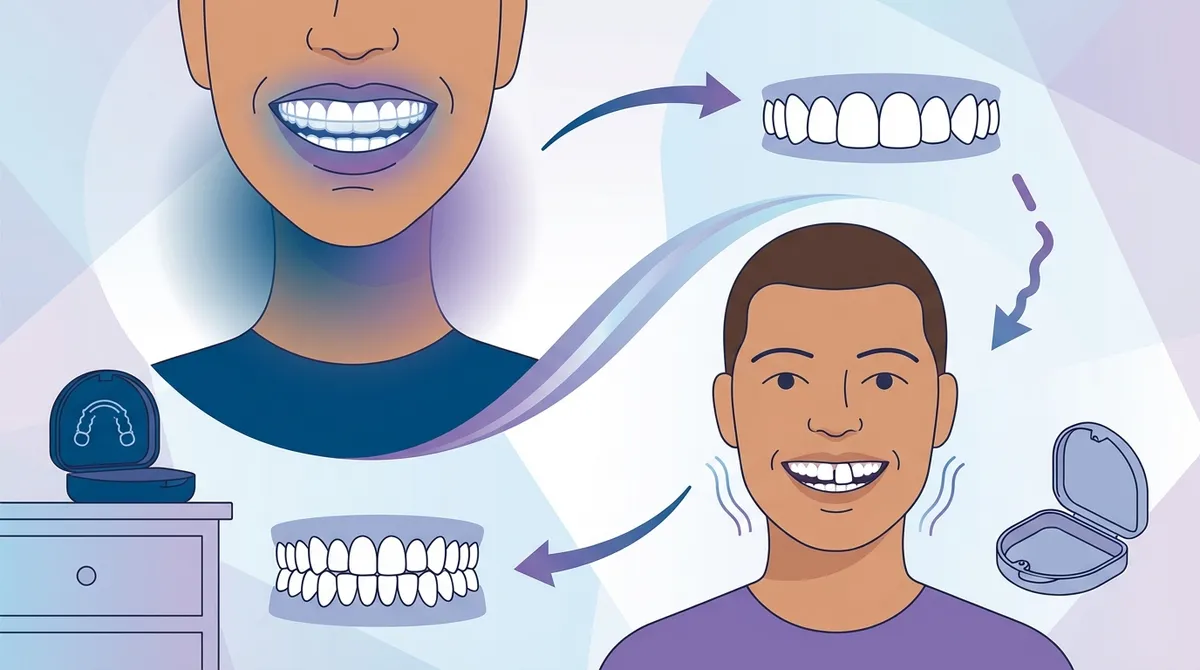
Your teeth are remarkably adaptable structures that respond to pressure and can shift position throughout your entire life. Even after successful orthodontic treatment, your teeth naturally want to migrate back toward their original positions—a process orthodontists call relapse. This happens because the bone and soft tissues surrounding your teeth need time to stabilize in their new configuration. According to the American Association of Orthodontists, retainers work by holding teeth in their corrected positions while the surrounding bone remodels and hardens, which can take several months to years.
Without consistent retainer wear, you risk undoing all the progress you’ve made during treatment. Studies show that teeth begin shifting within days of removing braces if no retainer is worn. The risk of relapse is particularly high during the first year after treatment, which is why most orthodontists recommend full-time wear initially, followed by nighttime wear indefinitely. Think of retainers as the maintenance phase of your orthodontic journey—they’re not optional extras but essential tools for long-term success.
1. Hawley Retainers: The Time-Tested Classic
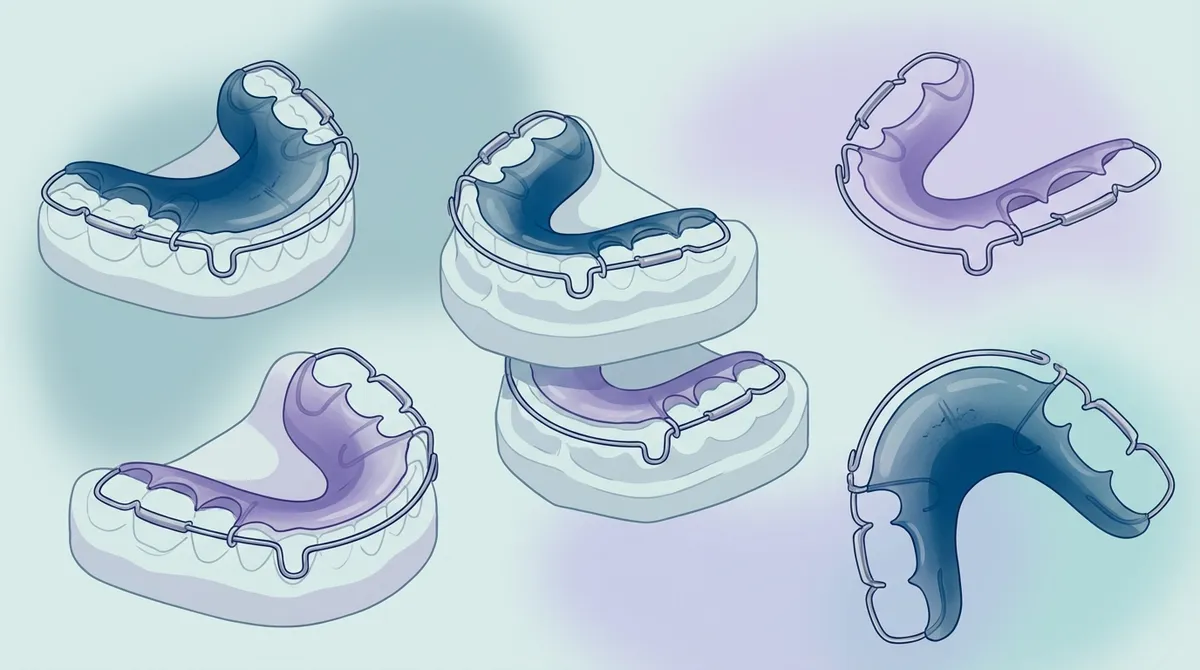
Hawley retainers have been the gold standard in orthodontic retention for over a century, and there’s a good reason they’ve stood the test of time. These removable devices consist of a molded acrylic plate that fits snugly against the roof of your mouth or along your lower teeth, combined with a visible wire that wraps around the front of your teeth to hold them in position. The acrylic portion can be customized with colors or patterns, making them popular among younger patients who want to personalize their retainers.
One of the biggest advantages of Hawley retainers is their durability and adjustability. Unlike other retainer types, orthodontists can make minor adjustments to the wire if slight tooth movements occur, potentially extending the life of the retainer without needing a complete replacement. They typically last many years with proper care, making them a cost-effective long-term solution. The wire component is made from sturdy stainless steel that resists breaking, and the acrylic base is thick enough to withstand normal wear and tear.
However, Hawley retainers do have some drawbacks to consider. The metal wire across your front teeth is visible when you smile or speak, which some patients find aesthetically unappealing. They can also affect speech initially, causing a slight lisp until you adjust to wearing them. The bulky acrylic plate may feel uncomfortable at first, particularly for patients with a strong gag reflex. Hawley retainers typically cost between $150 and $300, making them one of the more affordable options available.
| Feature | Hawley Retainers | Clear Plastic Retainers | Permanent Retainers |
|---|---|---|---|
| Visibility | Visible wire | Nearly invisible | Not visible |
| Durability | Very durable (5+ years) | Moderate (1-2 years) | Very durable (10+ years) |
| Adjustability | Adjustable by orthodontist | Not adjustable | Not adjustable |
| Cost Range | $150-$300 | $200-$500 | $150-$500 per arch |
| Removability | Removable | Removable | Permanent (bonded) |
2. Clear Plastic Retainers: The Discreet Solution
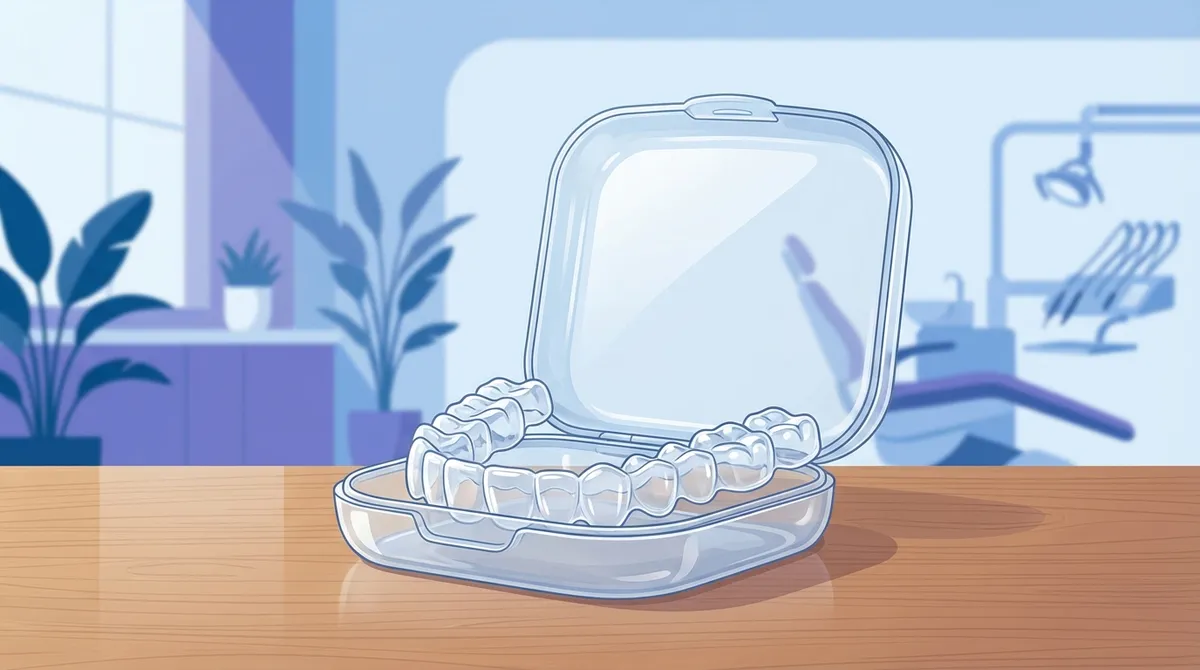
Clear plastic retainers, often called Essix retainers or vacuum-formed retainers, have become increasingly popular due to their near-invisible appearance and comfortable fit. These retainers are made from thin, transparent plastic that’s custom-molded to fit over your entire arch of teeth, similar in appearance to clear aligners. The material is virtually undetectable when worn, making them the preferred choice for image-conscious teens and adults who want to maintain their smile without drawing attention to their retainers.
The fabrication process for clear plastic retainers involves creating a precise mold of your teeth and then vacuum-forming a thin thermoplastic material over the model. This results in a snug, comfortable fit that covers your teeth completely from the gum line to the biting edges. Because they fit so precisely, clear retainers are excellent at maintaining tooth positions and preventing even minor shifts. Many patients find them more comfortable than Hawley retainers because there’s no bulky acrylic plate pressing against the roof of the mouth or tongue.
The main disadvantage of clear plastic retainers is their shorter lifespan compared to other options. The thin plastic material is susceptible to wear, cracking, and discoloration over time, especially for patients who grind their teeth at night. Most clear retainers need replacement every one to two years, which can add up in long-term costs. They also require diligent cleaning to prevent bacteria buildup and staining, as the clear material can become cloudy or yellowed if not properly maintained. Clear retainers typically cost between $200 and $500 per set, and since they need more frequent replacement, this can represent a significant ongoing expense.
Vivera Retainers: The Premium Clear Option
Vivera retainers, manufactured by Invisalign, represent a premium tier of clear plastic retainers. Made from a proprietary thermoplastic material that’s claimed to be 30% stronger than standard clear retainers, Vivera retainers typically last longer and resist cracking better than generic alternatives. They come in sets of four, ensuring you have backups ready when your current retainer wears out. While more expensive upfront, the durability and convenience of having multiple sets can make Vivera retainers worthwhile for patients committed to long-term retention.
3. Permanent (Fixed) Retainers: Set It and Forget It
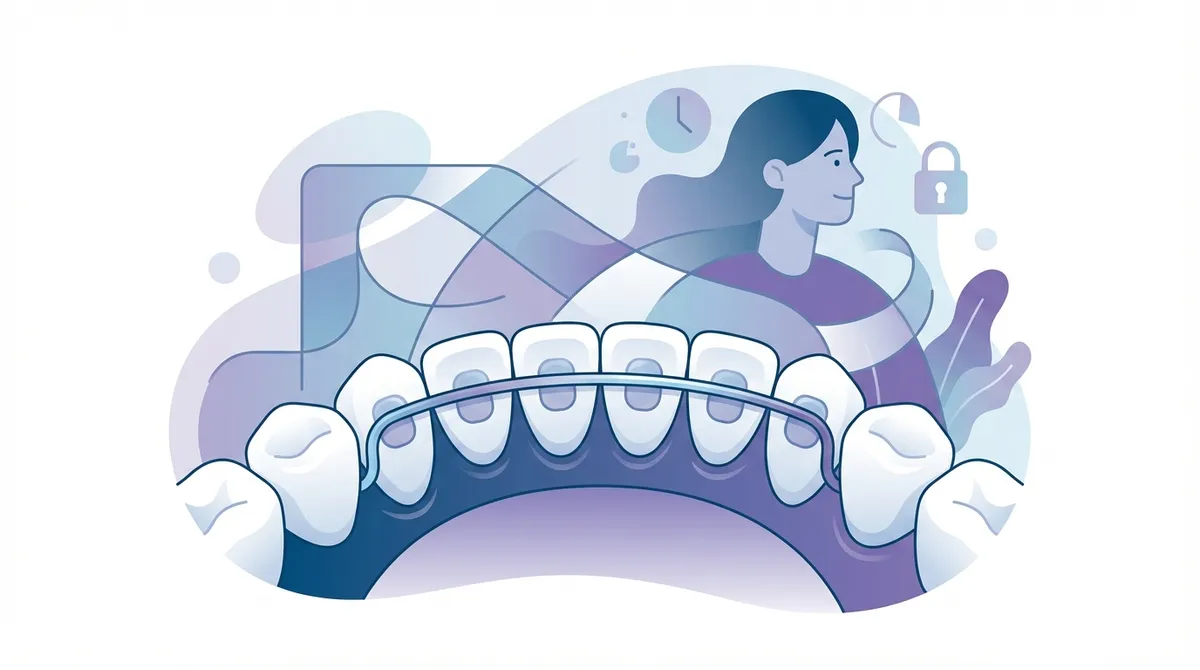
Permanent retainers, also called bonded or fixed retainers, offer a completely different approach to retention by staying in your mouth 24/7. These consist of a thin wire bonded to the back (lingual) surface of your front teeth, typically the lower front six teeth or upper front four to six teeth. Because they’re fixed in place, permanent retainers provide constant retention without requiring patient compliance—you can’t forget to wear something that’s always there. This makes them particularly valuable for patients with a history of poor retainer wear or those at high risk for relapse.
The installation process involves cleaning and preparing the tooth surfaces, then using dental adhesive to bond a braided or solid wire along the back of the teeth. The wire is carefully contoured to follow the natural alignment of your teeth while remaining out of sight and minimally intrusive. Most patients adapt to permanent retainers within a few days and eventually forget they’re even there. They don’t affect speech, aren’t visible when you smile, and require no daily insertion or removal routine.
However, permanent retainers do come with their own set of challenges. Oral hygiene becomes more complicated because the wire can trap food particles and make flossing difficult. Patients need to use floss threaders or special interdental brushes to clean effectively around the bonded wire. There’s also a risk of the wire breaking or debonding from the teeth, which requires a visit to your orthodontist for repair. Professional dental cleanings are essential for patients with permanent retainers to prevent tartar buildup around the bonded areas. The cost for permanent retainers ranges from $150 to $500 per arch, with many orthodontists recommending them for the lower teeth combined with a removable retainer for the upper teeth.
4. Combination Approach: Upper and Lower Retention Strategies
Many orthodontists at practices like Chacon Orthodontics recommend a combination approach that uses different retainer types for upper and lower teeth based on individual needs and relapse risks. This hybrid strategy typically involves a permanent retainer on the lower front teeth, where crowding relapse is most common, paired with a removable retainer (either Hawley or clear plastic) for the upper teeth. This combination provides the security of constant retention where it’s needed most while maintaining flexibility and ease of cleaning for the upper arch.
The logic behind this approach is straightforward: lower front teeth are particularly prone to crowding and shifting due to natural forces from the lips, tongue, and ongoing jaw growth. A permanent retainer offers continuous protection against these forces. Meanwhile, upper teeth may have different retention needs, and a removable retainer allows for easier cleaning while still maintaining alignment. This combination strategy also gives patients the option to whiten their upper teeth without retainer interference, which isn’t possible with permanent upper retainers.
Customizing Your Retention Plan
Your orthodontist will develop a personalized retention plan based on several factors, including the severity of your original malocclusion, your age when treatment was completed, whether you had extractions, and your risk factors for relapse. Patients who had severe crowding, rotations, or significant bite corrections typically need more aggressive retention strategies. Younger patients whose jaws are still growing may need different retention protocols than adults whose facial growth is complete. Discussing these factors with your orthodontist helps ensure your retention plan is optimized for your specific situation.
5. Spring Retainers: Active Correction After Treatment
Spring retainers represent a specialized category that not only maintains tooth position but can also make minor corrections after the primary treatment phase. These retainers incorporate small springs or active components that apply gentle pressure to specific teeth, allowing orthodontists to fine-tune alignment without returning to full braces or aligner treatment. Spring retainers are particularly useful for addressing minor relapses or making small refinements that become apparent after the initial retention period.
The most common type is the spring aligner retainer, which looks similar to a Hawley retainer but includes tiny springs positioned to move specific teeth. For example, if one tooth begins to drift slightly forward or rotate, a spring retainer can be fabricated to correct that specific movement while maintaining the position of all other teeth. These devices require periodic adjustments by your orthodontist as the correction progresses, making them more maintenance-intensive than passive retainers.
Spring retainers are typically not the first choice for standard retention but serve as problem-solving tools when issues arise. They’re commonly prescribed when patients have stopped wearing their retainers for an extended period and experienced minor relapse, offering a way to restore alignment without comprehensive retreatment. The cost varies depending on complexity but generally falls in the $300 to $600 range. They require diligent wear and regular follow-up appointments to achieve the desired corrections.
6. Digital Retainers: The Future of Retention
Advances in digital dentistry have revolutionized retainer fabrication, leading to what some orthodontists call “digital retainers”—not a different type of device, but rather retainers designed and manufactured using cutting-edge digital technology. The process begins with digital scanning of your teeth using intraoral scanners, eliminating the need for messy impression materials. These highly accurate 3D scans are then used to design retainers with computer-aided design (CAD) software, ensuring optimal fit and retention characteristics.
The digital workflow offers several advantages over traditional methods. First, the digital scans can be stored indefinitely, making it easy to fabricate replacement retainers years later without needing new impressions. This is particularly valuable if you lose a retainer or need a replacement after several years of wear. Second, the precision of digital scanning and 3D printing or milling results in more accurate, comfortable retainers with consistent quality. Third, the turnaround time for replacement retainers can be significantly faster when digital records are on file.
Many modern orthodontic practices, including Chacon Orthodontics, have adopted digital workflows for retainer fabrication. While the retainers themselves may be clear plastic, Hawley, or another traditional type, the manufacturing process represents a significant technological advancement. Patients benefit from better-fitting retainers, easier replacements, and often more affordable long-term costs since digital files eliminate the need for repeat impressions.
7. Retainer Wear Schedules: Full-Time to Nighttime
Understanding the different retainer wear schedules is just as important as choosing the right retainer type. Retention isn’t a one-size-fits-all proposition—your wear schedule will evolve over time based on how well your teeth stabilize and your individual relapse risk. Most orthodontists follow a progressive reduction model that starts with intensive wear and gradually decreases as your teeth stabilize in their new positions.
The typical progression looks something like this:
- Phase 1 (First 3-6 months): Full-time wear, removing retainers only for eating, drinking anything other than water, and brushing teeth. This intensive phase is critical for initial stabilization.
- Phase 2 (6-12 months): Nighttime-only wear, putting retainers in every evening before bed and wearing them throughout the night. Many patients remain in this phase indefinitely.
- Phase 3 (Maintenance): Some orthodontists allow reduction to several nights per week after the first year, though many now recommend nightly wear for life to prevent long-term drift.
Research increasingly supports lifelong retention, with many orthodontists adopting the motto “retainers for life.” The reasoning is simple: teeth can shift at any age due to natural aging processes, wisdom teeth eruption, grinding habits, or changes in jaw relationships. Wearing retainers several nights per week indefinitely is a small price to pay for maintaining the smile you worked so hard to achieve. Patients who stop wearing retainers after a few years frequently experience relapse and may require retreatment to restore their alignment.
| Time After Treatment | Typical Wear Schedule | Purpose |
|---|---|---|
| 0-3 months | 22+ hours daily (full-time) | Initial stabilization of bone and tissues |
| 3-12 months | Every night (8-10 hours) | Continued stabilization and habit formation |
| 1-2 years | Every night or alternating nights | Preventing long-term drift |
| 2+ years | Several nights per week to nightly | Lifelong maintenance and protection |
Caring for Your Retainers: Maintenance and Longevity
Proper retainer care is essential for maintaining hygiene, preventing damage, and maximizing the lifespan of your investment. Different retainer types require slightly different care approaches, but some universal principles apply to all removable retainers. Establishing a consistent cleaning routine from day one will help you avoid common problems like bacterial buildup, discoloration, and unpleasant odors.
For removable retainers (both Hawley and clear plastic), daily cleaning should include:
- Rinsing retainers with cool water immediately after removal to prevent saliva from drying and hardening on the surface
- Brushing gently with a soft toothbrush and mild, non-abrasive soap or retainer cleaner (avoid toothpaste, which can be too abrasive for plastic)
- Soaking in retainer cleaning solution or denture cleaner once daily to kill bacteria and remove buildup
- Storing in a protective case whenever retainers are not in your mouth to prevent loss or damage
- Keeping retainers away from heat sources, as high temperatures can warp plastic materials
- Never wrapping retainers in napkins or tissues, as this frequently leads to accidental disposal
For permanent retainers, maintenance focuses on thorough oral hygiene around the bonded wire. Use floss threaders or specialized orthodontic floss to clean between teeth where the wire is attached. Water flossers can be helpful tools for flushing debris from around permanent retainers. Regular professional cleanings are essential, as tartar tends to accumulate near the bonded wire. If you notice any looseness or feel the wire moving, contact your orthodontist immediately for evaluation and repair.
When to Replace Your Retainers
Knowing when to replace retainers is important for maintaining effective retention. Clear plastic retainers typically need replacement every one to two years, or sooner if they become cracked, warped, or excessively worn. Signs that replacement is needed include visible cracks, loose fit, cloudy or discolored plastic, or difficulty inserting the retainer. Hawley retainers can last many years but eventually may need the acrylic base replaced or the wire adjusted. If your retainer no longer fits properly or feels tight when inserted after fitting well previously, contact your orthodontist—this may indicate tooth movement that needs attention.
Cost Considerations and Insurance Coverage
Understanding the financial aspects of retainers helps you budget appropriately and make informed decisions about retention options. The initial set of retainers is typically included in your comprehensive orthodontic treatment fee, but replacement retainers are usually an out-of-pocket expense. Being aware of the long-term costs associated with different retainer types can influence which option you choose.
Here’s a breakdown of typical retainer costs in 2025:
- Hawley retainers: $150-$300 per arch
- Clear plastic retainers (Essix): $200-$500 per arch
- Vivera retainers (Invisalign brand): $400-$800 for a set of four
- Permanent retainers: $150-$500 per arch for initial placement
- Permanent retainer repair: $100-$250 depending on the extent of damage
Insurance coverage for replacement retainers varies significantly by plan. Some dental insurance policies include coverage for one or two replacement retainers within a certain timeframe, while others consider retainers a patient responsibility after the initial set. Orthodontic insurance may provide better coverage than general dental insurance. Many orthodontic offices, including Chacon Orthodontics in Westchase, offer retainer protection plans or discounted replacement programs for patients who maintain regular check-ups. These programs can significantly reduce long-term costs and provide peace of mind.
Making the Right Choice for Your Smile
Selecting the best retainer type requires balancing multiple factors including aesthetics, lifestyle, compliance likelihood, dental history, and budget. There’s no universally “best” retainer—the optimal choice depends on your individual circumstances and priorities. Consider these questions when making your decision:
- How important is retainer visibility to you? If aesthetics are a top priority, clear plastic or permanent retainers offer the most discreet options.
- Are you disciplined about wearing removable appliances? If compliance is a concern, permanent retainers eliminate the worry of forgetting to wear your retainer.
- Do you grind your teeth at night? Bruxism may make clear plastic retainers impractical due to rapid wear, pointing toward Hawley or permanent options.
- What’s your budget for long-term retention? Consider not just initial costs but replacement expenses over years or decades.
- How important is ease of oral hygiene? Removable retainers allow unrestricted brushing and flossing, while permanent retainers require extra effort.
Your orthodontist is your best resource for personalized recommendations based on your treatment outcomes, tooth positions, and risk factors for relapse. They can identify which teeth are most likely to shift and recommend retention strategies targeted to those areas. Don’t hesitate to ask questions about the pros and cons of each option as they apply to your specific situation. Read reviews from other patients to understand real-world experiences with different retainer types.
Conclusion: Protecting Your Orthodontic Investment
Retainers for teeth represent the final but arguably most important phase of your orthodontic journey. After investing time, money, and effort into achieving your ideal smile, consistent retainer wear is the key to maintaining those results for life. Whether you choose the durability of Hawley retainers, the discretion of clear plastic options, the convenience of permanent retainers, or a combination approach, the most important factor is commitment to your retention protocol. Modern retainer technology offers more choices than ever before, allowing you to find an option that fits seamlessly into your lifestyle while providing effective, long-term tooth stabilization.
Remember that teeth can shift at any age, making lifelong retention the best insurance policy for your smile. Establish good habits early, maintain your retainers properly, and stay connected with your orthodontist through regular check-ups. If you’re completing orthodontic treatment or experiencing retainer problems, schedule a consultation with Chacon Orthodontics to discuss the best retention strategy for your needs. With the right retainers and consistent wear, you can enjoy your beautiful, straight smile for decades to come—making all those months of treatment completely worthwhile.
FAQs
Q: How long do you need to wear retainers after braces?
A: Most orthodontists recommend wearing retainers full-time for the first 3-6 months after braces removal, then transitioning to nighttime wear for at least 12 months. However, current best practice suggests wearing retainers several nights per week indefinitely to prevent long-term tooth shifting. Teeth can move at any age, so lifelong retention provides the best protection for your orthodontic investment.
Q: What is the difference between permanent and removable retainers?
A: Permanent retainers consist of a thin wire bonded to the back of your teeth, providing constant retention without requiring patient compliance. Removable retainers (Hawley or clear plastic) can be taken out for eating and cleaning but require discipline to wear as prescribed. Permanent retainers are excellent for preventing lower front tooth crowding, while removable options offer flexibility and easier oral hygiene maintenance.
Q: How much do replacement retainers cost in 2025?
A: Replacement retainer costs vary by type: Hawley retainers typically cost $150-$300 per arch, clear plastic retainers range from $200-$500, and Vivera retainers cost $400-$800 for a set of four. Permanent retainer repairs run $100-$250 depending on the damage. Many orthodontic offices offer retainer protection plans that provide discounted replacements, which can significantly reduce long-term costs over years of retention.
Q: Can teeth shift back without wearing retainers?
A: Yes, teeth can begin shifting within days of stopping retainer wear, especially during the first year after orthodontic treatment. Even years after treatment, teeth remain susceptible to movement due to natural aging, wisdom teeth pressure, grinding habits, and changes in jaw relationships. Without consistent retainer wear, you risk relapse that may require retreatment to correct. This is why orthodontists increasingly recommend lifelong retention.
Q: How do you properly clean and care for retainers?
A: Clean removable retainers daily by rinsing with cool water, brushing gently with a soft toothbrush and mild soap, and soaking in retainer cleaner to kill bacteria. Always store retainers in their protective case when not wearing them, and keep them away from heat sources that can cause warping. For permanent retainers, use floss threaders to clean between teeth around the bonded wire, and maintain regular professional dental cleanings to prevent tartar buildup.