
Key Takeaways
-
Professional in-office treatments like Philips Zoom can whiten teeth 4-10 shades in just 2 hours, offering the fastest and most dramatic results.
-
Custom-fitted dental trays provide superior whitening by ensuring even gel distribution and minimizing sensitivity compared to generic options.
-
ADA-approved whitening strips like Crest 3D Whitestrips offer an effective at-home solution, capable of whitening up to 4 shades with minimal sensitivity.
-
The KöR Whitening Deep Bleaching System is exceptional for treating stubborn discoloration, capable of whitening teeth up to 16 shades.
-
Tooth sensitivity can be managed by choosing professional-supervised treatments, using sensitivity-formulated products, and starting with shorter application times.
-
Whitening toothpastes are best for maintaining results and removing surface stains, not for dramatic color changes.
-
Your choice of whitening method should depend on stain severity, budget, timeline, and personal dental health considerations.
A bright, white smile can transform your confidence and leave a lasting impression in both personal and professional settings. With countless teeth whitening options flooding the market in 2025, from professional in-office treatments to at-home kits and whitening toothpastes, choosing the right method for your needs can feel overwhelming. The truth is, not all whitening solutions deliver the same results, and what works brilliantly for one person might not be ideal for another. Understanding the science behind teeth whitening, the differences between professional and over-the-counter products, and how to evaluate safety and effectiveness will empower you to make an informed decision. Whether you’re dealing with stubborn coffee stains, yellowing from aging, or simply want to enhance your natural smile, this comprehensive guide will walk you through everything you need to know about selecting the best teeth whitening method for your unique situation.
Understanding How Teeth Whitening Works
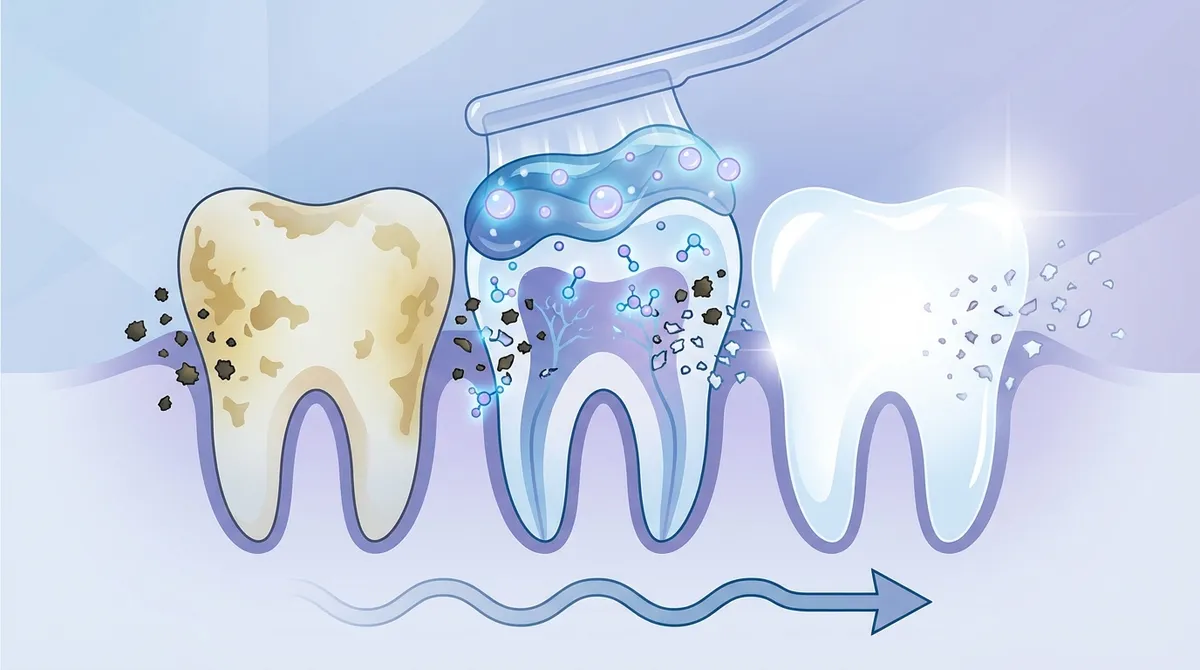
Before diving into specific whitening methods, it’s essential to understand the science behind teeth whitening. Most effective whitening treatments rely on peroxide-based compounds—either hydrogen peroxide or carbamide peroxide—that penetrate the tooth enamel to break down stain molecules. When these bleaching agents contact your teeth, they trigger an oxidation reaction that transforms colored compounds into colorless ones, effectively lightening the tooth’s appearance. Hydrogen peroxide acts faster but is more concentrated, while carbamide peroxide breaks down into hydrogen peroxide and urea, offering a gentler, slower-release whitening effect.
The effectiveness of any whitening treatment depends on several factors: the concentration of the active ingredient, the duration of contact with your teeth, and the delivery method used. Professional treatments typically use higher concentrations (up to 40% hydrogen peroxide) for faster results, while at-home products contain lower concentrations (typically 3-20%) that require longer application times. According to dental bleaching research, peroxide-based treatments are considered the gold standard because they actually change the color of your teeth, unlike whitening toothpastes that only remove surface stains through mild abrasives.
Professional In-Office Teeth Whitening Treatments
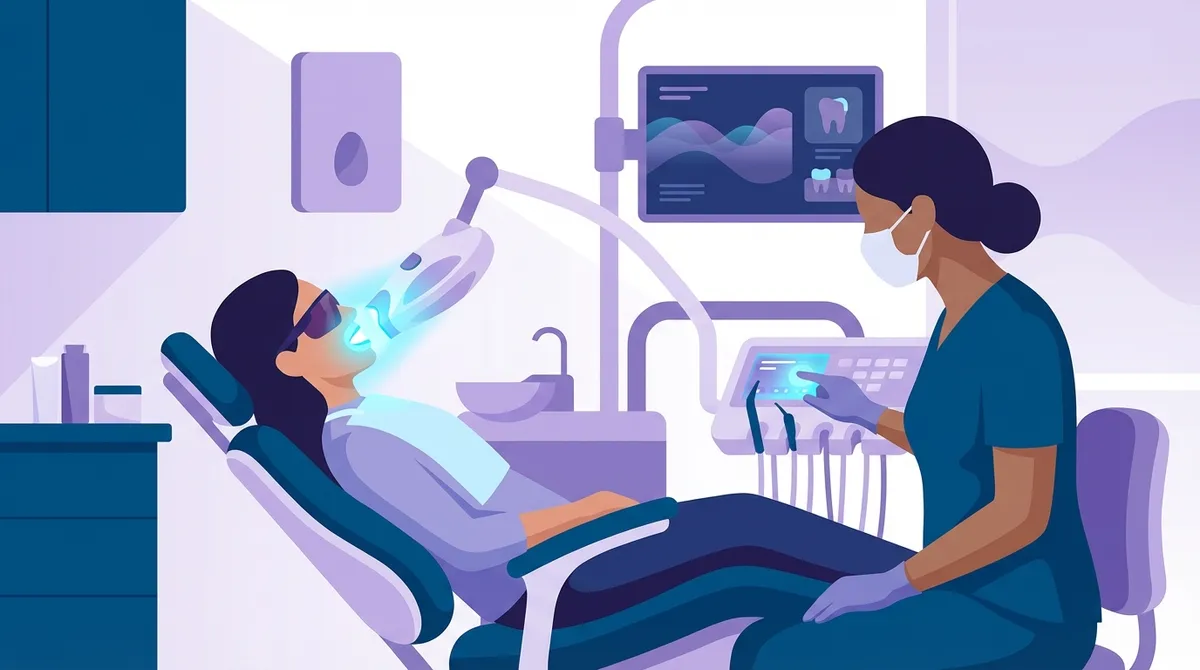
Professional in-office whitening treatments represent the most powerful and fastest option for achieving dramatically whiter teeth. These treatments are performed under the supervision of dental professionals who can safely use higher concentrations of whitening agents and advanced technology to maximize results while minimizing sensitivity. If you’re looking for immediate, noticeable results—especially before a wedding, job interview, or other important event—professional whitening is your best choice.
Philips Zoom Whitening
Philips Zoom Whitening has become one of the most popular in-office treatments, achieving impressive results of 4-10 shades lighter in a single 2-hour visit. The process involves applying a hydrogen peroxide gel to your teeth, which is then activated by a specialized blue LED light that accelerates the whitening process. The combination of professional-strength gel and light activation penetrates deeper into the enamel than at-home treatments, delivering faster and more dramatic results. Many patients appreciate that they can walk into the office with stained teeth and leave the same day with a noticeably brighter smile.
KöR Whitening Deep Bleaching System
For those dealing with stubborn discoloration or even tetracycline-stained teeth that don’t respond well to other treatments, the KöR Whitening Deep Bleaching System offers remarkable effectiveness. This advanced treatment can whiten teeth up to 16 shades, making it particularly valuable for individuals with severe staining. The system uses custom-fitted trays that are worn at home following an initial in-office treatment, combining the power of professional application with the extended contact time of at-home maintenance. The custom trays minimize sensitivity while ensuring the whitening gel stays in constant contact with your teeth for optimal results.
| Treatment Type | Shades Improved | Treatment Time | Typical Cost Range |
|---|---|---|---|
| Philips Zoom Whitening | 4-10 shades | 2 hours (single visit) | $500-$1,000 |
| KöR Whitening System | Up to 16 shades | In-office + at-home maintenance | $1,000-$1,500 |
| Custom Tray Systems | 2-8 shades | 2-4 weeks (daily use) | $150-$600 |
| Professional-Grade Strips | 3-6 shades | 10-20 days | $200-$400 |
Professional At-Home Whitening Options
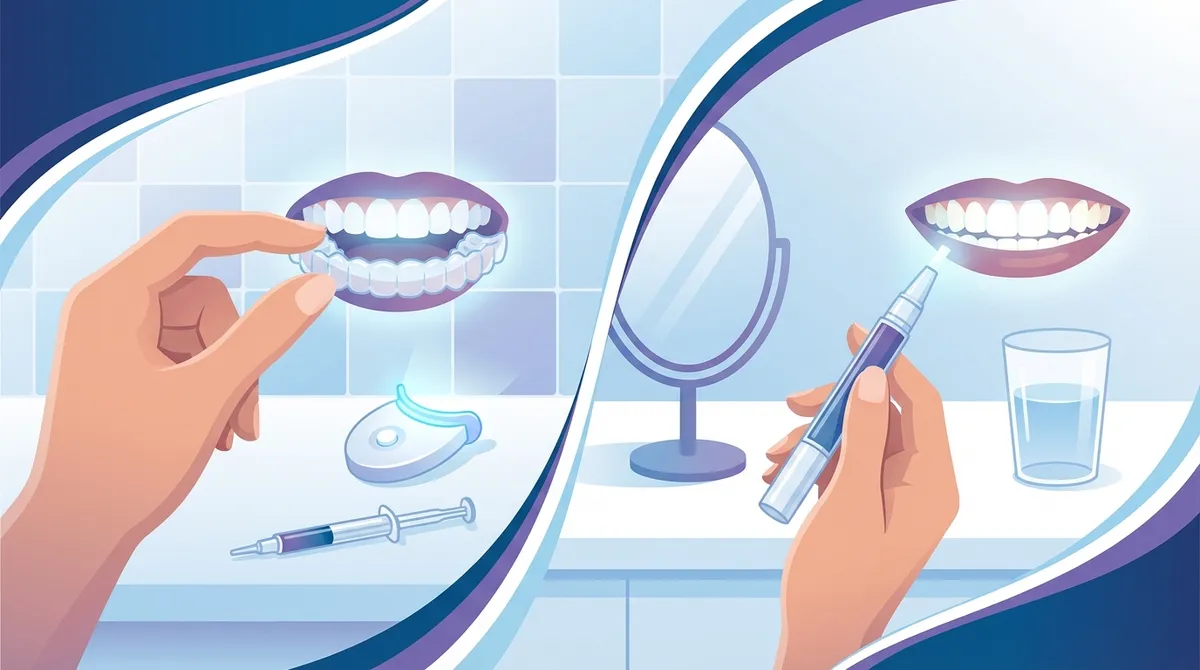
If you prefer the convenience of whitening at home but want professional-grade results, dentist-supervised at-home treatments offer an excellent middle ground. These options provide stronger whitening agents than over-the-counter products while allowing you to whiten on your own schedule. The key advantage is that they’re customized to your specific dental needs and monitored by a professional who can adjust your treatment if sensitivity occurs.
Custom-Fitted Whitening Trays
Custom-fitted trays created by your dentist represent one of the most effective at-home whitening methods available. During your initial appointment, your dentist takes precise impressions of your teeth to create trays that fit perfectly, ensuring even gel distribution and preventing the whitening solution from irritating your gums. These custom trays, which cost between $150 and $600, deliver significantly better results than generic one-size-fits-all options priced around $30. You’ll typically wear the trays for 2 hours per day or overnight for 2-4 weeks, whitening your teeth by 2-8 shades.
The custom fit provides several advantages beyond comfort. The trays create a seal that keeps the whitening gel in constant contact with your teeth, maximizing effectiveness while minimizing waste. They also prevent the gel from spreading to your gums, which reduces irritation and sensitivity—common complaints with ill-fitting generic trays. At Chacon Orthodontics, we create custom trays that work seamlessly with our patients’ orthodontic treatments, ensuring comprehensive smile enhancement.
Professional-Grade Whitening Strips
Professional-grade whitening strips prescribed by dentists contain higher concentrations of bleaching agents than drugstore versions, typically delivering 3-6 shades of improvement. These strips cover the entire tooth surface more effectively than over-the-counter options, ensuring more uniform results without patchy areas. While they’re more expensive than drugstore strips, ranging from $200 to $400, they provide faster results with less risk of gum irritation due to better adhesion and more precise sizing.
Over-the-Counter At-Home Whitening Products
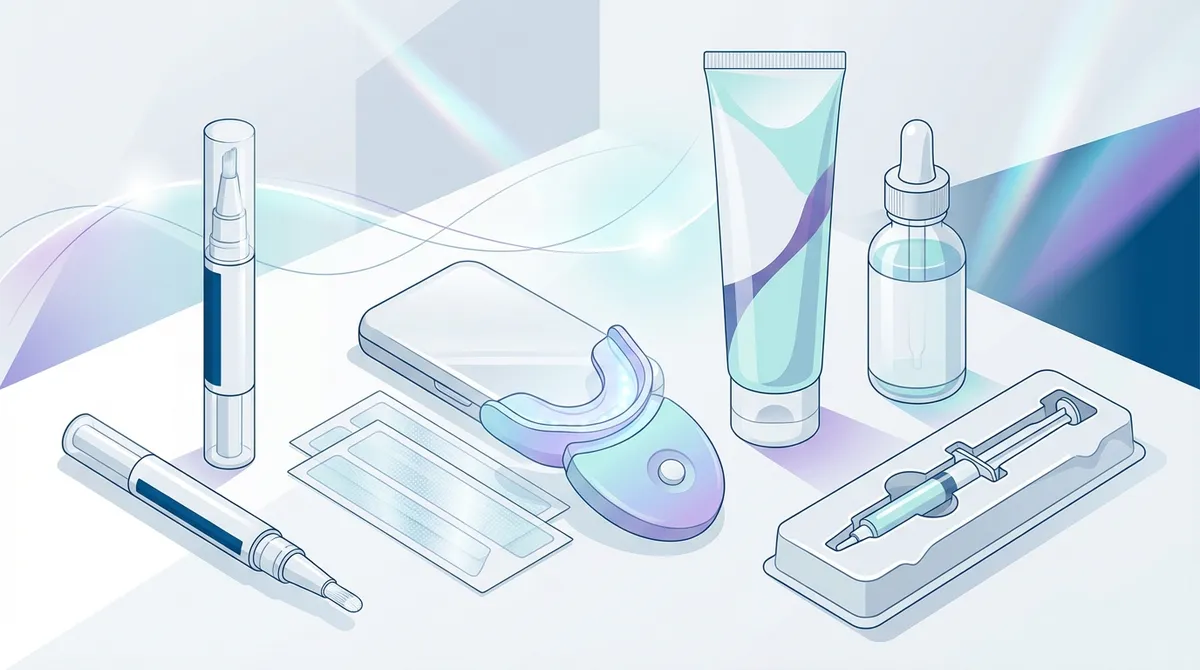
For budget-conscious consumers or those with mild staining, over-the-counter whitening products offer accessible options that can still deliver noticeable results. While these products use lower concentrations of whitening agents and may take longer to show effects, many have improved significantly in recent years. Understanding which OTC products deliver on their promises—and which are marketing hype—will help you make a smart choice.
Leading Whitening Strip Brands
Crest 3D Whitestrips have consistently ranked as one of the most effective over-the-counter whitening products, capable of whitening teeth up to 4 shades in 20 days. In testing, 100% of participants reported no sensitivity, making these strips an excellent choice for people with sensitive teeth. The strips use a peroxide-based gel that adheres to your teeth for 30 minutes to an hour daily, gradually lifting stains. For those seeking faster results, Zimba Whitening Strips can lighten teeth by 2.7 shades in just 2 weeks, though individual results vary based on the severity of staining.
When choosing whitening strips, look for products approved by the American Dental Association (ADA), which ensures they’ve met safety and effectiveness standards. ADA-approved strips use safe concentrations of hydrogen peroxide or carbamide peroxide that won’t damage your enamel when used as directed. However, it’s important to note that strips may not whiten between teeth or in hard-to-reach areas as effectively as custom trays.
Whitening Toothpastes and Their Limitations
Whitening toothpastes work differently from bleaching products—they use mild abrasives and special chemicals to remove surface stains rather than changing the underlying tooth color. While they can’t deliver the dramatic results of peroxide-based treatments, quality whitening toothpastes like Crest Whitening Toothpaste can remove up to 10 years of yellow stains over 4 weeks of consistent use, according to Good Housekeeping’s Beauty Lab testing. These toothpastes are best suited for maintaining whiteness after professional treatment or for people with minimal staining.
The key limitation of whitening toothpastes is that they only affect surface-level discoloration. If your teeth are intrinsically stained (discolored from within due to medication, trauma, or genetics), whitening toothpaste won’t make a significant difference. However, they’re excellent for preventing new stains from coffee, tea, red wine, and tobacco if used consistently. For optimal results, pair whitening toothpaste with professional treatments rather than relying on it as your sole whitening method.
Factors to Consider When Choosing a Whitening Method
Selecting the best teeth whitening method isn’t just about effectiveness—it’s about finding the right balance between results, cost, convenience, and your personal dental health considerations. Several key factors should guide your decision-making process to ensure you choose a treatment that aligns with your goals and circumstances.
Severity of Tooth Discoloration
The degree and type of staining you’re dealing with significantly impacts which whitening method will work best. Surface stains from coffee, tea, or red wine typically respond well to over-the-counter products or professional-grade strips. However, deeper discoloration from aging, certain medications (like tetracycline), or fluorosis requires more powerful professional treatments like the KöR Whitening System. If you have intrinsic stains or severely yellowed teeth, investing in professional in-office treatment will save you time and frustration compared to repeatedly purchasing ineffective over-the-counter products.
Tooth Sensitivity Concerns
Tooth sensitivity is one of the most common side effects of teeth whitening, occurring when bleaching agents temporarily increase tooth permeability, allowing stimuli to reach the nerve. If you already have sensitive teeth, choosing the right whitening method becomes even more critical. Custom-fitted trays from your dentist allow for better control over gel concentration and application time, reducing sensitivity compared to generic trays where excess gel can irritate gums. Additionally, professional supervision means your dentist can recommend desensitizing treatments or adjust your whitening protocol if sensitivity becomes problematic.
Some newer products specifically address sensitivity concerns. Oralgen NuPearl, for example, whitens teeth by 2.1 shades in just one week while being formulated for sensitive teeth. When shopping for whitening products, look for those containing potassium nitrate or fluoride, which help minimize sensitivity. Starting with shorter application times and gradually increasing can also help your teeth adjust to the whitening process.
| Consideration Factor | Best Choice | Why It Matters |
|---|---|---|
| Severe Staining | Professional in-office treatment (KöR or Zoom) | Higher concentrations penetrate deeper for dramatic results |
| Sensitive Teeth | Custom trays or sensitivity-formulated products | Controlled application reduces gum irritation and nerve exposure |
| Budget Constraints | Quality OTC strips or whitening toothpaste | Affordable options that still deliver noticeable improvement |
| Time Sensitivity | Philips Zoom Whitening | Dramatic results in a single 2-hour appointment |
| Convenience Priority | At-home custom trays or quality strips | Whiten on your schedule without office visits |
Budget and Timeline Expectations
Your budget and timeline for achieving results play crucial roles in determining the best whitening approach. Professional in-office treatments deliver the fastest results—often in just one 2-hour session—but come with a higher price tag of $500 to $1,500. If you have an upcoming event and need quick results, this investment may be worthwhile. Conversely, if you’re working with a limited budget and can wait several weeks for gradual improvement, quality over-the-counter strips costing $30 to $60 represent a cost-effective option.
Consider the long-term cost as well. Professional treatments typically last longer—anywhere from 1 to 3 years with proper maintenance—while over-the-counter products may need to be repeated every few months to maintain results. When you calculate cost per year of whiteness, professional treatments often provide better value despite the higher upfront investment. Additionally, professional treatments reduce the risk of uneven results or enamel damage that could require costly dental work to correct.
Safety Considerations and Potential Risks
While teeth whitening is generally safe when performed correctly, understanding potential risks helps you make informed decisions and take appropriate precautions. The most common side effects—tooth sensitivity and gum irritation—are typically temporary and manageable. However, improper use of whitening products or choosing products with questionable ingredients can lead to more serious complications, including enamel erosion and permanent damage to your teeth.
Understanding Enamel Safety
One of the most frequent concerns about teeth whitening is whether it damages tooth enamel. When used as directed, peroxide-based whitening products approved by dental associations do not permanently damage enamel. The temporary increase in tooth permeability that causes sensitivity typically resolves within a few days after treatment. However, overuse of whitening products—particularly those with high abrasive content like some whitening toothpastes—can wear down enamel over time. This is why following product instructions and consulting with a dentist before starting any whitening regimen is essential.
Professional supervision adds an extra layer of safety. Your dentist can assess your enamel health before recommending whitening treatments, ensuring your teeth are strong enough to handle the process. They can also identify underlying issues like cavities or gum disease that should be addressed before whitening, as bleaching agents can penetrate these areas and cause pain or further damage. For those interested in combining orthodontic work with teeth whitening, services like our teeth whitening options can be coordinated with treatments such as clear aligners for comprehensive smile enhancement.
Avoiding Unregulated Products
The teeth whitening market includes numerous unregulated products making exaggerated claims, particularly on social media and e-commerce platforms. Charcoal-based whitening products, DIY whitening remedies using household items like baking soda and lemon juice, and whitening products from unverified international sellers may contain harmful ingredients or abrasive compounds that damage enamel. Some products even contain dangerous levels of hydrogen peroxide that exceed safe limits established by dental associations.
To protect your dental health, stick with products that have earned the ADA Seal of Acceptance, which indicates they’ve undergone rigorous testing for safety and effectiveness. When considering professional treatments, verify that the dental practice uses reputable, FDA-approved whitening systems. If you’re exploring orthodontic options alongside whitening, working with experienced professionals like those at Dr. Chacon’s practice ensures you receive safe, coordinated care.
Maximizing and Maintaining Your Whitening Results
Achieving whiter teeth is only half the battle—maintaining those results requires ongoing effort and smart lifestyle choices. Even the most effective professional whitening treatments will gradually fade if you don’t take steps to prevent new stains and protect your investment. Understanding how to extend the longevity of your whitening results will help you enjoy your brighter smile for months or even years.
Post-Treatment Care Guidelines
The first 48 hours after any whitening treatment are critical for long-term results. During this period, your teeth are more porous and susceptible to staining, so you should avoid highly pigmented foods and beverages including coffee, tea, red wine, dark sodas, berries, tomato sauce, and soy sauce. Tobacco use should also be avoided, as it can quickly reverse whitening effects. This “white diet” period allows your enamel to re-harden and become less permeable, protecting your newly whitened teeth from immediate staining.
Following the initial 48-hour period, you can gradually reintroduce staining foods and beverages, but with precautions. Drinking coffee or tea through a straw minimizes contact with your front teeth, and rinsing your mouth with water immediately after consuming staining substances helps prevent pigments from settling into your enamel. Maintaining excellent oral hygiene—brushing twice daily, flossing, and using a whitening toothpaste—removes surface stains before they penetrate deeper into your teeth.
Long-Term Maintenance Strategies
Most professional whitening treatments last 1 to 3 years, but this varies significantly based on your lifestyle and maintenance habits. Regular touch-up treatments extend your results considerably. For those who had custom trays made, periodic touch-ups using your existing trays with fresh whitening gel (typically every 3-6 months) maintain your brightness without needing another full treatment. These touch-ups are quick, affordable, and highly effective at preventing gradual yellowing.
Professional dental cleanings every six months also play a crucial role in maintaining white teeth. Even with excellent home care, tartar buildup and stubborn surface stains accumulate over time. Professional cleanings remove these deposits, keeping your teeth looking their best between whitening treatments. If you’ve combined orthodontic treatment with whitening, wearing your retainers as prescribed ensures your straight, white smile remains perfect.
Special Considerations for Different Age Groups
Teeth whitening isn’t one-size-fits-all, and age-related factors significantly influence which whitening methods are appropriate and effective. Understanding these considerations ensures you choose treatments that work with your dental physiology rather than against it.
Whitening for Teenagers and Young Adults
Teenagers often express interest in teeth whitening, especially before significant events like prom, graduation, or college interviews. However, dentists typically recommend waiting until all permanent teeth have fully erupted and matured—usually around age 14-16—before pursuing whitening treatments. Young teeth have larger pulp chambers and are more sensitive to whitening agents, increasing the risk of sensitivity and potential damage. For younger patients, professional supervision is absolutely essential to ensure safe application and appropriate product selection.
For teens who are good candidates for whitening, dentist-supervised treatments provide the safest approach. Custom trays allow for controlled application with lower concentrations of whitening gel, minimizing sensitivity while still delivering effective results. Many teenagers also benefit from combining whitening with orthodontic treatments like custom braces or clear aligners, timing the whitening for after orthodontic appliances are removed to ensure uniform coloration.
Whitening for Mature Adults
As we age, teeth naturally darken due to enamel thinning and dentin yellowing, making whitening more challenging but still achievable. Adults often have additional considerations like existing dental work—crowns, veneers, and fillings don’t respond to whitening treatments, which can result in mismatched coloration if not properly planned. Before whitening, mature adults should consult with their dentist to assess whether existing restorations will need replacement after whitening to match their newly brightened natural teeth.
Older adults may also have receding gums that expose tooth roots, which don’t respond to whitening and can become more sensitive during treatment. Professional evaluation identifies these concerns and allows for customized treatment plans that address them. For mature adults seeking comprehensive smile rejuvenation, combining whitening with other cosmetic treatments creates the most dramatic transformation.
Making Your Decision: A Step-by-Step Approach
With so many whitening options available, creating a systematic approach to your decision helps you choose the method that best aligns with your needs, goals, and circumstances. Following these steps ensures you make an informed choice rather than falling for marketing hype or choosing based solely on price.
First, honestly assess your current tooth color and the degree of staining you’re dealing with. Take photos of your smile in natural lighting to document your starting point. Compare your teeth to a shade guide (many are available online) to establish a baseline. This assessment helps set realistic expectations—if your teeth are severely stained, over-the-counter products likely won’t deliver the dramatic results you’re hoping for, and investing in professional treatment from the start will save you money and disappointment.
Second, schedule a consultation with a dental professional, even if you’re leaning toward at-home whitening. A dentist can identify potential issues that might affect your whitening results or safety, such as cavities, gum disease, or enamel erosion. They can also provide personalized recommendations based on your specific dental anatomy and health status. This professional guidance is invaluable for avoiding costly mistakes and ensuring optimal results. You can schedule a free consultation with qualified dental professionals who can assess your unique situation.
Third, consider your lifestyle, budget, and timeline. If you need results quickly for an upcoming event, professional in-office treatment is your best option despite the higher cost. If you have more time and want to spread the cost over several months, custom trays or quality over-the-counter strips might better suit your situation. Be honest about your commitment level too—custom trays require consistent daily use for weeks, while in-office treatments require only a single appointment.
Finally, think about long-term maintenance. The initial whitening treatment is just the beginning—maintaining your results requires ongoing effort. Factor in the cost and effort of touch-up treatments, lifestyle modifications, and maintenance products when making your decision. Some people find that paying more upfront for professional treatment that lasts longer ultimately provides better value than repeatedly purchasing less effective over-the-counter products.
Conclusion: Your Path to a Brighter Smile
Choosing the best teeth whitening method doesn’t have to be overwhelming when you understand the options, science, and factors that influence effectiveness. Professional in-office treatments like Philips Zoom and KöR Whitening deliver the fastest, most dramatic results—up to 16 shades lighter—making them ideal for severe staining or time-sensitive situations. Professional at-home options using custom trays provide an excellent balance between effectiveness and convenience, while quality over-the-counter products offer accessible solutions for mild staining and maintenance.
The key to successful teeth whitening lies in matching the method to your specific needs: the severity of your staining, your sensitivity concerns, your budget, and your timeline. Professional supervision—whether for in-office treatment or custom at-home solutions—significantly increases your chances of achieving safe, effective, long-lasting results while minimizing risks like sensitivity or enamel damage. Don’t fall for unregulated products or unrealistic promises; instead, invest in proven methods backed by dental science and professional expertise.
Remember that achieving and maintaining a bright, white smile is a journey, not a destination. Even the most effective whitening treatments require ongoing maintenance through good oral hygiene, smart lifestyle choices, and periodic touch-ups. By following the guidance in this article and working with qualified dental professionals, you’ll be well-equipped to make an informed decision that leads to the confident, radiant smile you deserve.
Ready to start your journey toward a brighter smile? The team at Chacon Orthodontics offers comprehensive whitening solutions tailored to your unique needs and goals. Whether you’re looking for professional in-office treatment, custom at-home solutions, or guidance on maintaining your results, our experienced professionals are here to help. Visit our Google Business Profile to see what our satisfied patients are saying, or contact our office today to schedule your personalized consultation and discover which whitening method is right for you.
FAQs
Q: What is the safest teeth whitening method?
A: Dentist-supervised whitening treatments are the safest option, as they use controlled concentrations of peroxide-based agents and include professional oversight to monitor for sensitivity or complications. Custom-fitted trays from your dentist minimize gum irritation and ensure even application, while ADA-approved over-the-counter products offer safer at-home alternatives when professional supervision isn’t possible.
Q: How long do professional teeth whitening results last?
A: Professional whitening results typically last between 1 to 3 years, depending on your lifestyle habits and maintenance routine. Avoiding staining foods and beverages like coffee, tea, and red wine, maintaining excellent oral hygiene, and using periodic touch-up treatments every 3-6 months can significantly extend the longevity of your results.
Q: Can teeth whitening damage my enamel?
A: When used as directed, peroxide-based whitening products approved by dental associations do not permanently damage tooth enamel. The temporary increase in tooth permeability that causes sensitivity resolves within a few days after treatment. However, overusing whitening products or choosing abrasive options can wear down enamel over time, which is why following instructions and consulting with a dentist is essential.
Q: What’s the difference between professional and over-the-counter whitening?
A: Professional whitening uses higher concentrations of bleaching agents (up to 40% hydrogen peroxide) and custom-fitted delivery systems, achieving faster and more dramatic results of 4-16 shades in less time. Over-the-counter products contain lower concentrations (3-20%) and generic delivery methods, requiring longer application times and typically delivering more modest improvements of 2-4 shades over several weeks.
Q: How can I reduce tooth sensitivity during whitening?
A: To minimize sensitivity, start with shorter application times and gradually increase, use products formulated for sensitive teeth containing potassium nitrate or fluoride, and consider custom-fitted trays that prevent gel from irritating your gums. If sensitivity persists, your dentist can adjust your whitening protocol, recommend desensitizing treatments, or suggest lower concentration products that work more gradually.