

Key Takeaways
-
First orthodontic evaluations are recommended by age 7, even for children with baby teeth, to establish a foundation for lifelong oral health.
-
The first visit is comprehensive, lasting 45-90 minutes, and includes paperwork, medical history review, thorough oral examination, and advanced diagnostic imaging.
-
Diagnostic imaging like digital X-rays and intraoral scans provide detailed insights into tooth positioning, jaw structure, and potential treatment needs.
-
Not all children require immediate orthodontic treatment; some cases involve periodic monitoring until the optimal intervention time.
-
The personalized consultation explains diagnostic findings, presents treatment options like braces or clear aligners, and discusses estimated timeline and costs.
-
Comprehensive examination identifies potential orthodontic issues such as crowding, spacing, bite misalignments, and jaw development challenges.
-
Patients should prepare for the first visit by bringing medical records, insurance information, and a list of specific questions about potential treatment.
Walking into an orthodontic office for the first time can feel overwhelming, especially if you’re bringing your child or seeking treatment as an adult. The American Association of Orthodontists recommends that children have their first orthodontic evaluation by age 7, even if they still have baby teeth. This initial visit establishes a foundation for lifelong oral health and provides essential insights into jaw development, bite alignment, and potential treatment needs. Whether you’re a parent preparing your child or an adult seeking to improve your smile, understanding what happens during this appointment will help ease anxiety and set realistic expectations for your orthodontic journey.
At Chacon Orthodontics, we recognize that the first visit is about building relationships and trust, not rushing into treatment. Most first consultations last between 45 and 90 minutes and include comprehensive evaluations, digital imaging, and personalized treatment discussions. This appointment is entirely diagnostic—no orthodontic braces or appliances are applied during the initial visit. Instead, our team focuses on understanding your unique dental structure, addressing concerns, and creating a customized roadmap for achieving your ideal smile. Let’s explore the four essential steps that make up your first orthodontic visit and what you can expect at each stage.

1. Comprehensive Paperwork and Medical History Review
Your first orthodontic visit begins before you even enter the examination room. The initial step involves completing detailed paperwork that provides your orthodontist with crucial background information about your dental and medical history. This administrative phase typically takes 10 to 15 minutes and can often be completed online before your appointment to save time.
The paperwork generally includes several key components. You’ll be asked to provide your complete medical history, including any chronic conditions, allergies, medications, and previous surgeries. This information is vital because certain medical conditions and medications can affect orthodontic treatment planning. For example, medications that cause dry mouth or bone density issues may influence treatment approaches. You’ll also document your dental history, including previous orthodontic work, dental trauma, and any ongoing dental issues like gum disease or tooth decay.
Insurance information is another critical element collected during this phase. Bringing your insurance card and any referral documents from your general dentist will streamline the process. Many orthodontic practices, including Chacon Orthodontics, work with various insurance providers and can help you understand your coverage, out-of-pocket costs, and available payment plans.
Parents should also prepare a list of concerns or questions they want to address during the visit. Common questions include:
- What are the signs that my child needs orthodontic treatment?
- What treatment options are available for our specific case?
- How long will treatment take, and what is the estimated cost?
- What are the consequences of delaying treatment?
- How will treatment affect daily activities like sports or playing instruments?
This preparatory step ensures that the orthodontist has all necessary information to conduct a thorough evaluation and provide accurate treatment recommendations. It also helps the practice understand your specific needs, concerns, and goals from the outset, creating a foundation for personalized care.
2. Thorough Oral Examination and Clinical Assessment
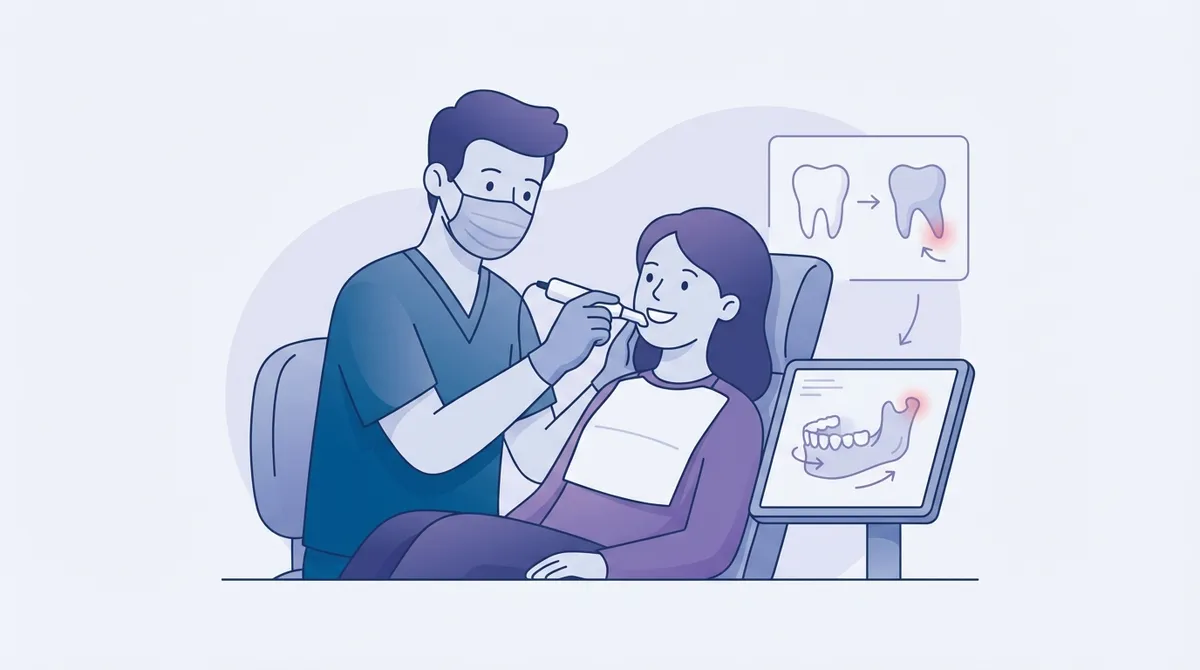
Once the paperwork is complete, the orthodontist conducts a comprehensive oral examination. This clinical assessment is the cornerstone of the first visit and provides critical insights into your dental structure, bite alignment, and overall oral health. The examination typically takes 20 to 30 minutes and is completely non-invasive and painless.
Visual and Physical Examination
The orthodontist begins with a careful visual inspection of your teeth, gums, and jaw structure. They’ll evaluate several key factors:
- Tooth alignment and spacing, looking for crowding, gaps, or overlapping teeth
- Bite relationship (occlusion), checking how upper and lower teeth come together
- Jaw position and symmetry, assessing whether the jaw is aligned properly
- Tooth size and shape, noting any unusual development patterns
- Oral hygiene and gum health, identifying any existing dental issues
The orthodontist will ask you to bite down naturally and may have you move your jaw in different directions to assess range of motion and detect any clicking, popping, or discomfort in the temporomandibular joints (TMJ). They’ll also examine facial symmetry and profile, as these factors influence treatment planning and aesthetic outcomes.
Common Issues Identified During Examination
During the clinical assessment, orthodontists look for specific conditions that may require treatment. These include:
| Condition | Description | Potential Impact |
|---|---|---|
| Crowding | Insufficient space causing teeth to overlap | Difficulty cleaning, increased decay risk |
| Spacing | Gaps between teeth | Aesthetic concerns, food trapping |
| Overbite | Upper teeth extend too far over lower teeth | Wear on lower teeth, jaw pain |
| Underbite | Lower teeth extend beyond upper teeth | Chewing difficulties, speech issues |
| Crossbite | Upper teeth bite inside lower teeth | Uneven jaw growth, tooth wear |
| Open Bite | Upper and lower teeth don’t meet when biting | Speech problems, chewing difficulties |
For children, the orthodontist also evaluates the progression of tooth eruption, checking whether baby teeth are being lost on schedule and permanent teeth are coming in properly. Early detection of eruption problems can prevent more serious complications later. The examination may reveal habits like thumb sucking or tongue thrusting that could affect dental development, prompting discussion about habit cessation strategies.
This thorough examination provides the diagnostic foundation for determining whether treatment is needed immediately, should be delayed until more teeth have erupted, or may not be necessary at all. The hands-on assessment combined with the patient’s and family’s input creates a comprehensive picture of orthodontic needs.
3. Advanced Imaging and Diagnostic Records
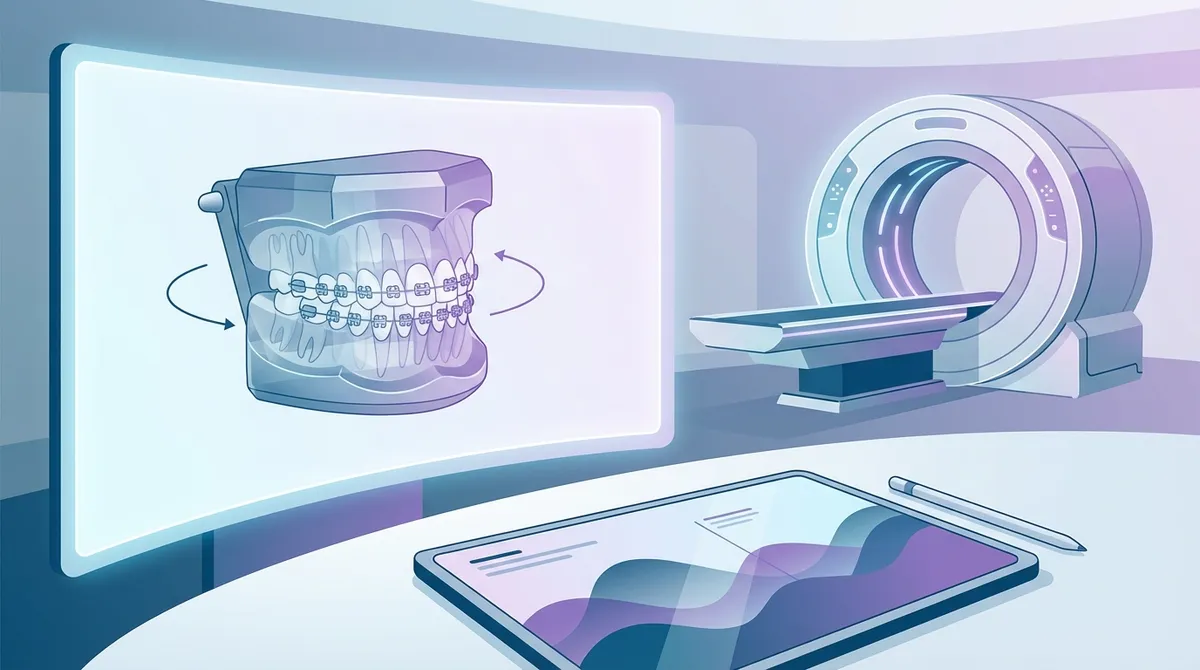
Following the clinical examination, the orthodontist takes detailed diagnostic records using advanced imaging technology. These records provide a three-dimensional understanding of your dental and skeletal structure that cannot be obtained through visual examination alone. Modern orthodontic practices use digital imaging systems that are faster, more comfortable, and expose patients to significantly less radiation than traditional X-rays.
Types of Diagnostic Imaging
Several types of images are typically captured during the first visit:
Digital X-rays: Panoramic X-rays (also called panorex) capture the entire mouth in a single image, showing all teeth, jaws, and surrounding structures. This image reveals the position of unerupted teeth, the presence of extra or missing teeth, jaw relationships, and any pathology or abnormalities. Cephalometric X-rays are side-view images of the skull that help analyze the relationship between teeth, jaws, and facial structures. These are particularly important for assessing skeletal relationships and planning treatments that may involve jaw growth modification.
Intraoral photographs: High-resolution digital photographs are taken of your teeth from multiple angles—front, sides, and top/bottom views. These images document the current condition of your teeth and serve as before-and-after references. They’re also valuable educational tools that help you visualize issues the orthodontist identifies.
Extraoral photographs: Profile and frontal facial photographs help the orthodontist assess facial proportions, symmetry, and aesthetics. These images are crucial for treatment planning that considers not just tooth alignment but overall facial harmony and appearance.
Digital scans or impressions: Many modern practices, including those offering clear aligners, use intraoral scanners to create precise 3D digital models of your teeth. These scanners eliminate the need for traditional putty impressions, which many patients find uncomfortable. Digital scans are highly accurate and can be used to show you simulations of potential treatment outcomes.
What These Images Reveal
The comprehensive imaging provides critical information that guides treatment planning:
- The position and development stage of all permanent teeth, including those that haven’t erupted yet
- Root structure and length, which affects tooth movement possibilities
- Bone density and jaw structure, influencing treatment duration and approach
- Presence of impacted teeth, extra teeth, or congenitally missing teeth
- Airway size and position, which can affect breathing and sleep quality
- Joint positioning and potential TMJ issues
These diagnostic records become part of your permanent orthodontic file and serve as baseline documentation. They’re invaluable for tracking progress throughout treatment and making adjustments to the treatment plan as needed. The imaging phase typically takes 15 to 20 minutes and is completely non-invasive. Most patients, including young children, find this part of the visit interesting as they get to see detailed images of their teeth and jaw structure.
4. Personalized Consultation and Treatment Planning Discussion
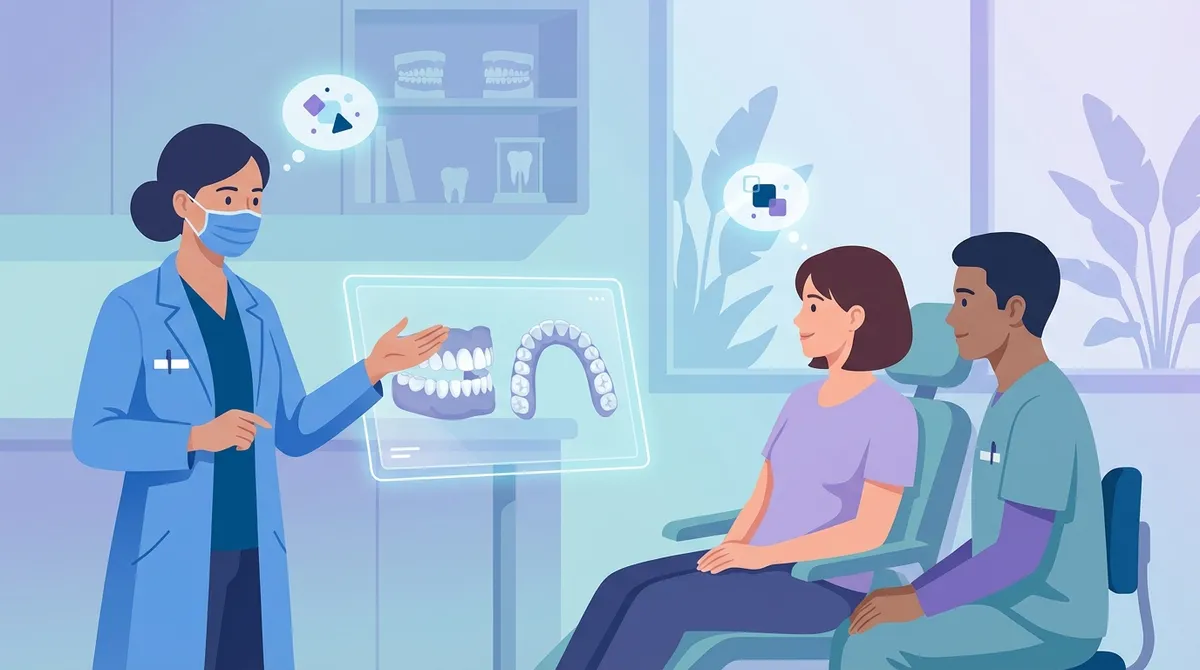
The final and most important step of your first orthodontic visit is the consultation with the orthodontist. During this discussion, the orthodontist reviews all findings from the examination and imaging, explains any issues discovered, and presents personalized treatment recommendations. This conversation typically lasts 20 to 30 minutes and is your opportunity to ask questions, understand options, and make informed decisions about your orthodontic care.
Understanding Your Diagnosis
The orthodontist will explain their findings in clear, understandable terms, often using your diagnostic images as visual aids. They’ll discuss the current state of your dental alignment, bite relationship, and jaw development. For parents, this may include information about whether your child’s dental development is on track or if there are areas of concern that warrant monitoring or intervention.
The orthodontist will categorize findings into issues requiring immediate attention, concerns that should be monitored over time, and aspects of dental development that are progressing normally. Not every child who has a first orthodontic visit at age 7 needs immediate treatment. In many cases, the orthodontist recommends periodic observation appointments every six to twelve months to monitor growth and development, with treatment beginning at an optimal time.
Treatment Options and Alternatives
If treatment is recommended, the orthodontist will present various options tailored to your specific needs. Treatment modalities may include:
| Treatment Type | Best For | Key Benefits |
|---|---|---|
| Traditional Metal Braces | Complex cases, all ages | Highly effective, most affordable, customizable colors |
| Clear/Ceramic Braces | Teens and adults seeking discretion | Less visible, same effectiveness as metal |
| Clear Aligners (Invisalign) | Mild to moderate cases, adults and teens | Removable, nearly invisible, comfortable |
| Palatal Expanders | Children with narrow upper jaw | Creates space, improves breathing, prevents extractions |
| Retainers Only | Minor corrections or retention | Non-invasive, prevents shifting |
At Chacon Orthodontics, we offer a full range of treatment options including custom braces and clear aligners to meet the diverse needs of our patients. The orthodontist will explain the advantages and limitations of each option for your specific case, helping you make an informed choice that aligns with your lifestyle, budget, and aesthetic preferences.
Timeline, Costs, and Next Steps
The orthodontist will provide an estimated treatment timeline, typically ranging from 12 to 30 months depending on the complexity of the case and the treatment method chosen. They’ll also discuss costs, insurance coverage, and flexible payment options. Many orthodontic practices offer interest-free payment plans that make treatment accessible to families with various financial situations.
The consultation concludes with a clear action plan. This may include:
- Scheduling a future monitoring appointment if treatment isn’t immediately necessary
- Setting up a treatment start appointment if you’re ready to proceed
- Coordinating with your general dentist for any preparatory dental work needed before orthodontic treatment
- Providing educational materials about oral hygiene during treatment
- Answering any remaining questions or concerns
Remember, there’s no obligation to start treatment immediately after the first visit. You’re encouraged to take time to consider your options, discuss them with family members, and read reviews from other patients to feel confident in your decision. The first orthodontic visit is designed to be informative and pressure-free, focusing on education and relationship-building rather than sales.
Preparing for Your First Orthodontic Visit: A Checklist
Proper preparation ensures your first orthodontic visit is smooth, efficient, and productive. Here’s what you should bring and consider before your appointment:
Documents and Records to Bring
- Completed patient forms (if provided in advance)
- Photo identification and insurance cards
- Referral letter from your general dentist, if applicable
- Recent dental X-rays or records, if available from your dentist
- List of current medications and known allergies
- Written list of questions or concerns you want to address
Questions to Ask During Your Visit
Come prepared with questions that will help you understand your orthodontic journey. Consider asking:
- What specific issues have you identified, and what caused them?
- What are all my treatment options, and which do you recommend for my case?
- How long will treatment take, and what factors might extend or shorten this timeline?
- What is the total cost, and what payment plans are available?
- How often will I need appointments during treatment?
- What foods or activities should I avoid during treatment?
- What happens if I don’t pursue treatment? What are the long-term consequences?
- How will we maintain results after treatment is complete?
For teenagers and adults seeking treatment, additional considerations might include treatment discretion, impact on professional appearance, and lifestyle compatibility of different orthodontic appliances.
Mental Preparation for Children
If you’re bringing a child to their first orthodontic visit, help them feel comfortable by explaining what to expect in age-appropriate terms. Emphasize that the visit doesn’t involve any painful procedures and that the orthodontist is there to help them have a healthy, beautiful smile. Some children benefit from books or videos about orthodontic visits beforehand.
Encourage your child to ask their own questions during the appointment. This helps them feel involved in the process and builds confidence. Many orthodontic practices have child-friendly environments with games, tablets, and rewards to make the experience positive and stress-free.
The Importance of Early Orthodontic Evaluation
The American Association of Orthodontists’ recommendation that children have their first orthodontic evaluation by age 7 is based on extensive research and clinical experience. At this age, children typically have a mix of baby teeth and permanent teeth, and their jaws are still growing. This developmental stage provides orthodontists with a critical window to identify problems and, when necessary, intervene before issues become more severe.
Benefits of Early Detection
Early orthodontic evaluation offers numerous advantages:
Preventive intervention: Some orthodontic problems are much easier to correct when caught early. For example, crossbites, severe crowding, and jaw growth discrepancies can be addressed more effectively while a child is still growing. Early intervention can sometimes prevent the need for tooth extractions or jaw surgery later.
Guiding jaw growth: Orthodontists can use appliances like palatal expanders to guide jaw development, creating space for permanent teeth and improving facial symmetry. These treatments work best during growth periods and may not be possible once growth is complete.
Reducing treatment complexity: Addressing problems early can simplify future treatment. A child who receives early intervention may need shorter, less complex treatment during adolescence or may avoid the need for additional treatment altogether.
Improving self-esteem: Children with severe dental issues may experience teasing or social difficulties. Early correction can improve confidence during critical developmental years and positively impact social interactions and self-image.
Addressing functional issues: Some orthodontic problems affect speech, chewing, or breathing. Early treatment can improve these functions, enhancing quality of life and preventing associated health problems like sleep apnea or nutritional deficiencies.
When Immediate Treatment Isn’t Necessary
It’s important to understand that an early evaluation doesn’t always lead to immediate treatment. In many cases, the orthodontist determines that the best approach is “watchful waiting”—monitoring dental development at periodic intervals and beginning treatment at the optimal time. This approach ensures treatment occurs when it will be most effective and efficient.
The orthodontist considers multiple factors when recommending treatment timing, including the severity of the problem, the child’s growth stage, tooth eruption patterns, and the child’s maturity and ability to cooperate with treatment. Some conditions are best treated during the early mixed dentition stage (ages 7-9), while others are better addressed when most or all permanent teeth have erupted (typically ages 11-13).
What Happens After the First Visit
Following your comprehensive first orthodontic visit, several paths may unfold depending on the findings and recommendations. Understanding these potential next steps helps you prepare mentally and logistically for your orthodontic journey.
Monitoring and Observation Phase
If the orthodontist recommends monitoring rather than immediate treatment, you’ll schedule periodic check-ups, typically every 6 to 12 months. During these brief appointments, the orthodontist tracks dental development, tooth eruption, and jaw growth. These visits ensure that the orthodontist can identify the optimal time to begin treatment and catch any developing problems early.
Parents should maintain regular dental check-ups with the family dentist during this monitoring phase. Good oral hygiene, a healthy diet, and addressing any dental issues like cavities promptly are essential for preparing for future orthodontic treatment.
Beginning Treatment
If you and the orthodontist decide to proceed with treatment, the next appointment is typically the bonding or fitting appointment. For traditional braces, this involves thoroughly cleaning teeth, applying bonding material, and attaching brackets and wires. For clear aligner therapy, you’ll receive your first set of aligners and instructions for proper wear and care.
Before treatment begins, you may need to complete some preparatory work with your general dentist, such as filling cavities, having a professional cleaning, or extracting baby teeth that are preventing proper eruption of permanent teeth. Your orthodontist will coordinate with your dentist to ensure your mouth is ready for orthodontic treatment.
You’ll also receive detailed information about:
- Oral hygiene techniques specific to your orthodontic appliance
- Dietary restrictions to protect your braces or aligners
- What to do if you experience discomfort or an orthodontic emergency
- How often you’ll need adjustment appointments (typically every 4-8 weeks)
- Expected progression of treatment and milestones
The Importance of Retention
Although it may seem premature to discuss retention during your first visit, understanding that orthodontic treatment includes a retention phase is important. After active treatment with braces or aligners concludes, you’ll transition to wearing retainers to maintain your new smile. Teeth have a natural tendency to shift back toward their original positions, and retainers prevent this relapse.
The retention phase is just as important as active treatment. Following your orthodontist’s instructions for retainer wear ensures that your investment in treatment delivers lasting results. Many orthodontic practices include retainers in the overall treatment cost and provide guidance on long-term retention strategies.
Common Concerns and Misconceptions
Many patients and parents have concerns or misconceptions about orthodontic treatment that can be addressed during the first visit. Understanding the facts helps you make informed decisions and approach treatment with realistic expectations.
“Orthodontic treatment is only for cosmetic purposes”
While a beautiful smile is certainly a benefit of orthodontics, treatment addresses functional and health issues as well. Properly aligned teeth are easier to clean, reducing the risk of cavities and gum disease. Correct bite alignment prevents excessive wear on tooth enamel, reduces jaw strain and TMJ problems, and improves chewing efficiency. Some orthodontic problems can also affect speech or breathing, making treatment medically necessary rather than merely cosmetic.
“Braces are extremely painful”
Modern orthodontic techniques and materials have significantly reduced discomfort associated with treatment. While you may experience some soreness for a few days after braces are placed or adjusted, this discomfort is typically mild and manageable with over-the-counter pain relievers. The pressure sensation is temporary and indicates that teeth are moving as planned. Many patients describe the feeling as “pressure” rather than “pain.”
“Treatment takes years and years”
Treatment duration varies based on the complexity of the case, but average treatment times range from 12 to 24 months. Advances in orthodontic technology, including high-tech wires and accelerated treatment options, have reduced treatment times compared to previous decades. Following your orthodontist’s instructions, maintaining good oral hygiene, and attending scheduled appointments ensure treatment progresses efficiently.
“Adults can’t have orthodontic treatment”
Orthodontic treatment is not limited to children and teenagers. Adults can achieve excellent results with orthodontic care, and an increasing number of adults are choosing to improve their smiles. Age is not a barrier to tooth movement; healthy teeth and gums can be repositioned at any age. Adult treatment options include discreet choices like clear aligners and ceramic braces that fit professional lifestyles.
“All orthodontists are the same”
Orthodontists complete specialized education beyond dental school, including two to three years of intensive training in tooth movement, facial development, and orthodontic techniques. Board-certified orthodontists have completed rigorous examinations demonstrating their expertise. When choosing an orthodontist, consider their education, experience, treatment philosophy, office environment, and patient reviews. A practice like Chacon Orthodontics that emphasizes personalized care and patient education offers advantages over one-size-fits-all approaches.
Making the Most of Your Orthodontic Journey
Your first orthodontic visit is just the beginning of a transformative journey toward a healthier, more confident smile. The comprehensive evaluation, advanced imaging, and personalized consultation provide the foundation for successful treatment. By understanding what to expect, preparing thoughtful questions, and actively participating in treatment planning, you set yourself or your child up for the best possible outcome.
Remember that orthodontic treatment is a partnership between the patient, the orthodontist, and (for children) the parents. Success depends not just on the orthodontist’s expertise but also on patient compliance with instructions, maintaining excellent oral hygiene, attending scheduled appointments, and wearing appliances as directed. The effort you invest in following your treatment plan directly impacts the quality and longevity of results.
The first visit also establishes the relationship between you and your orthodontic team. Don’t hesitate to communicate concerns, ask questions, or seek clarification throughout your treatment journey. A practice that values patient education and open communication, like Chacon Orthodontics, will support you every step of the way, from initial consultation through retention and beyond.
Conclusion: Take the First Step Toward Your Best Smile
The first orthodontic visit is a comprehensive, informative, and non-intimidating experience designed to assess your dental health and create a personalized roadmap for achieving your ideal smile. From completing initial paperwork and undergoing thorough examinations to reviewing advanced diagnostic imaging and discussing treatment options, each step provides valuable insights into your orthodontic needs. Whether the recommendation is immediate treatment, monitoring and observation, or reassurance that everything is developing normally, this initial evaluation is an investment in long-term oral health and confidence.
For parents, scheduling your child’s first orthodontic evaluation by age 7 gives you peace of mind and ensures any developing issues are caught early when they’re easiest to correct. For adults considering treatment, the first visit demonstrates that it’s never too late to achieve the smile you’ve always wanted. Modern orthodontic options offer effective, comfortable, and discreet solutions for patients of all ages.
Don’t let uncertainty or anxiety prevent you from taking this important step. The orthodontic team at Chacon Orthodontics in Westchase, Florida, is dedicated to providing compassionate, expert care in a welcoming environment. Our commitment to personalized treatment means you’ll receive care tailored to your unique needs, goals, and lifestyle. Ready to begin your orthodontic journey? Schedule your complimentary consultation today and discover how we can help you achieve a healthy, beautiful smile that lasts a lifetime.
FAQs
Q: When should my child have their first orthodontic visit?
A: The American Association of Orthodontists recommends that children have their first orthodontic evaluation by age 7. At this age, the orthodontist can assess jaw growth, tooth development, and bite alignment to identify potential issues early. Early evaluation doesn’t always mean immediate treatment, but it allows the orthodontist to monitor development and intervene at the optimal time if needed.
Q: What happens during the first orthodontic consultation?
A: The first visit includes completing medical and dental history paperwork, a comprehensive oral examination of teeth and jaws, advanced imaging such as digital X-rays and photographs, and a detailed consultation where the orthodontist discusses findings and treatment options. This appointment is diagnostic only—no braces or appliances are applied. The entire visit typically lasts 45 to 90 minutes and is completely painless.
Q: How should I prepare for my child’s first orthodontist appointment?
A: Bring completed patient forms, insurance information, any referral from your dentist, recent dental records if available, and a list of medications or allergies. Prepare a list of questions or concerns you want to discuss. Help your child feel comfortable by explaining that the visit involves looking at teeth and taking pictures, with no painful procedures. Many practices offer online forms to complete before arrival to save time.
Q: What treatment options are typically discussed at the first visit?
A: Treatment options vary based on individual needs but may include traditional metal braces, clear or ceramic braces, clear aligners like Invisalign, palatal expanders for jaw development, or retainers for minor corrections. The orthodontist will explain which options are suitable for your specific case, discussing the advantages, treatment duration, and costs of each. They’ll help you choose the approach that best fits your goals, lifestyle, and budget.
Q: Is the first orthodontic visit painful or invasive?
A: No, the first orthodontic visit is completely non-invasive and painless. The examination involves visual inspection and may include gently feeling the teeth and jaw, but this causes no discomfort. Digital X-rays and photographs are quick and painless. No braces, appliances, or treatments are applied during the initial consultation. The appointment is designed to be informative and comfortable, especially for children who may be nervous about their first visit.