Key Takeaways
-
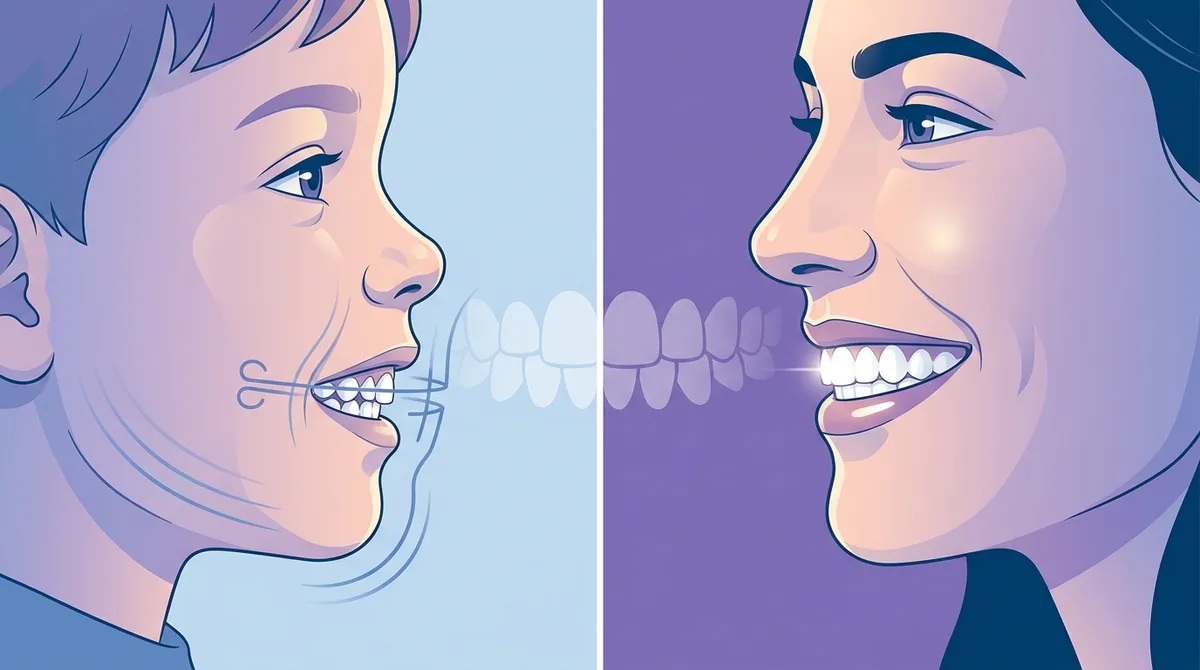
Misaligned bites (malocclusion) affect chewing, speech, and jaw comfort—not just aesthetics. Early evaluation by age 7 allows orthodontists to guide jaw development and prevent more complex treatment later.
-
Multiple bite correction options exist for different severity levels: metal braces treat mild to severe cases, clear aligners work for mild to moderate issues, and surgical orthodontics addresses severe skeletal problems.
-
Bite problems stem from both uncontrollable factors like genetics and preventable habits such as thumb sucking, prolonged pacifier use, and poor oral hygiene—understanding your cause helps guide treatment.
-
Correcting your bite improves chewing efficiency, reduces jaw pain and TMJ strain, enhances speech clarity, and makes teeth easier to clean, significantly lowering decay and gum disease risk.
-
Adults can successfully correct their bite at any age with braces or clear aligners, though treatment takes 18-36 months because adult jaw bones are fully developed; results are equally effective.
-
After bite correction treatment completes, wearing a retainer is critical because teeth naturally shift back without proper retention, requiring lifelong retention to maintain results.
Most people assume a beautiful smile is only about straight teeth. But the truth is, how your teeth fit together — your bite — matters just as much. A misaligned bite, known as malocclusion, can affect how you chew, speak, and even how your jaw feels every day. The good news? Bite correction is one of the most effective and well-studied areas of modern orthodontics.
Whether you are a parent noticing your child’s teeth don’t quite meet correctly, a teen looking for a discreet solution, or an adult who has lived with jaw discomfort for years, understanding your options is the first step. According to the American Association of Orthodontists, perfectly aligned teeth are actually rare — most people experience some form of bite or alignment issue. That means you are far from alone.
This guide covers 12 essential facts about bite correction so you can walk into your consultation feeling informed and confident. Let’s get started.
What Is Bite Correction in Orthodontics?
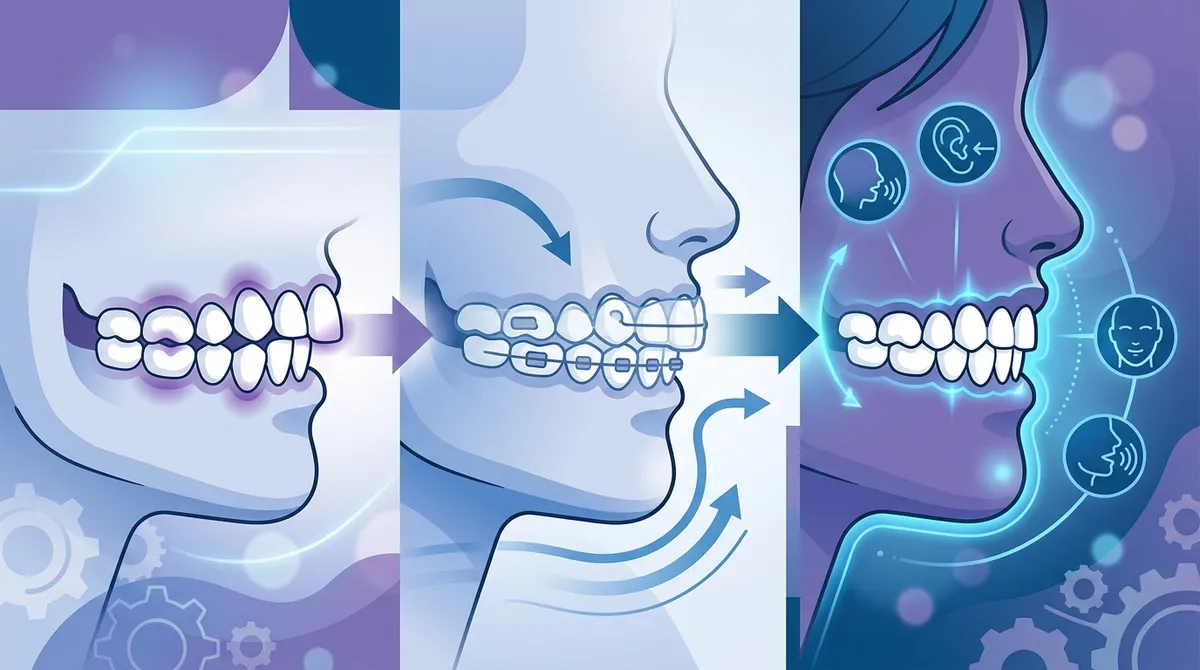
Bite correction refers to orthodontic treatment designed to fix misaligned jaws and teeth. When your upper and lower teeth don’t meet properly, it creates problems that go beyond aesthetics. Correcting your bite improves chewing, speech, and long-term oral health. Learn more about available orthodontic services near you to get started.
12 Essential Bite Correction Facts You Need to Know
1. Malocclusion Has Many Forms
Bite problems are not one-size-fits-all. Common types include overbite, underbite, crossbite, open bite, and deep bite. Each type affects the jaw and teeth differently. Understanding which type you have is the first step toward effective bite correction. You can read more about overbite vs. underbite differences to better understand your situation.
2. Genetics and Habits Both Cause Bite Problems
Your bite can be influenced by factors you can’t control, like genetics, and factors you can, like habits. Thumb sucking, prolonged pacifier use, dental trauma, and poor oral hygiene can all contribute to malocclusion. Medical conditions may also play a role. The American Dental Association recognizes malocclusion as a common dental concern that benefits from early evaluation.
3. Early Intervention Can Prevent Bigger Problems
The American Association of Orthodontists recommends that children have their first orthodontic evaluation by age 7. At this stage, the jaw is still growing, making it easier to guide bone development. Early bite correction can reduce the need for more complex treatment later. Discover the benefits of early orthodontic treatment for your child.
4. Traditional Braces Are a Proven Bite Correction Method
Metal braces remain one of the most effective tools for correcting bite problems. They apply consistent, controlled pressure to move teeth and align the jaw. Brackets, wires, and rubber bands work together to guide teeth into proper position over time. If you are weighing your options, explore custom braces designed to fit your specific needs.
5. Clear Aligners Can Also Fix Many Bite Issues
Clear aligners are not just for straightening teeth — they can effectively treat mild to moderate bite problems. A series of removable, custom trays gradually shifts teeth and corrects alignment. They are especially popular among teens and working adults who prefer a discreet option. Learn how clear aligners can address overbite and other bite concerns.
| Bite Problem | Traditional Braces | Clear Aligners | Surgical Option |
|---|---|---|---|
| Mild Overbite | Yes | Yes | Rarely needed |
| Severe Underbite | Yes | Limited | Sometimes required |
| Crossbite | Yes | Yes (mild cases) | Severe cases only |
| Open Bite | Yes | Yes | Complex cases |
| Deep Bite | Yes | Yes | Rarely needed |
6. Rubber Bands Play a Key Role in Jaw Alignment
Orthodontic rubber bands, also called elastics, are small but powerful tools in bite correction. They connect the upper and lower braces and apply force to shift the jaw into the correct position. Patients must wear them consistently for the best results. Your orthodontist will guide you on proper wear schedules throughout treatment.
7. Orthodontic Expanders Help Widen Narrow Jaws
For patients with a narrow palate or crossbite, a palatal expander may be part of the bite correction plan. This appliance gradually widens the upper jaw over several months. It works best in younger patients whose jaw bones are still developing. Expanders are often used before braces to create room for proper alignment. For more on the different tools used in treatment, visit our page on types of orthodontic appliances.
8. Adults Can Successfully Correct Their Bite
Bite correction is not only for children. Adults can and do benefit from orthodontic treatment at any age. The process may take longer because adult facial bones are no longer growing, but the results are just as effective. Many adults in Westchase and Brandon are choosing treatment today for both health and confidence reasons. Read more about adult orthodontic options and what to expect.
| Patient Age Group | Typical Treatment Duration | Best Treatment Options | Key Consideration |
|---|---|---|---|
| Children (7–12) | 12–24 months (Phase 1) | Expanders, early braces | Jaw still growing |
| Teens (13–17) | 18–30 months | Braces, clear aligners | Active jaw development |
| Adults (18+) | 18–36 months | Braces, clear aligners | Bones fully developed |
9. Severe Cases May Require Surgical Orthodontics
When bite problems involve significant skeletal abnormalities, orthodontic treatment alone may not be enough. In these cases, orthognathic surgery — also called jaw surgery — may be recommended. This procedure is performed by an oral and maxillofacial surgeon, working in partnership with your orthodontist. It is typically reserved for cases where the jaw bones themselves need repositioning.
10. Bite Correction Improves More Than Just Your Smile
Fixing a misaligned bite goes beyond aesthetics. Proper bite alignment improves chewing efficiency, reduces jaw pain, enhances speech clarity, and lowers the risk of tooth decay and gum disease. Misaligned teeth are harder to clean, which increases the risk of long-term dental problems. According to the American Dental Association, correcting bite issues contributes to lasting oral health outcomes.
- Improved chewing: Properly aligned teeth break down food more efficiently.
- Reduced jaw pain: Correct bite alignment eases TMJ strain.
- Clearer speech: Bite issues can affect pronunciation and articulation.
- Better oral hygiene: Aligned teeth are easier to brush and floss.
- Lower decay risk: Properly positioned teeth accumulate less plaque.
11. Treatment Is Personalized to Each Patient
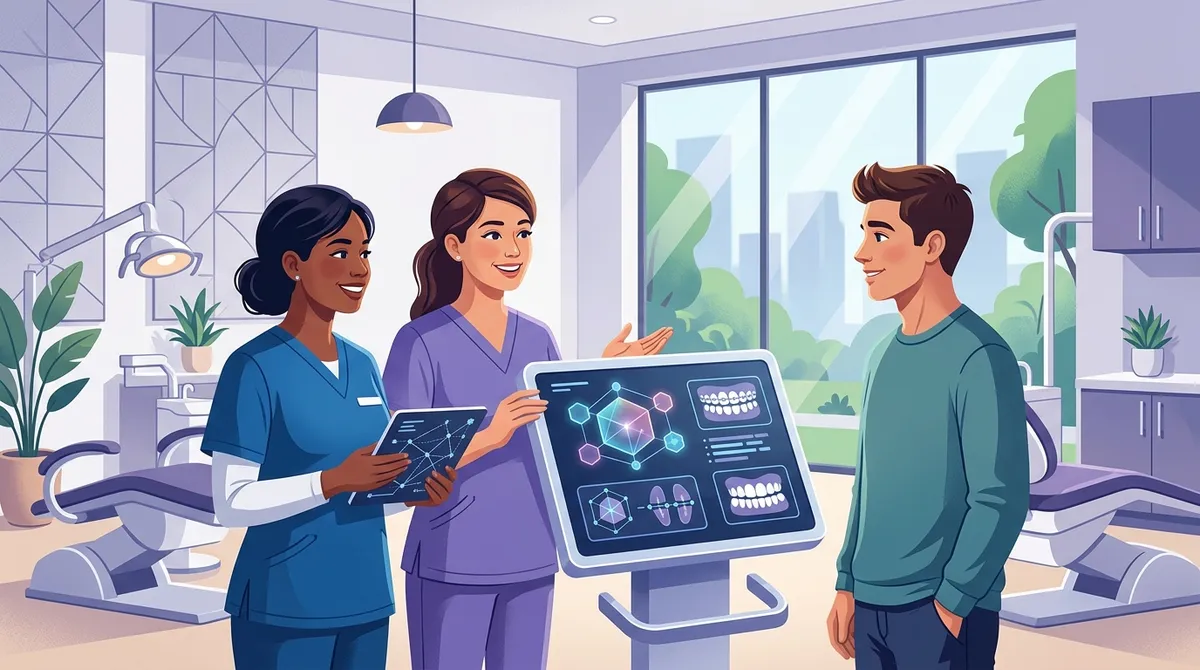
No two bite problems are identical. Your orthodontist will conduct a thorough evaluation, including digital X-rays, 3D scans, and a clinical exam, to diagnose the exact type and severity of your malocclusion. A personalized treatment plan is then developed using the most appropriate techniques and appliances for your situation. At Chacon Orthodontics, Dr. Omar Chacon uses advanced digital technology to create precise, customized bite correction plans for every patient.
The steps in a typical bite correction evaluation include:
- A comprehensive clinical exam of the teeth and jaw.
- Digital X-rays and 3D imaging to assess bone and root positions.
- Bite analysis to determine the type and severity of malocclusion.
- Development of a personalized treatment plan with clear timelines.
- Discussion of all treatment options, costs, and expected outcomes.
12. Retainers Are Essential After Bite Correction
Once your bite correction treatment is complete, wearing a retainer is critical to maintaining your results. Teeth can naturally shift back toward their original positions without proper retention. Retainers hold your corrected bite in place while the surrounding bone and tissues stabilize. Learn everything you need to know in our guide on retainers and how they protect your smile.
How to Compare Bite Correction Treatment Options
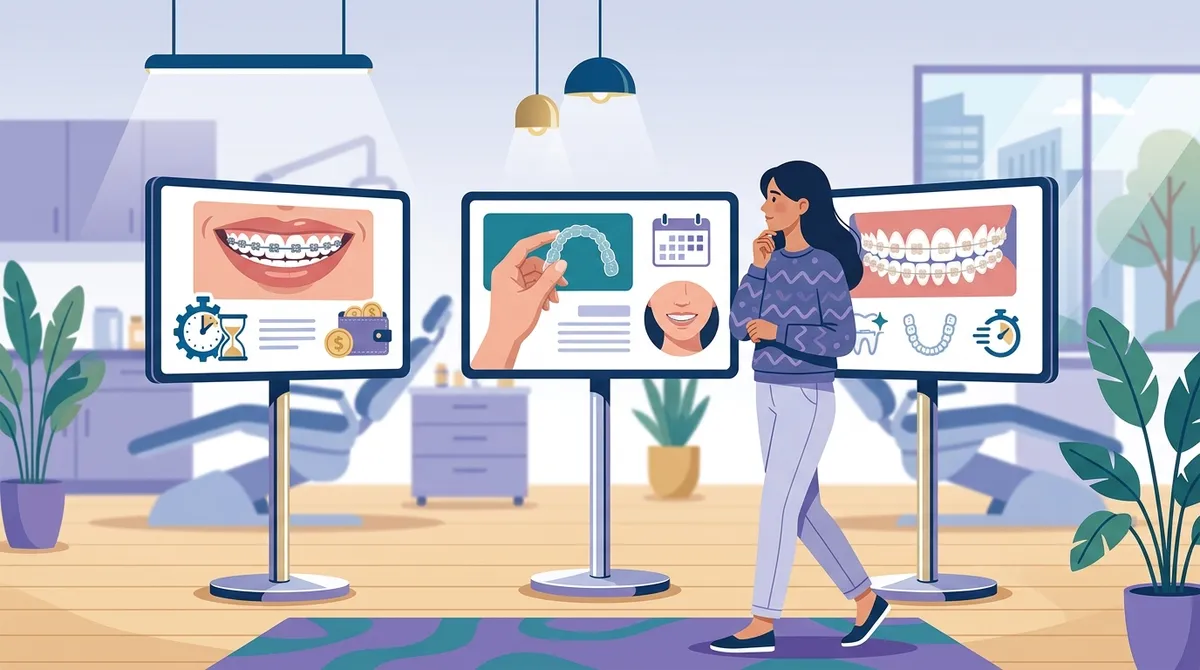
Choosing the right bite correction method depends on several factors. Your orthodontist will guide you, but understanding the basics helps you ask the right questions.
| Treatment Option | Bite Severity | Visibility | Typical Duration | Ideal For |
|---|---|---|---|---|
| Metal Braces | Mild to severe | Visible | 18–30 months | Children, teens, adults |
| Clear Aligners | Mild to moderate | Nearly invisible | 12–24 months | Teens and adults |
| Palatal Expander | Narrow jaw/crossbite | Not visible | 6–12 months | Children and early teens |
| Surgical Orthodontics | Severe skeletal | N/A | 2–3 years (total) | Adults with skeletal issues |
If you are trying to decide between braces and clear aligners, our detailed guide on traditional braces vs. clear aligners can help you make the best choice for your lifestyle and goals.
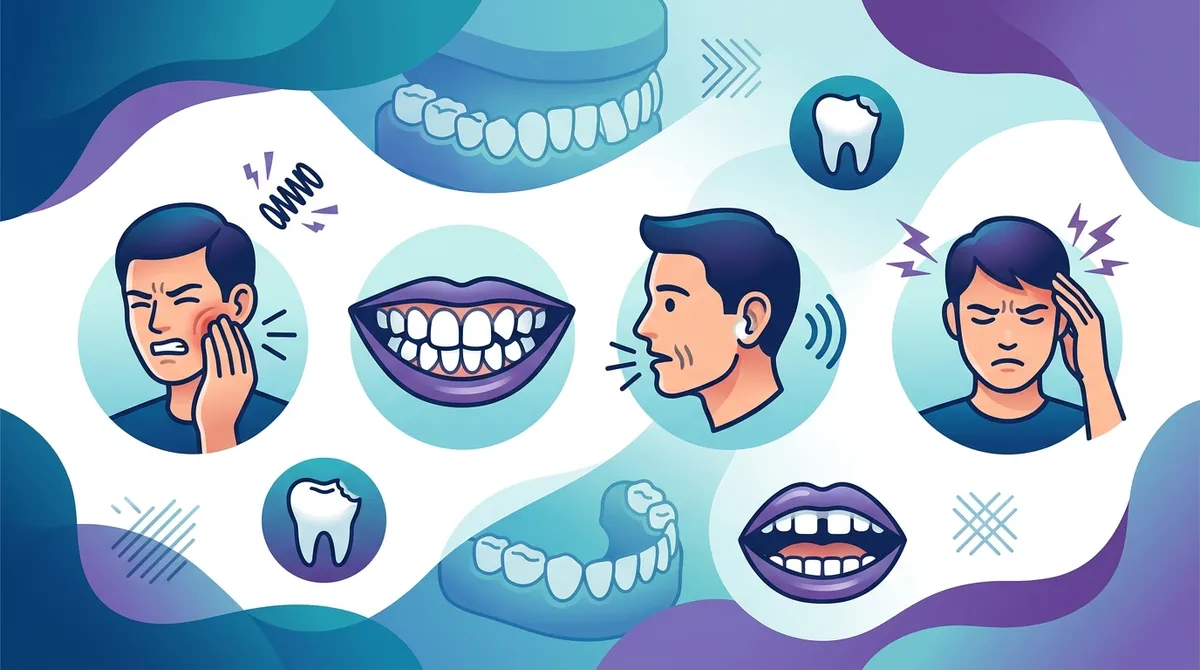
Signs You May Need Bite Correction
Many people don’t realize their bite is misaligned until they experience symptoms. Knowing the warning signs can help you seek treatment sooner.
- Difficulty chewing or biting into food cleanly.
- Jaw pain, clicking, or popping sounds when opening the mouth.
- Teeth grinding or clenching, especially at night.
- Noticeable gaps or overlap between the upper and lower teeth.
- Speech issues such as lisping or difficulty with certain sounds.
- Uneven wear on the surfaces of your teeth.
If any of these symptoms sound familiar, it may be time to speak with a board-certified orthodontist. Read our article on clear signs that you need braces for more detail on what to look for.
What to Expect at Your Bite Correction Consultation
Your first visit sets the foundation for your entire treatment journey. During a bite correction consultation, your orthodontist will review your dental and medical history, perform a clinical exam, and take digital images of your teeth and jaw. You will then discuss the recommended treatment options, timelines, and associated costs.
At Chacon Orthodontics, new patients are welcomed with a complimentary consultation — no pressure, no obligation. Dr. Chacon and the team take time to explain every option in both English and Spanish, making the experience comfortable for the whole family. You can also visit Chacon Orthodontics on Google to read reviews from patients in Westchase, Brandon, and the greater Tampa area.
To understand exactly what happens at your first appointment, check out our page on what to expect at your first visit.
Financial Planning for Bite Correction
Cost is often one of the first concerns patients raise. Bite correction treatment varies in price based on the complexity of the case, the type of appliance used, and the length of treatment. Many orthodontic practices offer flexible payment plans to make treatment more accessible.
- Dental insurance often covers a portion of orthodontic treatment costs.
- Flexible payment plans can spread costs over the length of treatment.
- HSA and FSA funds can often be used for orthodontic expenses.
For a detailed breakdown of what you might expect to pay, read our guide on how much braces cost in 2026. You can also explore available orthodontic payment plans and insurance coverage options at Chacon Orthodontics.
Conclusion: Take the First Step Toward a Healthier Bite
Bite correction is one of the most impactful investments you can make in your long-term oral health. Whether you are addressing a mild overbite or a complex jaw alignment issue, today’s orthodontic treatments offer effective, personalized solutions for every age and lifestyle. From young children to working adults, there is a bite correction path designed for you.
The right time to act is now. Don’t let an untreated bite issue affect your confidence, comfort, or health any longer. Schedule your free bite correction consultation with the team at Chacon Orthodontics in Westchase or Brandon, Florida, and take the first step toward a healthier, more confident smile today.
FAQs
Q: What types of bite problems do orthodontists treat?
A: Orthodontists treat a range of bite issues including overbite, underbite, crossbite, open bite, and deep bite. Each condition affects how the upper and lower teeth meet and can impact chewing, speech, and overall oral health. A thorough evaluation by a board-certified orthodontist will identify the exact type and severity of your malocclusion.
Q: How long does bite correction treatment typically take?
A: Treatment duration depends on the complexity of the bite issue and the method used. Children may begin Phase 1 treatment for 12 to 24 months, while teens and adults typically undergo 18 to 36 months of active treatment. Your orthodontist will provide a personalized timeline based on your specific case.
Q: Can adults successfully undergo bite correction treatment?
A: Yes, adults can benefit greatly from bite correction treatment. While the process may take slightly longer than in younger patients because adult jaw bones are fully developed, the results are equally effective. Many adults choose braces or clear aligners to address bite issues and improve both function and confidence.
Q: What are the health benefits of correcting a bad bite?
A: Correcting a misaligned bite improves chewing efficiency, reduces jaw pain and TMJ strain, enhances speech clarity, and makes it easier to maintain proper oral hygiene. Aligned teeth accumulate less plaque, reducing the long-term risk of tooth decay and gum disease.
Q: When is jaw surgery necessary for bite correction?
A: Jaw surgery, known as orthognathic surgery, is typically recommended only for severe bite problems that involve skeletal abnormalities the jaw bones themselves. This approach is usually considered when orthodontic appliances alone cannot achieve the necessary correction. Your orthodontist will collaborate with an oral surgeon to develop a comprehensive treatment plan when surgery is indicated.