
Key Takeaways
-
Do not pull on a loose bracket or try to glue it back yourself; household glue is unsafe and pulling can bend the wire or worsen the problem.
-
Save a detached bracket in a small container and bring it to your orthodontist, and call the office to describe what happened and whether anything is poking.
-
Cover a rubbing bracket with orthodontic wax, and only gently slide a bracket toward the tooth's center if it is still attached to the wire.
-
A loose bracket is usually an orthodontic issue rather than an emergency, but seek emergency care for trouble breathing or swallowing, heavy bleeding, or serious facial injury.
-
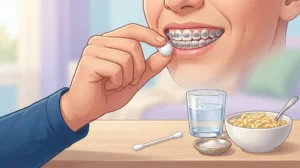
Stick to soft foods like yogurt, mashed potatoes, and pasta while the bracket is loose, and avoid hard, sticky, or chewy foods that add pressure.
-
Calling early helps prevent treatment delays, since an unattached bracket cannot move its tooth as planned, and a quick repair visit is often short and simple.
You are enjoying a snack, and then you feel it. Something on your braces just moved. A tiny square on your tooth is wiggling, spinning, or hanging from the wire. Don’t panic! A loose braces bracket is one of the most common things that happens during orthodontic treatment, and it is almost always fixable.
Whether you are a parent hearing about it after a soccer game, a teen who bit into a crunchy snack, or an adult professional with a big meeting tomorrow, you are not alone. This guide walks you through what a loose braces bracket is, what to do right away, what to avoid, and when to call your orthodontist. We will keep it simple and friendly, so you can feel calm and ready to take the next step.
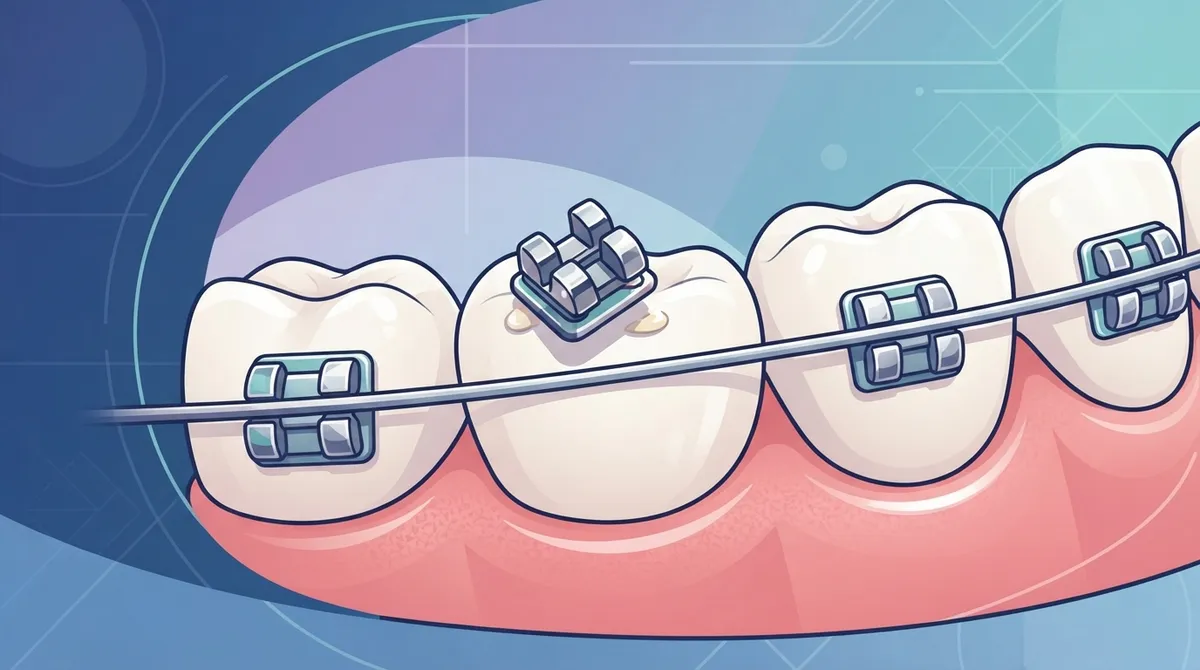
What Is a Loose Braces Bracket?
A bracket is the small square or rectangle bonded to the front of each tooth. It holds the archwire, and together they gently guide your teeth into place. A loose braces bracket means that little piece is no longer firmly attached to your tooth.
There are two common situations:
- Still on the wire: The bracket has come off the tooth but is still threaded onto the archwire. It may slide, spin, or dangle.
- Completely detached: The bracket has come off the tooth and off the wire. You might find it in your mouth, in your food, or on your pillow.
In both cases, the bracket may no longer apply the right force to your tooth. That is why it matters to let your orthodontist know. Think of it like a loose button on a coat. The coat still works for a little while, but it will not do its best job until someone sews the button back on.
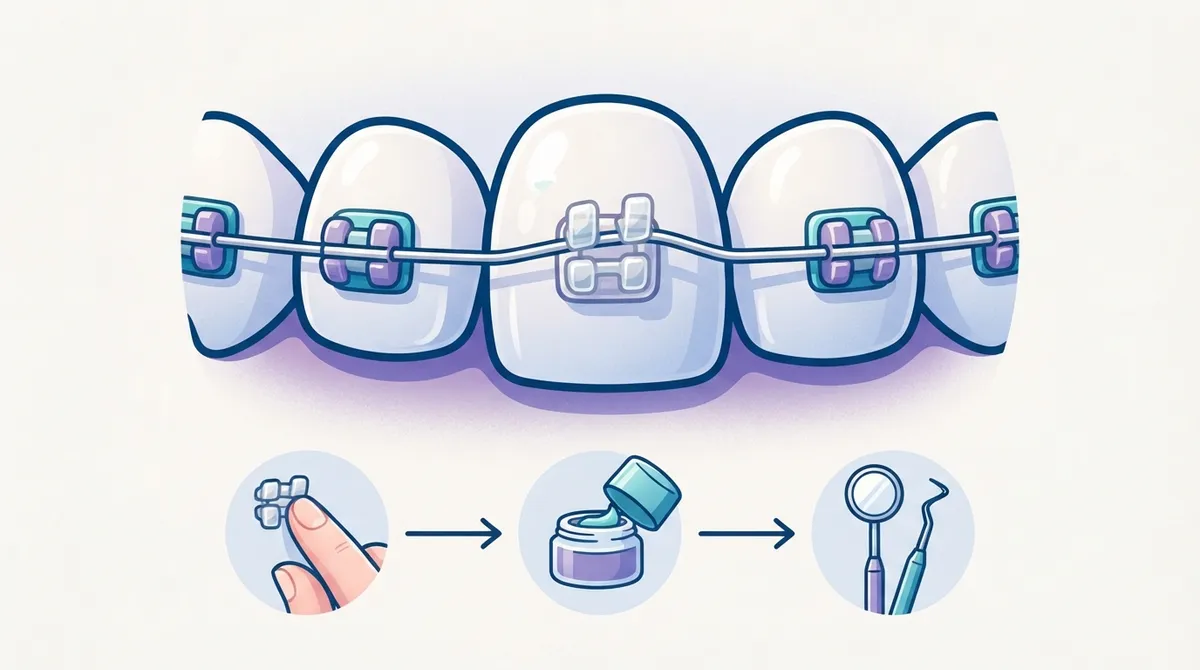
Is a Loose Braces Bracket an Emergency?
Here is the good news. A loose braces bracket is usually not a hospital emergency. It is an orthodontic issue, and your orthodontist is the right person to fix it. Still, it is worth knowing the difference between “call the orthodontist” and “get help right now.”
| Situation | What It Usually Means | What To Do |
|---|---|---|
| Bracket wiggles or spins but is on the wire | Not an emergency | Call your orthodontist and use wax if it irritates |
| Bracket fell off completely | Needs a repair visit | Save it, call your orthodontist, and describe what happened |
| Bracket is rubbing your cheek or lip | Uncomfortable but manageable | Cover with orthodontic wax and call the office |
| Wire is poking you | Needs prompt attention | Call your orthodontist for advice |
| Trouble breathing or swallowing, heavy bleeding, or serious facial injury | Medical emergency | Seek emergency medical care right away |
According to guidance from the American Association of Orthodontists, a loose bracket is generally a problem for the orthodontist rather than the emergency room. Seek emergency care only for serious symptoms like those in the last row of the table.
What To Do Right Away: 6 Simple Steps
When you notice a loose braces bracket, take a breath and follow these steps:
- Stay calm and check the damage. Look in a mirror. Is the bracket still on the wire, or has it come off completely?
- Do not pull on it. Pulling can bend the wire or make the problem bigger. Leave it alone.
- Remove any food around it. Gently rinse with warm water and brush softly around the area.
- Protect your mouth with orthodontic wax. If the bracket rubs your cheek or lip, press a small piece of wax over it.
- Save the bracket if it came off. Place it in a small bag or container and bring it to your visit.
- Call your orthodontist. Describe what happened. Tell them if the bracket is still on the wire, if it hurts, and if anything is poking.
Your orthodontist will decide whether you need an early repair visit or whether it can wait until your next scheduled appointment. If you are not sure who to call, you can always contact us and our team will point you in the right direction.
How To Stop a Loose Bracket From Rubbing Your Mouth
A loose bracket can be annoying. It may poke your cheek, scratch your lip, or feel rough against your tongue. Here is how to find relief while you wait for your repair visit.
Use Orthodontic Wax
Orthodontic wax is a soft, safe wax you can buy at most pharmacies. Pinch off a small piece, roll it into a ball, and press it gently over the bracket. It creates a smooth cushion between the metal and your skin.
Gently Slide the Bracket If It Is Still on the Wire
If the bracket is still attached to the wire and is irritating your mouth, the AAO says it may be gently slid toward the center of the tooth. Then cover it with wax. This is only for brackets that are still on the wire. Never try to pull one off.
Rinse With Warm Salt Water
If your cheek or lip feels sore, a warm salt water rinse can soothe it. Mix about half a teaspoon of salt in a cup of warm water. Swish gently and spit.
If the wire is poking you instead, take a look at our guide on 4 fast fixes for braces wire poking in 2026 for extra comfort tips.
What Not To Do With a Loose Braces Bracket
It is tempting to fix things yourself, especially if the bracket is bothering you. But a few shortcuts can cause bigger problems. Please avoid these:
- Do not use super glue or any household glue. It is not safe for your mouth and can damage your tooth.
- Do not try to rebond the bracket yourself. Orthodontic adhesive and the right tooth preparation are needed for a safe bond.
- Do not cut or bend the wire. This can hurt your gums or make the wire harder to fix.
- Do not keep chewing hard foods. More pressure can make the problem worse.
- Do not skip the call. Even if the bracket seems fine, let your orthodontist know.
If you want a deeper look at what to do when things break, you may also like our post on what to do about a broken braces bracket.
Can You Eat With a Loose Bracket?
Yes, but be gentle. Until your orthodontist tells you otherwise, stick with soft foods and avoid anything that could make the bracket move more.
| Safer Choices | Foods To Skip For Now |
|---|---|
| Yogurt, smoothies, and applesauce | Hard candy and nuts |
| Mashed potatoes and soft pasta | Caramel, taffy, and gummy candy |
| Scrambled eggs and oatmeal | Popcorn and hard chips |
| Soft fish and cooked vegetables | Tough bread, bagels, and chewy jerky |
Keep brushing and flossing around the area, too. Food can hide near a loose bracket, so gentle cleaning matters. Our tips on how to brush with braces can help you keep that spot clean without causing more trouble. For a longer list, see our guide to braces diet restrictions.
Why Do Brackets Come Loose?
Brackets are bonded with a strong adhesive, yet they can still come loose. There is rarely one single cause. Common reasons include:
- Biting into hard, crunchy, or sticky foods
- A hit to the mouth during sports or play
- Bonding or adhesive factors, such as moisture during placement
- Chewing on pens, ice, or fingernails
- Individual differences in tooth surface and bite force
Researchers have studied this topic quite a bit, and the numbers vary depending on the study, the type of appliance, and how failure is measured. For example, a 2023 retrospective study of 101 patients reported an overall bracket failure rate of 14.65%, with failures most common in the first month. A 2022 cohort study reported a 6.4% failure rate, and 69% of those failures happened within the first six months after bonding. A 2024 six-month clinical study of adults found a 6.02% bracket bond failure rate among the brackets evaluated.
Why such different numbers? Each study had its own group of patients, materials, and follow-up time. One 2023 study even cited a published range from 0.6% to 17.1% of brackets. The takeaway is simple: a loose bracket is common, and it is not a sign that you did anything wrong.
Will a Loose Bracket Delay Your Treatment?
It can, but it does not have to. A bracket that is not attached cannot move its tooth the way your orthodontist planned. If the repair is put off for a long time, it may contribute to a longer treatment time. The effect depends on which tooth is involved, how far along you are in treatment, and your orthodontist’s assessment.
The best way to protect your timeline is to call early and get the bracket fixed. A quick repair visit is often short and simple. To learn more about the full journey, see what the braces treatment steps look like from start to finish, or check our guide on how long braces treatment takes in 2026.
Tips for Different Patients
For Parents of Younger Children
Kids may not always tell you right away when something feels off. Check your child’s braces after sports, birthday parties, and snack time. If you spot a loose bracket, cover it with wax and call the office. Our braces emergency care steps are a handy guide to keep on the fridge.
For Teens
Between sports, school lunches, and social life, teens are busy! A mouthguard during sports can help protect brackets. Keep a small wax kit in your backpack, too. You will be ready for any surprise.
For Adult Professionals
If you have a big presentation or client meeting, wax can give you quick comfort until your visit. Call early, since a short repair appointment can often fit around a busy work day.
For Bilingual Families
Clear communication matters when something goes wrong. At Chacon Orthodontics, our team offers care in both English and Spanish, so you can describe the problem in the language you are most comfortable with. Nothing gets lost in translation, and you feel at ease.
How To Prevent Loose Brackets in the Future
You cannot prevent every loose bracket, but good habits make a big difference. Try these simple ideas:
- Skip hard and sticky foods. Cut crunchy fruits and veggies into small pieces if you want to enjoy them.
- Wear a mouthguard for sports. Ask your orthodontist about the best type for braces.
- Avoid chewing pens, ice, and nails. These habits put stress on brackets.
- Brush and floss gently every day. Healthy teeth and gums support a strong bond. Here are easy tips for flossing with braces.
- Keep your appointments. Regular visits let your orthodontist spot small problems early.
Why Seeing a Specialist Matters
When a bracket comes loose, you want the repair done right. A board-certified orthodontist has advanced training in how teeth move and how braces work together. At Chacon Orthodontics, Dr. Omar Chacon is a board-certified orthodontist who uses advanced technology to guide care for children, teens, and adults. You can see what other families say by reading reviews on our Chacon Orthodontics West Chase Google page. If you are in the Westchase area, you may also enjoy our guide to braces in 33626.
We also love sharing smile stories and helpful tips. Follow along on Instagram for fun updates, or connect with us on Facebook and LinkedIn.
Final Thoughts
A loose braces bracket can feel like a big deal in the moment, but it is a common and fixable part of many treatment journeys. Remember the basics: stay calm, do not pull or glue anything, use wax for comfort, choose soft foods, and call your orthodontist. Your care team is here to help.
If you have a bracket acting up or simply want to talk about your smile goals, we would love to hear from you. Schedule your free consultation with Chacon Orthodontics today, and let us help you get back to smiling with confidence!
FAQs
Q: What should I do if a braces bracket is loose?
A: Stay calm and do not pull on it. Cover any rough spot with orthodontic wax, stick to soft foods, and call your orthodontist to describe what happened. They will tell you whether you need an early repair visit.
Q: Can I glue a loose braces bracket back on myself?
A: No, please don’t! Household glue is not safe for your mouth, and a proper bond needs orthodontic adhesive and the right tooth prep. Leave the repair to your orthodontist.
Q: Is a loose braces bracket an emergency?
A: Usually not. It is an orthodontic issue, not a hospital emergency. Seek emergency medical care only for trouble breathing or swallowing, heavy bleeding, or a serious facial injury, and call your orthodontist for ongoing pain or tissue irritation.
Q: Can I eat with a loose bracket?
A: Yes, but keep it gentle. Choose soft foods like yogurt, mashed potatoes, and pasta, and skip hard, sticky, or chewy foods until your orthodontist has fixed the bracket.
Q: How soon should I see my orthodontist for a loose bracket?
A: Call as soon as you notice it. Your orthodontist will decide if it needs an earlier repair visit or can wait for your next scheduled appointment, based on your tooth, your treatment stage, and how much discomfort you feel.