Picture this: it’s a Tuesday night, dinner is almost ready, and your child suddenly says, “Something is poking my cheek!” Or maybe you’re a busy professional biting into a sandwich when you feel a bracket pop loose. Deep breath. Most braces problems look scarier than they really are, and knowing exactly what to do can save you a late-night panic and an unnecessary trip to the ER.
Braces emergency care is really about knowing the difference between a true medical emergency and a fixable appliance hiccup. Loose brackets, poking wires, and general soreness are common and usually manageable at home until you can reach your orthodontist. But some situations do need urgent attention right away. This friendly guide walks you through 10 essential steps so you feel confident no matter what braces surprise comes your way. Whether you’re a parent of a young patient, a teen juggling sports and braces, or an adult professional keeping your smile on track, we’ve got you covered.
1. Know What Actually Counts as a Braces Emergency
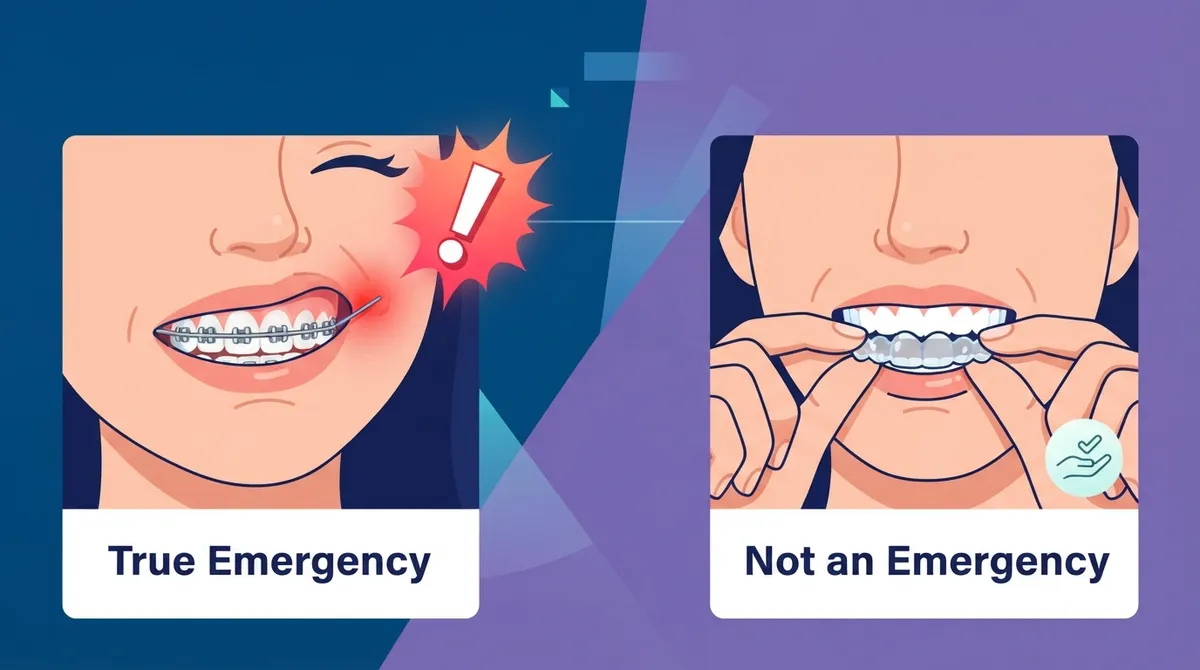
Not every wiggly bracket or sore spot is a true emergency. According to the American Association of Orthodontists, an orthodontic emergency is any unexpected problem with your braces or aligners that causes real pain, interferes with your treatment, risks hurting your mouth, or simply cannot wait until your next scheduled visit. Most appliance issues fall into the “urgent but manageable” category rather than a true medical crisis.
Understanding this distinction helps you stay calm. A loose bracket that isn’t causing pain, for example, can often wait until your orthodontist’s next available appointment. But a wire that’s cutting into your gum needs quicker attention. Learning to tell these apart is the first and most important step in handling orthodontic emergencies like a pro.
2. Learn the Most Common Braces Problems
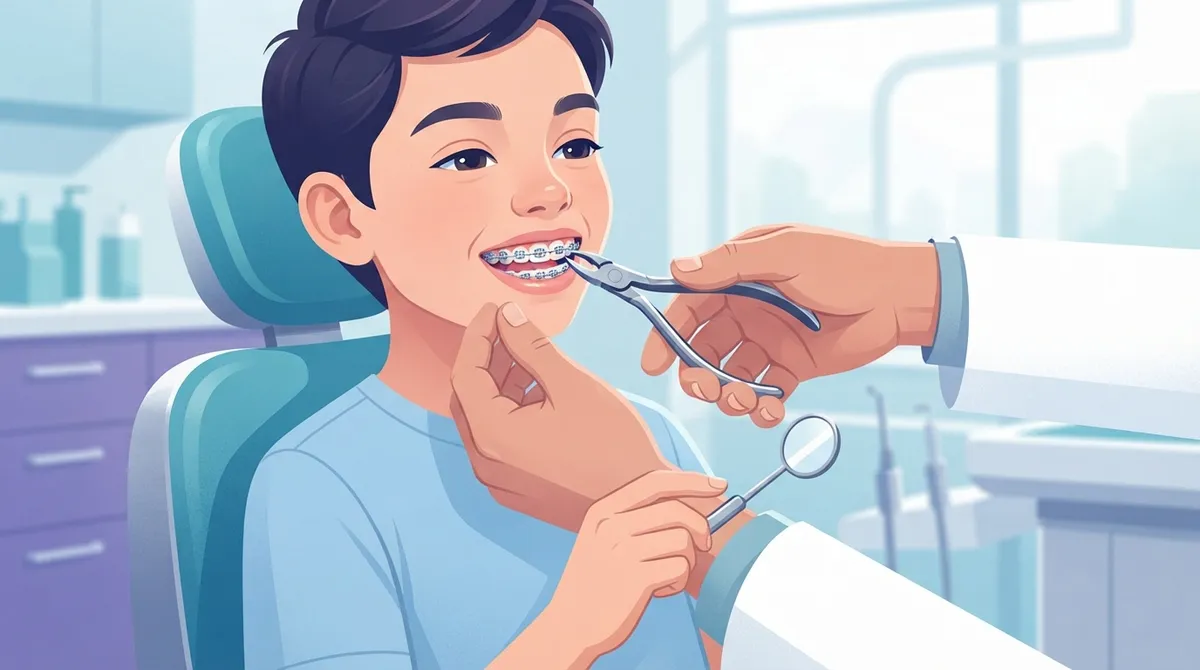
Braces are made of small moving parts, so it makes sense that things occasionally shift or break. Here are the issues we see most often at our Westchase and Brandon offices:
- Loose or detached brackets
- Protruding or broken archwires
- Wires slipping out of the back molar tubes
- Loose bands around the back teeth
- Broken springs or lost elastics
- Lost separators between teeth
- Irritation from retainers or other removable appliances
If any of these sound familiar, don’t panic. Most of them are simple fixes that your orthodontic team handles all the time. Understanding these common hiccups is a big part of good life with braces and helps you know what to expect along the way.
3. Handle a Loose Bracket the Right Way
A loose bracket is one of the most common braces emergencies, but it’s rarely dangerous. Here’s what to do if a bracket is still attached to the wire but feels wobbly:
- Gently slide the bracket back toward the center of the tooth using clean fingers or a cotton swab.
- Cover the loose bracket with a small ball of orthodontic wax to protect your cheek or gum.
- Avoid touching or playing with the bracket, even though it’s tempting.
- Call your orthodontist’s office to report the issue and ask about next steps.
If the bracket is rotating, painful, or actively cutting into soft tissue, contact your orthodontist sooner rather than later. A broken bracket can sometimes slow down your treatment timeline, so it’s worth getting it looked at promptly rather than waiting it out.
4. Tame a Poking Wire With Simple Tools
A poking wire is uncomfortable, but you likely have everything you need to manage it already at home. Try this approach:
- Use a clean pencil eraser, cotton swab, or tweezers to gently push the wire back toward the tooth.
- Cover the sharp end with orthodontic wax to create a smooth barrier.
- If wax isn’t available in a pinch, a small piece of sugar-free gum can work temporarily.
- Rinse with warm salt water if the area feels irritated.
One important note: avoid cutting the wire yourself unless your orthodontist specifically tells you to. Loose wire fragments can be swallowed or even inhaled, which turns a small problem into a bigger one. This is a great example of why professional guidance always outranks generic first-aid advice.
5. Master the Orthodontic Wax Technique
Orthodontic wax is your best friend during a braces emergency, and it’s worth keeping some in your bag, car, and bathroom cabinet. Here’s how to use it properly:
- Wash and dry your hands thoroughly.
- Dry the area of the bracket or wire you want to cover, since wax sticks better to dry surfaces.
- Roll a small piece of wax into a pea-sized ball.
- Press the wax firmly over the poking wire or bracket.
- Replace the wax if it falls off while eating or brushing.
This little trick buys you time and comfort until you can get proper care. It’s a simple skill every braces-wearing family should know, especially parents managing young kids who can’t always describe exactly what’s bothering them.
6. Keep Eating and Cleaning Habits on Track
Even with a damaged appliance, your oral hygiene routine shouldn’t take a break. Bacteria doesn’t wait for your braces to get fixed, so keep up these habits:
- Brush gently around the damaged bracket or wire after every meal.
- Use an interdental brush to clean tricky spots near broken hardware.
- Floss carefully, using a floss threader if needed.
- Stick to soft foods like yogurt, mashed potatoes, and scrambled eggs.
- Avoid hard, sticky, or chewy foods that could make the problem worse.
Choosing the right snacks matters more than people realize. Check out our guide on braces-friendly snacks every parent should know for ideas that keep everyone happy and appliances intact.
7. Recognize True Medical Emergencies
While most braces issues are manageable at home, some situations genuinely require immediate medical or emergency dental care. Please don’t wait on these:
| Situation | What to Do |
|---|---|
| Uncontrolled bleeding | Seek emergency care immediately |
| Difficulty breathing or swallowing | Call 911 or go to the ER |
| Suspected inhaled appliance piece | Seek emergency medical evaluation |
| Major facial trauma or possible jaw fracture | Go to the emergency room |
| Knocked-out or badly displaced permanent tooth | See an emergency dentist right away |
| Severe pain with swelling and fever | Seek urgent medical or dental attention |
These scenarios are rare, but knowing them ahead of time means you won’t hesitate if one ever happens. When in doubt, always choose safety first and get evaluated by a medical professional.
8. Contact Your Orthodontist Before You Do Anything Drastic
Your orthodontist knows your treatment plan better than any generic online guide ever could. Before attempting a major fix yourself, reach out to your practice and describe the problem clearly. Most offices, including ours, have after-hours instructions for exactly these moments.
Depending on what you describe, your orthodontist might recommend simple home care, schedule you for a sooner comfort visit, or coordinate with your general dentist. If you’re ever unsure, it never hurts to get in touch with our team for guidance tailored to your specific situation and treatment plan.
9. Prepare an Emergency Kit for Braces Wearers
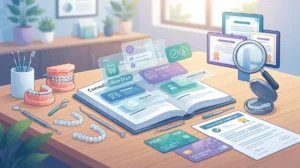
A little preparation goes a long way. We recommend every braces-wearing household put together a simple kit that includes:
- Orthodontic wax (keep a few packs in different locations)
- Small mirror for checking hard-to-see areas
- Clean tweezers
- Sugar-free gum as a backup wax alternative
- Saltwater rinse ingredients or travel mouthwash
- Soft toothbrush and interdental brushes
- Your orthodontist’s phone number saved in your contacts
Teens especially benefit from keeping a mini kit in their backpack or gym bag, since braces problems have a knack for showing up during practice or between classes. Being prepared means less stress for everyone involved.
10. Choose an Orthodontic Practice That Takes Emergencies Seriously
Not all orthodontic offices handle emergencies the same way. When choosing your provider, ask how they manage urgent situations, what their after-hours protocol looks like, and how quickly they can typically see you for a comfort visit. A practice that treats your comfort and time seriously makes a real difference during stressful moments.
At Chacon Orthodontics, Dr. Omar Chacon and his bilingual team in Westchase and Brandon understand that braces problems don’t always happen during convenient hours. We pride ourselves on clear communication in both English and Spanish, so families never feel lost in translation during a stressful moment. You can schedule a free consultation to learn more about how our practice supports patients through every step of treatment, including the occasional bump in the road.
Curious what other patients say about their experience? You can see what our Chacon Orthodontics Brandon customers say on Google by visiting our Google Business Profile. We also share helpful tips and patient smiles on Instagram and Facebook, and you can connect with Dr. Chacon professionally on LinkedIn.
A Few More Helpful Resources
If you’re still building your braces knowledge, we have plenty of guides to help. Parents might enjoy learning about early signs you need braces, while teens and their families often find our article on braces vs. clear aligners for teens useful for planning ahead. Adults considering treatment might appreciate our piece on orthodontic treatment for adults, and anyone wondering about discomfort can read what to expect regarding braces pain straight from Dr. Chacon.
You might also want to bookmark our page on foods to avoid with braces, since diet plays a huge role in preventing emergencies in the first place. And if you’re just getting started with treatment, our first visit guide walks you through exactly what to expect.
Wrapping It All Up
Braces emergencies happen to almost everyone at some point, and that’s perfectly okay. The key is staying calm, using simple tools like orthodontic wax, keeping up good oral hygiene, and knowing when a situation truly needs urgent medical attention. With the right preparation, most problems turn into minor bumps rather than major setbacks in your smile journey.
If you ever find yourself facing a braces problem in the Brandon or Westchase area, our friendly bilingual team is here to help you through it with warmth and expertise. Ready for peace of mind before an issue even comes up? Book your free consultation today and let us show you what personalized, judgment-free orthodontic care really feels like.
FAQs
Q: What should I do if my braces wire is poking my cheek?
A: First, try gently pushing the wire toward your tooth using a clean cotton swab or pencil eraser. Then cover the sharp spot with orthodontic wax for comfort, and give your orthodontist a call to let them know what happened. It’s a common issue, so don’t worry, you’re definitely not the first person to deal with a poky wire!
Q: Is a broken or loose bracket a braces emergency?
A: It depends on how it’s behaving. If the bracket is still attached to the wire and not causing pain, it can usually wait until your next appointment. But if it’s rotating, hurting, or scratching your cheek, reach out to your orthodontist sooner so they can take a look.
Q: When should I go to the emergency room for a braces problem?
A: Head to the ER if you experience heavy bleeding, trouble breathing or swallowing, major facial trauma, or a knocked-out permanent tooth. These situations go beyond typical orthodontic care and need immediate medical attention. Everyday bracket or wire issues almost never require an ER visit, so try not to panic.
Q: Can I fix a loose bracket or broken wire at home?
A: You can absolutely manage the discomfort at home with orthodontic wax and gentle repositioning, but avoid cutting wires or removing brackets yourself. Loose pieces can be swallowed or inhaled, so it’s best to let your orthodontic team handle the actual repair. Think of home care as a helpful pause button, not a permanent fix.
Q: How do I use orthodontic wax for a sharp wire?
A: Dry the area around the wire, roll a small piece of wax into a ball, and press it firmly over the sharp end. It creates a smooth barrier so the wire stops poking your cheek or gum. Keep extra wax handy since it can come off while eating or brushing.