
Key Takeaways
-
Manage initial discomfort during the first week by eating soft foods, using pain relievers, and applying orthodontic wax to prevent mouth irritation.
-
Maintain rigorous oral hygiene by brushing after every meal, using special flossing tools, and paying extra attention to areas around brackets.
-
Modify your diet to protect braces: cut hard foods into smaller pieces, avoid sticky and crunchy items that can damage orthodontic appliances.
-
Follow orthodontic adjustment appointment schedules and understand that minor soreness after tightening is normal and can be managed easily.
-
Consider different braces options like clear aligners or ceramic braces if aesthetics are important to you, based on your lifestyle and treatment needs.
-
Wear a custom orthodontic mouthguard during sports to protect your braces and prevent potential injury to your mouth.
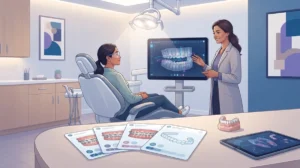
Getting braces marks the beginning of an exciting journey toward a healthier, more confident smile. Whether you’re a teenager just starting treatment or an adult finally addressing alignment issues, life with braces brings changes that affect your daily routine, eating habits, and oral care practices. Understanding what to expect helps you navigate this transformation with confidence and achieve the best possible results from your orthodontic treatment.
In 2026, orthodontic technology continues to advance, offering more comfortable and discreet options than ever before. From traditional metal braces to nearly invisible clear aligners, the variety of treatment choices means there’s a solution that fits your lifestyle and aesthetic preferences. This comprehensive guide explores everything you need to know about adjusting to life with braces, managing discomfort, maintaining oral hygiene, and making the most of your orthodontic journey.
At Chacon Orthodontics, we understand that starting orthodontic treatment raises many questions. Our team in Westchase, Florida, has helped countless patients successfully navigate their braces journey, and we’re here to share practical insights that will make your experience smoother and more comfortable.

1. Understanding Your Braces Type and What to Expect
Traditional metal braces remain the most popular orthodontic option in 2026 due to their proven effectiveness for complex alignment issues, cost-efficiency, and reliable results. Brands like Damon, 3M, and Ormco have refined their designs to be smaller and more comfortable than ever before. These braces use metal brackets bonded to your teeth and connected by wires that gradually guide your teeth into proper position.
For patients seeking a more discreet option, ceramic or clear braces blend naturally with your teeth, offering similar effectiveness to metal braces without the visibility. These work particularly well for aesthetic-conscious teens and adults who want effective treatment without the metallic appearance. According to recent orthodontic trends, orthodontic braces continue to evolve with innovations that prioritize both comfort and efficiency.
Self-ligating braces represent one of the hottest trends in orthodontics for 2026. These advanced systems use clips instead of elastic bands to hold the wire, reducing friction and enhancing comfort while potentially shortening treatment time. Popular brands like In-Ovation and Damon Clear offer patients fewer office visits and less discomfort from sores.

2. The First Week: Managing Initial Discomfort
The first week with braces presents the biggest adjustment period. Your mouth needs time to adapt to the new hardware, and you’ll likely experience soreness as your teeth begin shifting. This discomfort is completely normal and signals that your treatment is working. Most patients report tenderness that peaks around day three and gradually subsides within the first week.
To manage initial discomfort, stick to soft foods like yogurt, mashed potatoes, smoothies, and soup. Over-the-counter pain relievers like ibuprofen can help reduce inflammation and ease soreness. Rinsing with warm salt water several times daily soothes irritated gums and promotes healing of any minor abrasions from brackets rubbing against your cheeks.
Orthodontic wax becomes your best friend during this adjustment period. Apply small amounts to any brackets or wires that irritate the inside of your mouth. This creates a protective barrier that prevents further irritation while your oral tissues toughen and adapt to the braces.

3. Foods to Avoid and What You Can Still Enjoy
Life with braces requires modifying your diet to protect your orthodontic appliances and ensure successful treatment. Hard foods like nuts, hard candies, ice, and popcorn kernels can break brackets or bend wires, potentially extending your treatment time. Sticky foods such as caramel, taffy, and gummy candies can get lodged in your braces and are extremely difficult to clean.
Crunchy foods require special attention. While you’ll need to avoid biting into whole apples or corn on the cob, you can still enjoy these foods by cutting them into smaller, bite-sized pieces. The key is avoiding direct pressure on your front teeth when biting down on hard items.
| Food Category | Avoid | Safe Alternatives |
|---|---|---|
| Fruits | Whole apples, hard pears | Sliced apples, bananas, berries, melon |
| Vegetables | Raw carrots, corn on cob | Steamed carrots, cut corn, cooked veggies |
| Snacks | Popcorn, nuts, hard pretzels | Soft pretzels, cheese, crackers |
| Sweets | Caramel, taffy, gummy bears | Ice cream, soft cookies, chocolate |
| Proteins | Tough steak, chicken wings | Ground meat, tender fish, eggs |

4. Mastering Oral Hygiene With Braces
Maintaining excellent oral hygiene becomes more challenging but critically important when you have braces. Food particles and plaque easily get trapped around brackets and wires, increasing your risk of tooth decay and gum disease. Brushing after every meal prevents buildup and keeps your teeth healthy throughout treatment.
Use a soft-bristled toothbrush and fluoride toothpaste, brushing at a 45-degree angle to clean around brackets and along the gum line. Spend at least two minutes brushing, paying special attention to the areas where brackets meet teeth. Many orthodontists recommend using an electric toothbrush, which can be more effective at removing plaque around braces.
Flossing with braces requires extra effort but cannot be skipped. Use a floss threader or orthodontic flosser to thread floss under the wire between each tooth. Water flossers provide an excellent alternative, using pressurized water to clean between teeth and around brackets. Incorporate these tools into your daily routine to maintain healthy gums and prevent white spots on your teeth.
5. Managing Adjustment Appointments and Tightening
Regular adjustment appointments, typically scheduled every four to eight weeks, are essential for progressing your treatment. During these visits, your orthodontist tightens wires, replaces elastic bands, and makes necessary adjustments to continue moving your teeth toward their ideal positions. These appointments usually last 15 to 30 minutes.
You’ll likely experience some soreness for a day or two after each adjustment as your teeth respond to the new pressure. This discomfort is milder than what you experienced initially and can be managed with the same strategies: soft foods, over-the-counter pain relief, and orthodontic wax if needed.
Self-ligating braces have reduced the frequency of adjustment appointments for many patients, as these systems require less manual tightening. This innovation fits perfectly with busy lifestyles in 2026, allowing working professionals and students to minimize time away from their regular schedules.
6. Dealing With Broken Brackets and Emergency Situations
Despite your best efforts, brackets occasionally break or wires become loose. These situations aren’t uncommon and don’t typically constitute true emergencies. If a bracket breaks but remains attached to the wire, leave it in place and cover it with orthodontic wax to prevent irritation. Contact your orthodontist’s office to schedule a repair appointment.
Poking wires cause the most discomfort in orthodontic emergencies. As your teeth shift, the wire may extend beyond the last bracket and irritate your cheek. Try using a pencil eraser to gently push the wire into a more comfortable position, then cover it with wax. If this doesn’t work, your orthodontist can quickly trim the wire.
True emergencies requiring immediate attention include severe pain, significant swelling, or trauma to your mouth. In these rare cases, contact your orthodontist immediately. Most offices provide emergency contact information for situations that cannot wait until regular business hours.
7. Clear Aligner Alternative: Invisalign and Similar Systems
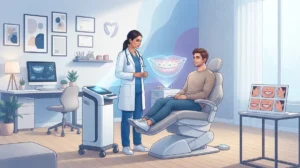
For patients seeking maximum discretion, clear aligners like Invisalign offer a removable, nearly invisible alternative to traditional braces. These custom-made plastic trays gradually shift your teeth through a series of aligners that you change every one to two weeks. The technology behind clear aligners has advanced significantly, making them suitable for more complex cases than ever before.
Clear aligners provide distinct advantages for certain lifestyles. You can remove them for eating, meaning no dietary restrictions, and for special occasions like photos or presentations. They’re particularly popular among adults who want to straighten their teeth without the appearance of traditional braces.
However, clear aligners require significant patient compliance. You must wear them 20 to 22 hours daily for effective treatment, removing them only for eating and oral hygiene. For patients who might struggle with this discipline or for more complex orthodontic cases, traditional custom braces often provide more reliable results.
8. Lingual Braces: Hidden Behind Your Teeth
Lingual braces offer the effectiveness of traditional braces with complete invisibility. These specialized brackets attach to the back surfaces of your teeth, making them completely hidden from view when you smile or talk. Brands like Incognito by 3M and SureSmile provide customized treatment that handles even complex alignment issues.
This option appeals particularly to professionals, performers, or anyone who wants orthodontic treatment without any visible appliances. Lingual braces work just as effectively as traditional braces for most cases, though they require specialized training for orthodontists to place and adjust properly.
The main considerations with lingual braces include a longer adjustment period for your tongue, potential temporary speech changes, and higher cost compared to traditional braces. However, for patients prioritizing aesthetics while needing comprehensive orthodontic correction, lingual braces represent an excellent solution.
9. Accelerated Orthodontics: Faster Treatment Options
In 2026, accelerated orthodontics continues gaining popularity among patients with busy schedules who want to minimize treatment time. Devices like AcceleDent use gentle vibrations to stimulate bone remodeling, potentially reducing treatment duration by up to 50 percent. These systems typically require just 20 minutes of daily use while wearing your braces or aligners.
High-frequency vibration therapy works by increasing cellular activity in the bone surrounding your teeth, allowing them to move more quickly and comfortably into their new positions. This technology integrates seamlessly with both traditional braces and clear aligner systems, offering flexibility for different treatment approaches.
Custom digital braces represent another innovation speeding up orthodontic treatment. These advanced systems use pre-programmed archwires designed specifically for your treatment plan, eliminating much of the trial-and-error of traditional approaches. According to recent industry data, custom digital braces work faster than other types due to this precision planning.
10. Sports, Activities, and Protecting Your Braces
Life with braces doesn’t mean giving up sports or physical activities. However, protecting your mouth and orthodontic appliances becomes essential, especially in contact sports. A custom orthodontic mouthguard provides cushioning that protects both your braces and your soft tissues from injury during athletic activities.
Standard sports mouthguards don’t fit properly over braces, so invest in an orthodontic-specific guard designed to accommodate brackets and wires. Your orthodontist can provide recommendations or even create a custom guard that offers maximum protection and comfort during play.
For activities like swimming, playing musical instruments, or singing, braces typically require minimal adjustment. You might experience a brief adaptation period for wind instruments, but most musicians quickly adapt. The key is patience and consistent practice as your mouth adjusts to the new appliances.
11. Social Situations and Building Confidence
Adjusting socially to life with braces affects different age groups in unique ways. Teens often worry about appearance and acceptance, while adults may feel self-conscious in professional settings. Remember that orthodontic treatment is incredibly common, with millions of people wearing braces at any given time.
Modern braces offer numerous customization options that let you express personality. Colored elastic bands allow teens to coordinate with school colors, holidays, or personal preferences. Adults often choose clear or tooth-colored options that blend naturally. The variety of choices means everyone can find an option that fits their comfort level.
Building confidence comes from focusing on the end goal: a healthy, beautiful smile that lasts a lifetime. Many patients find that their orthodontic journey teaches patience and self-care habits that benefit them long after treatment ends. Embrace the process as an investment in yourself and your future confidence.
12. Understanding Treatment Timeline and Duration
The length of orthodontic treatment varies significantly based on the complexity of your case, the type of braces you choose, and how well you follow care instructions. Most patients wear braces for 18 to 24 months, though some cases require as little as six months while others may extend to three years.
Several factors influence treatment duration. Severe crowding, bite issues, or jaw alignment problems naturally require more time to correct. Your age also plays a role, as younger patients with still-developing jaws often experience faster tooth movement than adults with fully mature bone structure.
Following your orthodontist’s instructions dramatically impacts your timeline. Wearing rubber bands as prescribed, maintaining excellent oral hygiene, avoiding prohibited foods, and attending all scheduled appointments ensures your treatment progresses on schedule. Broken brackets and missed appointments can add weeks or months to your total treatment time.
| Treatment Type | Average Duration | Best For |
|---|---|---|
| Traditional Metal Braces | 18-24 months | Complex cases, all ages |
| Ceramic Braces | 18-24 months | Aesthetic-conscious patients |
| Self-Ligating Braces | 12-18 months | Patients wanting fewer visits |
| Clear Aligners | 12-18 months | Mild to moderate cases |
| Lingual Braces | 18-24 months | Complete invisibility needed |
13. Planning for Life After Braces: Retainers and Maintenance
Completing your braces treatment represents a major milestone, but maintaining your new smile requires commitment to wearing retainers. After your braces come off, your teeth naturally want to shift back toward their original positions. Retainers prevent this relapse by holding teeth in their corrected alignment while surrounding bone and tissues stabilize.
Most orthodontists recommend wearing retainers full-time for the first several months after braces removal, then transitioning to nighttime-only wear. Some patients need to wear retainers indefinitely to maintain their results, especially if they had significant corrections or are prone to relapse.
Two main retainer types serve different needs. Removable retainers, often clear plastic or wire-and-acrylic designs, offer convenience and easy cleaning. Fixed retainers consist of a thin wire bonded behind your front teeth, providing permanent retention without requiring patient compliance. Your orthodontist will recommend the best option based on your specific case and lifestyle. Learn more about what clear retainers are and how they keep your smile perfect.
14. Cost, Insurance, and Making Treatment Affordable
Understanding the financial aspects of orthodontic treatment helps you plan effectively and avoid surprises. Traditional metal braces typically cost between $3,000 and $7,000 depending on your location, the complexity of your case, and treatment duration. More advanced options like lingual braces or custom digital systems may cost more due to specialized technology and expertise.
Many dental insurance plans provide partial orthodontic coverage, typically covering 50 percent of treatment up to a lifetime maximum of $1,000 to $3,000. Check with your insurance provider to understand your specific benefits and any age restrictions that may apply. Some plans only cover orthodontics for children and teens, while others extend benefits to adults.
If insurance doesn’t cover your full treatment cost, flexible payment plans make orthodontics accessible. Many orthodontic practices offer interest-free payment plans that spread the cost over your treatment duration, making monthly payments manageable. Health savings accounts (HSAs) and flexible spending accounts (FSAs) also provide tax-advantaged ways to pay for orthodontic care.
At Chacon Orthodontics, we believe everyone deserves access to quality orthodontic care. We work with patients to create customized financial solutions that fit their budgets while providing the excellent treatment they need. Our team handles insurance verification and filing to maximize your benefits.
Your Journey to a Confident Smile Starts Here
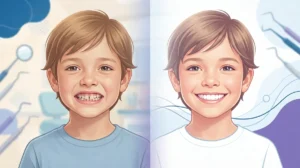
Life with braces represents an investment in your oral health, confidence, and future. While the journey requires adjustments to your daily routine, eating habits, and oral care practices, the result is a beautiful, healthy smile that lasts a lifetime. Modern orthodontic technology in 2026 offers more comfortable, efficient, and discreet options than ever before, making treatment accessible for patients of all ages.
From understanding different braces types and managing discomfort to maintaining excellent oral hygiene and planning for retention, knowledge empowers you to make the most of your orthodontic experience. Remember that your orthodontist and their team serve as partners throughout this journey, providing support, guidance, and expertise every step of the way.
Whether you’re considering traditional braces, clear aligners, or advanced lingual systems, the most important step is getting started. Don’t let concerns about appearance, discomfort, or cost prevent you from achieving the smile you deserve. With proper planning, commitment to care, and professional guidance, your orthodontic journey can be smoother and more rewarding than you might expect.
Ready to begin your transformation? Schedule your free consultation with our expert team today. We’ll evaluate your unique needs, discuss treatment options that fit your lifestyle and budget, and create a personalized plan to help you achieve the confident, healthy smile you’ve always wanted. You can also visit us on Google to see what our patients are saying about their experiences. Your journey to a better smile starts with a single step—let us help you take it with confidence.
FAQs
Q: How long does it take to get used to life with braces?
A: Most patients adjust to braces within one to two weeks. The first few days involve the most discomfort as your mouth adapts to the brackets and wires. Your cheeks, tongue, and lips will toughen up, and any initial soreness typically subsides within a week as you learn to eat and speak comfortably with your new appliances.
Q: What foods should I completely avoid with braces?
A: Avoid hard foods like nuts, ice, and hard candies that can break brackets. Stay away from sticky foods such as caramel, taffy, and gummy candies that get lodged in braces. Skip chewy items like bagels and tough meats, and don’t bite into whole apples or corn on the cob. Instead, cut these foods into smaller pieces to protect your orthodontic appliances.
Q: How often do I need to brush my teeth with braces?
A: Brush your teeth after every meal and snack, ideally within five to ten minutes of eating. This prevents food particles from getting trapped around brackets and wires. Spend at least two minutes brushing, using a soft-bristled toothbrush at a 45-degree angle to clean around brackets and along the gum line thoroughly.
Q: Can adults get braces, and do they work the same way?
A: Adults can absolutely get braces and achieve excellent results. While treatment may take slightly longer than for teens due to fully developed bone structure, modern orthodontics offers highly effective solutions for all ages. Many adults choose discreet options like clear aligners, ceramic braces, or lingual braces to straighten their teeth without compromising their professional appearance.
Q: What happens if a bracket breaks during treatment?
A: A broken bracket is not an emergency but should be addressed promptly. If the bracket remains attached to the wire, leave it in place and cover it with orthodontic wax to prevent irritation. Contact your orthodontist to schedule a repair appointment within a few days. Avoid the food or activity that caused the break to prevent future issues.