
Key Takeaways
-
Verify board certification through the American Board of Orthodontics (ABO) website before choosing an orthodontist—this credential requires passing rigorous exams and must be renewed every 10 years, ensuring top-tier expertise.
-
Orthodontists complete 18-24 months of specialized CODA-accredited training beyond dental school, making them fundamentally different from general dentists who offer basic cleanings and fillings.
-
Request a full cost breakdown including retainers, follow-up visits, and emergency appointments during your consultation; treatment typically costs $3,000-$8,500 depending on type, and most offices offer payment plans.
-
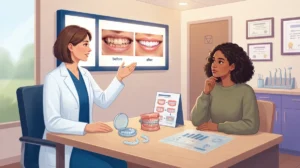
Ask specific consultation questions about board certification, technology used (3D CBCT imaging, digital scanning), before-and-after photos of similar cases, and emergency after-hours care availability.
-
Look for practices offering multiple treatment options—traditional braces, clear aligners, and ceramic braces—so your orthodontist can recommend the best approach for your specific age, bite issues, and lifestyle.
-
Read patient reviews for consistent patterns about communication, staff friendliness, and results rather than focusing on star ratings alone; also evaluate how practices respond professionally to negative feedback.
Finding the best orthodontist near me is one of the most important decisions you can make for your smile. Whether you’re a parent looking for care for your child, a teen heading into high school, or an adult ready to finally fix your teeth, the right orthodontist makes all the difference. With so many options available today, knowing what to look for can feel overwhelming. This guide breaks it down into simple, clear steps so you can make a confident choice. From checking credentials and technology to reviewing costs and patient care, you’ll walk away knowing exactly what to prioritize — and how to spot a truly exceptional orthodontic practice in your area.
What Makes an Orthodontist Different from a Regular Dentist
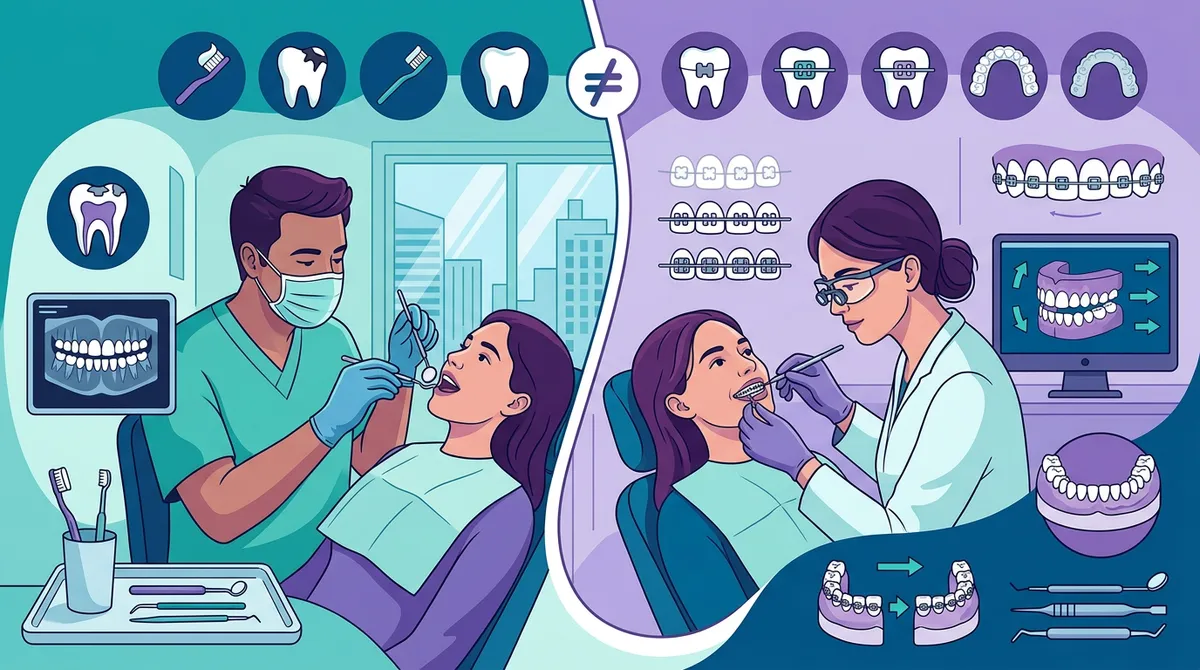
Many people assume that orthodontists and general dentists offer the same services. In reality, they are very different. A general dentist handles cleanings, fillings, and basic oral health. An orthodontist is a dental specialist who focuses exclusively on aligning teeth and jaws.
To become an orthodontist, a dental professional must complete a CODA-accredited advanced specialty program. This program takes a minimum of 18 to 24 months beyond dental school. This extra training covers everything from jaw development to orthodontics science and treatment planning. Not every dentist who offers braces has completed this specialized training, so it’s important to verify credentials before starting treatment.
Why Board Certification Matters
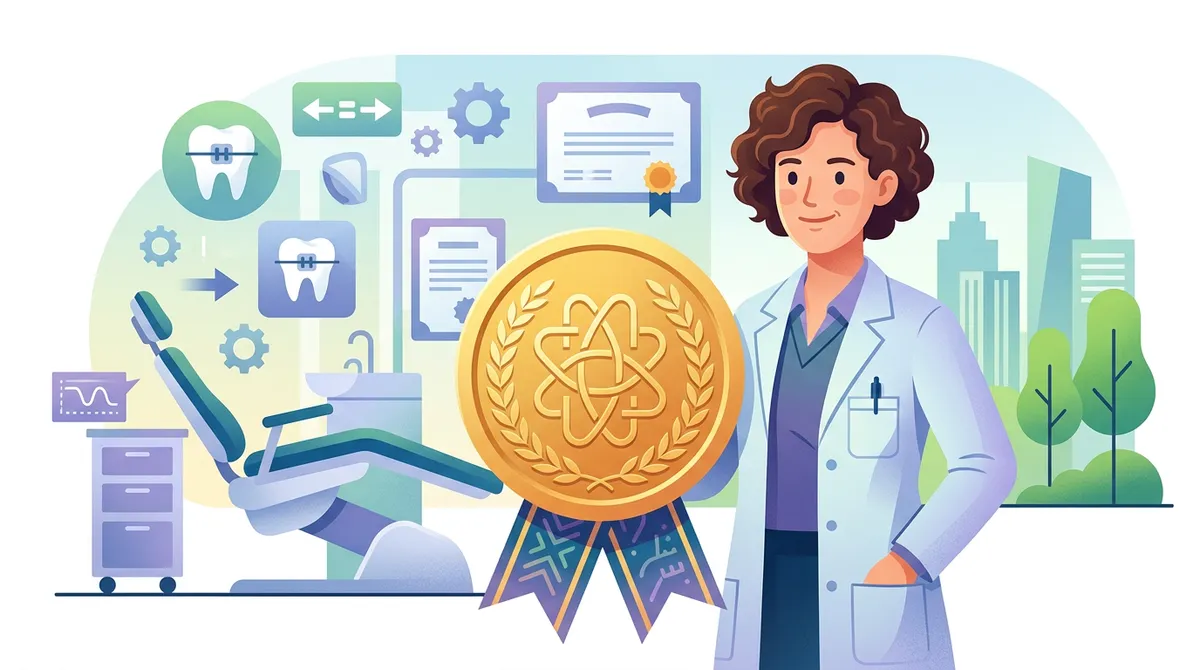
Board certification is one of the clearest signs of a highly qualified orthodontist. The American Board of Orthodontics (ABO) awards diplomate status to orthodontists who pass written exams, submit case presentations, and complete oral evaluations. This process is rigorous and not every practicing orthodontist pursues it.
You can verify whether an orthodontist holds ABO diplomate status directly on the ABO website. Board-certified orthodontists must also renew their certification every 10 years through continued education and examination. This requirement is mandatory across all 50 states. When you’re searching for the best orthodontist near me, prioritizing board-certified providers immediately narrows the field to top-tier specialists.
Key Factors to Evaluate When Choosing an Orthodontist
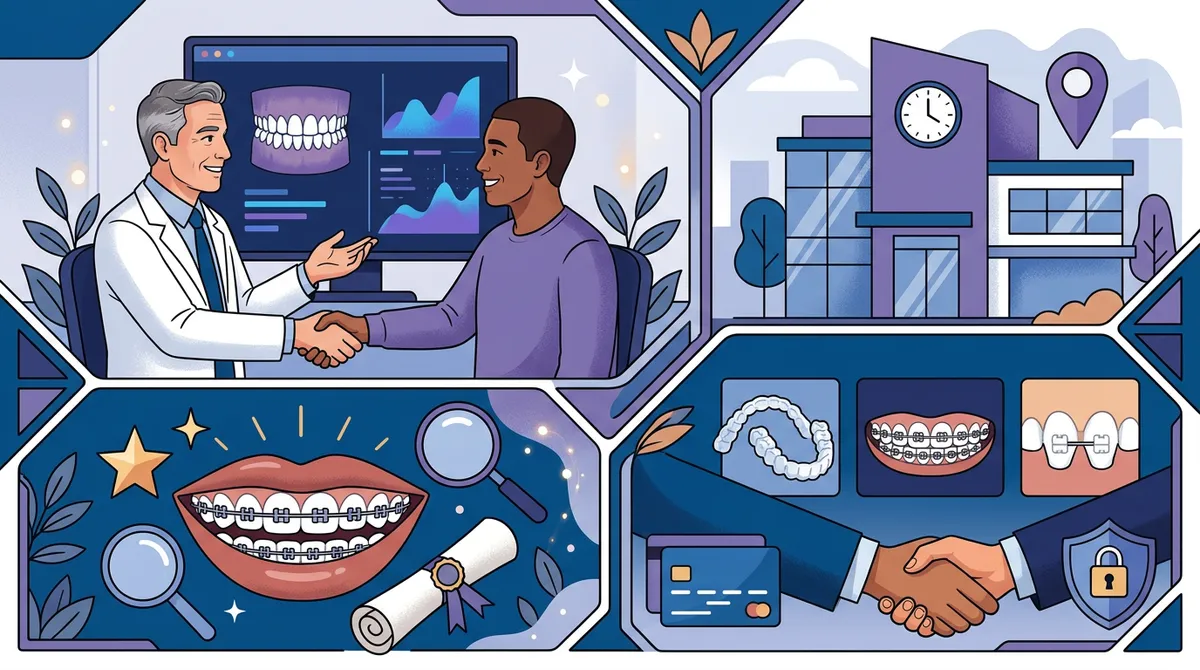
Choosing the right orthodontic provider involves more than just location. Here are the most important factors to weigh carefully:
- Credentials and board certification: Verify ABO certification and specialized training history.
- Treatment options offered: A strong practice offers custom braces, clear aligners, and other modern solutions.
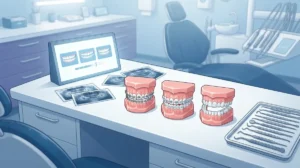
- Technology in the office: Look for 3D CBCT imaging, digital scanning, and personalized aligner therapy.
- Before-and-after case photos: These give you real insight into the types of results they achieve.
- Patient reviews and communication style: Positive, consistent reviews show that the practice treats patients well.
- Cost transparency: Full breakdowns, payment plans, and insurance support are essential.
- Convenience: Flexible hours, easy parking, emergency services, and telehealth options matter for busy families and professionals.

Understanding Your Treatment Options
The best orthodontic practices offer a variety of treatment paths. Your specific needs — age, bite issues, lifestyle — will guide which option is best for you. Here’s a quick overview of the most common choices available in 2026:
| Treatment Type | Best For | Visibility | Typical Duration |
|---|---|---|---|
| Traditional Braces | Children, teens, complex cases | Visible | 18–36 months |
| Clear Aligners | Teens and adults seeking discretion | Nearly invisible | 12–24 months |
| Ceramic Braces | Adults wanting less visibility | Tooth-colored | 18–30 months |
| Retainers (post-treatment) | All patients after active treatment | Varies | Ongoing |
You can learn more about types of braces and orthodontic options to understand which treatment fits your unique situation. Clear aligners have grown significantly in popularity, especially among adults who prefer a discreet treatment approach.
Questions to Ask During Your Consultation
A free consultation is one of the best tools you have when searching for the best orthodontist near me. Come prepared with the right questions to evaluate each provider fairly.
- Are you board-certified by the American Board of Orthodontics?
- What percentage of your practice involves the treatment I need (braces vs. clear aligners)?
- Can I see before-and-after photos of similar cases?
- What technology do you use for diagnosis and treatment planning?
- What does the full cost include — retainers, follow-up visits, emergency appointments?
- Do you accept my insurance and offer flexible payment plans?
- What happens if I have a problem after hours or between appointments?
The answers to these questions will quickly reveal how organized, experienced, and patient-focused a practice is. Your first visit should feel welcoming and informative, not rushed or confusing.
How Technology Improves Orthodontic Care in 2026
The 2026 AAO (American Association of Orthodontists) guidelines place a strong emphasis on digital diagnostics and personalized care. The best orthodontic practices today use advanced tools that improve both accuracy and outcomes.
3D CBCT imaging gives orthodontists a detailed view of bone structure, tooth roots, and jaw alignment. Digital scanning eliminates the need for messy traditional impressions. Personalized aligner therapy uses data-driven planning to customize each tray for biological adaptability. These tools aren’t just nice extras — they directly impact the quality of your results and can shorten treatment time.
Comparing Costs: What to Expect and How to Plan
Cost is often the biggest concern for families and individuals exploring orthodontic care. Prices vary based on treatment type, case complexity, and the practice’s location. Here’s a general breakdown to help you plan:
| Treatment | Estimated Cost Range (2026) | Insurance Coverage Likely? |
|---|---|---|
| Traditional Metal Braces | $3,000 – $7,000 | Often partial coverage |
| Ceramic Braces | $4,000 – $8,000 | Sometimes covered |
| Clear Aligners | $3,500 – $8,500 | Depends on plan |
| Retainers | $150 – $600 | Rarely covered |
Always ask for a full cost breakdown that includes retainers, follow-up appointments, and any emergency visits. Understanding what’s included — and what isn’t — helps you compare practices accurately. Many offices offer payment plans and work with insurance to make treatment more affordable.
Care for Every Age Group
A top-rated orthodontist serves patients at every stage of life. The right treatment approach changes depending on whether you’re treating a child, a teenager, or an adult.
| Patient Type | Ideal Starting Age | Common Treatments | Key Considerations |
|---|---|---|---|
| Children | 7–10 years | Early intervention, expanders | Jaw development, bite correction |
| Teens | 11–17 years | Braces, clear aligners | Aesthetics, compliance, activity level |
| Adults | Any age | Clear aligners, ceramic braces | Discretion, periodontal health, lifestyle |
Adults with previous orthodontic treatment who have experienced relapse can also benefit greatly from retreatment. If you’ve noticed your teeth shifting after wearing braces as a teen, you’re not alone — and modern solutions make retreatment easier than ever. Learn about clear retainers and how they keep your smile perfect to prevent future shifting.
The Role of Patient Reviews in Your Decision
Online patient reviews are one of your most powerful research tools. When reading reviews, look for patterns — not just star ratings. Consistent comments about friendly staff, clear communication, and positive results carry more weight than a single five-star rating.
Pay attention to how the practice responds to negative reviews as well. A professional, empathetic response to criticism shows that the team values patient satisfaction. You can read our reviews on Google to see what patients in the Westchase area say about their experience.
Why Chacon Orthodontics Stands Out in Westchase, Florida
If you’re searching for the best orthodontist near me in the Westchase, Florida area, Dr. Chacon and his team offer personalized orthodontic care for kids, teens, and adults. The practice provides a full range of treatment options including custom braces, clear aligners, and teeth whitening — all designed around your unique smile goals.
Chacon Orthodontics combines advanced technology with a warm, patient-centered approach. Whether you’re bringing in your child for their first orthodontic evaluation or exploring discreet options as an adult professional, the team is committed to creating confident smiles that last a lifetime. Visit us on Google to see our location, hours, and patient feedback.
For adults curious about modern aligner options, discover the clear aligner benefits adults are choosing and why this treatment path continues to grow in popularity.
Steps to Finding the Right Orthodontist Near You
- Start with a search: Look for board-certified orthodontists in your area using the ABO website or Google.
- Check credentials: Confirm the provider completed a CODA-accredited specialty program.
- Read patient reviews: Look for consistent, detailed feedback across multiple platforms.
- Schedule consultations: Many practices offer free evaluations — take advantage of at least two or three.
- Compare treatment plans and costs: Make sure each quote covers the full scope of treatment including retainers.
- Trust your instincts: Choose a practice where you feel heard, respected, and well-informed.
Making Your Final Decision
The best orthodontist near me isn’t just the one closest to your home. It’s the one who combines expert training, modern technology, transparent pricing, and genuine care for your well-being. Take your time, ask the right questions, and don’t be afraid to consult more than one practice before committing.
Orthodontic treatment is a significant investment in your health and confidence. Choosing wisely now means better results, fewer complications, and a smile you’ll be proud of for years to come. To explore types of orthodontic appliances or learn more about what clear aligners are and how they work, the resources at Chacon Orthodontics are a great starting point.
Ready to take the next step toward your best smile? Schedule your free consultation with Chacon Orthodontics today and find out which treatment is right for you. You can also learn why patients choose Chacon Orthodontics when they want expert, personalized orthodontic care in the Westchase area.
FAQs
Q: How do I verify if an orthodontist is board-certified?
A: You can verify board certification by visiting the American Board of Orthodontics (ABO) website and searching for the orthodontist’s name. ABO-certified providers, known as diplomates, have passed written exams, submitted clinical case presentations, and completed oral evaluations. Board certification must be renewed every 10 years, so it reflects ongoing commitment to excellence.
Q: What is the difference between an orthodontist and a general dentist?
A: A general dentist focuses on overall oral health, including cleanings, fillings, and basic restorations. An orthodontist is a dental specialist who completes an additional 18 to 24 months of advanced training in a CODA-accredited program focused specifically on teeth alignment and jaw correction. Not all dentists who offer braces have completed this specialized education.
Q: Are clear aligners as effective as traditional braces?
A: Clear aligners are highly effective for mild to moderate alignment issues and are a popular choice among teens and adults. Traditional braces remain the preferred option for complex bite problems and severe crowding cases. Your orthodontist will evaluate your specific needs and recommend the treatment that will deliver the best long-term results for your smile.
Q: How much does orthodontic treatment typically cost in 2026?
A: Orthodontic treatment costs vary based on the type of treatment, the complexity of the case, and the practice’s location. In 2026, traditional braces typically range from $3,000 to $7,000, while clear aligners range from $3,500 to $8,500. Many orthodontic offices offer payment plans and work with insurance providers to make treatment more affordable.
Q: What should I look for in patient reviews when choosing an orthodontist?
A: Look for consistent patterns in reviews rather than focusing solely on star ratings. Recurring comments about clear communication, friendly staff, quality results, and responsive follow-up care are strong positive indicators. Also pay attention to how the practice responds to any negative feedback, as this reflects their level of professionalism and patient commitment.