
Key Takeaways
-
The American Association of Orthodontists recommends children get their first orthodontic checkup by age 7 to catch developing problems early while jaw bones are still growing, even if braces aren't needed immediately.
-
Common signs you need an orthodontist include crowded or crooked teeth, large gaps, difficulty chewing, bite problems (overbite, underbite, crossbite), jaw clicking, and overlapping teeth that are hard to clean.
-
Adults can successfully get orthodontic treatment using discreet options like clear aligners that fit busy schedules, and it's never too late to straighten teeth even if you skipped braces as a kid.
-
A free orthodontic consultation involves digital scans, bite examination, and a clear diagnosis without obligation, helping you determine if treatment is medically necessary, cosmetic, or unnecessary.
-
Modern treatment options like clear aligners are flexible and designed for real-life schedules, making orthodontic care more accessible for teenagers and working adults than traditional fixed braces.
-
Not all crooked teeth require treatment; mild crowding may be purely cosmetic, so a professional evaluation is essential to determine whether your specific situation needs treatment or just monitoring.
Ever caught yourself staring in the mirror, wondering if your teeth are “bad enough” to need real help? You’re not alone. Whether you’re a parent watching your child’s baby teeth wiggle loose, a teenager tired of hiding your smile in photos, or a busy professional thinking about finally fixing that gap you’ve noticed since college, the question “do I need an orthodontist” pops into a lot of heads. And here’s the good news: figuring out the answer doesn’t have to be stressful.
This guide walks you through the real signs that mean it might be time for an orthodontic checkup. We’ll cover kids, teens, and adults, because honestly, a great smile doesn’t have an age limit. By the end, you’ll feel confident about your next step, whether that’s watchful waiting or booking a consultation.
What Does an Orthodontist Actually Do?
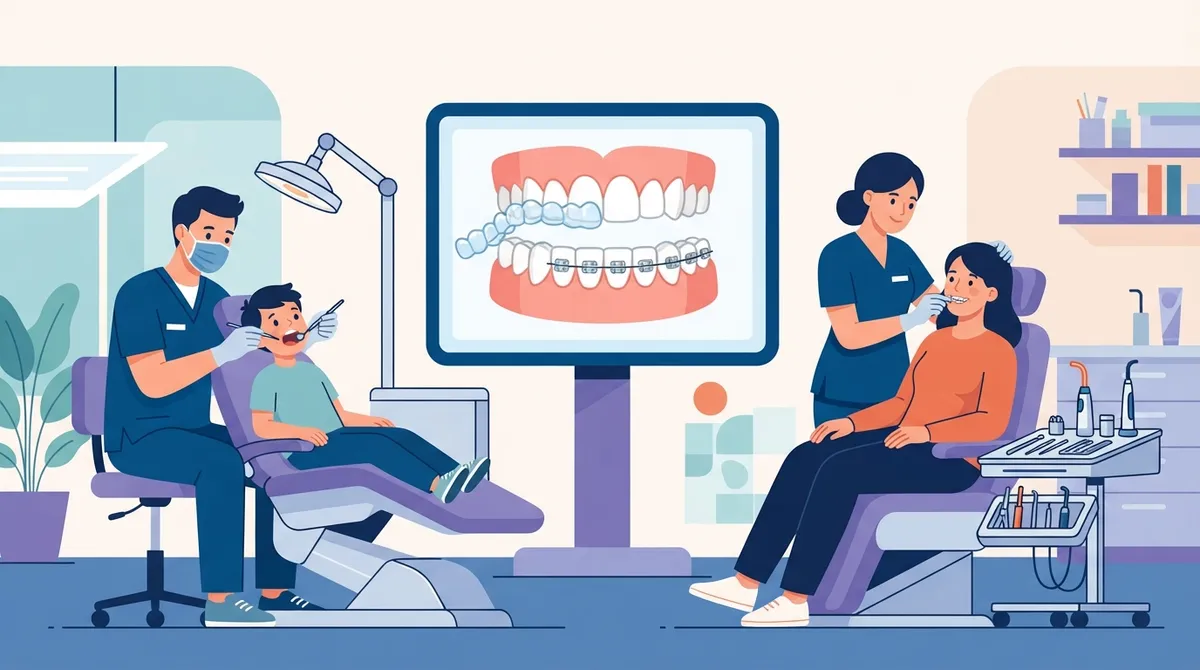
An orthodontist is a dental specialist trained to diagnose and treat problems with tooth alignment and jaw positioning. Think of them as the specialist your regular dentist calls in when teeth are crowded, crooked, or the bite just isn’t lining up right. While your family dentist keeps your teeth clean and cavity-free, an orthodontist focuses specifically on straightening teeth and correcting bite issues.
You don’t always need a referral, either. Many people simply schedule a free consultation on their own when something feels off. If you’re curious about the process, this article on what happens during an orthodontic exam breaks it down step by step.
Signs You (or Your Child) Might Need an Orthodontist
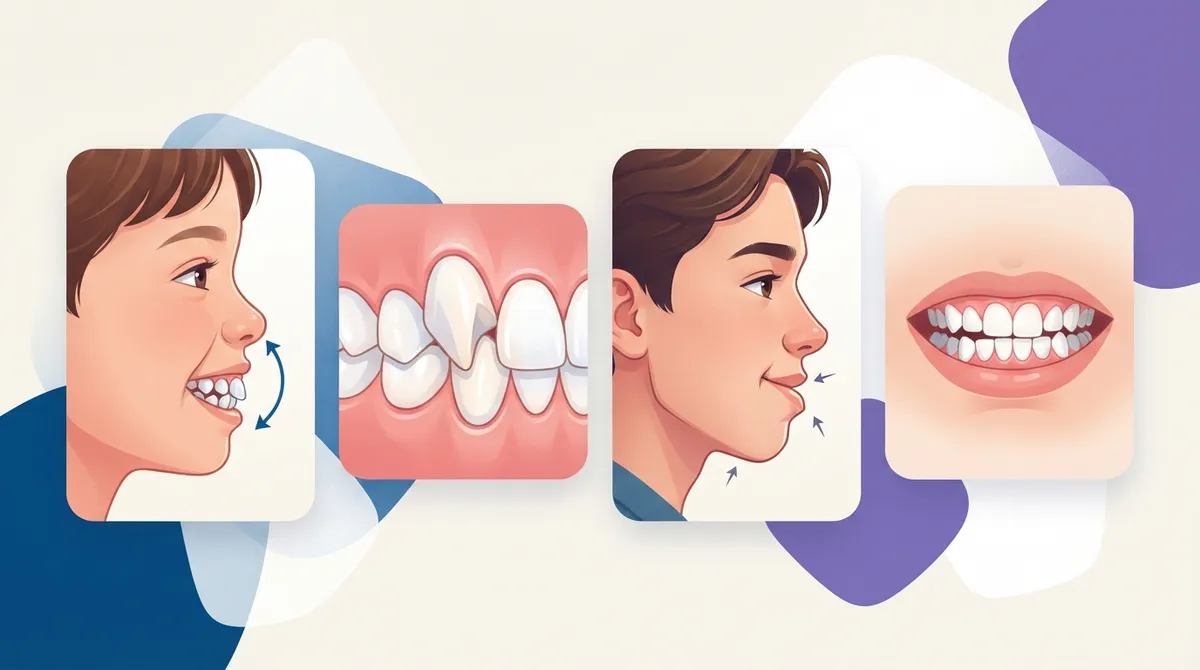
So how do you know when it’s time? Here are the most common red flags orthodontists look for:
- Crowded, crooked, or overlapping teeth
- Teeth that stick out or protrude noticeably
- Large gaps between teeth
- Difficulty chewing or biting food comfortably
- An overbite, underbite, crossbite, or open bite
- Jaw that clicks, shifts, or feels tired after eating
- Trouble cleaning certain teeth because they overlap
If any of these sound familiar, it doesn’t automatically mean you need braces tomorrow. But it does mean a professional opinion is worth getting. You can learn more about specific bite problems in our guide on overbite vs underbite and understanding bite problems.
Understanding Common Bite Issues
| Bite Issue | What It Looks Like | Why It Matters |
|---|---|---|
| Overbite | Upper teeth extend far over lower teeth | Can cause jaw strain and enamel wear |
| Underbite | Lower teeth sit in front of upper teeth | May affect chewing and speech |
| Crossbite | Some upper teeth sit inside lower teeth | Can lead to uneven jaw growth |
| Open Bite | Front teeth don’t touch when biting down | Makes biting into food difficult |
Parents: When Should Kids First See an Orthodontist?
Here’s a fact that surprises a lot of parents: the American Association of Orthodontists recommends that kids get their first orthodontic checkup by age 7. That doesn’t mean your seven-year-old will need braces right away. It simply means an orthodontist can spot developing problems early, while jaw bones and adult teeth are still growing in.
At this age, many kids just need monitoring. But some benefit from early or “interceptive” treatment that can make future treatment easier. If you want to dig deeper into this topic, check out Early Orthodontic Treatment: A Guide for Parents.
Signs Your Child May Need an Earlier Evaluation
Some kids should see an orthodontist even before age 7. Watch for these signs:
- Losing baby teeth very early or very late compared to peers
- Trouble chewing or biting food
- Frequent cheek biting
- Breathing through the mouth instead of the nose
- A jaw that shifts, clicks, or seems misaligned
- Noticeable facial asymmetry
- Ongoing thumb or finger sucking past toddler age
Catching these early can save time, money, and frustration down the road. For more everyday clues, take a look at Early Signs You Need Braces: What Parents Should Look For.
Teens: Straightening Your Smile Without Slowing Down Your Life
If you’re a teenager reading this, we get it. Between sports practice, homework, and hanging out with friends, the idea of “orthodontic treatment” might sound like a lot of extra hassle. But modern treatment options are way more flexible than what your parents remember.
Whether it’s traditional braces or clear aligners, today’s choices are designed to fit real teenage life. Curious which option fits your lifestyle better? Our comparison guide on Braces vs Clear Aligners: What’s Best for Your Teen breaks down the pros and cons in simple terms.
The bottom line: crooked teeth, bite problems, or crowding don’t have to hold you back from smiling confidently in photos, during games, or when you meet new people.
Adults: It’s Never Too Late
Here’s something a lot of working adults don’t realize: you can absolutely get orthodontic treatment, even if you skipped braces as a kid. Life gets busy, priorities shift, and sometimes crooked teeth just get pushed to the back burner. But adult treatment has come a long way.
Low-profile options like clear aligners let you straighten your teeth without anyone even noticing. No metal, no obvious wires, just steady progress toward a straighter smile. If you’re on the fence, this article on Why Are Adults Choosing Orthodontic Treatment? shares some real motivations behind the trend.
One important note: active gum disease or untreated cavities usually need attention before starting orthodontic treatment. Your orthodontist and dentist will work together to make sure your mouth is healthy and ready.
Common Reasons Adults Seek Treatment
- Improving confidence for job interviews or public speaking
- Fixing bite problems that cause jaw pain or headaches
- Correcting teeth that shifted after years without a retainer
- Making teeth easier to clean and maintain
- Simply wanting a smile they feel proud of
Do Crooked Teeth Always Mean You Need Treatment?
Not necessarily. Some people have mild crowding or slightly uneven teeth that don’t cause any functional problems. In these cases, treatment might be more about personal preference than medical need. This is exactly why a consultation matters so much: an orthodontist can tell you whether treatment is medically necessary, purely cosmetic, or simply not needed at all.
Think of it like a check-engine light. Sometimes it means something serious, and sometimes it’s a minor issue. Either way, you want a professional to take a look rather than guessing on your own.
What Happens During a Consultation?
Not sure what to expect at your first visit? Here’s a simple breakdown of what typically happens:
- You’ll discuss your concerns and goals with the orthodontist
- Digital scans or X-rays may be taken to see teeth and jaw structure
- The orthodontist examines your bite, spacing, and alignment
- You’ll get a diagnosis and a clear explanation of any issues
- Treatment options are discussed, including timelines and costs
- You can ask questions and decide on next steps together
For a deeper walkthrough, see 11 Things to Expect at Your Orthodontic Consultation in 2026. Consultations are usually relaxed and informative, not scary at all.
Orthodontist or Dentist: Who Should You See First?
This is one of the most common questions we hear. Your general dentist is great for cleanings, cavities, and overall oral health. But when it comes to straightening teeth or fixing a bite, an orthodontist has years of extra specialized training for exactly that.
Many dentists will refer patients directly to an orthodontist when they spot alignment concerns. But you don’t have to wait for a referral. You’re always welcome to reach out directly and set up your own evaluation.
Treatment Doesn’t Replace Regular Dental Care
One thing worth repeating: orthodontic treatment is not a substitute for regular dental checkups. Even while wearing braces or aligners, you’ll still need routine cleanings, fluoride treatments, and cavity checks. Think of orthodontic care and dental care as teammates working together toward the same goal, a healthy, beautiful smile.
Bilingual, Family-Friendly Care in Brandon and Westchase
At Chacon Orthodontics, families across Brandon and Westchase appreciate having a team that speaks both English and Spanish fluently. Clear communication makes a big difference, especially when discussing treatment options for your child or yourself. Dr. Omar Chacon and his team combine advanced technology with a warm, patient-first approach that puts families at ease.
Want to see what patients are saying? You can visit us on Google — Chacon Orthodontics Brandon to read real reviews from local families. You can also follow along on Instagram or Facebook for smile transformations and helpful tips. Dr. Chacon also shares his professional background on LinkedIn, where you can learn more about his experience and credentials.
How Long Does Treatment Usually Take?
Treatment length varies quite a bit depending on the complexity of your case. Many patients wear braces or aligners for about one to two years, though simpler cases may finish faster and more complex bite corrections can take longer. Your orthodontist will give you a personalized estimate after your first exam. For more detail, check out How to Plan Your Life Around Braces Treatment Duration.
Quick Comparison: Braces vs Clear Aligners
| Feature | Traditional Braces | Clear Aligners |
|---|---|---|
| Visibility | Noticeable metal or ceramic brackets | Nearly invisible |
| Removability | Fixed, cannot remove | Removable for eating and brushing |
| Best For | Complex bite and alignment issues | Mild to moderate cases |
| Maintenance | Regular adjustments needed | Tray changes every few weeks |
To explore more, our Traditional Braces vs Clear Aligners guide covers everything in plain language.
Ready to Find Out for Sure?
At the end of the day, only a real evaluation can answer the question “do I need an orthodontist” with confidence. Guessing based on mirror selfies only gets you so far. A quick, friendly consultation gives you real answers and a clear path forward, whether that means starting treatment or simply keeping an eye on things.
If you’re in the Brandon or Westchase area and ready to get some clarity, why not take the first step today? Book your free consultation with Dr. Omar Chacon’s team and find out exactly what your smile needs. You deserve a smile you feel proud to share with the world, and we’d love to help you get there.
FAQs
Q: Do I need to see an orthodontist or can my dentist treat the problem?
A: Your dentist keeps your teeth healthy, but an orthodontist has special training in straightening teeth and fixing bite issues. If your dentist spots crowding or bite problems, they’ll usually recommend an orthodontist, but you can also book a consultation yourself anytime.
Q: At what age should a child first see an orthodontist?
A: The American Association of Orthodontists recommends an initial checkup by age 7. Don’t worry, this doesn’t mean braces right away. It just helps catch developing issues early while there’s still room to guide growth.
Q: Can adults get braces or clear aligners?
A: Absolutely, age is never a barrier to a straighter smile. Many adults choose clear aligners because they’re discreet and fit easily into busy work schedules and daily routines.
Q: Do crooked teeth always require orthodontic treatment?
A: Not always. Mild crowding might just be a cosmetic preference rather than a medical need. A consultation helps you figure out whether treatment is necessary, optional, or not needed at all.
Q: How long does orthodontic treatment usually take?
A: Most people wear braces or aligners for about one to two years, though this varies based on how complex your case is. Your orthodontist will give you a personalized timeline after your first exam.