Key Takeaways
-
Traditional braces are superior for complex cases, severe bite issues, and young children due to automatic 24/7 function, while clear aligners work best for mild-moderate cases in adults who can commit to wearing them 20-22 hours daily.
-
In 2026, remote monitoring technology has reduced orthodontic office visits from 20+ to just 8-12 for a two-year treatment, saving significant time for busy professionals and adults considering clear aligners.
-
Clear aligners now use AI-driven planning and 3D printing for precise customization, making them nearly invisible and diet-restriction-free, with treatment typically completed in 12-24 months versus 18-30 months for braces.
-
Orthodontic treatment costs range from $3,000-$8,000 depending on type; many dental plans offer partial coverage and practices provide flexible payment plans, so check insurance before consultation.
Choosing the right orthodontic treatment can feel overwhelming. With so many options available in 2026, it’s easy to wonder which path is best for your smile. Should you go with time-tested traditional braces? Or is a modern clear aligner system the better fit for your lifestyle?
The good news is that both options work well. The best choice depends on your age, goals, lifestyle, and the complexity of your dental concerns. Whether you’re a parent researching options for your child, a teen heading into high school, or an adult looking to improve your smile, this guide breaks down everything you need to know.
At Chacon Orthodontics in Westchase, Florida, we help patients of all ages find the right fit. Let’s explore the key differences between traditional braces and clear aligners so you can make a confident, informed decision.
What Are Traditional Braces?
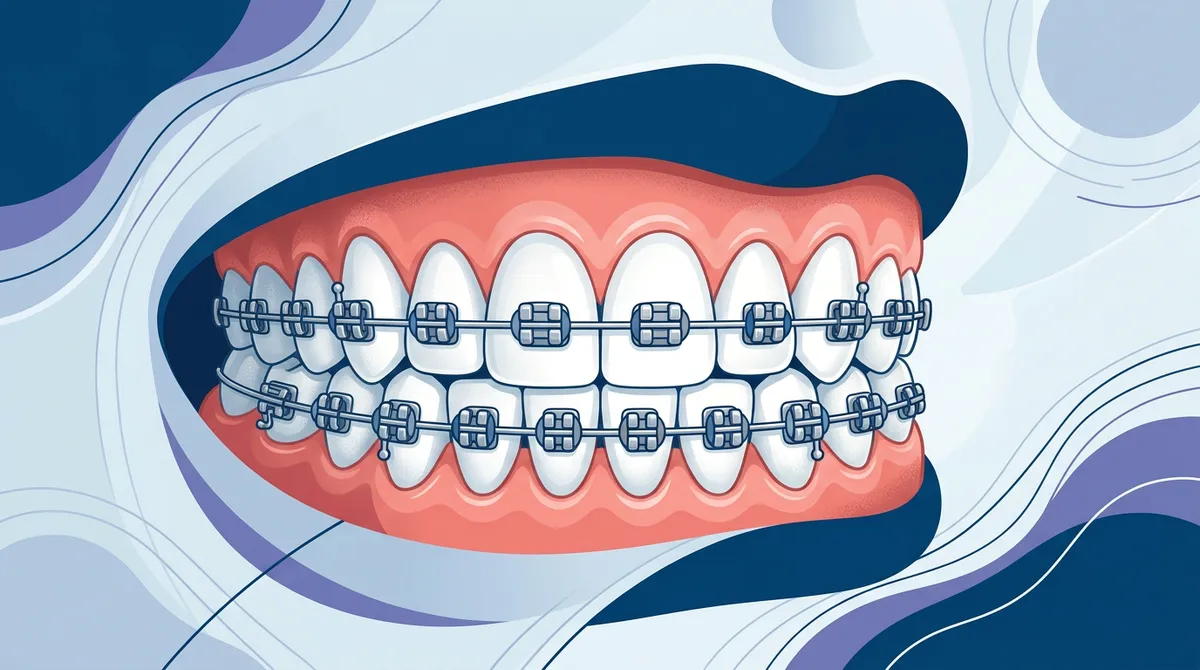
Orthodontic braces have been a trusted treatment for decades. They use metal or ceramic brackets bonded to your teeth, connected by wires that gradually shift teeth into alignment. Modern braces are far more advanced than older versions.
Thanks to 2026 AAO guidelines, today’s braces use biologically sensible light forces. This means less pressure on your teeth and gums, reducing discomfort during treatment. Self-ligating brackets also reduce friction, which can shorten overall treatment time.
Braces are fixed to your teeth, meaning they work around the clock without any action required on your part. This makes them an especially reliable option for children and teens who may not consistently wear removable appliances.
What Are Clear Aligners?
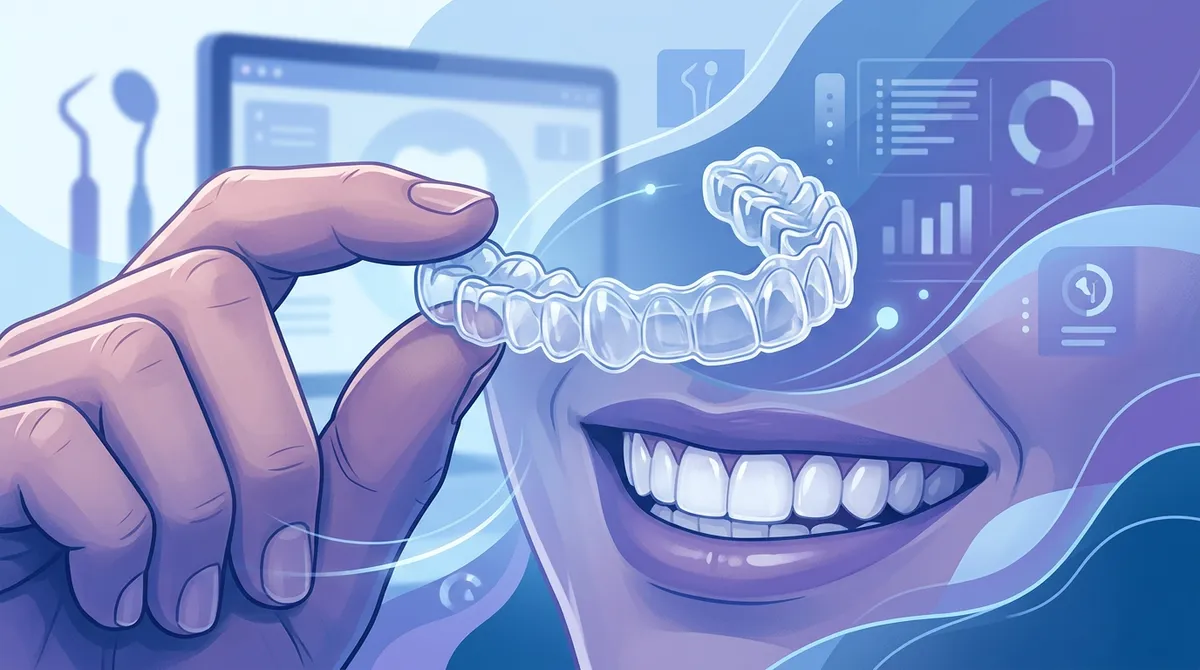
Clear aligners are a modern approach to straightening teeth. They use a series of custom-made, removable plastic trays that gradually shift teeth into place. Each tray is worn for about one to two weeks before moving to the next in the series.
Aligners are nearly invisible, making them a popular choice for adults and image-conscious teens. Since they’re removable, you can eat, brush, and floss without any restrictions. Learn more about what clear aligners are and how they work in detail.
In 2026, aligner technology has advanced significantly. AI-driven planning tools analyze your digital scans to map out the most precise treatment path possible. 3D printing allows for fully customized trays that fit your teeth with exceptional accuracy.
Head-to-Head Comparison
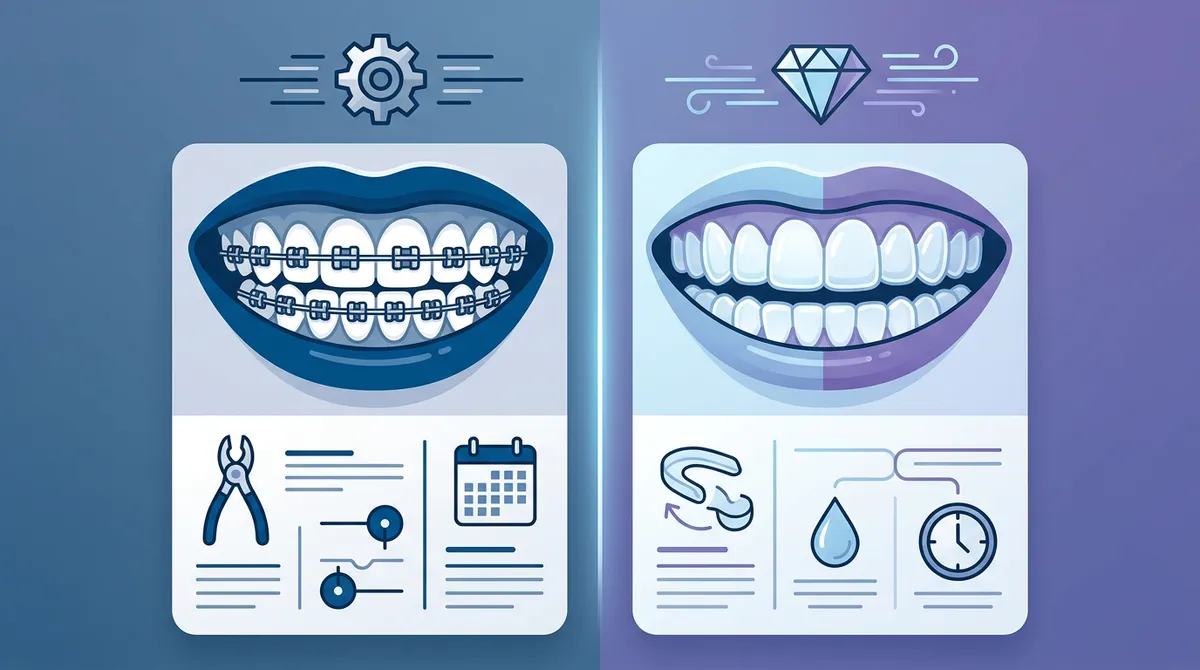
Here’s a side-by-side look at how traditional braces and clear aligners stack up across the most important factors for patients and parents.
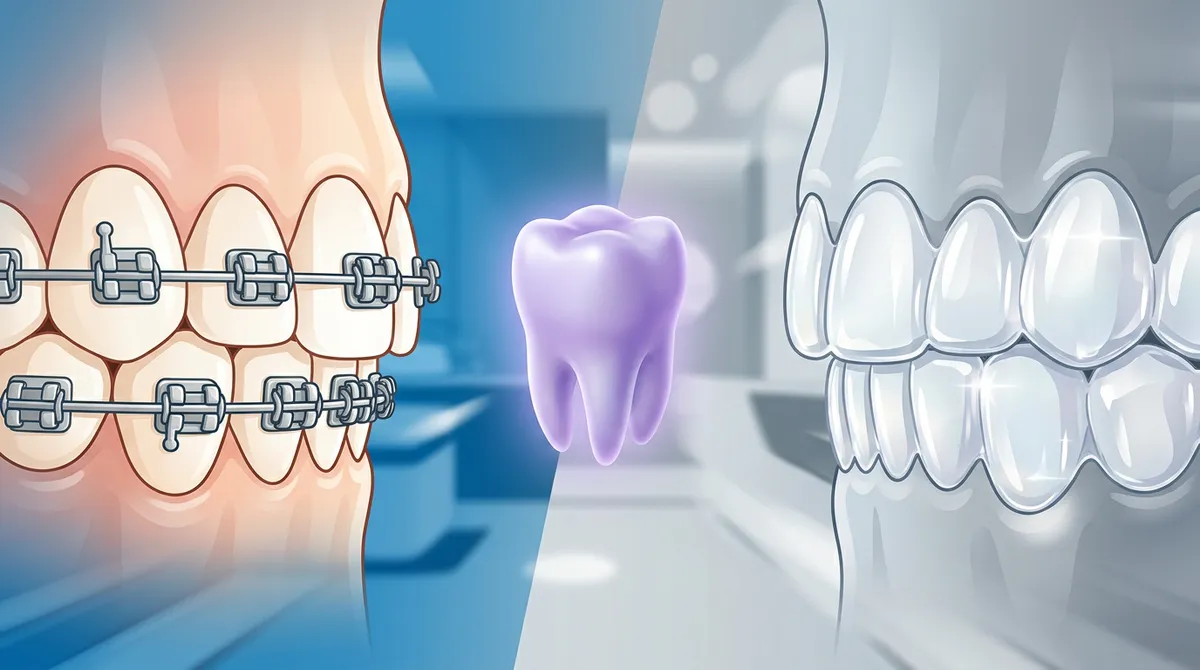
| Factor | Traditional Braces | Clear Aligners |
|---|---|---|
| Visibility | Noticeable (metal or ceramic) | Nearly invisible |
| Removability | Fixed (not removable) | Removable for eating/cleaning |
| Compliance Required | Low (works automatically) | High (must wear 20-22 hrs/day) |
| Best For | Complex cases, kids, teens | Mild-moderate cases, adults |
| Comfort | Improved with light-force tech | Smooth plastic, no brackets |
| Diet Restrictions | Yes (avoid hard/sticky foods) | None (remove to eat) |
| Office Visits | Regular adjustments needed | Reduced with remote monitoring |
| Treatment Time | Typically 18-30 months | Typically 12-24 months |
Who Should Choose Traditional Braces?
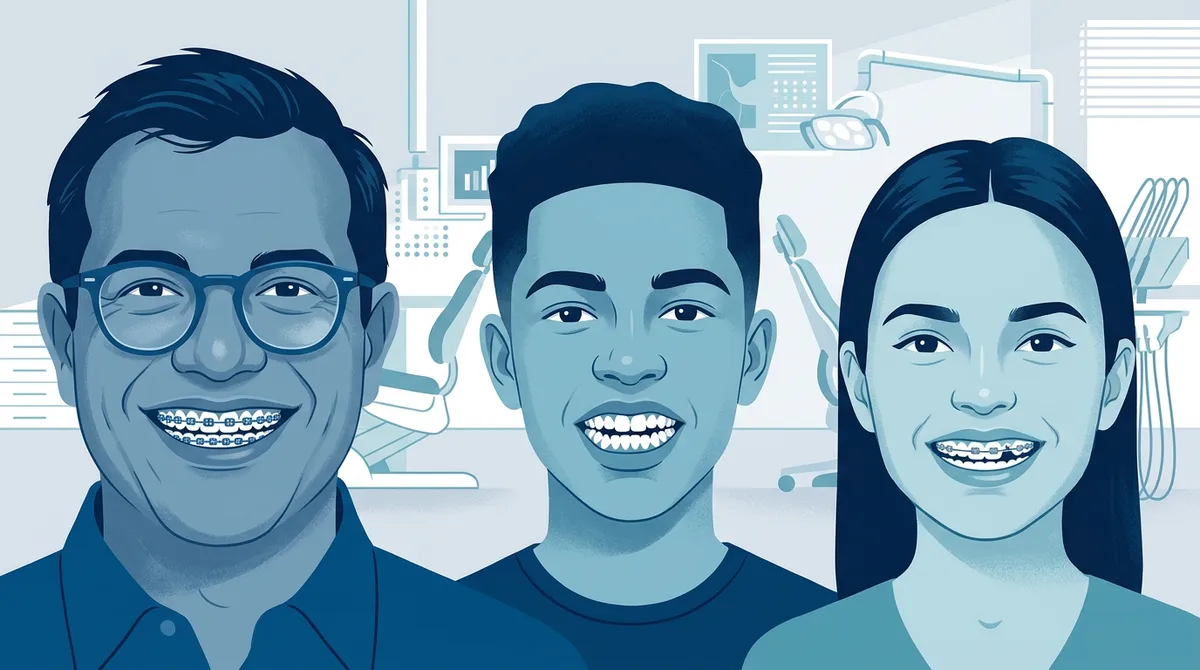
Braces remain the gold standard for complex orthodontic cases. They offer precise control over tooth movement that no other appliance can match. Here are patients who tend to benefit most from custom braces:
- Children aged 7-12 who need early intervention or guided jaw development
- Teens with complex bite issues such as severe overbites, underbites, or crossbites
- Patients with significant crowding or large gaps that require major tooth movement
- Anyone who struggles with consistency, since braces work continuously without the need for patient compliance
Parents often prefer braces for younger children because there’s no worry about whether the appliance is being worn properly. Braces do the work no matter what. Explore our dedicated children’s orthodontic care page to learn more about early treatment options.
Who Should Choose Clear Aligners?
Clear aligners have become incredibly popular in 2026, especially among working professionals and adults. Their discreet design and flexibility make them ideal for certain patients. Consider aligners if you fit this profile:
- Adults and professionals who want to straighten teeth without visible hardware
- Teens and young adults with mild to moderate alignment issues who are highly motivated
- Patients returning after orthodontic relapse who need minor correction
- Anyone with an active lifestyle who plays sports or musical instruments
- Patients who prioritize easy oral hygiene during treatment
Remote monitoring apps have transformed aligner treatment in 2026. Instead of 20+ office visits over a two-year treatment, most patients only need 8 to 12 visits. This is a major advantage for busy adults. Explore our clear aligners page to see if this option is right for you.
Technology Making Both Options Better in 2026
Regardless of which treatment you choose, today’s orthodontics is more advanced than ever. Several key technologies are improving outcomes for both braces and aligner patients.
| Technology | How It Helps | Applies To |
|---|---|---|
| AI Treatment Planning | Detects issues early, optimizes movement plans, reduces errors | Both braces and aligners |
| 3D Printing | Creates custom brackets, trays, and bonding tools for better fit | Both braces and aligners |
| Digital Scanning | Replaces messy molds with precise optical scans | Both braces and aligners |
| Remote Monitoring | Reduces in-office visits from 20+ to just 8-12 for two-year treatment | Primarily aligners |
| Microperforations | Stimulates bone remodeling for faster tooth movement | Both braces and aligners |
| Pain Reduction Tech | Devices like Synapse Pain Eraser minimize discomfort during treatment | Both braces and aligners |
Digital scanning is one of the biggest quality-of-life improvements in recent years. Gone are the days of uncomfortable goopy molds. Today, a quick optical scan captures precise measurements and even shows you a simulation of your end result before treatment begins.
Cost and Insurance Considerations
Cost is often a deciding factor for many families and individuals. While prices vary by provider and case complexity, here’s a general overview to help you plan.
| Treatment Type | Estimated Cost Range | Insurance Coverage |
|---|---|---|
| Metal Braces | $3,000 – $6,000 | Often partially covered |
| Ceramic Braces | $4,000 – $7,000 | Sometimes partially covered |
| Clear Aligners | $3,500 – $8,000 | Coverage varies by plan |
Many orthodontic practices offer flexible payment plans to help spread the cost over time. It’s also worth checking your insurance coverage before your consultation, as many dental plans include an orthodontic benefit.
What to Expect at Your First Visit
No matter which treatment you’re leaning toward, your journey starts with a professional evaluation. During your first visit at Chacon Orthodontics, our team will take digital scans and X-rays, review your bite and alignment, and walk you through all available options.
This is a great time to ask questions and voice any concerns. Treatment planning is a collaborative process. You’ll leave with a clear picture of what to expect, including timelines, costs, and what your smile could look like at the end.
You can also schedule a complimentary consultation to get started without any pressure or commitment. Our goal is to make sure you feel informed and confident every step of the way.
Life After Orthodontic Treatment: Keeping Your Smile
Finishing orthodontic treatment is a major milestone. But the work doesn’t end there. Wearing a retainer after treatment is essential for maintaining your results long-term.
Without a retainer, teeth can gradually shift back toward their original positions. This is called orthodontic relapse, and it’s more common than most people realize. Learn about clear retainers and how they protect your smile after treatment ends.
Many patients also choose to brighten their smile with professional teeth whitening once their orthodontic treatment is complete. It’s the perfect finishing touch after months of hard work.
Making the Right Choice for Your Smile
There is no single “best” orthodontic treatment for everyone. The right choice depends on your specific needs, goals, and lifestyle. Here’s a quick summary to help guide your decision:
- Choose traditional braces if you have a complex case, are treating a young child, or prefer a hands-off approach to compliance.
- Choose clear aligners if you’re an adult or motivated teen with a mild to moderate case who values discretion and flexibility.
- Ask about advanced technology like digital scanning, AI planning, and remote monitoring regardless of which option you choose.
- Review cost and insurance options early so you can plan your budget with confidence.
- Consult with an experienced orthodontist who can evaluate your individual situation and recommend the right path forward.
To explore the full range of types of orthodontic appliances available today, visit our resource library. You can also read our complete guide to types of braces for an even deeper dive into your options.
We invite you to visit us on Google to read what our patients in Westchase are saying. Hundreds of families have trusted Chacon Orthodontics with their smiles, and we’d love to help yours too.
Ready to take the first step? Claim your free consultation today and let our team help you find the best orthodontic treatment path for a confident, lasting smile.
FAQs
Q: What is the most important factor when choosing an orthodontic treatment?
A: The most important factor is the complexity of your dental case. Traditional braces handle severe alignment and bite issues better, while clear aligners work best for mild to moderate cases. Your orthodontist will evaluate your specific needs and recommend the most effective option.
Q: How has orthodontic treatment changed in 2026?
A: In 2026, orthodontic treatment uses AI-driven planning, 3D printing, and digital scanning to create more precise, customized care. Remote monitoring apps have also reduced the number of required office visits from 20+ down to just 8-12 for a typical two-year treatment, making the process far more convenient.
Q: Are clear aligners as effective as traditional braces?
A: For mild to moderate cases, clear aligners can be just as effective as traditional braces. However, braces tend to offer more precise control for complex bite issues and significant crowding. The key is wearing aligners consistently for 20-22 hours per day to achieve the best results.
Q: At what age should a child start orthodontic treatment?
A: The American Association of Orthodontists recommends an initial orthodontic evaluation by age 7. Early assessment allows orthodontists to identify developing issues and plan timely intervention. However, most active orthodontic treatment begins between ages 9 and 14, depending on jaw and dental development.
Q: Do I need a retainer after orthodontic treatment is complete?
A: Yes, wearing a retainer after orthodontic treatment is essential. Without it, teeth can gradually shift back toward their original positions — a process known as orthodontic relapse. Most orthodontists recommend wearing retainers consistently, especially during the first year after treatment ends.