Key Takeaways
-
Verify that your orthodontist is board-certified by the American Association of Orthodontists (AAO), not just a general dentist offering orthodontic services, to ensure specialized expertise and quality care.
-
Choose an office with modern technology like 3D imaging and AI-assisted treatment planning, which reduce office visits and improve accuracy compared to traditional approaches.
-
The AAO recommends children have their first orthodontic evaluation around age 7 to detect and prevent costly jaw development and alignment issues before they worsen.
-
Compare treatment options: traditional braces work best for complex cases, while clear aligners suit mild-to-moderate cases and adults who prefer discretion and removability.
-
Look for offices offering flexible payment plans and insurance acceptance; orthodontic treatment typically ranges from $3,000-$7,000, making affordability options crucial for most patients.
-
Check online reviews focusing on staff friendliness, communication clarity, and treatment results; initial consultations are usually free, so you can evaluate the fit before committing.
Searching for an orthodontic office near me is one of the most common things people do when they decide it’s time to improve their smile. Whether you’re a parent looking for your child’s first checkup, a teenager ready for braces, or an adult wanting straighter teeth, finding the right orthodontist matters. The office you choose will guide your treatment for months or even years, so it’s worth taking the time to find the best fit.
In 2026, orthodontic care has evolved dramatically. New technology, flexible scheduling, and a wide range of treatment options make it easier than ever to get the smile you’ve always wanted. This guide walks you through everything you need to know — from what to look for in an orthodontic office to what happens on your first visit.
What Does an Orthodontic Office Actually Do?
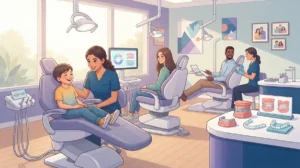
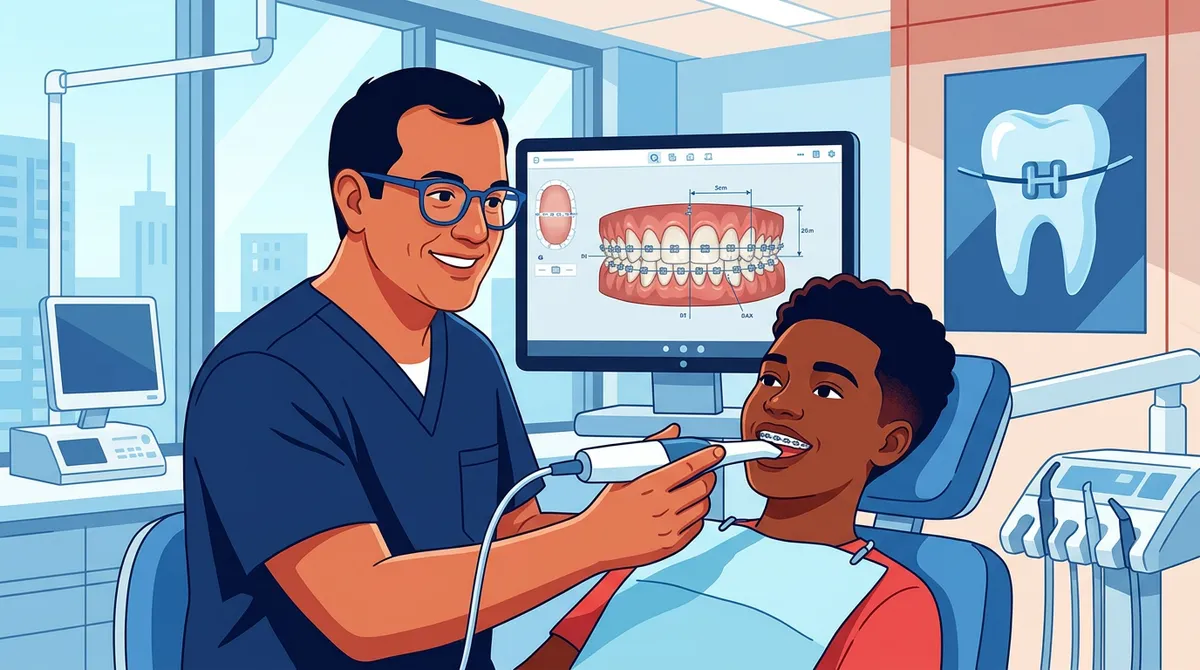
Orthodontics is a dental specialty focused on correcting misaligned teeth and jaws. An orthodontic office is different from a general dental office. Orthodontists complete two to three extra years of specialized training after dental school. This means they focus entirely on straightening teeth and correcting bite issues.
When you visit an orthodontic office, you can expect access to a range of treatments. These include traditional custom braces, clear aligners, retainers, and in some cases, surgical options for jaw corrections. No referral is typically needed to book a consultation, making it simple to get started.
Common Treatments Offered at Orthodontic Offices
- Metal braces: Durable and effective for complex cases
- Clear aligners: Removable trays that are nearly invisible
- Ceramic braces: Tooth-colored brackets for a subtle look
- Retainers: Worn after treatment to maintain results
- Teeth whitening: Offered as a cosmetic add-on at many offices
- Interceptive orthodontics: Early treatment for children to prevent bigger problems
If you’re curious about what appliances are commonly used, check out this helpful guide on the types of orthodontic appliances available today.
Key Factors to Look for in an Orthodontic Office Near You
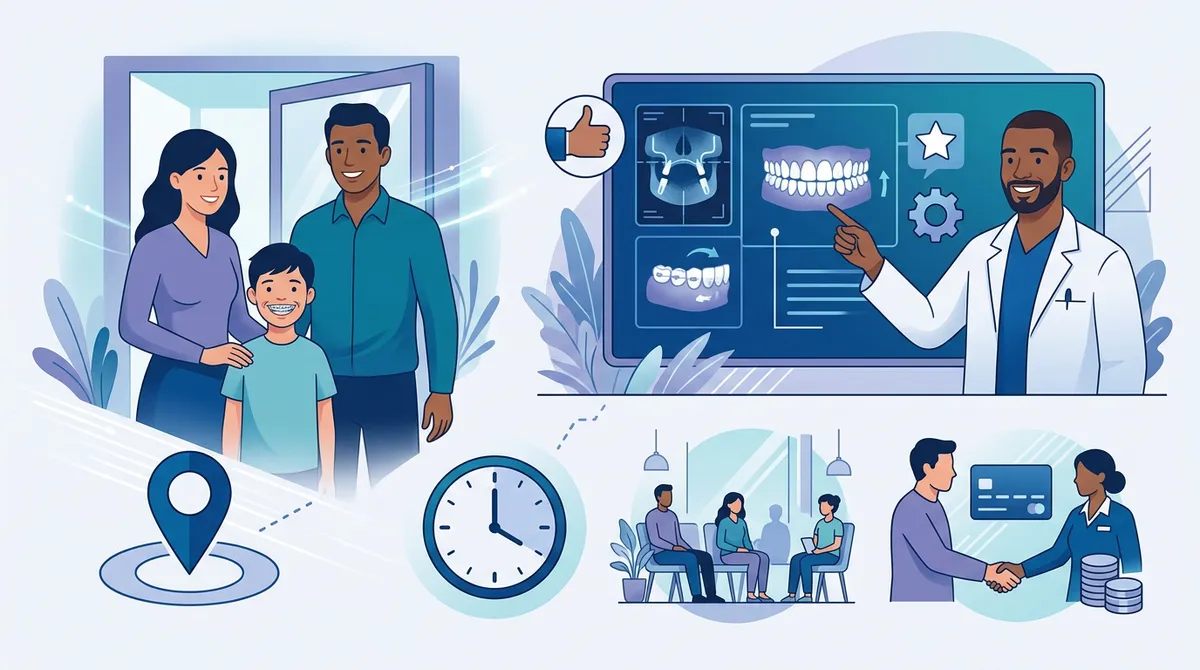
Not all orthodontic offices are the same. Before you book your first appointment, consider these important factors to make sure you’re choosing the right place for your care.
1. Credentials and Experience
Always confirm that the provider is a licensed orthodontist, not just a general dentist offering orthodontic services. The American Association of Orthodontists (AAO) recommends seeking a board-certified specialist for the best results. The AAO also warns against at-home treatments that lack professional oversight.
2. Range of Treatment Options
A good orthodontic office should offer multiple treatment paths. Whether you want orthodontic braces or prefer the flexibility of clear aligners, having options means your treatment plan can be tailored to your specific needs and lifestyle.
3. Technology and Modern Approach
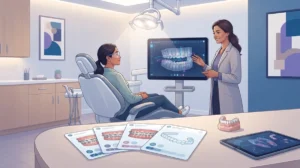
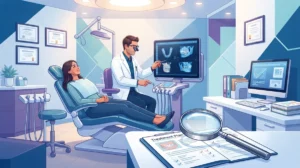
In 2026, the best orthodontic offices use advanced digital tools. Look for offices that offer 3D imaging, AI-assisted treatment planning, and digital workflows. These technologies reduce the number of office visits needed and lead to more accurate results.
4. Flexible Payment Options
Orthodontic treatment is an investment. Look for an office that accepts your insurance and offers payment plans to make treatment affordable. You can also check what insurance options they work with before your first visit.
5. Positive Reviews and Reputation
Online reviews are a great way to gauge patient satisfaction. Look for consistent feedback about friendly staff, clear communication, and great results. You can read our reviews on Google to get a sense of what real patients are saying about their experience.
What to Expect During Your First Orthodontic Visit
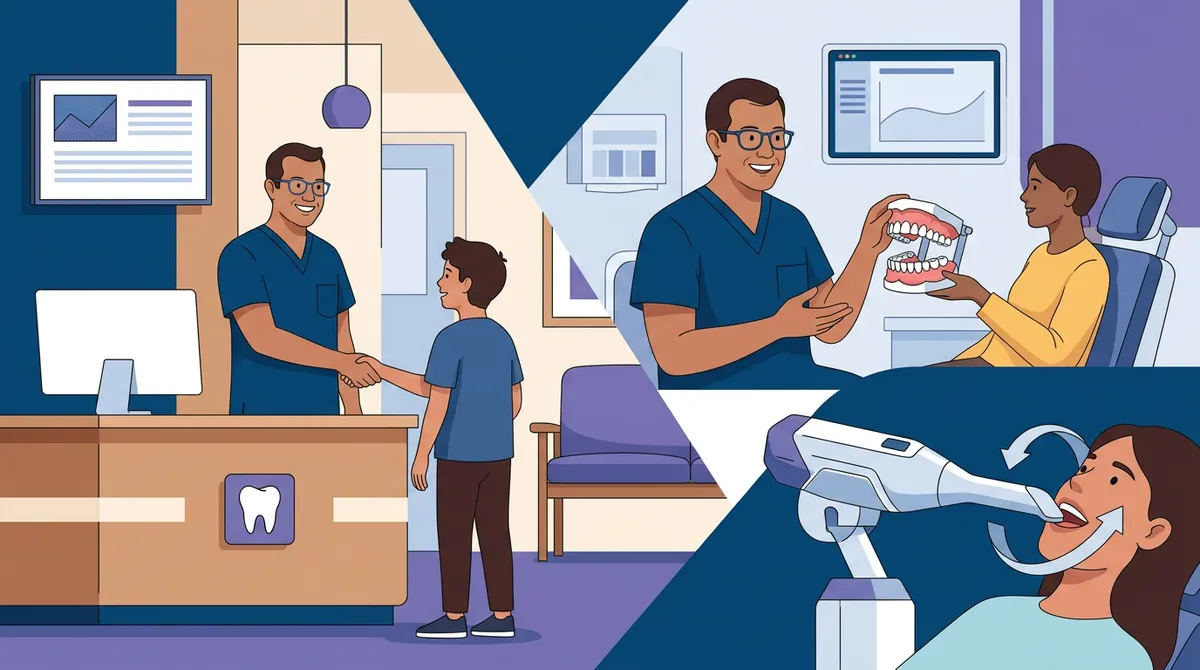
Many people feel nervous before their first orthodontic appointment. Knowing what to expect can put your mind at ease. Learn more on the your first visit page before you go.
Here’s a simple step-by-step breakdown of what typically happens:
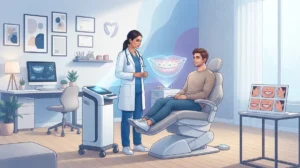
- Initial consultation: The orthodontist reviews your dental history and discusses your goals.
- Digital imaging: X-rays and 3D scans are taken to map your teeth and jaw structure.
- Diagnosis: The orthodontist identifies any alignment or bite issues.
- Treatment plan presentation: You receive a personalized plan with options, timelines, and costs.
- Questions and next steps: You get the chance to ask questions before committing to treatment.
Most initial consultations are free or low-cost. There’s no pressure to start treatment right away, so take your time making a decision.
Who Needs Orthodontic Treatment?
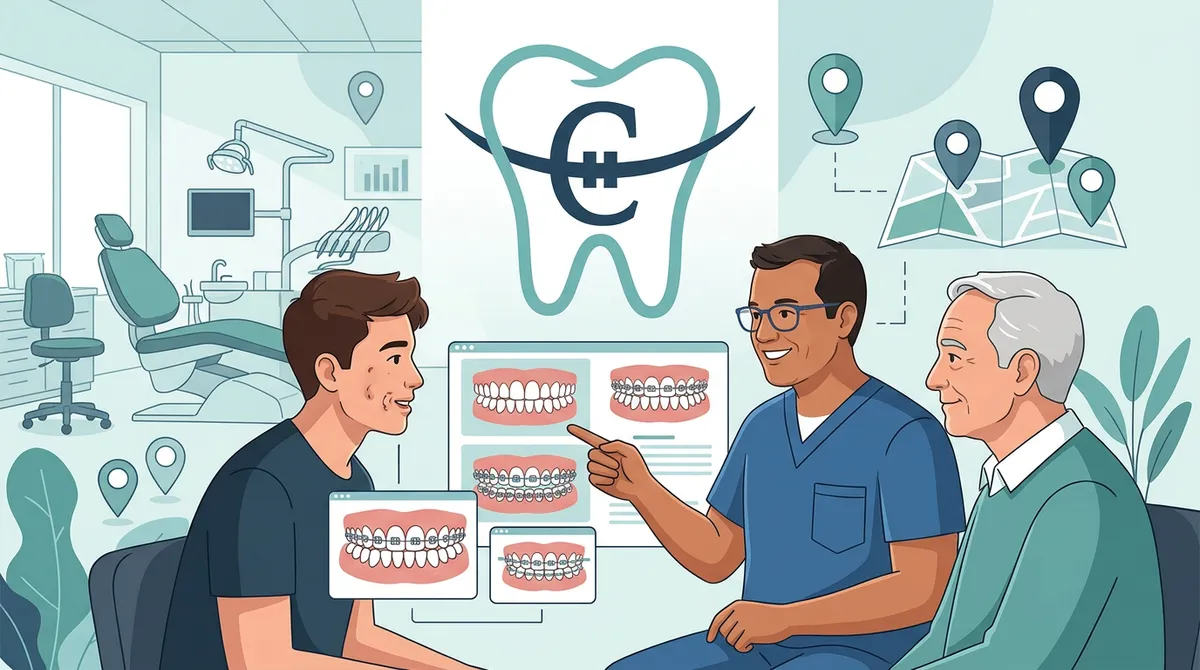
Orthodontic treatment isn’t just for teenagers. It benefits people of all ages. Here’s a quick look at who typically seeks care and what they need:
| Age Group | Common Concerns | Recommended Treatment |
|---|---|---|
| Children (7-12) | Overcrowding, bite issues, jaw development | Interceptive orthodontics, expanders |
| Teenagers (13-19) | Crooked teeth, gaps, self-confidence | Braces or clear aligners |
| Adults (20-45) | Relapse, aesthetics, discreet treatment | Clear aligners, ceramic braces |
| Older Adults (45+) | Bite correction, cosmetic improvement | Custom braces, aligners, whitening |
Chacon Orthodontics serves children, teens, and adults in the Westchase, Florida area, providing personalized care for every stage of life.
The Role of Technology in Modern Orthodontic Offices
The orthodontic industry is changing fast. In 2026, digital tools are reshaping how offices diagnose, plan, and deliver treatment. Here’s a look at the key technologies now being used:
| Technology | What It Does | Patient Benefit |
|---|---|---|
| AI Diagnostics | Analyzes scans to detect issues faster | More accurate treatment plans |
| 3D Printing | Creates custom appliances on-site | Faster delivery, better fit |
| Teleorthodontics | Virtual check-ins via photos or video | Fewer in-office visits needed |
| Digital Workflow | Streamlines records, imaging, and planning | Shorter appointments, better results |
These innovations help reduce the number of appointments you need. For example, Invisalign check-ups can now happen every 6 to 12 weeks, and some offices even offer photo-based virtual tracking between visits.
How Often Will You Need to Visit?
One of the most common questions people ask when searching for an orthodontic office near me is how much time treatment will take. Here’s a general overview of visit frequency by treatment type:
- Metal braces: Adjustments every 4 to 8 weeks
- Clear aligners: Check-ups every 6 to 12 weeks
- Retainer checks: Once or twice a year after active treatment
- Virtual monitoring: Available at some offices to reduce in-person visits
Treatment length varies by case complexity. Simple cases may take 12 to 18 months. More complex corrections can take 2 to 3 years. Your orthodontist will give you a clear timeline during your consultation.
Understanding the Orthodontic Market in 2026
The demand for orthodontic services is growing. The global orthodontic services market is valued at approximately USD 8.98 billion in 2026, and it’s projected to reach USD 20.48 billion by 2033. This growth is driven by rising awareness of dental health, early intervention programs for children, and new technology that makes treatment more accessible.
Preventive and interceptive orthodontics — the type focused on early treatment in children — holds the largest market share at 41% in 2026. This underscores the importance of bringing your child in for an evaluation early, ideally around age 7 as recommended by the AAO.
Patient starts in orthodontics are showing positive growth in 2026 after three years of decline. This is good news for anyone who has been putting off treatment — offices are well-stocked, well-staffed, and ready to take new patients.
Braces vs. Clear Aligners: Which Is Right for You?
One of the biggest decisions you’ll make when choosing orthodontic treatment is whether to go with braces or clear aligners. Both are highly effective, but they work differently. Here’s a simple comparison:
| Feature | Braces | Clear Aligners |
|---|---|---|
| Visibility | Noticeable (or subtle with ceramic) | Nearly invisible |
| Removability | Fixed in place | Removable for eating and brushing |
| Best For | Complex corrections, all ages | Mild to moderate cases, adults, teens |
| Maintenance | Avoid certain foods, extra brushing | Clean trays daily, wear 20-22 hrs/day |
| Comfort | Some initial soreness | Generally more comfortable |
For more detail, explore this complete guide to orthodontic options or learn more about what clear aligners are and how they work. If you’re an adult weighing your options, this article on clear aligner benefits adults are choosing may also be helpful.
Why Choose a Local, Independent Orthodontic Office?
In 2026, large corporate dental organizations (called DSOs) are expanding quickly. While they offer convenience, many patients prefer the personalized care of an independent, local practice. A local orthodontic office near you often means:
- A consistent provider who knows your full history
- More flexible scheduling and communication
- A community-focused approach to care
- Personalized treatment plans, not one-size-fits-all protocols
At Chacon Orthodontics, led by Dr. Chacon and supported by a dedicated team, patients in Westchase, Florida receive individualized attention at every stage of treatment. From your first visit to your final retainer check, you’re treated like family. Visit us on Google to learn more about our location and office.
Want to understand what sets this practice apart? Visit the why choose Chacon Orthodontics page for a full overview.
Ready to Find Your Orthodontic Office?
Finding the right orthodontic office near me doesn’t have to be overwhelming. Focus on credentials, treatment options, modern technology, and patient reviews. Make sure the office feels welcoming and that the team communicates clearly with you. Whether you’re looking for braces, clear aligners, retainers, or even teeth whitening, the right office will have a solution tailored to your smile goals.
The best time to start your orthodontic journey is now. Don’t wait until issues get worse or more expensive to fix. If you’re in the Westchase, Florida area, take the first step today and schedule your free consultation with Chacon Orthodontics. A straighter, healthier smile is closer than you think.
FAQs
Q: Do I need a referral to visit an orthodontic office near me?
A: No referral is typically required to book a consultation at an orthodontic office. You can contact an orthodontist directly to schedule your first appointment. Most offices also offer free or low-cost initial consultations to review your needs.
Q: At what age should my child first see an orthodontist?
A: The American Association of Orthodontists recommends that children have their first orthodontic evaluation around age 7. Early evaluations allow orthodontists to detect potential issues with jaw development and tooth alignment before they become more complex and costly to treat.
Q: How much does orthodontic treatment cost in 2026?
A: Orthodontic treatment costs vary depending on the type of treatment, case complexity, and your location. Traditional braces typically range from $3,000 to $7,000, while clear aligners may be priced similarly. Many offices offer flexible payment plans and accept insurance to help manage costs.
Q: What is the difference between an orthodontist and a general dentist?
A: A general dentist provides routine dental care like cleanings and fillings, while an orthodontist specializes in diagnosing and correcting misaligned teeth and jaws. Orthodontists complete two to three additional years of specialized training beyond dental school, focusing entirely on orthodontic treatment.
Q: How long does orthodontic treatment typically take?
A: Treatment length depends on the complexity of your case. Simple cases may be completed in 12 to 18 months, while more complex corrections can take two to three years. Your orthodontist will give you a personalized timeline during your initial consultation.