

Key Takeaways
-
Modern orthodontic consultations use advanced digital imaging and 3D intraoral scanning instead of messy impression trays, giving you real-time visualization of your bite and alignment issues on screen.
-
The American Association of Orthodontists recommends children have their first screening by age 7 to catch jaw development issues early and potentially avoid extractions or surgery later.
-
Your personalized treatment plan will include an estimated timeline with adjustment visits every 4-6 weeks, tailored to your specific age, goals, and bite complexity rather than a one-size-fits-all approach.
-
Modern orthodontists now assess airway health and holistic factors beyond tooth alignment, identifying breathing issues early that could require more complex treatment if left undetected.
-
Consultations typically last 45-60 minutes and conclude with a clear cost estimate, insurance coverage breakdown, and flexible payment plan options to make treatment accessible for most families.
-
Bring your insurance card, photo ID, current medications list, and any previous dental X-rays to streamline the intake process and maximize your consultation efficiency.
Booking your first orthodontic consultation can feel a little overwhelming — especially if you’re not sure what happens once you walk through the door. Whether you’re a parent scheduling an appointment for your child, a teen ready to start treatment, or an adult looking to finally fix your smile, knowing what to expect makes the whole experience easier and less stressful.
In 2026, orthodontic consultations are more thorough and technology-driven than ever before. Digital scanning, 3D imaging, and personalized treatment planning have replaced many of the older, less comfortable methods. Most first visits last between 45 and 60 minutes, and by the end, you’ll walk away with a clear picture of your treatment options and next steps.
Here’s a detailed look at the 11 things you can expect at your orthodontic consultation — so you can show up prepared and confident.
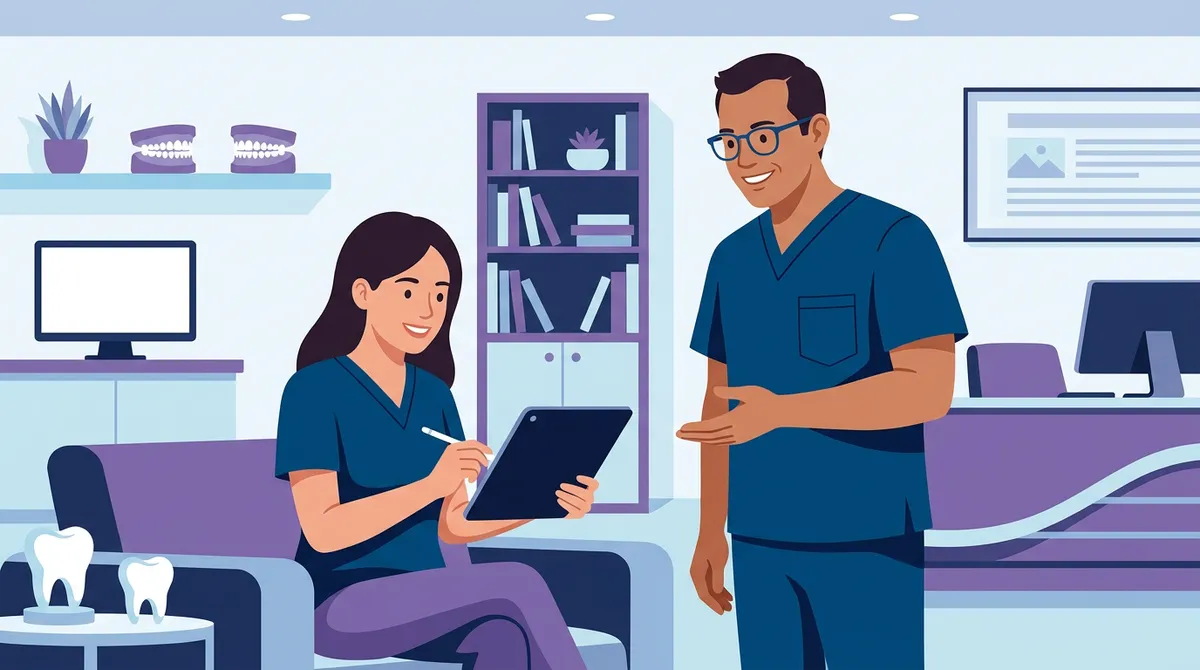
1. Completing Your Patient Intake Forms
Every orthodontic consultation begins with a little paperwork. You’ll fill out forms that cover your dental history, medical history, and insurance details. This information helps the orthodontic team understand your overall health and any factors that may affect your treatment.
To save time, bring your dental insurance card and a list of any medications you’re currently taking. You can also ask if forms are available to fill out online before your visit.
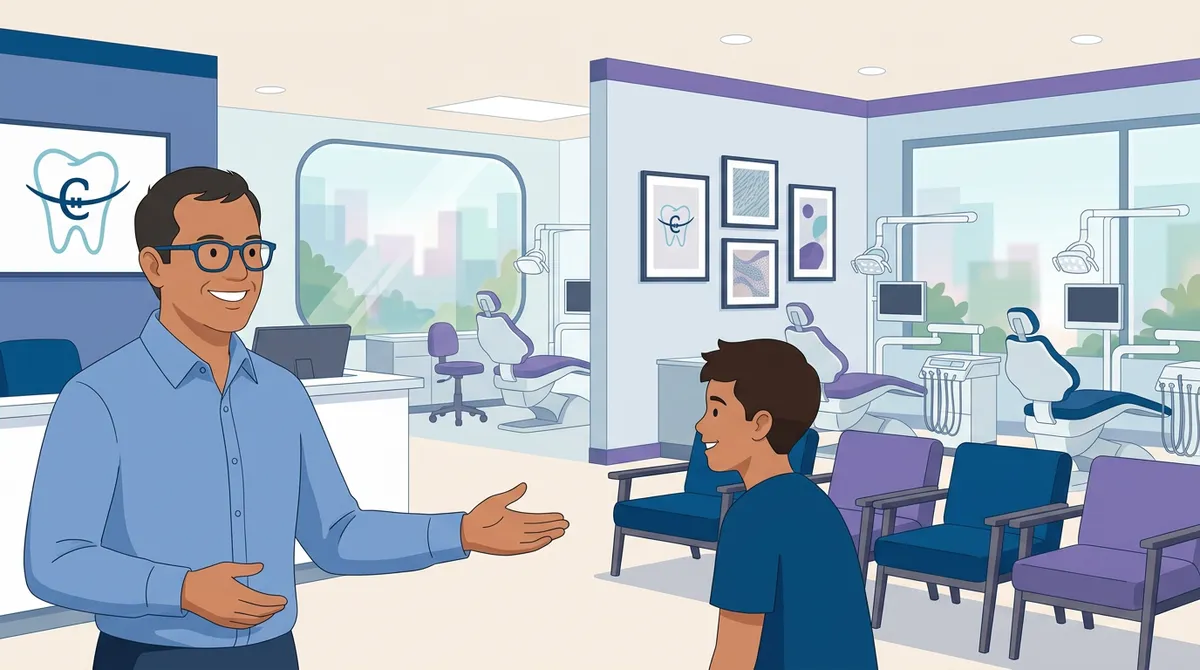
2. A Friendly Welcome and Office Tour
Most orthodontic offices take a few minutes to introduce you to the team and show you around. This is especially helpful for younger patients who may feel nervous. A welcoming environment sets the tone for a positive experience.
At your first visit to Chacon Orthodontics in Westchase, Florida, the friendly team takes time to make patients of all ages feel at ease right from the start.
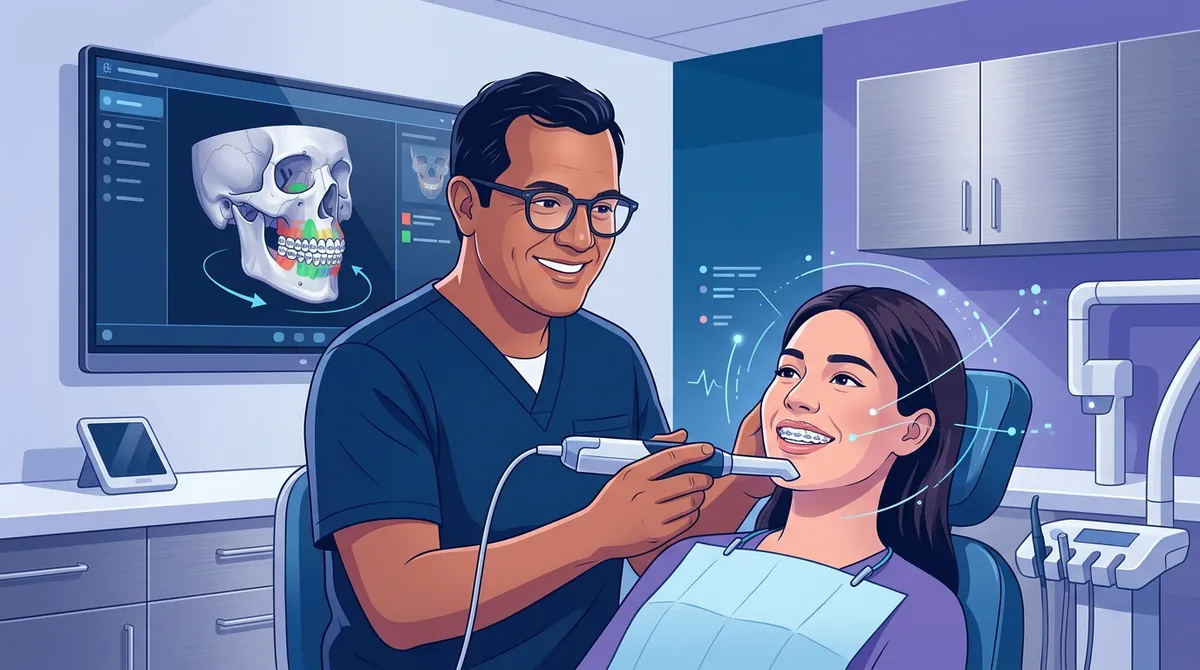
3. Digital Imaging and X-Rays
Modern orthodontic consultations use advanced digital imaging tools. You’ll likely have digital X-rays taken, which are faster and expose you to far less radiation than traditional film X-rays. These images give the orthodontist a clear look at your teeth roots and jawbone structure.
Many offices now use 3D cone beam computed tomography (CBCT) scanning for even greater precision. This technology provides unprecedented clarity of how your teeth, roots, and jaw all relate to each other — something a standard 2D X-ray simply cannot show.
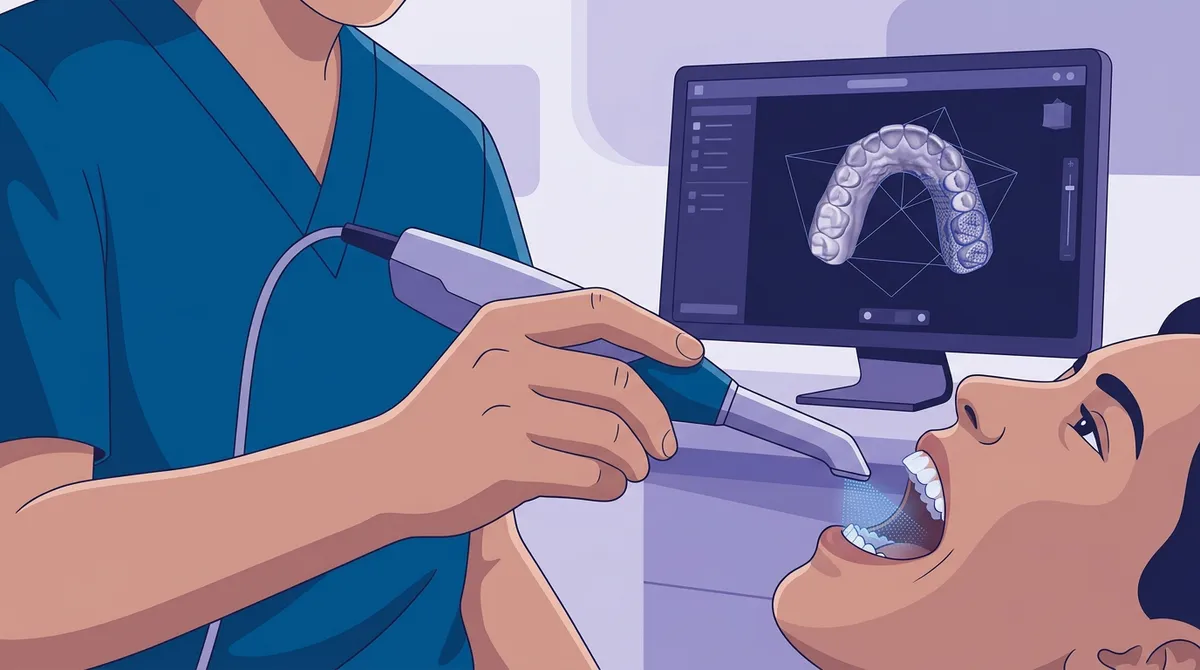
4. Intraoral 3D Scanning
Gone are the days of biting into messy impression trays. Today, orthodontists use a small handheld digital scanner to create a precise 3D model of your teeth and bite in just a few minutes. The process is comfortable and quick.
Best of all, you can often see your 3D scan displayed on a screen right away. This gives you a real-time view of your bite and any alignment issues — no waiting for results. These digital models are used to plan your treatment with incredible accuracy.
5. A Comprehensive Oral Examination
The orthodontist will then perform a full clinical examination. This includes evaluating your:
- Bite alignment (overbite, underbite, crossbite, open bite)
- Spacing between teeth (crowding or gaps)
- Jaw position and movement
- Facial symmetry and profile
- Overall oral health and gum condition
This part of the consultation is the foundation of everything that follows. The orthodontist uses these findings to identify exactly what needs to be corrected and how best to approach your care. Orthodontics is a specialty that addresses far more than just crooked teeth — it’s about the entire relationship between your teeth, jaw, and facial structure.
6. A Discussion of Treatment Options
Once the exam is complete, the orthodontist will walk you through your treatment options. This is one of the most important parts of the consultation. You’ll learn about the differences between various approaches and which ones are the best fit for your specific needs.
Common treatment options discussed include:
- Traditional metal braces — Durable, effective, and often the most affordable option
- Ceramic braces — Tooth-colored brackets that blend in with your smile
- Clear aligners — Removable, nearly invisible trays ideal for teens and adults
- Early intervention appliances — For younger children whose jaws are still growing
Each option has its own advantages depending on your age, lifestyle, and the complexity of your case. For adults with busy lives, clear aligners are often a popular choice because they’re discreet and removable. For teens needing reliable correction, custom braces remain a highly effective solution.
| Treatment Type | Best For | Visibility | Removable |
|---|---|---|---|
| Metal Braces | Kids, Teens, Adults | Visible | No |
| Ceramic Braces | Teens, Adults | Low visibility | No |
| Clear Aligners | Teens, Adults | Nearly invisible | Yes |
| Early Intervention | Children (age 7-10) | Varies | Sometimes |
7. Understanding Your Personalized Treatment Plan
Your orthodontist won’t just recommend a treatment — they’ll build a customized plan designed around your specific goals and bite issues. This plan includes an estimated timeline and a breakdown of each phase of treatment.
For example, patients with adult orthodontic needs often have different treatment timelines than growing children. The plan accounts for these differences. During active treatment, most patients visit the office for adjustments every 4 to 6 weeks.
8. Airway and Holistic Health Assessment
Modern orthodontics in 2026 goes beyond straightening teeth. Many orthodontists now evaluate airway health as part of the consultation. Narrow jaw arches and bite problems can contribute to breathing issues, including sleep-disordered breathing in children.
This shift toward proactive, holistic care means your orthodontist may discuss concerns beyond tooth alignment — especially for younger patients. Early detection of these issues can prevent the need for more complex treatment later in life.
9. Cost Breakdown and Payment Options
At the end of the clinical portion of your consultation, you’ll meet with a treatment coordinator to discuss costs. This is completely normal and expected — it’s not a pressure situation. You’ll receive a clear cost estimate based on your treatment plan.
Here’s what is typically covered in this conversation:
- Total estimated treatment cost
- What your dental insurance covers
- Available monthly payment plan options
- Any special offers or promotions
To learn more about what your plan may cover, you can review insurance details ahead of time. Flexible payment plans make orthodontic care accessible for most families and individuals.
| Financial Topic | What to Ask |
|---|---|
| Insurance coverage | What percentage of my treatment is covered? |
| Monthly payments | What are my payment plan options? |
| Down payment | Is a deposit required to start treatment? |
| Lifetime guarantee | Is there any warranty on my results? |
10. Early Orthodontic Consultations for Children
The American Association of Orthodontists (AAO) recommends that children have their first orthodontic screening no later than age 7. At this age, the jaw is still developing, which gives the orthodontist an opportunity to catch problems early.
Early intervention — also called Phase 1 treatment — can sometimes prevent the need for tooth extractions or jaw surgery down the road. If your child doesn’t need treatment right away, the orthodontist will simply monitor their growth over time. Parents can learn more about children’s orthodontic care to understand what early evaluations involve.
For teens, the consultation often happens when most permanent teeth have come in — typically between ages 11 and 14. This is the most common window for starting comprehensive orthodontic treatment.
| Age Group | Recommended First Consultation | Common Goals |
|---|---|---|
| Children (7-10) | By age 7 (AAO recommendation) | Monitor jaw growth, early intervention |
| Teens (11-17) | When most permanent teeth appear | Full alignment correction |
| Adults (18+) | Anytime | Aesthetic improvement, bite correction, retreatment |
11. Your Questions and Next Steps
The consultation closes with an open Q&A session. This is your chance to ask everything on your mind. Don’t hold back — there are no silly questions when it comes to your smile and health.
Here are some great questions to bring to your consultation:
- How long will my treatment take?
- What happens if I don’t treat this now?
- Will I need retainers after treatment?
- Is teeth whitening an option after my braces come off?
- What are the differences between clear aligners and orthodontic braces?
At the end of your appointment, you’ll receive a clear summary of the recommended treatment, a cost estimate, and guidance on when and how to start. If you’re ready to move forward, many offices can schedule your first treatment appointment the same day.
What to Bring to Your Orthodontic Consultation
Preparation makes the process smoother. Here’s a quick checklist of what to bring:
- Government-issued photo ID
- Dental insurance card
- Recent dental X-rays (if available)
- List of current medications
- List of questions or concerns
- Payment method for any co-pay or deposit
Why Choosing the Right Orthodontist Matters
The quality of your consultation often reflects the quality of the entire practice. An experienced orthodontist will take time to explain everything clearly, listen to your concerns, and build a plan that fits your unique needs — not a one-size-fits-all approach.
Dr. Chacon and our team at Chacon Orthodontics are committed to providing personalized care for patients of all ages in the Westchase, Florida area. Families consistently praise the welcoming atmosphere and thorough consultations — and you can read our reviews on Google to hear directly from patients who’ve experienced it firsthand.
Ready to Book Your Orthodontic Consultation?
Your smile is worth the investment of time and care. Whether you’re exploring treatment for yourself or your child, the first step is simply scheduling a visit. At Chacon Orthodontics, the process is straightforward, friendly, and built around your needs. Schedule your free consultation today and take the first step toward a confident, healthy smile that lasts a lifetime. You can also contact our team if you have questions before booking.
FAQs
Q: How long does an orthodontic consultation typically take?
A: Most orthodontic consultations last between 45 and 60 minutes. This time includes digital imaging, a clinical exam, a treatment discussion, and a conversation about costs and payment options.
Q: What should I bring to my orthodontic consultation?
A: Bring a photo ID, your dental insurance card, any recent dental X-rays, a list of medications you take, and a list of questions or concerns you want to discuss with the orthodontist.
Q: At what age should children have their first orthodontic consultation?
A: The American Association of Orthodontists recommends that children receive their first orthodontic screening by age 7. Early evaluations allow orthodontists to monitor jaw development and catch potential issues before they become more serious.
Q: Is an orthodontic consultation free?
A: Many orthodontic practices, including Chacon Orthodontics, offer a free initial consultation. It’s always worth calling ahead to confirm whether there is any cost associated with your first visit.
Q: What treatment options are typically discussed during an orthodontic consultation?
A: During a consultation, your orthodontist will typically discuss traditional metal braces, ceramic braces, clear aligners, and — for younger children — early intervention appliances. The best option depends on your age, lifestyle, and the complexity of your orthodontic needs.