Key Takeaways
-
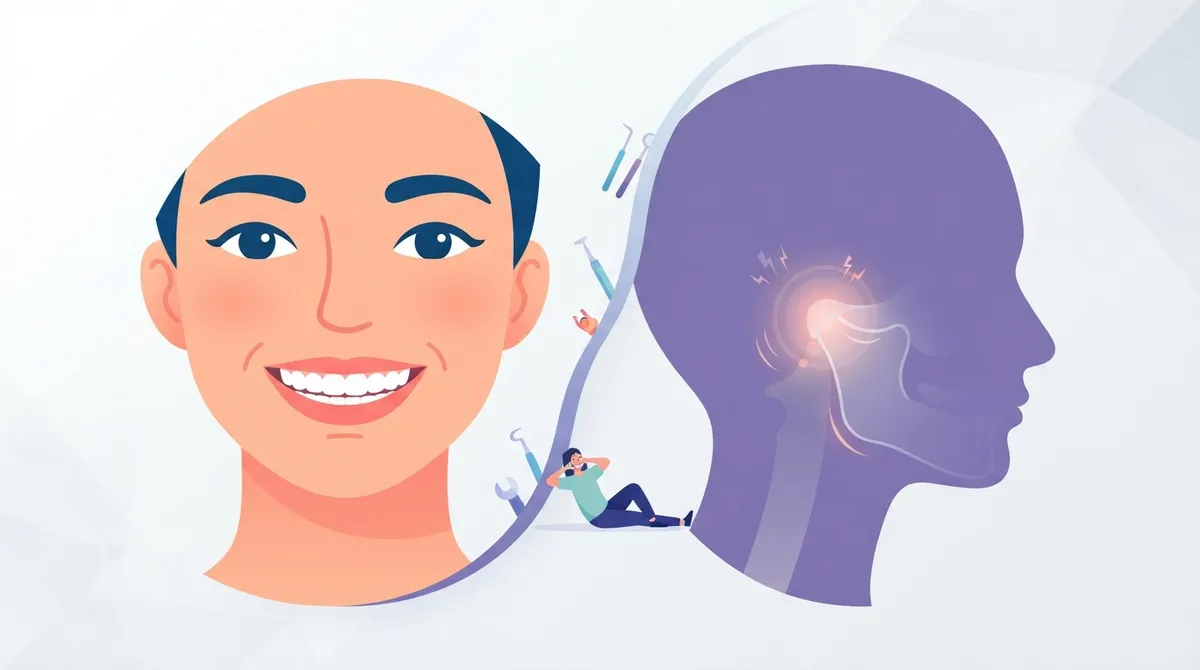
Orthodontists treat bite alignment issues like overbite, underbite, crossbite, and jaw growth problems, but are not the right specialist for jaw joint pain or TMD disorders.
-
Start with a general dentist or physician if experiencing painful clicking, locking, or jaw joint pain rather than an orthodontist, as these may indicate TMD requiring different expertise.
-
Current research does not support the claim that braces or correcting a bad bite cures jaw joint pain; conservative care like therapy and relaxation techniques are recommended first for TMD.
-
Braces and clear aligners can successfully correct overbites, underbites, crossbites, and open bites in many cases, especially when treated early during childhood or teen years.
-
Jaw surgery may be needed alongside orthodontics when jawbone misalignment exceeds clinical thresholds (such as overjet of 5+ millimeters or facial asymmetry greater than 3 millimeters).
-
A painless jaw click or pop is usually common and doesn't require treatment, but painful clicking, locking, restricted movement, or swelling warrants professional evaluation.
Do you ever catch yourself rubbing your jaw after a long day, wondering if that clicking sound is something to worry about? Maybe your child’s bite looks a little off, or you’ve noticed your face doesn’t quite look symmetrical in photos. You’re not alone in wondering who can help. Many families in Westchase and Brandon come to us with these exact questions, and we love helping them find answers.
Jaw problems can feel confusing because they cross into so many areas of health. Is it a dental issue? A muscle issue? Something more serious? The good news is that an orthodontist for jaw problems can be a wonderful first stop for many concerns, especially those tied to how your teeth and jaws fit together. In this article, we’ll walk through exactly what orthodontists treat, what they don’t, and how to know when it’s time to book an evaluation. Grab a cup of coffee and let’s dig in together.
What Does an Orthodontist for Jaw Problems Actually Treat?
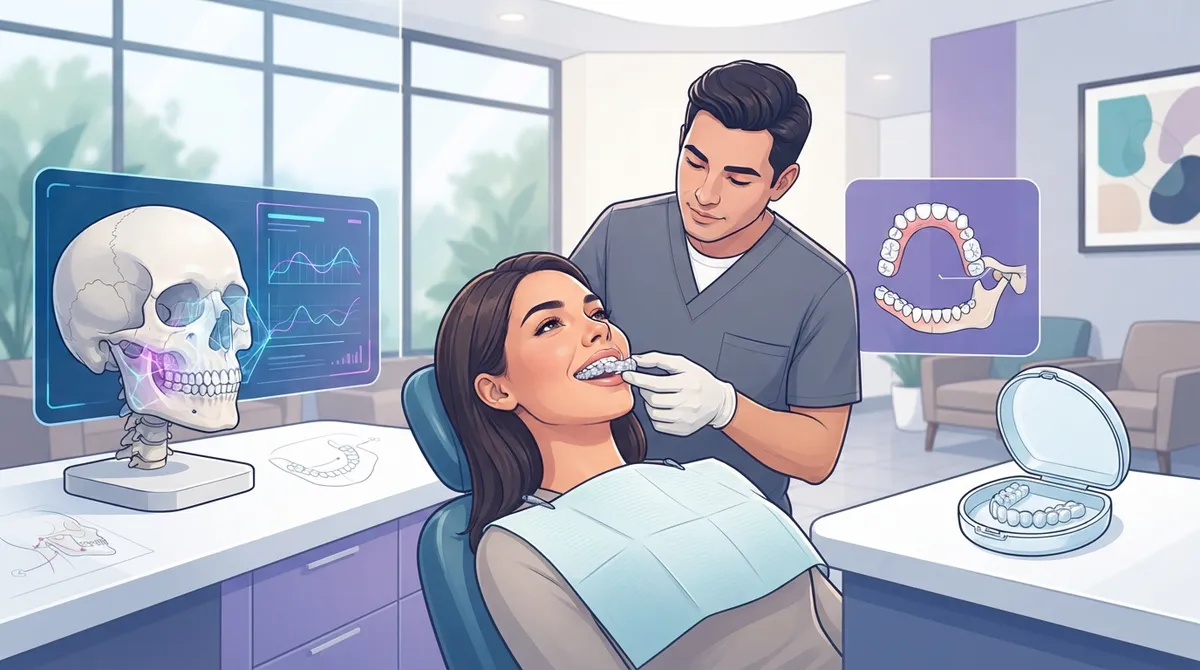
Orthodontists are dental specialists who focus on how teeth and jaws line up. Think of us as the experts in bite relationships and jaw growth patterns. We spend years training specifically in this area, on top of dental school, so we can spot problems early and guide treatment in the right direction.
Here are the jaw-related concerns an orthodontist commonly evaluates and treats:
- Overbite, where the upper teeth and jaw sit too far forward
- Underbite, where the lower jaw juts out past the upper teeth
- Crossbite, where upper and lower teeth don’t line up correctly side to side
- Open bite, where front teeth don’t touch when the mouth is closed
- Facial asymmetry linked to uneven jaw growth
- Jaw growth problems in growing children and teens
It’s important to know that orthodontists focus mainly on the relationship between teeth and jaws. We are not the right professional for every type of jaw pain or joint disorder. That distinction matters a lot, and we’ll explain why in the next section.
Orthodontist, Dentist, or Specialist: Who Should You See First?
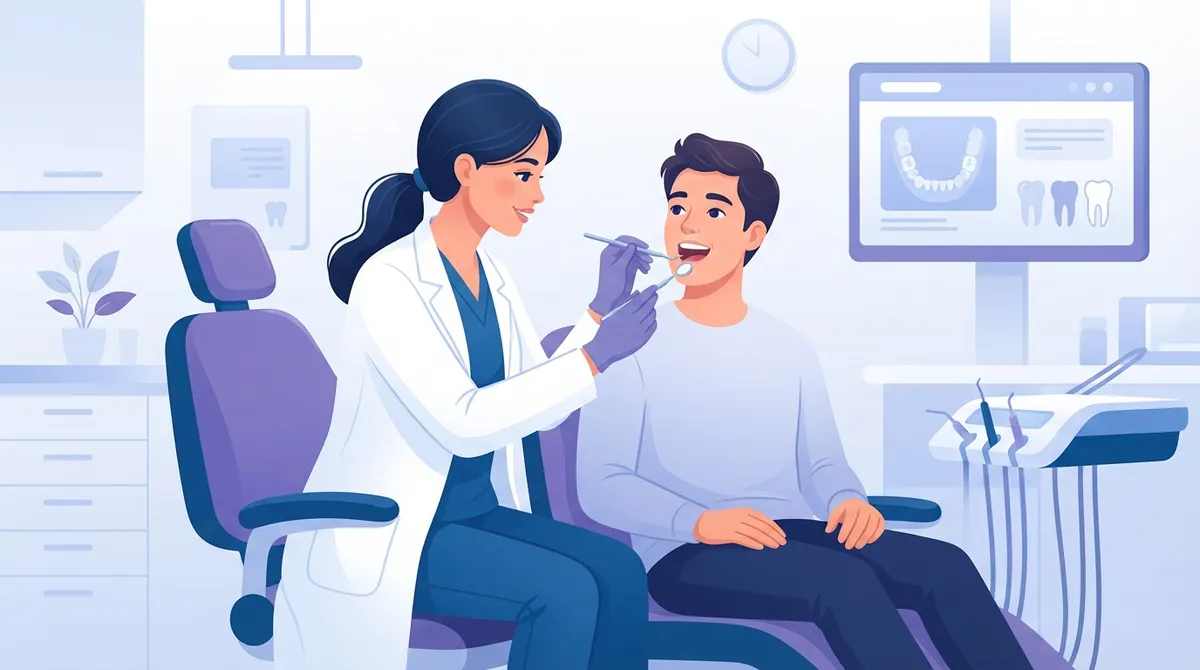
This is one of the most common questions we hear, and it’s a fair one. Jaw pain can come from many different sources, so picking the right starting point saves you time and worry.
| Concern | Best First Stop | Why |
|---|---|---|
| Crooked bite, overbite, underbite, crossbite | Orthodontist | Specializes in tooth and jaw alignment |
| Facial asymmetry from jaw growth | Orthodontist | Can monitor growth and coordinate care |
| Painful clicking, locking, or limited opening | General dentist or physician first | May need diagnosis before referral |
| Chronic jaw joint pain (TMD) | Dentist, physician, or orofacial pain specialist | TMD involves muscles and joints, not just teeth |
| Severe jawbone misalignment | Orthodontist plus oral surgeon | May require surgical planning together |
If you’re a parent of a child in Westchase or Brandon and you’re noticing a shifting bite or uneven jaw growth, an orthodontic evaluation is a smart first move. But if jaw pain, popping, or locking is the main issue, starting with a dentist or physician for a clear diagnosis makes more sense.
Understanding TMD: What It Is and What It Isn’t
Temporomandibular disorders, often shortened to TMD, cover more than 30 different conditions affecting the jaw joint, chewing muscles, and surrounding tissue. According to the National Institute of Dental and Craniofacial Research (NIDCR), TMD affects about 5% of adults in the United States, though some estimates run as high as 5% to 10% depending on how it’s measured.
A few more facts worth knowing:
- TMD is about twice as common in women as men, with the highest rates in women ages 35 to 44.
- A 2025 NIDCR factsheet notes TMD is the second most common musculoskeletal condition, right after chronic low-back pain.
- Common symptoms include jaw or facial pain, stiffness, limited opening, locking, clicking, headaches, and changes in how teeth fit together.
Here’s something we want every reader to understand clearly: current research does not show that a bad bite or orthodontic treatment causes TMD. Braces and clear aligners should never be marketed as a cure-all for jaw joint pain. If someone tells you that permanently changing your bite will fix your TMJ pain, it’s worth getting a second opinion, because the evidence just isn’t there to support that claim.
When Is Jaw Clicking or Popping Something to Worry About?
Let’s be honest, jaw clicking sounds alarming. But here’s some reassurance: a painless click or pop is actually pretty common and usually doesn’t need treatment on its own.
So when should you actually get it checked out? Watch for these warning signs:
- Painful clicking, popping, or grating sounds
- Jaw locking open or closed
- Trouble chewing or speaking normally
- Swelling around the jaw joint
- Recent trauma or injury to the jaw
- Restricted or uneven jaw movement
If you notice any of these, it’s time to see a dentist or physician for a proper diagnosis. They may refer you to an orofacial pain specialist if needed. This isn’t something to self-diagnose from a quick internet search, even a well-researched one like this article.
How Orthodontic Treatment Helps with Dental and Growth-Related Jaw Issues
While orthodontists don’t treat every jaw joint disorder, we play a huge role in correcting dental and skeletal problems tied to bite and jaw alignment. Here’s how treatment typically works, step by step:
- Comprehensive evaluation: We review your medical and dental history, examine your face and jaw, and check how your teeth bite together.
- Diagnostic records: This may include photographs, measurements, and dental X-rays. In select complex cases, 3-D imaging helps us see the full picture.
- Treatment planning: Based on your age, growth stage, and the severity of the issue, we recommend braces, clear aligners, expanders, or functional appliances.
- Active treatment: You’ll wear your chosen appliance while we monitor progress at regular visits.
- Retention: Once treatment finishes, retainers help keep your new smile and bite stable long-term.
If you want to learn more about how we evaluate teeth positioning and correct alignment issues, our guide on understanding teeth positioning and fixing alignment issues breaks it down further. And if you’re curious how clear trays compare to traditional options, check out our article on removable aligners and how clear trays straighten your smile.
Can Braces Fix an Underbite, Overbite, or Crossbite?
Yes, in many cases! Braces and clear aligners can correct a wide range of bite problems, especially when the issue is more dental than skeletal. Here’s a quick breakdown of common bite issues and how they’re typically addressed:
| Bite Issue | Typical Approach | Notes |
|---|---|---|
| Overbite | Braces, aligners, or functional appliances | Best treated early in growing children when possible |
| Underbite | Braces with growth guidance or surgery for severe cases | Severity determines whether surgery is needed |
| Crossbite | Expanders, braces, or aligners | Often addressed early to guide proper jaw development |
| Open Bite | Braces, appliances, or habit correction | Thumb sucking habits can contribute to this in kids |
For more detail on overbite treatment specifically, take a look at our comparison of overbite treatment options with braces versus aligners, or our guide on correcting an underbite with modern orthodontic treatment.
When Does Jaw Surgery Come Into the Picture?
Sometimes tooth movement alone can’t fix a significant jawbone discrepancy. That’s when an orthodontist may coordinate care with an oral and maxillofacial surgeon for what’s called orthognathic surgery.
According to clinical indications from the American Association of Oral and Maxillofacial Surgeons, some signs that surgery may be considered include:
- Horizontal overjet of 5 millimeters or more
- Zero or negative overjet (where lower teeth sit in front of upper teeth)
- Certain open-bite or deep-bite patterns
- Transverse jaw discrepancies
- Facial or bite asymmetries greater than 3 millimeters
These are clinical guidelines, not automatic requirements. A 2021 review also noted that adults with certain transverse skeletal discrepancies, generally over 5 millimeters, may need surgically assisted expansion rather than orthodontics alone. Every case is different, and treatment planning is always individualized.
When surgery is needed, treatment typically involves orthodontics before surgery to align teeth properly, then continued orthodontic finishing afterward to perfect the bite. It’s a team effort between your orthodontist and surgeon, and we walk you through every step so nothing feels overwhelming.
Conservative Care Comes First for Jaw Pain
If jaw pain is your main concern, please know that jumping straight to permanent treatment usually isn’t the first move. A 2023 BMJ network meta-analysis reviewing 153 trials and over 8,700 participants found that conservative approaches worked best for chronic TMD pain, including:
- Cognitive behavioral therapy combined with biofeedback or relaxation techniques
- Therapist-assisted jaw mobilization
- Manual trigger-point therapy
Other simple, low-risk steps often recommended first include reducing clenching and gum chewing, eating softer foods temporarily, using heat or cold packs, taking appropriate pain medication, and doing therapeutic exercises when advised by a professional. Be cautious of anyone suggesting permanent changes to your teeth, bite, or jaw joints for jaw pain without a clear diagnosis first.
What Happens During an Orthodontic Evaluation?
Curious what your first visit looks like? Here’s what a comprehensive evaluation for jaw and bite concerns generally includes:
- A conversation about your medical and dental history
- A facial and jaw examination
- Bite analysis to see how your teeth fit together
- Measurements and photographs
- Dental X-rays as needed
- 3-D imaging in select complex cases only
Not every patient needs every test. We choose imaging based on what we actually see during your exam, not as a blanket policy. If you’re ready to find out what’s going on with your bite or jaw alignment, you can schedule a Free Consultation to get personalized answers.
Special Considerations for Different Patients
Parents of Growing Children
Early evaluation matters because a child’s jaw is still growing. Catching crossbites, crowding, or asymmetry early can guide growth in a healthier direction. Our article on early signs you need braces is a helpful starting point for parents keeping an eye on their child’s development.
Teens Balancing School, Sports, and Social Life
Teens want treatment that fits their busy schedules without drawing extra attention. Clear aligners and discreet braces options can correct bite issues while keeping confidence high both on and off the field.
Adult Professionals
It’s never too late to correct a bite problem. Many adults in Westchase and Brandon choose low-profile treatment options that work quietly in the background of a busy career. Our guide on why adults are choosing orthodontic treatment covers this in more depth.
Bilingual Families
Clear communication matters, especially when discussing something as important as your child’s jaw development. Chacon Orthodontics proudly offers bilingual care in English and Spanish, so nothing gets lost in translation.
Why Choose Chacon Orthodontics for Jaw and Bite Concerns
Dr. Omar Chacon is a board-certified orthodontist with more than 10 years of experience helping patients of every age feel confident in their smiles. Originally from Puerto Rico and trained in New York City, Dr. Chacon combines advanced technology, including 3-D digital imaging, with a warm, personalized approach that families across Westchase and Brandon have come to trust.
We know jaw concerns can feel stressful, but you don’t have to figure it out alone. Our team takes the time to listen, explain your options clearly, and build a plan that fits your life. You can follow our patient stories and smile transformations on Instagram or connect with us on Facebook to see the community we’ve built together. You can also find Dr. Chacon’s professional background on LinkedIn.
Want to see what real patients say about their experience? Visit us on Google — Chacon Orthodontics West Chase to read reviews from families just like yours.
Your Next Step Toward a Comfortable, Confident Smile
Jaw problems don’t have to stay a mystery. Whether you’re dealing with a shifting bite, a growing child’s crossbite, or you simply want peace of mind, getting the right evaluation is the first step toward feeling better. An orthodontist for jaw problems can address many bite and growth-related concerns, and when something more is going on, we’re happy to guide you toward the right specialist too.
Ready to get answers about your jaw or bite concerns? Contact us today, and let’s find the path forward together. Your comfortable, confident smile is closer than you think, and we can’t wait to help you get there.
FAQs
Q: What kind of jaw problems does an orthodontist treat?
A: Orthodontists focus on bite alignment issues like overbite, underbite, crossbite, open bite, and jaw growth concerns in kids and teens. We don’t treat every type of jaw pain, especially issues tied to the jaw joint itself, but we’re a great starting point for bite-related concerns.
Q: Should I see an orthodontist or a dentist for jaw pain?
A: If your main concern is a crooked bite or shifting jaw alignment, an orthodontist is a great first stop. But if you’re dealing with painful clicking, locking, or joint pain, start with a general dentist or physician for a proper diagnosis first.
Q: Can braces fix an underbite, overbite, crossbite, or uneven jaw?
A: Yes, in many cases braces or clear aligners can correct these bite issues, especially when caught early. Severe skeletal discrepancies sometimes need surgical coordination too, but plenty of cases respond well to orthodontic treatment alone.
Q: Do braces or clear aligners help jaw joint pain?
A: Current research doesn’t show that braces or a bad bite cause TMD, and orthodontic treatment shouldn’t be presented as a cure for jaw joint pain. Conservative care like therapy, relaxation techniques, and gentle exercises is usually recommended first.
Q: When is jaw surgery needed instead of orthodontic treatment alone?
A: Surgery may be considered when the jawbones themselves are significantly misaligned beyond what tooth movement can fix, such as severe overjet or facial asymmetry greater than 3 millimeters. Your orthodontist would coordinate this with an oral surgeon for the best outcome.