Key Takeaways
-
Early intervention during childhood is crucial, as treatment is easier and more effective when jaw bones are still flexible.
-
Underbites can cause significant health issues beyond appearance, including chewing difficulties, speech problems, and potential jaw pain.
-
Traditional braces remain the most effective treatment, typically requiring 24-36 months to correct underbite alignment.
-
Clear aligners offer a discreet option for mild to moderate underbites, with treatment lasting 12-18 months and requiring consistent wear.
-
For severe skeletal underbites, jaw surgery might be necessary, involving a comprehensive 18-36 month treatment approach that includes pre and post-surgical orthodontic care.
An underbite can affect more than just your appearance. When your lower jaw sticks out beyond your upper jaw, it can cause difficulty chewing, speaking problems, and even jaw pain. The good news is that modern orthodontic treatment offers several effective solutions to correct underbites and restore both function and confidence to your smile. Whether you noticed your underbite as a child or it developed over time, understanding your treatment options is the first step toward achieving the healthy smile you deserve.
Orthodontic treatment for underbite has come a long way in recent years. Today, patients have access to a range of options that fit different lifestyles, budgets, and severity levels. From traditional custom braces to innovative clear aligners, the right treatment depends on your specific situation. In this guide, you will learn about the different treatment methods available, how long each takes, and what you can expect during the correction process.
Understanding What an Underbite Is and Why It Happens
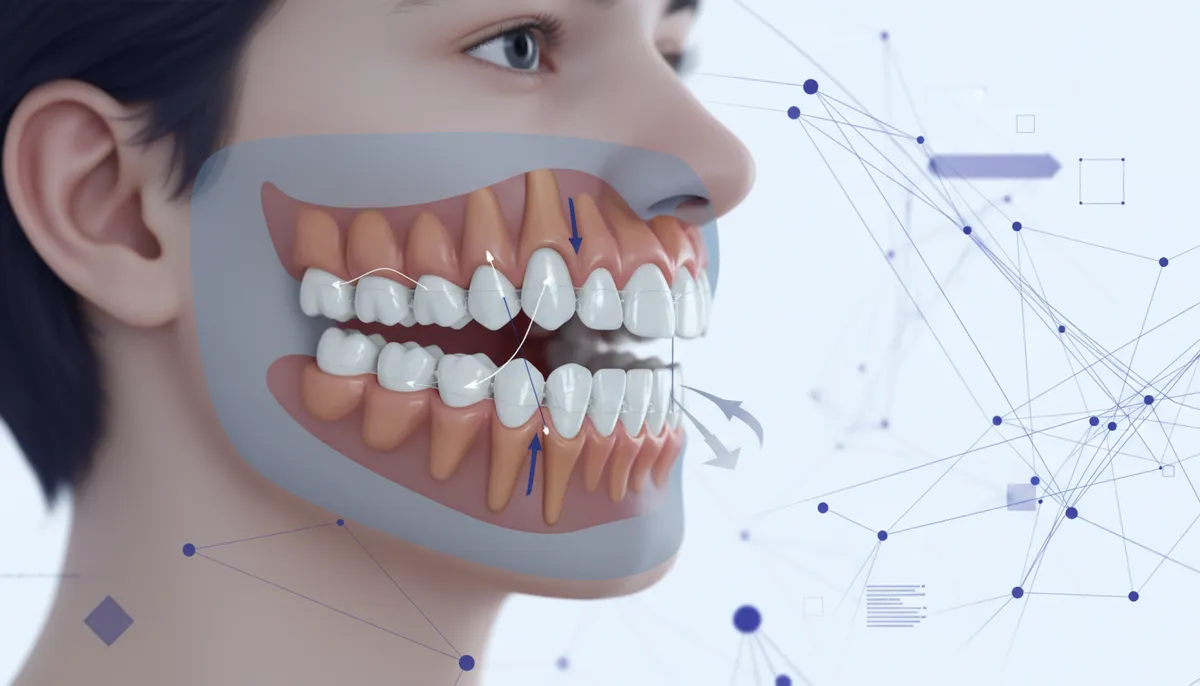
An underbite occurs when your lower teeth sit in front of your upper teeth when your mouth is closed. This happens because your lower jaw extends too far forward, or your upper jaw does not develop fully. Sometimes both issues occur together. Dentists and orthodontists call this condition a Class III malocclusion.
Several factors can cause an underbite to develop. Genetics plays a major role—if your parents or grandparents had underbites, you have a higher chance of developing one too. Childhood habits like thumb sucking or tongue thrusting can also push the lower jaw forward over time. In some cases, injuries to the jaw or problems with jaw development during growth years lead to this condition.
Not all underbites are the same. Some people have mild underbites where only a few teeth overlap incorrectly. Others have severe underbites where the lower jaw protrudes noticeably. The severity of your underbite determines which treatment options will work best for you. That is why a professional evaluation is so important before starting any treatment.
Why Treating an Underbite Matters for Your Health
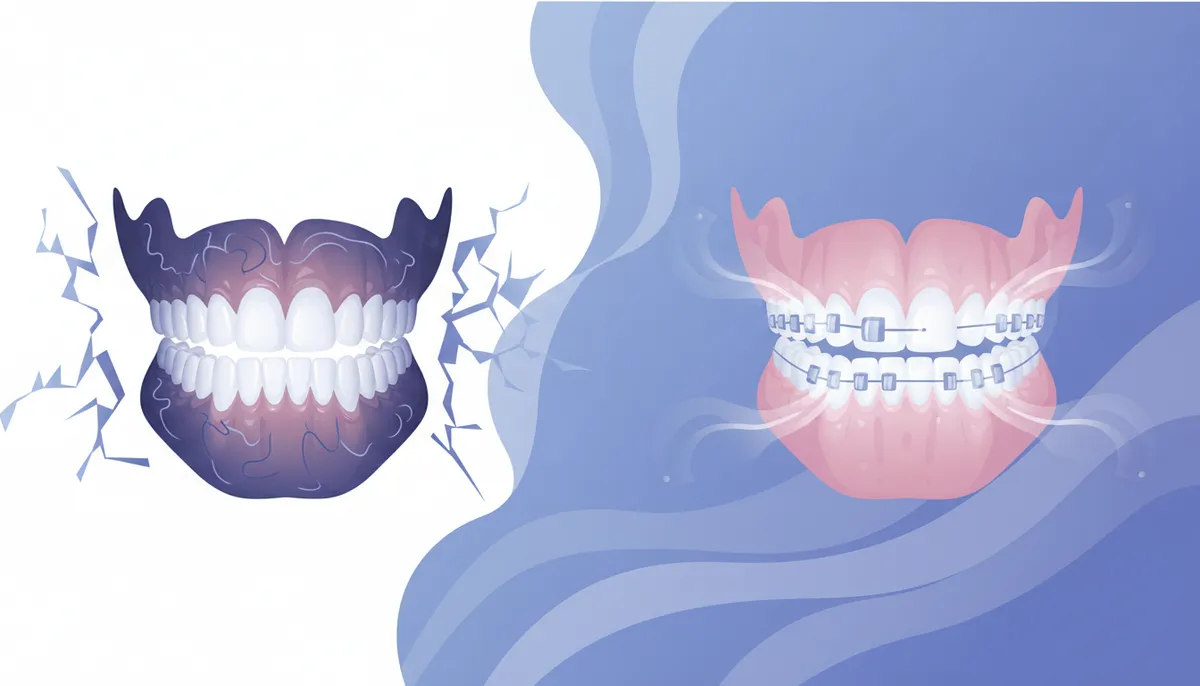
Many people think underbites are only cosmetic problems, but they can cause serious health issues if left untreated. When your teeth do not align properly, you cannot chew food efficiently. This can lead to digestive problems because your body has to work harder to break down poorly chewed food.
Speech difficulties are another common problem with underbites. Your teeth and jaw position help shape the sounds you make when talking. An underbite can cause a lisp or make certain sounds difficult to pronounce clearly. This can affect your confidence in social and professional situations.
Jaw pain and temporomandibular joint (TMJ) disorders are also more common in people with underbites. The misalignment puts extra stress on your jaw joints, leading to headaches, clicking sounds when you open your mouth, and chronic discomfort. Additionally, underbites can cause uneven wear on your teeth, leading to chips, cracks, and increased risk of tooth decay.
Early Treatment for Children: The Best Time to Start
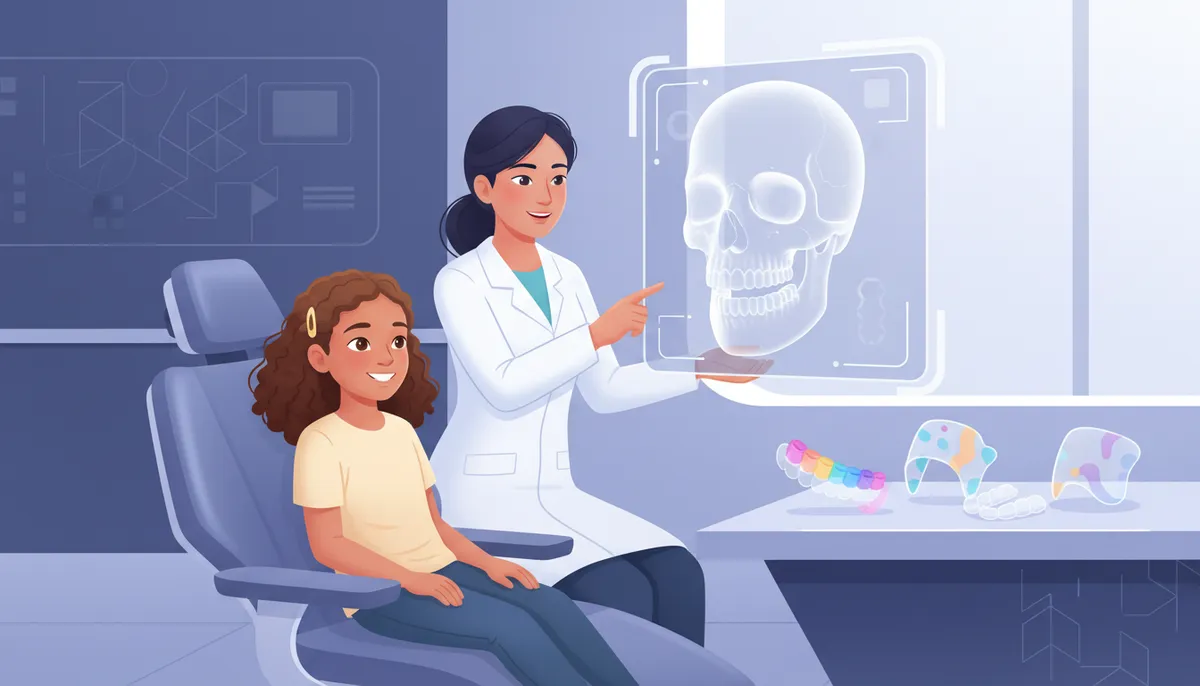
The best time to address an underbite is during childhood when the jaw is still growing. Early interceptive orthodontic treatment, often called Phase I treatment, can make a significant difference in long-term outcomes. Research shows that patients who skip early treatment are twice as likely to require jaw surgery later in life.
Orthodontists typically screen children around age seven to identify jaw development problems. At this age, the jaw bones are still flexible and respond well to treatment. Early intervention can guide jaw growth in the right direction, potentially preventing the need for more invasive procedures down the road.
Phase I treatment for underbites often includes special appliances that encourage the upper jaw to grow forward or restrict lower jaw growth. These appliances work best when combined with regular monitoring and adjustments. However, it is important to note that about one-third of children who receive early treatment may experience some relapse if the lower jaw continues to grow excessively, especially if there is a strong family history of underbites.

Traditional Braces: The Gold Standard for Underbite Correction
Orthodontic braces remain the most common and effective treatment for correcting underbites. They work by applying gentle, controlled pressure through brackets attached to your teeth and connected by archwires. Over time, this pressure gradually shifts your teeth into proper alignment.
For underbite correction, braces typically need to stay on for 24 to 36 months. The exact timeline depends on how severe your underbite is and how well your teeth respond to treatment. During this time, you will visit your orthodontist regularly for adjustments that keep your treatment on track.
Modern custom braces are more comfortable and less noticeable than ever before. You can choose from metal braces, ceramic braces that blend with your teeth, or even lingual braces that attach to the back of your teeth. Your orthodontist will help you select the best option based on your needs and preferences.
| Treatment Method | Best For | Average Duration | Key Benefits |
|---|---|---|---|
| Traditional Braces | Mild to severe underbites | 24-36 months | Most effective, works for all ages |
| Clear Aligners | Mild to moderate underbites | 12-18 months | Nearly invisible, removable |
| Headgear/Elastics | Growing children | Varies | Guides jaw growth early |
| Jaw Surgery | Severe skeletal underbites | 18-36 months total | Corrects severe misalignment |
Clear Aligners: A Discreet Option for Mild to Moderate Cases
Clear aligners have become increasingly popular for treating underbites, especially among teens and adults who want a less visible treatment option. These custom-made plastic trays fit snugly over your teeth and gradually shift them into the correct position.
Clear aligners work best for mild to moderate underbites where the problem is primarily with tooth position rather than jaw structure. If your underbite is caused mainly by skeletal issues (the actual position of your jaw bones), you may need traditional braces or surgery for effective correction.
The treatment process with clear aligners typically takes 12 to 18 months. You must wear the aligners for 20 to 22 hours each day, removing them only for eating and cleaning. You will receive a new set of aligners every one to two weeks, with each set moving your teeth slightly closer to their final position.
Benefits and Limitations of Clear Aligner Treatment
Clear aligners offer several advantages that make them attractive to many patients. They are nearly invisible, so most people will not notice you are undergoing treatment. You can remove them for special occasions, important meetings, or when eating your favorite foods. They are also more comfortable than traditional braces since there are no metal brackets or wires to irritate your mouth.
However, clear aligners do have limitations. They require discipline—you must wear them consistently to see results. If you forget to wear them or take them out too often, your treatment will take longer. They also cost more than traditional braces in many cases. Most importantly, they cannot correct severe underbites or significant skeletal misalignment on their own.
When Jaw Surgery Becomes Necessary
For severe underbites caused by skeletal problems, orthognathic (jaw) surgery may be the best solution. This surgical procedure repositions the upper jaw, lower jaw, or both to create proper alignment. While surgery sounds intimidating, it can dramatically improve both function and appearance when other methods cannot fully correct the problem.
Jaw surgery is not a standalone treatment. It requires a comprehensive approach that includes 12 to 18 months of pre-surgery orthodontic treatment, the surgery itself, and then 6 to 12 months of post-surgery orthodontic care. The total treatment timeline typically spans 18 to 36 months from start to finish.
During the surgery, an oral surgeon makes precise cuts in the jaw bones and repositions them to correct the underbite. The bones are then held in place with small plates and screws. Most patients return to normal activities within one to three weeks after surgery, though full bone healing takes approximately 12 weeks.
Who Needs Surgical Intervention
Not everyone with an underbite needs surgery. Your orthodontist will recommend surgery only if your underbite is severe and cannot be corrected with braces or aligners alone. Signs that you might need surgery include a very prominent lower jaw, significant difficulty chewing or speaking, or chronic jaw pain that does not improve with other treatments.
Age also plays a role in the decision. Surgeons typically wait until patients have finished growing before performing jaw surgery. For females, this is usually around age 16, and for males, around age 18. Operating before growth is complete could lead to problems if the jaw continues to develop afterward.
Additional Orthodontic Tools That Support Treatment
Beyond braces and aligners, orthodontists use several specialized tools to enhance underbite correction. Understanding these additional options helps you know what to expect during your treatment journey.
Reverse-pull headgear is sometimes used for younger patients whose upper jaw needs to be pulled forward. This device attaches to braces and uses gentle force to encourage forward growth of the upper jaw. While it may look unusual, it is highly effective when used during growth years.
Elastics (rubber bands) connect upper and lower braces to apply specific directional forces. Your orthodontist will show you how to attach them properly. Wearing elastics as directed is crucial for treatment success—skipping them can significantly delay your results.
Temporary anchorage devices (TADs) are tiny screws placed in the jaw bone to provide a stable anchor point for moving teeth. They allow orthodontists to achieve tooth movements that would be difficult with braces alone. TADs have made it possible to correct some underbites without surgery that previously would have required it.
The Complete Treatment Timeline: What to Expect
Understanding the full treatment timeline helps you plan and stay committed to the process. From your initial consultation to wearing retainers, underbite correction is a journey that requires patience and cooperation.
The process begins with your first visit to an orthodontist. During this appointment, the orthodontist will take X-rays, photographs, and impressions of your teeth. These diagnostic tools help create a detailed treatment plan customized for your specific needs. This initial evaluation usually takes about an hour.
Once your treatment plan is ready, you will have an appointment to place your braces or receive your first set of aligners. For braces, this appointment typically takes one to two hours. After that, you will visit the orthodontist every four to eight weeks for adjustments and progress checks.
The active treatment phase lasts anywhere from six months to three years, depending on your case complexity and chosen treatment method. During this time, you must maintain excellent oral hygiene, avoid certain foods (if you have braces), and follow all instructions from your orthodontist.
| Treatment Phase | Duration | What Happens | Your Role |
|---|---|---|---|
| Initial Consultation | 1-2 hours | Examination, X-rays, treatment planning | Ask questions, discuss concerns |
| Active Treatment | 6 months – 3 years | Braces/aligners move teeth into position | Follow instructions, maintain hygiene |
| Retention Phase | Ongoing | Retainers keep teeth in new position | Wear retainers as directed |
| Follow-up Visits | Every 6-12 months | Monitor stability of results | Attend appointments regularly |
Life After Active Treatment: The Importance of Retention
Once your braces come off or you finish your aligner treatment, the retention phase begins. This is one of the most critical parts of underbite correction that patients often underestimate. Your teeth have a natural tendency to shift back toward their original positions, especially in the first few months after treatment ends.
You will need to wear retainers to keep your teeth in their new positions. Initially, you may need to wear them full-time, then gradually transition to wearing them only at night. Some patients need to wear retainers indefinitely to maintain their results, especially if they had a severe underbite.
Your orthodontist will monitor your progress during follow-up visits every six to twelve months. These appointments ensure your teeth remain stable and your bite stays properly aligned. Missing retainer wear or follow-up appointments increases your risk of relapse, which could require additional treatment.
Cost Considerations and Payment Options
The cost of orthodontic treatment for underbite varies widely based on several factors. The severity of your underbite, the type of treatment you choose, and your location all affect the final price. Traditional braces typically cost between $3,000 and $7,000, while clear aligners may range from $3,500 to $8,000.
If you need jaw surgery, the costs increase significantly. Surgical correction can cost $20,000 to $40,000 or more when you include pre-surgery orthodontics, the surgery itself, hospital fees, and post-surgery care. However, many insurance plans cover a portion of medically necessary jaw surgery.
At Chacon Orthodontics, we understand that cost is an important consideration for families. We offer flexible payment plans that make treatment more affordable by spreading costs over the treatment period. Many families find that monthly payments fit comfortably into their budgets.
Insurance Coverage for Underbite Treatment
Most dental insurance plans include some orthodontic coverage, especially for children and teens. However, coverage amounts vary widely. Some plans cover 50% of treatment costs up to a lifetime maximum of $1,500 to $2,000, while others offer more generous benefits.
For adults, insurance coverage may be more limited. Some adult plans exclude orthodontic treatment entirely, while others cover only medically necessary procedures. If your underbite causes functional problems like difficulty eating or chronic pain, you may have better chances of getting insurance approval.
Before starting treatment, ask your orthodontist’s office to verify your insurance benefits. They can contact your insurance company directly and provide a detailed breakdown of what your plan covers. This information helps you understand your out-of-pocket costs before committing to treatment.
Living with Braces or Aligners: Practical Tips
Adjusting to life with orthodontic appliances takes time, but these practical tips will help make the experience easier. If you have braces, certain foods can damage brackets and wires. Avoid hard foods like nuts and hard candy, sticky foods like caramel and gum, and foods you bite into directly like apples and corn on the cob.
Oral hygiene becomes even more important during orthodontic treatment. Food particles and plaque can easily get trapped around brackets and wires. Brush after every meal using a soft-bristled toothbrush and fluoride toothpaste. Use floss threaders or special orthodontic floss to clean between teeth and under wires. Water flossers are also excellent tools for keeping your mouth clean.
For clear aligner users, remember to remove your aligners before eating or drinking anything except water. Always brush your teeth before putting aligners back in to prevent trapping food particles and bacteria against your teeth. Clean your aligners daily with lukewarm water and a soft toothbrush to keep them clear and fresh.
Managing Discomfort During Treatment
Some discomfort is normal when you first get braces or start a new set of aligners. Your teeth are moving, and your mouth is adjusting to the appliances. Over-the-counter pain relievers like ibuprofen can help manage soreness. Eating soft foods for the first few days after adjustments also reduces discomfort.
If brackets or wires irritate your cheeks or lips, use orthodontic wax to create a smooth barrier. Simply roll a small piece of wax into a ball and press it over the area causing irritation. If a wire breaks or pokes out, contact your orthodontist right away rather than trying to fix it yourself.
Success Stories: Real Results from Underbite Treatment
Thousands of patients have successfully corrected their underbites through orthodontics. Many report life-changing improvements not just in their appearance, but in their overall quality of life. They can chew food more efficiently, speak more clearly, and smile with confidence they never had before.
Young patients who receive early treatment often avoid more extensive procedures later. By addressing jaw development problems during growth years, many children achieve excellent results without needing surgery. This early intervention sets them up for a lifetime of better oral health.
Adult patients are often amazed at how much underbite correction improves their appearance. A properly aligned jaw creates better facial balance and can even make patients look younger. Beyond aesthetics, adults frequently report relief from chronic headaches and jaw pain after treatment. You can read our reviews on Google to see how treatment has changed lives.
Choosing the Right Orthodontist for Your Underbite Treatment
Selecting an experienced orthodontist is one of the most important decisions you will make in your treatment journey. Look for an orthodontist who has specific experience treating underbites and who uses modern technology and techniques. Board certification shows that the orthodontist has completed rigorous additional training beyond dental school.
During your consultation, pay attention to how the orthodontist communicates. Do they take time to explain your options clearly? Do they answer your questions thoroughly? A good orthodontist will discuss all possible treatment approaches and help you understand the pros and cons of each.
The office environment also matters. You will be visiting regularly for months or even years, so you want a location that is convenient and has friendly, helpful staff. Ask about appointment scheduling flexibility, especially if you have a busy work or school schedule. Emergency availability is also important in case you have an urgent issue between regular appointments.
Take the First Step Toward Your Perfect Smile
Correcting an underbite is an investment in your health, confidence, and future. While the process requires time and commitment, the results are truly life-changing. Modern orthodontic treatment offers more options than ever before, making it possible to find a solution that fits your lifestyle and budget.
Do not let concerns about cost or treatment length hold you back from getting the care you need. Many orthodontic practices, including Chacon Orthodontics, offer flexible payment options that make treatment affordable for families. The sooner you start treatment, the sooner you will enjoy the benefits of a healthy, properly aligned smile.
Your journey to correcting your underbite begins with a simple consultation. During this visit, you will learn exactly which treatment options will work for your specific situation and get clear answers about timeline and costs. Ready to take that first step? Schedule your free consultation today and discover how modern orthodontic treatment can transform your smile and your life.
FAQs
Q: Can an underbite be corrected without surgery?
A: Yes, many underbites can be corrected without surgery, especially mild to moderate cases. Traditional braces, clear aligners, and orthodontic appliances can effectively treat underbites caused primarily by tooth positioning rather than severe skeletal issues. Early intervention during childhood often prevents the need for surgery later. However, severe underbites caused by significant jaw bone misalignment typically require orthognathic surgery combined with orthodontic treatment for optimal results.
Q: How long does it take to fix an underbite with braces?
A: Correcting an underbite with braces typically takes 24 to 36 months, though the exact timeline depends on the severity of your condition and how well your teeth respond to treatment. Mild cases may see results in as little as 18 months, while more complex underbites may require three years or longer. After active treatment ends, you will need to wear retainers to maintain your results and prevent teeth from shifting back.
Q: What age is best to start underbite treatment?
A: The ideal time to begin underbite treatment is during childhood, typically around age 7 to 10, when the jaw is still growing and more responsive to orthodontic intervention. Early treatment can guide jaw development and often prevents the need for surgery later. However, underbites can be successfully treated at any age. Adults can achieve excellent results with braces, clear aligners, or surgical options, though treatment may take longer than it would in children.
Q: Are clear aligners effective for treating underbites?
A: Clear aligners can effectively treat mild to moderate underbites where the problem is primarily related to tooth positioning rather than severe skeletal jaw misalignment. Treatment typically takes 12 to 18 months and requires wearing the aligners 20 to 22 hours daily for predictable results. However, clear aligners have limitations and cannot correct severe underbites or significant jaw bone problems. Your orthodontist will evaluate your specific case to determine if clear aligners are suitable for your underbite.
Q: Will my underbite come back after treatment?
A: Underbite relapse is possible if you do not wear your retainers as directed after treatment. Your teeth have a natural tendency to shift back toward their original positions, especially in the first year after braces are removed. Wearing retainers consistently according to your orthodontist’s instructions significantly reduces relapse risk. Some patients may need to wear retainers indefinitely to maintain their results, particularly those who had severe underbites or strong genetic predisposition to jaw misalignment.