Getting braces is a big decision that starts with one important step: your first consultation. If you’re searching for a “braces consultation near me,” you’re probably wondering what happens during this visit and what to expect. A braces consultation is your chance to meet the orthodontist, learn about your options, and create a plan for your perfect smile. This article walks you through everything you need to know about your first visit and how to prepare for it.
Many people feel nervous before their first orthodontic appointment. That’s completely normal. Understanding what happens during a braces consultation can ease your worries and help you make smart choices. Whether you’re looking into custom braces for yourself or your child, knowing what to expect makes the whole process easier and more comfortable.
What Happens During Your First Braces Consultation
When you arrive for your braces consultation, you’ll start by filling out some paperwork. This includes your medical history, dental history, and any concerns you have about your teeth. The office staff will ask about your insurance coverage and help you understand your payment options.
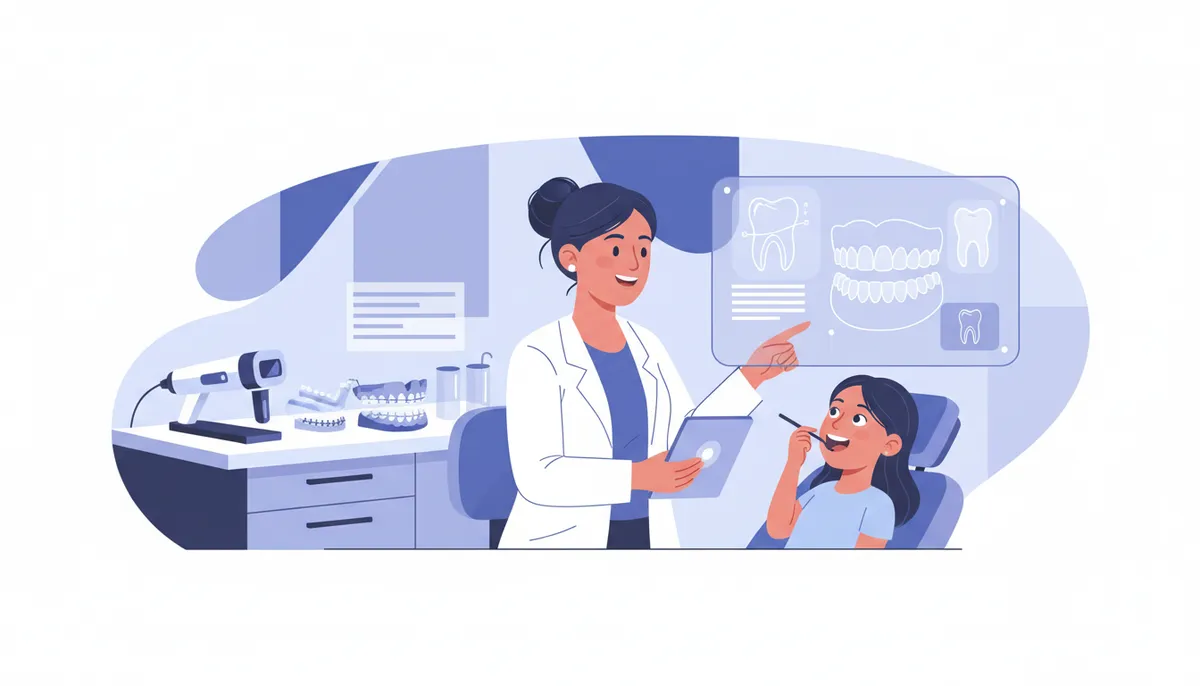
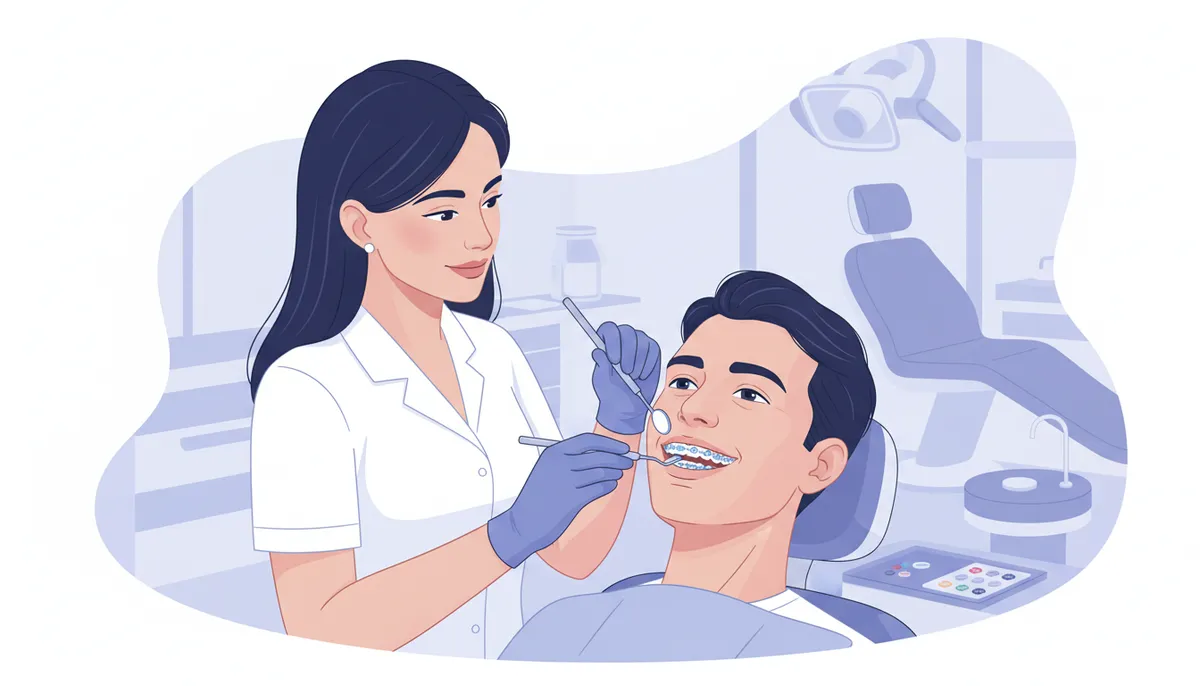
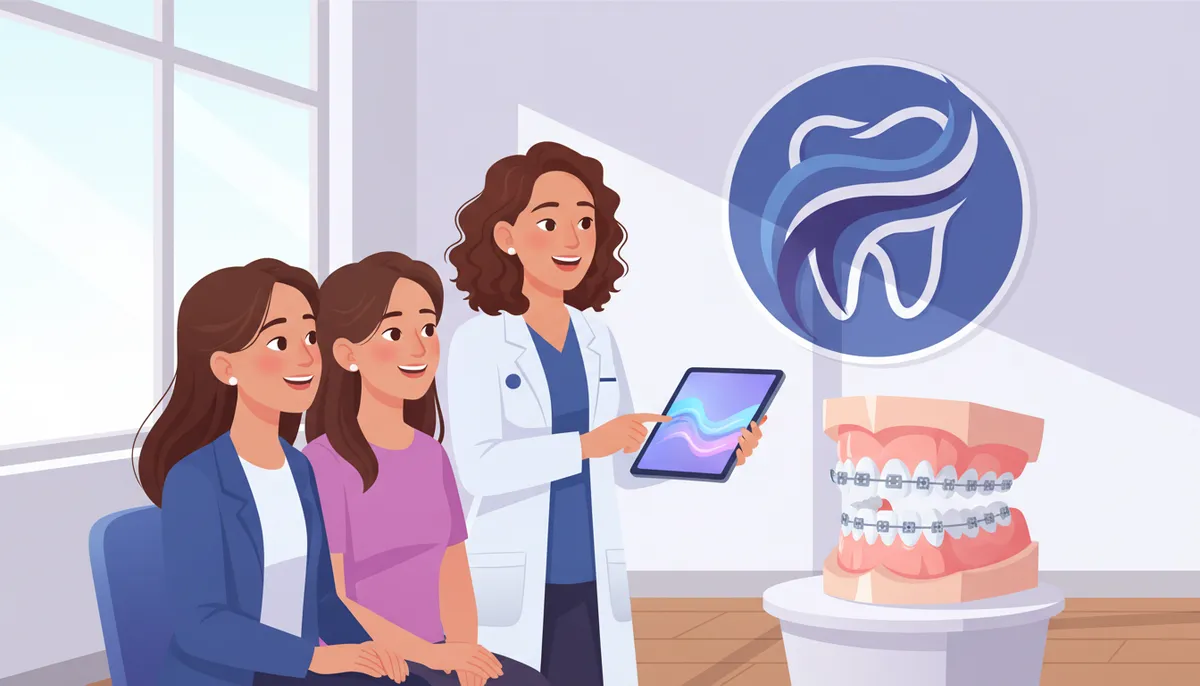
Next, you’ll meet your orthodontist. At Chacon Orthodontics, Dr. Chacon takes time to get to know each patient personally. The orthodontist will examine your teeth, jaw, and bite pattern. They’ll look for crowding, spacing, misalignment, and bite problems that could affect your oral health.
The exam usually includes taking pictures of your face and teeth from different angles. The orthodontist might also take X-rays to see how your teeth roots are positioned and check your jaw structure. Some offices use digital scans instead of traditional impressions to create 3D models of your teeth.
Discussing Your Treatment Goals
After the examination, your orthodontist will talk with you about your goals. Do you want straighter teeth for a better smile? Are you dealing with bite problems that cause jaw pain? Maybe you need to fix spacing issues before getting other dental work done. Your orthodontist needs to understand what matters most to you.
This conversation helps create a treatment plan that fits your life. The orthodontist will explain which problems they found and recommend the best solutions. They’ll discuss different types of braces and other options like clear aligners that might work for you.
Types of Braces You’ll Learn About
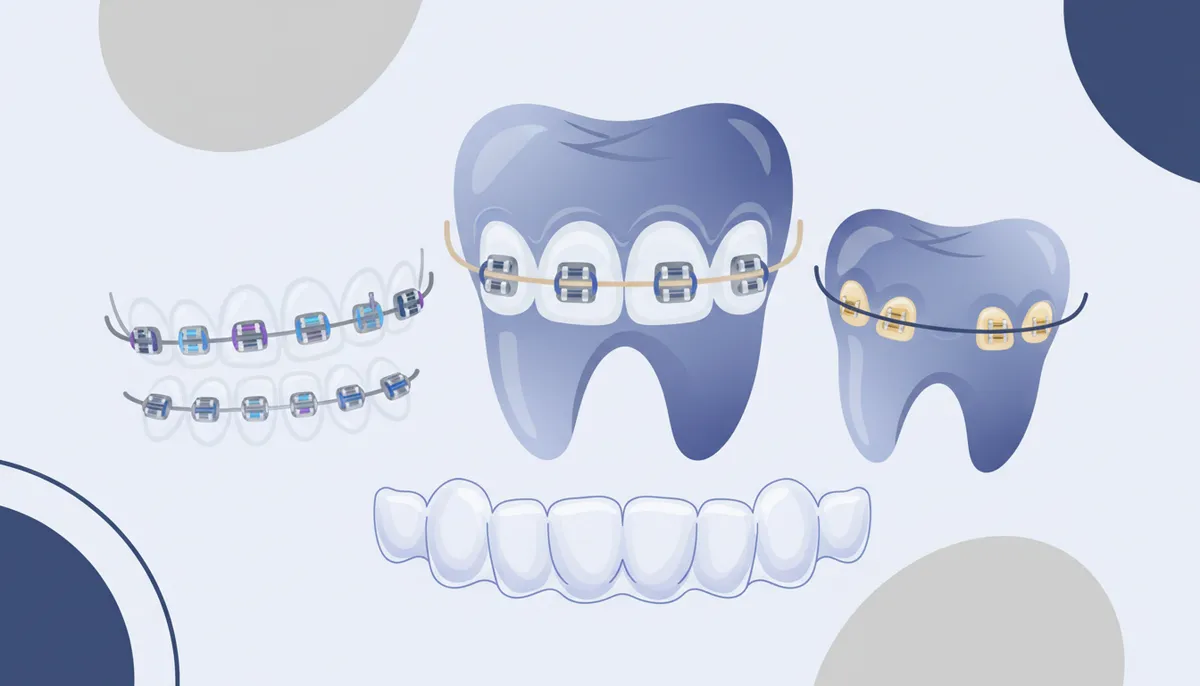
During your consultation, your orthodontist will explain the different treatment options available. Understanding these choices helps you pick what works best for your lifestyle and budget.
| Type of Braces | Best For | Treatment Time | Visibility |
|---|---|---|---|
| Traditional Metal Braces | All ages, complex cases | 18-24 months | Visible |
| Ceramic Braces | Teens and adults | 18-24 months | Less noticeable |
| Clear Aligners | Mild to moderate cases | 12-18 months | Nearly invisible |
| Lingual Braces | Adults wanting discretion | 18-30 months | Hidden behind teeth |
Metal braces remain the most common choice. They use metal brackets and wires to move teeth into position. Today’s metal braces are smaller and more comfortable than older versions. Many children and teens enjoy picking colored bands to personalize their braces.
Clear aligners have become very popular with adults and teens. These removable trays straighten teeth without metal brackets. You can take them out when eating or brushing. According to Wikipedia’s article on clear aligners, these treatments have improved significantly in recent years.
Which Treatment Works Best for You
Your orthodontist will recommend treatments based on your specific needs. Some factors they consider include the severity of your misalignment, your age, your lifestyle, and your budget. Complex bite problems might need traditional braces. Simple spacing issues might work well with clear aligners.
The orthodontist will also think about how well you’ll follow treatment instructions. Clear aligners require wearing them 22 hours per day. If you’re not sure you can commit to that, traditional braces might be better since they work all the time.

Cost and Payment Options for Braces
One of the biggest questions during a consultation is “How much will this cost?” The total cost depends on several factors including treatment type, length of treatment, and complexity of your case. Your orthodontist will give you a detailed cost breakdown during your visit.
Most orthodontic offices offer flexible payment plans to make treatment affordable. You can often spread payments over the entire treatment period. Many families find this makes braces more manageable for their budget.
| Payment Option | Description | Benefits |
|---|---|---|
| Insurance Coverage | Many dental plans cover part of braces | Reduces out-of-pocket costs |
| Monthly Payment Plans | Spread costs over treatment time | No interest fees, manageable amounts |
| FSA/HSA Accounts | Use pre-tax dollars for treatment | Save on taxes, reduce total cost |
| Upfront Discounts | Pay full amount at start | Often receive percentage discount |
Check if your dental insurance includes orthodontic coverage. Many plans cover a portion of treatment costs, especially for orthodontics for children under 18. Your orthodontic office will help you understand your benefits and file claims.
Hidden Costs to Consider
Beyond the main treatment cost, think about other expenses. You’ll need to visit the orthodontist regularly for adjustments. Most offices include these visits in the total price. Ask about what’s covered so you don’t face surprise charges later.
You might also need to buy special cleaning tools or replacement items. Clear aligner patients sometimes need replacement trays if they lose one. After treatment ends, you’ll need retainers to keep teeth in position. Ask about these costs during your consultation.
How Long Does Orthodontic Treatment Take
Treatment length varies for everyone. During your consultation, the orthodontist will estimate how long you’ll need to wear braces. Most people wear braces between 12 and 24 months. Complex cases might take longer.
Several things affect treatment time. The severity of misalignment plays a big role. Moving teeth a short distance takes less time than fixing major problems. Your age matters too. Younger patients often see faster results because their jaws are still growing.
How well you follow instructions also impacts treatment time. Missing appointments or not wearing rubber bands as directed can delay results. Taking good care of your braces helps treatment stay on schedule.
What Affects Your Treatment Timeline
Your orthodontist considers many factors when estimating treatment time. Crowding requires more time than simple spacing issues. Bite correction takes longer than just straightening teeth. Jaw alignment problems need the most time to fix properly.
Your body’s response to treatment is unique. Some people’s teeth move faster than others. This is normal and doesn’t mean anything is wrong. Your orthodontist will monitor progress and adjust the timeline if needed.
Preparing for Your Braces Consultation
Getting ready for your consultation helps you make the most of the appointment. Start by writing down questions you want to ask. Think about your concerns and what you hope to achieve with treatment.
Bring your dental insurance information if you have it. This helps the office check your coverage and explain costs accurately. If you’ve seen another orthodontist before, bring any records or X-rays you have.
Here are some important questions to ask during your consultation:
- What orthodontic problems do I have that need fixing?
- Which treatment options will work best for my situation?
- How long will my treatment take from start to finish?
- What does the total cost include and what payment plans are available?
- How often will I need to come in for appointments?
- What should I avoid eating or doing during treatment?
What to Bring to Your Appointment
Most orthodontic offices need some basic information and documents. Bring a valid ID and your insurance card. If you’re bringing a child, bring their insurance information and be prepared to answer questions about their medical history.
Write down any medications you or your child take regularly. This includes vitamins and supplements. Some medications can affect treatment or healing. Your orthodontist needs to know about all health conditions too.
Life with Braces: What to Expect
Understanding daily life with braces helps you prepare for treatment. Your orthodontist will explain care instructions during your consultation. Following these guidelines keeps your teeth healthy and treatment on track.
You’ll need to brush and floss more carefully with braces. Food can get stuck in brackets and wires. Special floss threaders and interdental brushes help clean around braces. Your orthodontist will show you the best cleaning techniques.
Some foods can damage braces. Hard, sticky, or crunchy foods might break brackets or bend wires. Your orthodontist will give you a list of foods to avoid. The good news is you can still enjoy most of your favorite foods with small adjustments.
| Foods to Avoid | Safe Alternatives |
|---|---|
| Hard candy, ice | Soft chocolates, smoothies |
| Popcorn, nuts | Soft bread, mashed potatoes |
| Sticky candy, gum | Ice cream, pudding |
| Hard fruits and vegetables | Cooked or cut into small pieces |
| Chewy bagels, pizza crust | Soft bread, thin crust pizza |
Dealing with Discomfort
Your teeth might feel sore after getting braces and after adjustment appointments. This is normal and shows that your teeth are moving. The discomfort usually goes away after a few days. Over-the-counter pain relievers can help if needed.
Brackets might rub against your cheeks or lips at first. Your orthodontist will give you special wax to put over brackets that cause irritation. Your mouth will adjust to the braces within a week or two.
After Treatment: Maintaining Your New Smile
When your braces come off, you’ll love your new smile. But the work isn’t quite done yet. You’ll need to wear retainers to keep teeth in their new positions. Your orthodontist will explain retainer care during your consultation.
Most patients wear retainers full-time for several months after braces removal. Then you switch to wearing them only at night. Some people need to wear retainers for years to maintain results. Following retainer instructions prevents teeth from shifting back.
Your orthodontist might also recommend teeth whitening after braces. Many patients want to brighten their newly straightened smile. Professional whitening gives the best results and can be done safely after orthodontic treatment.
Why Choose the Right Orthodontist Matters
Finding the right orthodontist makes a huge difference in your treatment experience. Look for someone with proper training and certification. Board-certified orthodontists have completed extra years of specialized education beyond dental school.
Experience matters when it comes to creating beautiful smiles. Ask how many cases like yours the orthodontist has treated. Read patient reviews to learn about others’ experiences. You can read our reviews on Google to see what patients say about their care.
The office environment should feel welcoming and comfortable. Pay attention to how the staff treats you during your consultation. Good communication and friendly service make treatment much more pleasant. You’ll be visiting regularly, so you want to feel comfortable there.
Technology and Modern Treatment
Modern orthodontic offices use advanced technology to improve results and comfort. Digital X-rays use less radiation than traditional ones. 3D scanning creates precise models without messy impressions. Computer software helps plan treatment and show you what your smile will look like.
Ask about the technology the office uses during your consultation. Advanced tools often lead to faster treatment and better results. They also make appointments more comfortable and efficient.
Special Considerations for Different Age Groups
Orthodontic treatment works differently for children, teens, and adults. During your consultation, your orthodontist will explain how age affects your specific case. Understanding these differences helps set realistic expectations.
Children often start treatment during two phases. Early treatment between ages 7-10 can guide jaw growth and create space for permanent teeth. Full braces usually come later when most adult teeth have come in. This approach can prevent more serious problems.
Teens make up the largest group of orthodontic patients. Their growing jaws respond well to treatment. According to information about orthodontic braces, treatment during the teen years often produces excellent results. Many teens appreciate being able to choose their bracket colors or opt for clear aligners.
Adult orthodontics has grown significantly in recent years. More adults are getting braces to improve their smiles and oral health. Adult treatment might take slightly longer because the jaw has stopped growing. But modern options like clear aligners make treatment discreet for professional environments.
Finding a Braces Consultation Near You
When searching for “braces consultation near me,” consider several factors beyond just distance. A slightly farther office with better care might be worth the extra travel time. You’ll be visiting regularly, so choose a location that works with your schedule.
Check office hours to make sure they fit your schedule. Many orthodontic offices offer early morning or late afternoon appointments. Some offices have Saturday hours for families who can’t come during the week.
Look for offices that offer free consultation appointments. This lets you meet the orthodontist and learn about options without any cost. It’s a great way to see if the office feels right before committing to treatment.
Questions to Ask When Calling
Before booking your consultation, call the office with some basic questions. Ask if they accept your insurance. Find out how long the consultation appointment will take so you can plan accordingly. Ask what you need to bring to the appointment.
Some people like to schedule consultations at multiple offices before choosing. This helps you compare treatment plans, costs, and office environments. There’s no obligation during a consultation, so take your time making this important decision.
Take the First Step Toward Your Best Smile
A braces consultation is the beginning of your journey to a healthier, more confident smile. During this visit, you’ll learn about your orthodontic needs, explore treatment options, understand costs, and meet the team who will care for you. Coming prepared with questions helps you make an informed decision about your treatment.
Remember that every person’s orthodontic needs are unique. What works for your friend or family member might not be the best choice for you. Trust your orthodontist to recommend treatments based on your specific situation. Modern orthodontics offers more options than ever before, making it easier to find a solution that fits your life.
Chacon Orthodontics in Westchase, Florida serves patients of all ages with personalized care and the latest treatment options. Whether you’re considering braces for yourself or your child, the first step is scheduling a consultation. Get in touch with our team today to start your journey toward the smile you’ve always wanted. You can also visit us on Google to learn more about our practice and see what our patients are saying.
FAQs
Q: How much does a braces consultation cost?
A: Many orthodontists offer free initial consultations. This appointment lets you meet the orthodontist, get an exam, and learn about treatment options without any cost. Some offices may charge a small fee that gets applied to your treatment if you decide to move forward.
Q: What should I bring to my first braces consultation?
A: Bring a valid ID, your insurance card if you have coverage, and a list of any medications you take. It helps to write down questions you want to ask and bring any previous dental records or X-rays if you have them.
Q: How long does a braces consultation appointment take?
A: Most consultation appointments last between 45 minutes to one hour. This gives the orthodontist time to examine your teeth, take necessary images, discuss treatment options, and answer all your questions about the process and costs.
Q: Can I get braces on the same day as my consultation?
A: Usually not. The consultation is for examining your teeth and creating a treatment plan. If you decide to move forward, you’ll schedule a separate appointment to get your braces. This gives you time to think about your options and prepare financially.
Q: Do I need a referral from my dentist for a braces consultation?
A: No, you don’t need a referral to see an orthodontist. You can call and schedule a consultation directly. However, if your dentist has noticed orthodontic issues during regular checkups, they might recommend that you see an orthodontist.