
Key Takeaways
-
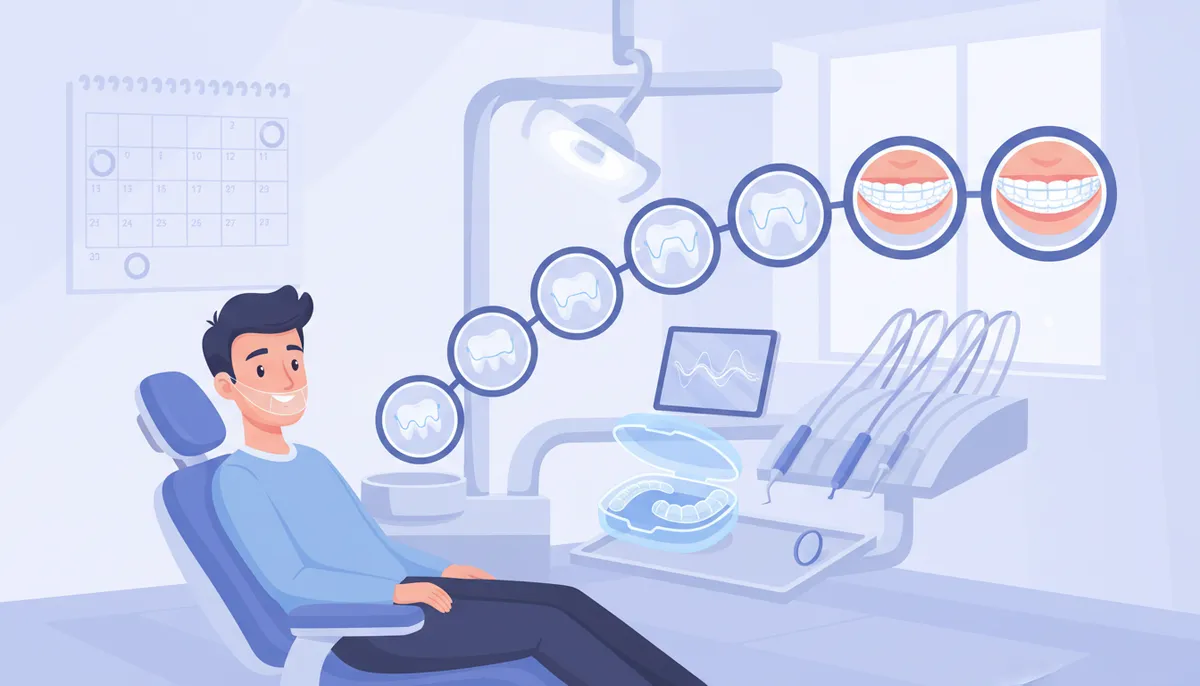
The initial consultation involves comprehensive diagnostic tests like X-rays and photographs to assess dental structure and identify specific alignment issues.
-
A personalized treatment plan is created, outlining the type of orthodontic appliance, estimated treatment duration, and expected outcomes.
-
Regular adjustment appointments every 4-8 weeks are crucial for monitoring progress and making necessary modifications to keep teeth moving correctly.
-
Retainers are essential after treatment to prevent teeth from shifting back to their original positions, and wearing them consistently is key to maintaining results.
-
Patient compliance significantly impacts treatment success, including wearing prescribed appliances, maintaining oral hygiene, and attending all scheduled appointments.
-
Treatment duration varies based on individual factors like age, severity of misalignment, and how closely the patient follows the orthodontist's recommendations.
Getting braces or clear aligners can feel overwhelming if you don’t know what to expect. The orthodontic treatment process involves several clear steps designed to give you a straight, healthy smile. Understanding each phase helps you prepare mentally and physically for the journey ahead. Whether you’re a parent researching options for your child or an adult considering treatment for yourself, knowing what happens at each stage makes the experience less stressful. This guide walks you through the nine essential steps from your first consultation to wearing retainers, so you can feel confident about your orthodontic care.
Step 1: Initial Consultation and Assessment
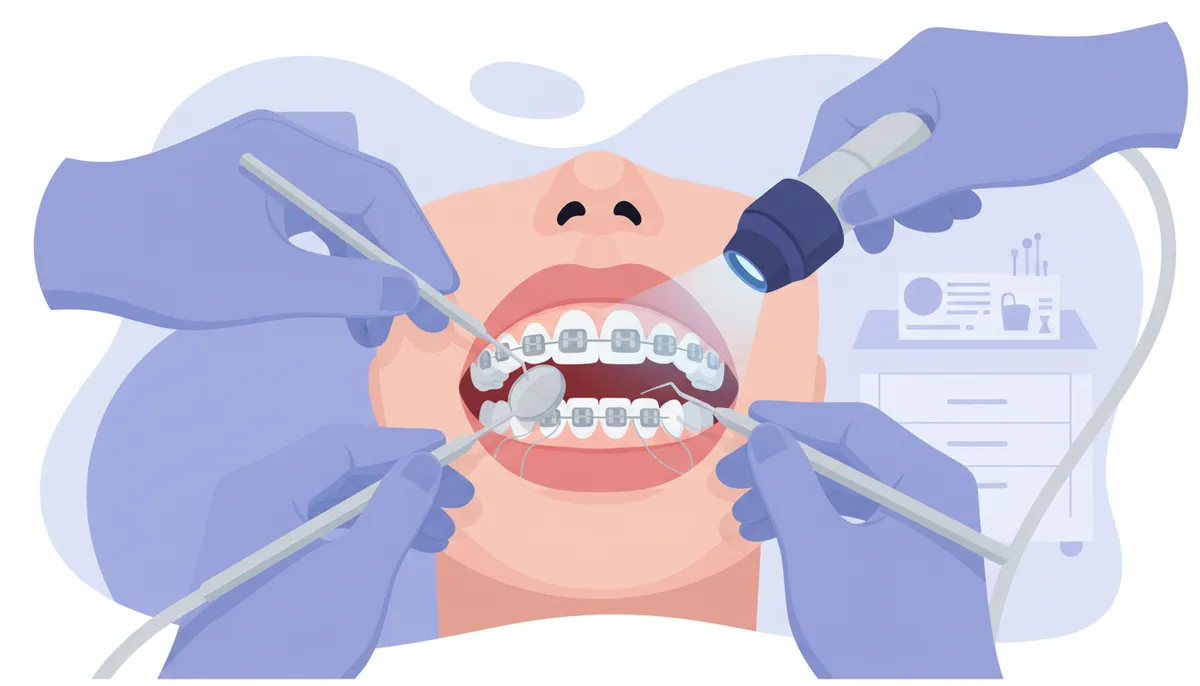
Your orthodontic journey begins with a thorough consultation. During this first visit, the orthodontist reviews your medical and dental history to understand your overall health. They examine your teeth, gums, jaw, and bite to identify any alignment issues. This step typically includes taking X-rays, photographs of your face and teeth, and impressions of your mouth. These diagnostic tools create a complete picture of your dental structure.
The orthodontist looks for problems like crowding, gaps, overbites, underbites, and crossbites. They also check how your upper and lower jaws fit together. This initial assessment usually takes about an hour. After the examination, the orthodontist discusses their findings with you and explains what treatment options might work best for your specific needs. At Chacon Orthodontics, your first visit sets the foundation for a personalized treatment plan.
Step 2: Creating Your Customized Treatment Plan
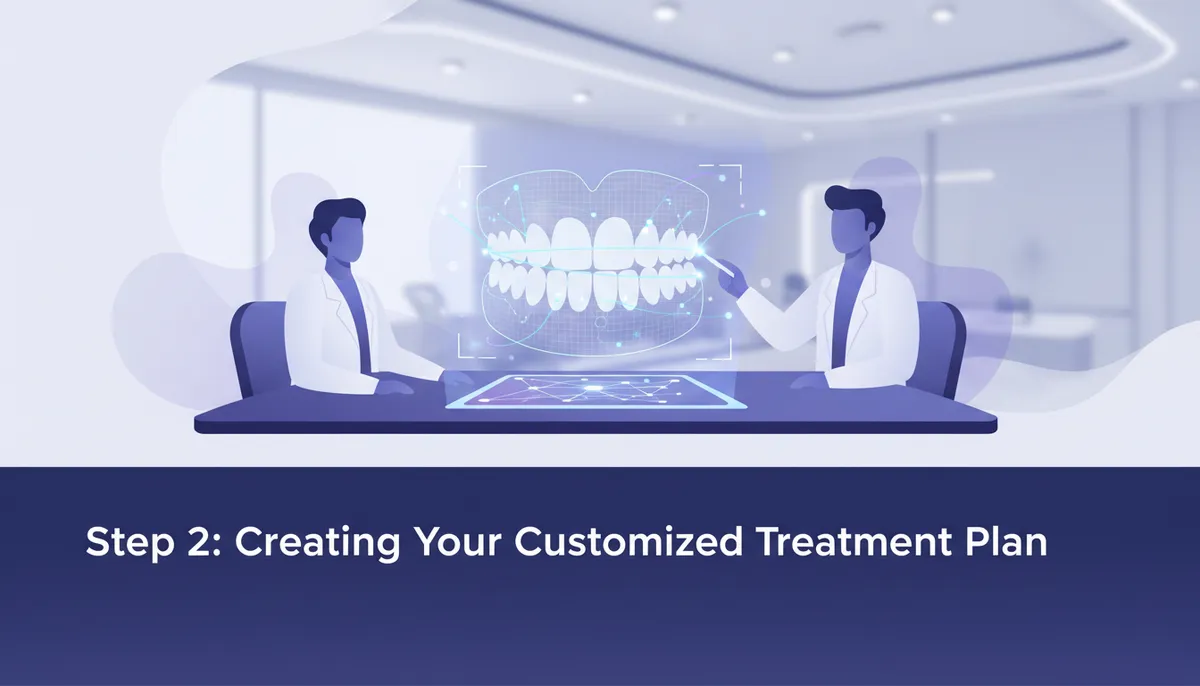
After the initial assessment, the orthodontist develops a treatment plan tailored to your unique situation. This plan outlines which appliances will be used, such as traditional metal braces, ceramic braces, or clear aligners. The orthodontist explains how long treatment will take, which typically ranges from 6 to 30 months depending on the complexity of your case.
The treatment plan includes details about any preparatory work needed before placing braces or aligners. Some patients need spacers between teeth or extractions to create room for proper alignment. The orthodontist also discusses the cost, payment plans, and insurance coverage. This is your opportunity to ask questions about the process, expected results, and what lifestyle adjustments you might need to make. A clear treatment plan removes uncertainty and helps you commit to the journey ahead.
Step 3: Placement of Orthodontic Appliances
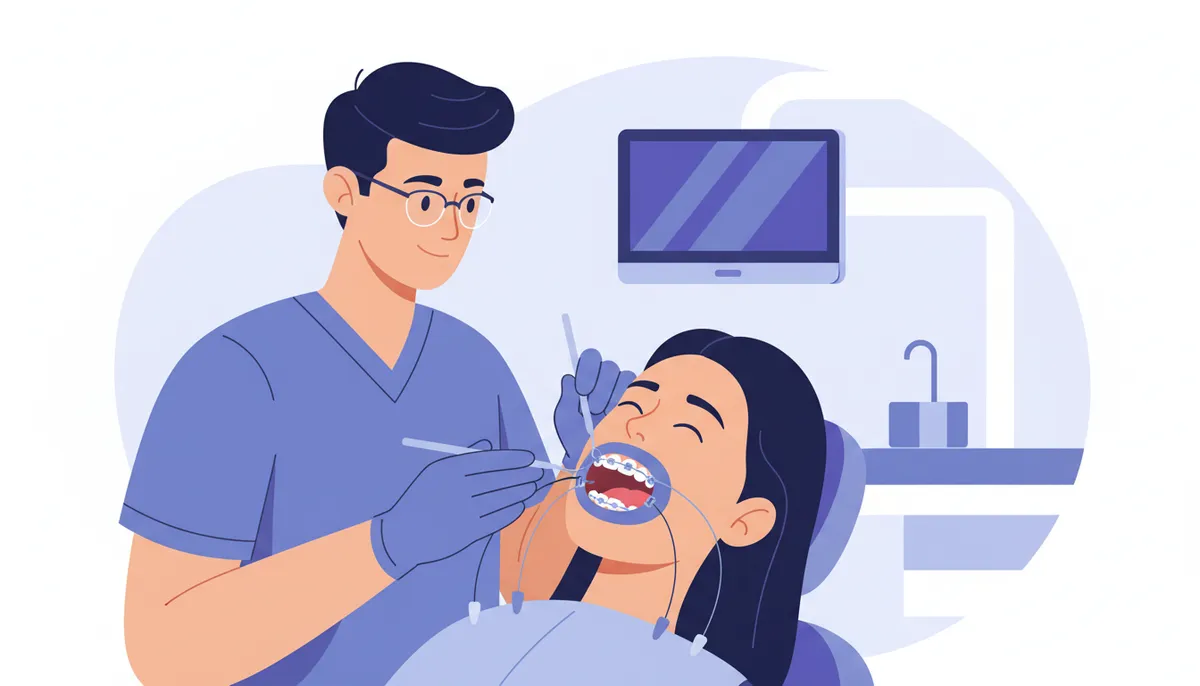
Once you approve the treatment plan, the next step is placing your orthodontic appliances. For traditional custom braces, the orthodontist cleans and dries your teeth before applying a special adhesive. They attach brackets to each tooth and connect them with an archwire. This appointment usually takes one to two hours. You might feel pressure but not pain during the process.
If you choose clear aligners like Invisalign, the orthodontist provides you with your first set of aligners and shows you how to insert and remove them. They may attach small tooth-colored attachments to your teeth to help the aligners grip better. The orthodontist explains how to care for your new appliances and what foods to avoid if you have braces. This appointment marks the official start of your active treatment phase.

Step 4: Regular Adjustment Appointments
Throughout your treatment, you’ll visit the orthodontist every 4 to 8 weeks for adjustments. During these appointments, the orthodontist checks your progress and makes necessary changes to keep your teeth moving correctly. For braces, they may tighten the wires, change elastic bands, or replace worn components. These adjustments apply gentle pressure to guide your teeth into their proper positions.
For clear aligner patients, these visits ensure you’re switching to new aligners on schedule and that your teeth are tracking properly. The orthodontist examines whether teeth are moving as planned and may modify the treatment if needed. These regular checkups are essential for staying on track. Missing appointments can delay your treatment timeline. Each visit usually takes 20 to 30 minutes, making it easy to fit into your schedule.
| Appointment Type | Frequency | Duration | Purpose |
|---|---|---|---|
| Initial Consultation | Once | 60 minutes | Assessment and diagnosis |
| Appliance Placement | Once | 1-2 hours | Installing braces or starting aligners |
| Regular Adjustments | Every 4-8 weeks | 20-30 minutes | Progress checks and modifications |
| Debanding/Removal | Once | 30-60 minutes | Removing appliances |
| Retention Follow-ups | Every 6-12 months | 15-20 minutes | Monitoring stability |
Step 5: Initial Alignment Phase
The first few months of treatment focus on resolving major alignment issues. During this phase, your teeth begin shifting from their original positions toward straighter alignment. You might experience some discomfort as your teeth adjust to the pressure from braces or aligners. This discomfort is normal and usually mild, feeling like soreness or tenderness.
Your teeth may feel loose during this phase, which is a sign that they’re moving correctly. The orthodontist concentrates on creating space for crowded teeth and closing large gaps. You’ll notice visible changes in your smile during this stage. Maintaining good oral hygiene becomes crucial as brackets and wires can trap food particles. Brushing after every meal and using special flossing tools helps prevent cavities and gum problems while your teeth are moving.
Step 6: Bite Correction and Fine-Tuning
After the initial alignment, treatment shifts to correcting your bite and fine-tuning tooth positions. The orthodontist works to ensure your upper and lower teeth fit together properly when you close your mouth. This phase addresses issues like overbites, underbites, and crossbites that affect how you chew and speak.
Elastic bands often play a key role during this stage, connecting upper and lower teeth to adjust jaw position. You must wear these elastics exactly as instructed for the best results. The orthodontist makes precise adjustments to position each tooth at the perfect angle and height. This detailed work takes patience but creates a functional, beautiful smile. According to orthodontics principles, proper bite alignment prevents future dental problems and jaw pain.
Step 7: Removal of Orthodontic Appliances
When your teeth have reached their ideal positions, it’s time to remove your braces. This process, called debanding, involves carefully taking off each bracket and cleaning away the adhesive. The orthodontist uses special tools that pop the brackets off without damaging your tooth enamel. They then polish your teeth to remove any remaining residue, revealing your new smile.
For clear aligner patients, this step simply means stopping the aligner series once treatment goals are achieved. The orthodontist takes final photographs and impressions to document your results and create retainers. Seeing your straight teeth for the first time is exciting. The entire removal appointment usually takes 30 to 60 minutes. Many practices, including Chacon Orthodontics, celebrate this milestone with photos and congratulations.
What Happens During Debanding
The debanding process is painless, though you might feel some pressure as brackets are removed. The orthodontist gently squeezes each bracket with pliers to release it from the tooth surface. After removing all brackets and wires, they use a scaling tool to scrape off adhesive residue. Finally, they polish your teeth to make them smooth and shiny. You can visit us on Google to see testimonials from patients who have completed this exciting step.
Step 8: Starting the Retention Phase
The retention phase begins immediately after removing your braces. Retainers are essential because teeth naturally want to shift back to their original positions. Without retainers, your teeth can move out of alignment within weeks or months, undoing all your hard work. The orthodontist provides you with either removable retainers or fixed retainers bonded to the back of your teeth.
Initially, you’ll wear your removable retainers full-time, taking them out only to eat and brush your teeth. After several months, most patients transition to wearing retainers only at night. Fixed retainers stay in place permanently, providing continuous support. The orthodontist explains how to clean your retainers and care for them properly. Clear retainers offer a discreet option that many adults prefer.
| Retainer Type | Pros | Cons | Best For |
|---|---|---|---|
| Removable Clear | Invisible, comfortable, easy to clean | Can be lost, requires discipline | Adults wanting discretion |
| Removable Hawley | Durable, adjustable, customizable | Visible metal wire, bulkier | Younger patients, long-term use |
| Fixed Lingual | Always working, can’t be lost | Harder to clean, permanent | Patients who forget to wear removables |
Step 9: Long-Term Retention and Follow-Up
The retention phase is lifelong, not temporary. Most orthodontists recommend wearing retainers every night indefinitely to maintain your results. You’ll have follow-up appointments every 6 to 12 months so the orthodontist can check that your teeth remain stable and your retainers still fit properly. These visits catch any minor shifting early before it becomes a bigger problem.
During these appointments, the orthodontist examines your bite, checks for wear on your retainers, and answers any concerns you have. If you notice your teeth starting to shift, contact your orthodontist right away. Early intervention can prevent the need for retreatment. Taking care of your retainers by cleaning them daily and storing them safely ensures they last for years. Many patients find that wearing retainers at night becomes a simple habit, like brushing teeth.
Tips for Successful Long-Term Retention
- Wear your retainers every night without skipping
- Clean retainers daily with a soft toothbrush and mild soap
- Store retainers in their protective case when not wearing them
- Keep retainers away from heat, which can warp the plastic
- Bring retainers to all follow-up appointments for inspection
- Replace worn or damaged retainers promptly
Factors That Affect Your Treatment Timeline
Several factors influence how long your orthodontic treatment takes. The severity of your misalignment is the biggest factor. Minor crowding might only need 6 to 12 months, while complex cases involving jaw problems can take 24 to 30 months. Your age also matters, as younger patients’ teeth typically move faster than adult teeth due to bone density differences.
Patient compliance plays a huge role in staying on schedule. Wearing elastics as directed, keeping appointments, maintaining excellent oral hygiene, and following dietary restrictions all help treatment progress smoothly. Missing appointments or breaking brackets by eating forbidden foods can add months to your timeline. The type of appliance you choose also affects duration, with some systems working faster than others for certain problems.
How Patient Compliance Impacts Success
Your active participation determines treatment success. Patients who follow instructions carefully finish treatment faster and get better results. Wearing clear aligners for the recommended 20 to 22 hours daily ensures teeth move as planned. Neglecting oral hygiene can cause cavities or gum disease that pause treatment. Attending all scheduled appointments keeps your treatment on track and allows the orthodontist to make timely adjustments.
| Compliance Factor | Impact on Treatment | Recommended Action |
|---|---|---|
| Wearing Elastics | Critical for bite correction | Wear 24/7 except when eating |
| Oral Hygiene | Prevents treatment delays | Brush after meals, floss daily |
| Appointment Attendance | Keeps treatment progressing | Schedule and keep all visits |
| Dietary Restrictions | Prevents broken appliances | Avoid hard, sticky, crunchy foods |
| Aligner Wear Time | Essential for tooth movement | Wear 20-22 hours per day |
Treatment Options for Different Age Groups
Orthodontic treatment works differently for children, teens, and adults. Children as young as seven may benefit from early interceptive treatment to guide jaw growth and create space for permanent teeth. These early interventions can make later treatment shorter and less complex. Most comprehensive treatment happens during the teen years when all permanent teeth have emerged.
Teenagers often choose traditional orthodontic braces or clear aligners depending on their lifestyle and aesthetic preferences. Adults seek orthodontic care for both health and cosmetic reasons. Adult treatment may take slightly longer due to denser bone, but modern options like clear aligners make treatment discreet. Many adults also pursue teeth whitening after orthodontics to enhance their new smile even further.
Why Adults Choose Orthodontic Treatment
- Improve confidence and self-esteem with a straighter smile
- Correct bite problems that cause jaw pain or headaches
- Prepare for dental restorations like crowns or implants
- Address teeth that shifted after previous orthodontic treatment
- Enhance professional appearance for career advancement
- Improve oral health by making teeth easier to clean
Maintaining Oral Health During Treatment
Keeping your teeth and gums healthy during orthodontic treatment requires extra effort. Brackets and wires create more surfaces where food and plaque can accumulate. Brushing after every meal prevents cavities and keeps your appliances clean. Use a soft-bristled toothbrush and fluoride toothpaste, angling the brush to clean around brackets and under wires.
Flossing becomes more challenging with braces but remains essential. Floss threaders or water flossers help you clean between teeth and under wires. Your orthodontist may recommend special interdental brushes to reach tight spaces. Regular dental cleanings every six months remove buildup that home care misses. Avoid sugary and acidic foods that increase cavity risk. Good oral hygiene protects your investment in orthodontic treatment and ensures your newly straightened teeth stay healthy.
Understanding Treatment Costs and Payment Options
Orthodontic treatment is an investment in your health and confidence. Costs vary based on treatment complexity, appliance type, and treatment duration. Traditional braces typically cost less than clear aligners, though pricing depends on individual cases. Many orthodontic practices offer flexible payment plans that spread the cost over your treatment period, making care more affordable.
Most dental insurance plans provide some orthodontic coverage, especially for children under 18. Adults may have limited or no coverage, but flexible spending accounts can help. At Chacon Orthodontics, the team works with you to maximize your insurance benefits and create a payment plan that fits your budget. Getting an accurate cost estimate during your consultation helps you plan financially for treatment.
The orthodontic treatment process transforms your smile through a series of well-planned steps. From your initial consultation through the retention phase, each stage brings you closer to straight, healthy teeth. Understanding what to expect at each step helps you feel prepared and confident. Success depends on choosing an experienced orthodontist, following instructions carefully, and staying committed to the process. While treatment requires time and effort, the result—a beautiful, functional smile that lasts a lifetime—makes it worthwhile. Schedule your free consultation today to begin your journey toward the smile you’ve always wanted.
FAQs
Q: How long does the entire orthodontic treatment process take?
A: The complete orthodontic treatment process typically lasts between 6 to 30 months, depending on the severity of your misalignment and the type of treatment you choose. Simple cases with minor crowding may finish in 6 to 12 months, while complex cases involving bite correction and jaw alignment can take 24 to 30 months. Patient compliance with wearing elastics, attending appointments, and maintaining oral hygiene also affects the timeline.
Q: What happens during the first orthodontic consultation?
A: During your first orthodontic consultation, the orthodontist reviews your medical and dental history and examines your teeth, gums, jaw, and bite. They take X-rays, photographs, and impressions to assess your dental structure. The orthodontist identifies alignment issues and discusses potential treatment options, expected timeline, and costs. This appointment usually takes about an hour and helps create a foundation for your personalized treatment plan.
Q: Do I need to wear retainers forever after braces?
A: Yes, wearing retainers is a lifelong commitment to maintain your straight smile. Initially, you’ll wear retainers full-time, then transition to nighttime wear after several months. Most orthodontists recommend wearing retainers every night indefinitely because teeth naturally want to shift back to their original positions. Regular follow-up appointments help ensure your teeth remain stable and your retainers fit properly.
Q: What is the difference between braces and clear aligners in the treatment process?
A: Both braces and clear aligners follow the same basic treatment process with some differences. Braces use brackets and wires that are permanently attached and adjusted every 4 to 8 weeks. Clear aligners are removable trays that you change every one to two weeks. Braces work continuously, while aligners require you to wear them 20 to 22 hours daily. Both options can achieve excellent results when used correctly.
Q: How often will I need orthodontic adjustment appointments?
A: During active orthodontic treatment, you’ll visit your orthodontist every 4 to 8 weeks for adjustment appointments. These visits typically last 20 to 30 minutes and allow the orthodontist to check your progress and make necessary changes. For braces, they tighten wires and change elastics. For clear aligners, they ensure your teeth are tracking properly. Regular attendance at these appointments is essential for staying on schedule and achieving the best results.