
Key Takeaways
-
Clear aligners offer a discreet, flexible orthodontic solution for professionals and teens, allowing normal eating and easy oral hygiene.
-
Advanced technologies like 3D imaging and AI now enable highly personalized treatment plans with unprecedented precision and predictability.
-
Metal braces remain the most comprehensive solution for complex orthodontic issues, especially for children and teenagers with significant alignment needs.
-
Treatment costs range from $3,500 to $10,000, depending on complexity and chosen method, with insurance often covering a portion of expenses.
-
Retainers are crucial for maintaining orthodontic results, typically requiring full-time wear initially and then transitioning to nighttime use.
Choosing the right orthodontic treatment can feel overwhelming with so many options available in 2026. Whether you’re a parent researching solutions for your child, a teenager preparing for prom, or an adult professional looking to improve your smile discreetly, understanding your choices is the first step toward confident decision-making. Modern orthodontics offers more personalized, comfortable, and efficient treatments than ever before. From classic metal braces that have stood the test of time to innovative clear aligners that fit seamlessly into busy lifestyles, today’s orthodontic solutions cater to diverse needs, budgets, and aesthetic preferences. This guide breaks down the most popular orthodontic treatment options available, helping you make an informed choice that aligns with your goals and lifestyle.
Understanding Orthodontic Treatment in 2026
Orthodontic treatment has evolved dramatically over the past decade. Advanced technologies like artificial intelligence, 3D imaging, and digital planning now guide treatment decisions with unprecedented precision. These innovations reduce errors, shorten treatment times, and deliver more predictable results. According to the 2026 American Association of Orthodontists (AAO) guidelines, modern orthodontics prioritizes biological adaptability and patient-centered care. This means treatments are customized to your unique dental structure, growth patterns, and personal preferences. Whether you need simple alignment corrections or complex bite adjustments, today’s orthodontic options can address virtually any concern. Over 70% of orthodontists report a significant rise in adult patients seeking treatments that balance effectiveness with convenience and aesthetics.

Traditional Metal Braces: The Time-Tested Solution
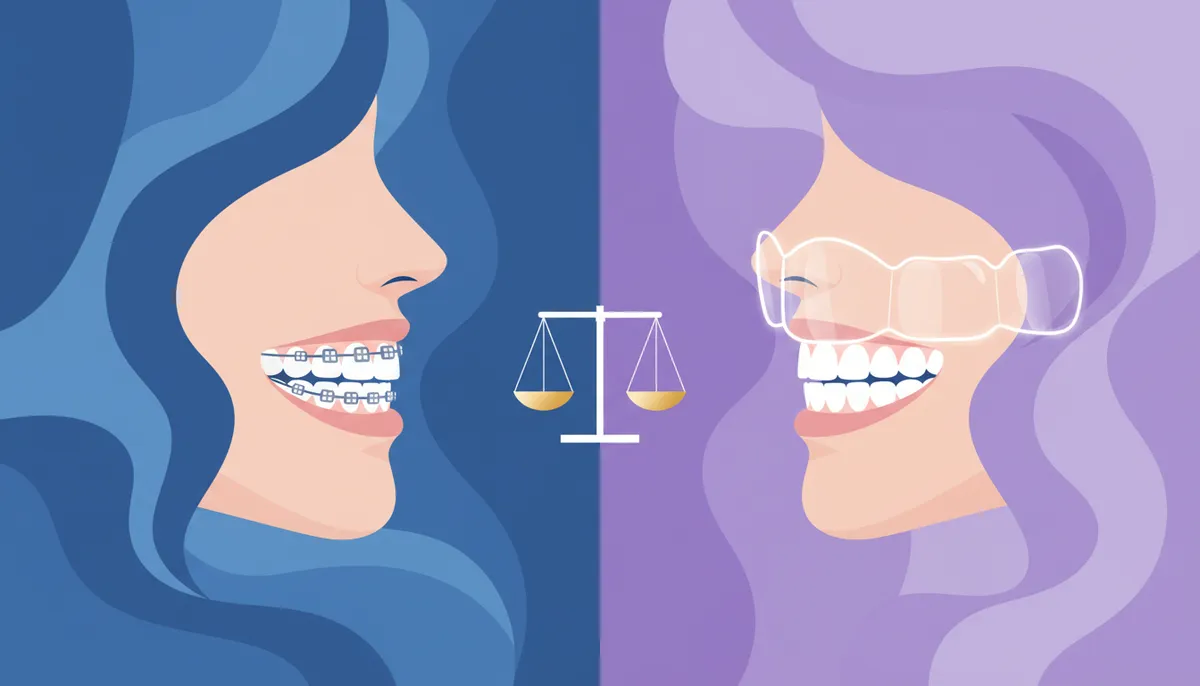
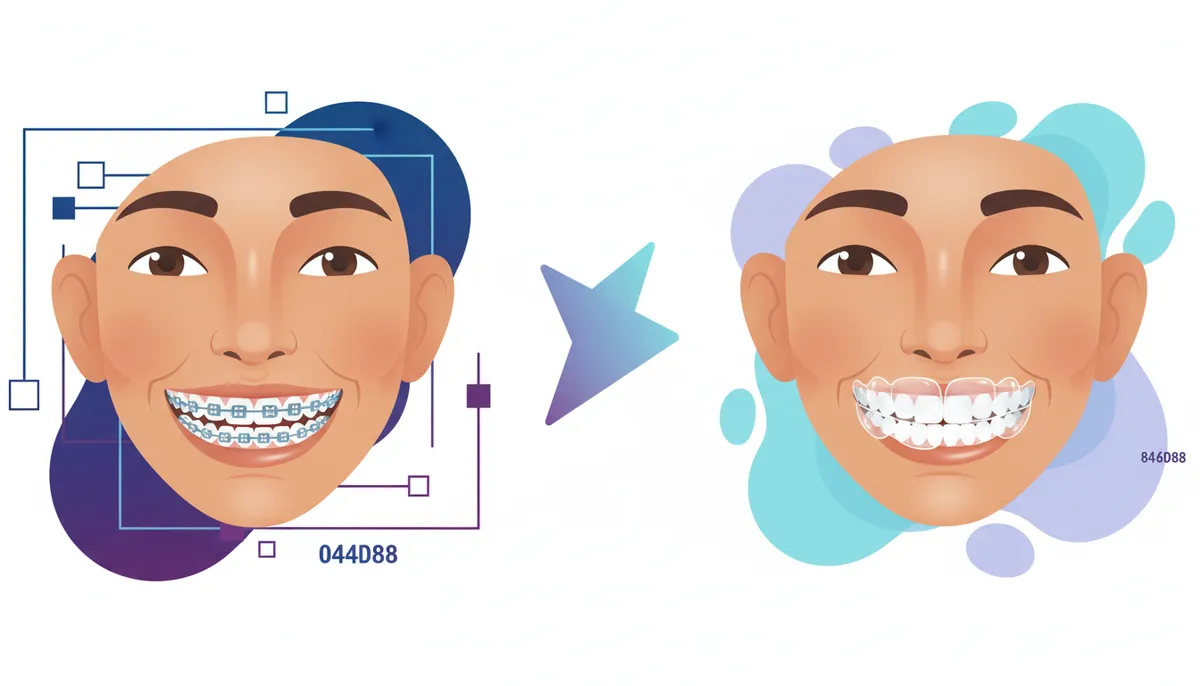
Traditional metal braces remain the gold standard for comprehensive orthodontic correction. These braces consist of metal brackets bonded to teeth and connected by wires that gradually shift teeth into proper alignment. Metal braces excel at treating complex cases, including severe crowding, significant bite problems, and rotated teeth. They provide orthodontists with precise control over tooth movement in all directions. For children and teens, metal braces offer the most affordable option, typically costing between $3,500 and $6,000 depending on treatment complexity. Modern metal braces are smaller and more comfortable than previous generations, reducing irritation and improving aesthetics. They require monthly adjustments and work continuously, making them ideal for patients who might struggle with the discipline required for removable appliances.
Who Benefits Most from Metal Braces
Metal braces work best for patients with complex orthodontic needs. If you have severe crowding, large gaps, significant overbites or underbites, or teeth that need vertical repositioning, metal braces provide the comprehensive control needed for optimal results. They’re particularly effective for younger patients whose jaws are still growing, allowing orthodontists to guide jaw development while aligning teeth. Parents often choose metal braces for their children because they’re fixed in place, eliminating concerns about lost or forgotten removable appliances. Athletes and active individuals appreciate that metal braces stay secure during sports and physical activities. The treatment timeline typically ranges from 18 to 36 months, depending on the severity of misalignment.
Clear Aligners: The Discreet Alternative
Clear aligners have revolutionized orthodontics by offering a nearly invisible treatment option. These custom-made plastic trays fit snugly over your teeth and gradually shift them into alignment. Each set of aligners is worn for one to two weeks before progressing to the next set in the series. Clear aligners like Invisalign have become increasingly popular among adults and teens who value aesthetics and flexibility. In 2026, digital scanning and 3D printing technologies have improved aligner precision significantly, making them effective for a wider range of orthodontic issues than ever before. Clear aligners are removable, allowing you to eat whatever you want, maintain excellent oral hygiene, and remove them for special occasions. According to Wikipedia, clear aligners work through controlled force application that stimulates bone remodeling around tooth roots.
The Clear Aligner Lifestyle Advantage
Clear aligners fit seamlessly into busy professional and social lifestyles. Working professionals appreciate the ability to straighten their teeth without the obvious appearance of traditional braces during client meetings and presentations. Teens love the confidence of smiling naturally in photos without metal brackets showing. The removable nature means you can enjoy your favorite foods without restrictions and brush and floss normally, reducing the risk of cavities during treatment. Clear aligners require wearing the trays 20-22 hours daily for optimal results. Remote monitoring tools now allow virtual check-ins with your orthodontist, reducing office visits and saving time. Treatment typically takes 12 to 18 months for moderate cases, though complex situations may require longer. Costs range from $4,000 to $8,000, positioning them as a premium option compared to traditional braces.

Ceramic and Clear Braces: Blending Function and Aesthetics
Ceramic braces offer a middle ground between traditional metal braces and clear aligners. These braces function identically to metal braces but use tooth-colored or clear ceramic brackets that blend with your natural teeth. The brackets are bonded to the front of your teeth and connected by wires, which can also be tooth-colored for added discretion. Ceramic braces provide the comprehensive treatment capabilities of metal braces while addressing aesthetic concerns. They’re particularly popular among teens and young adults who want effective treatment without the obvious appearance of metal hardware. According to recent surveys, 41% of teens feel embarrassed by traditional metal braces, driving demand for more discreet options like ceramic brackets.
Ceramic Braces Considerations
While ceramic braces offer aesthetic advantages, they require some special considerations. The ceramic material is slightly more fragile than metal, meaning brackets may chip or break if subjected to excessive force. Patients need to avoid hard, crunchy foods and be mindful during brushing. Ceramic brackets are also larger than metal brackets, which can make them feel more noticeable on your teeth despite their color-matching properties. The cost typically ranges from $4,000 to $7,000, falling between metal braces and clear aligners. Treatment duration mirrors that of traditional braces, usually 18 to 36 months. The elastic ties holding wires to ceramic brackets can stain from foods like curry, coffee, and berries, though these are replaced at each adjustment appointment.
Lingual Braces: The Hidden Treatment Option
Lingual braces represent the most discreet fixed orthodontic option available. Unlike traditional braces attached to the front of teeth, lingual braces are bonded to the back surfaces of teeth, making them completely invisible when you smile. They work on the same mechanical principles as traditional braces, using brackets and wires to guide teeth into proper alignment. Lingual braces appeal to adults in professional settings where visible orthodontic appliances might feel inappropriate. Actors, models, musicians, and public speakers often choose lingual braces for their complete invisibility. The treatment delivers comprehensive results comparable to traditional braces while maintaining a natural appearance throughout the process.
Lingual Braces Investment and Commitment
Lingual braces require significant investment in both cost and adaptation time. Because they’re custom-made for the back surfaces of your teeth and require specialized placement techniques, they’re the most expensive orthodontic option, typically costing $8,000 to $10,000. The placement on the tongue side of teeth creates an initial adjustment period where speech may be temporarily affected and tongue irritation is common. Most patients adapt within two to four weeks. Oral hygiene becomes more challenging since you’re cleaning brackets you can’t easily see. Treatment duration is similar to traditional braces, ranging from 18 to 36 months. Not all orthodontists offer lingual braces due to the specialized training required, so availability may be limited in some areas.
Comparing Orthodontic Treatment Options
| Treatment Type | Visibility | Cost Range | Treatment Time | Best For |
|---|---|---|---|---|
| Metal Braces | Highly visible | $3,500-$6,000 | 18-36 months | Complex cases, all ages, budget-conscious |
| Clear Aligners | Nearly invisible | $4,000-$8,000 | 12-18 months | Mild to moderate cases, adults, professionals |
| Ceramic Braces | Low visibility | $4,000-$7,000 | 18-36 months | Aesthetic-conscious teens and adults |
| Lingual Braces | Completely hidden | $8,000-$10,000 | 18-36 months | Complete discretion needed, professionals |
Advanced Technologies Enhancing Treatment Outcomes
Artificial intelligence and 3D imaging have transformed orthodontic planning in 2026. Cone beam computed tomography (CBCT) scans create detailed three-dimensional models of your jaw, teeth, and surrounding structures. These images allow orthodontists to visualize treatment outcomes before beginning and identify potential complications early. AI-driven software analyzes thousands of previous cases to predict treatment timelines and recommend optimal approaches for your specific situation. Digital impressions using intraoral scanners have replaced uncomfortable putty molds, improving accuracy while enhancing patient comfort. These technologies reduce human error and enable customized treatment plans that respect your unique biological characteristics. Remote monitoring tools using smartphone photos allow orthodontists to track progress between appointments, catching issues early and reducing unnecessary office visits.
Accelerated Treatment Methods
Emerging techniques are reducing orthodontic treatment times significantly. Microperforations, tiny controlled punctures in the bone surrounding teeth, stimulate bone remodeling and accelerate tooth movement by up to 30%. This technique is minimally invasive and can be combined with any orthodontic treatment type. Researchers are also exploring autophagy-driven methods that naturally enhance the body’s cellular processes to speed alignment. Vibration devices that patients use for short periods daily have shown promise in accelerating tooth movement while reducing discomfort. These innovations mean patients can achieve their ideal smiles faster than ever before, with some treatments completing in as little as six to twelve months for moderate cases.
Specialized Treatment Options for Different Ages
Orthodontic needs vary significantly across different life stages. For children aged 7-11, early interceptive treatment may include palatal expanders, space maintainers, or partial braces to guide jaw growth and create room for permanent teeth. These early interventions often make later comprehensive treatment shorter and simpler. Teenagers typically receive comprehensive treatment with metal braces, ceramic braces, or clear aligners to correct alignment and bite issues. Treatment during the teen years takes advantage of active growth patterns for optimal results. Adult orthodontics has grown significantly, with over 70% of orthodontists reporting increased adult patient volumes. Adults often have different priorities, seeking treatments that minimize appearance impact and fit busy schedules. Adult patients may also need to address periodontal health or previous dental work before beginning orthodontic treatment.
Retainers: Protecting Your Investment
Regardless of which orthodontic treatment you choose, retainers are essential for maintaining results. After active treatment ends, teeth have a natural tendency to shift back toward their original positions. Retainers hold teeth in their new alignment while surrounding bone and tissues stabilize. Clear retainers, similar in appearance to aligners, are popular for their discreet look and comfortable fit. Fixed retainers, thin wires bonded to the back of front teeth, provide permanent retention without requiring patient compliance. Hawley retainers, made from acrylic and wire, are durable and adjustable. Most orthodontists recommend wearing retainers full-time for the first six months after treatment, then transitioning to nighttime wear indefinitely. Proper retainer use is crucial for protecting the investment you’ve made in your smile.
Factors Influencing Treatment Choice
Several key factors should guide your orthodontic treatment decision:
- Complexity of your case: Severe crowding, significant bite problems, and impacted teeth typically require fixed braces for comprehensive control
- Aesthetic preferences: If discretion is important, clear aligners or lingual braces may be worth the additional investment
- Budget constraints: Metal braces offer excellent results at the most accessible price point
- Lifestyle considerations: Removable aligners suit busy professionals who need flexibility
- Age and compliance: Younger patients may benefit from fixed braces that don’t require discipline to wear
- Treatment timeline: Clear aligners often complete faster for moderate cases, while complex issues may need traditional braces
Insurance and Financial Considerations
Understanding the financial aspects of orthodontic treatment helps you plan effectively. Many dental insurance plans cover a portion of orthodontic treatment, typically $1,000 to $2,000 lifetime maximum for children under 18. Adult coverage varies widely, with some plans offering no orthodontic benefits. At Chacon Orthodontics, we work with most major insurance providers to maximize your benefits. Flexible payment plans make treatment accessible by spreading costs over monthly installments, often with no interest for qualified patients. Health Savings Accounts (HSAs) and Flexible Spending Accounts (FSAs) allow you to use pre-tax dollars for orthodontic care, effectively reducing your out-of-pocket costs. Many practices offer family discounts when multiple members receive treatment simultaneously. The investment in orthodontic treatment extends beyond aesthetics, improving oral health, function, and confidence for a lifetime.
The Treatment Journey: What to Expect
Your orthodontic journey begins with a comprehensive consultation. During your first visit, the orthodontist examines your teeth, takes X-rays and photos, and discusses your concerns and goals. Digital scans create precise models of your teeth for treatment planning. The orthodontist explains which treatment options suit your needs and presents a customized plan with timeline and cost estimates. Once you choose your treatment, the placement appointment involves bonding brackets (for braces) or receiving your first aligner sets (for clear aligners). Follow-up appointments occur every 4-8 weeks for braces adjustments or aligner progress checks. Throughout treatment, you’ll see gradual improvements in your smile. The final phase includes removing braces or completing your aligner series, followed by retainer fitting to maintain results.
Maintaining Results for Life
Long-term success requires ongoing commitment after active treatment ends. Wearing retainers as prescribed is the single most important factor in maintaining your new smile. Regular dental cleanings and checkups help identify any shifting early when it’s easiest to correct. Some patients experience orthodontic relapse years after treatment, often due to inconsistent retainer wear, wisdom teeth eruption, or natural aging changes. If relapse occurs, retreatment options include new aligners or limited braces to restore alignment. Good oral hygiene prevents gum disease, which can cause teeth to shift. Avoiding habits like nail biting, pen chewing, and tongue thrusting helps preserve alignment. Many adults who had childhood orthodontics seek retreatment in their 30s or 40s to refresh their smiles, and modern options make this process easier and more discreet than ever.
Making Your Decision
Choosing the right orthodontic treatment is a personal decision based on your unique needs, preferences, and circumstances. Consider what matters most to you: speed, discretion, cost, or comprehensive correction. Consult with an experienced orthodontist who can assess your specific situation and recommend appropriate options. Ask questions about treatment duration, costs, payment plans, and what to expect throughout the process. Look at before-and-after photos of cases similar to yours. Read reviews from other patients to understand their experiences. Remember that the best treatment is the one you’ll commit to completing. A less expensive option that you abandon halfway through provides no benefit, while a higher investment in treatment that suits your lifestyle delivers lasting results.
Conclusion
Modern orthodontics offers more choices than ever before, with treatments designed to fit diverse needs, lifestyles, and budgets. From proven traditional metal braces to innovative clear aligners, ceramic brackets, and hidden lingual options, today’s solutions deliver excellent results while respecting your preferences. Advanced technologies like AI planning, 3D imaging, and accelerated treatment methods have made orthodontic care more precise, comfortable, and efficient than previous generations could have imagined. Whether you’re seeking treatment for yourself or your child, understanding your options empowers you to make confident decisions about your oral health. The investment in orthodontic treatment pays dividends throughout your lifetime through improved oral health, enhanced function, and the confidence that comes with a beautiful smile. At Chacon Orthodontics, we’re committed to helping you navigate your options and achieve the smile you’ve always wanted. Schedule your complimentary consultation today to explore which treatment option is right for you.
FAQs
Q: What is the most affordable orthodontic treatment option?
A: Traditional metal braces are typically the most affordable option, costing between $3,500 and $6,000. They provide comprehensive correction for all types of orthodontic issues and are particularly cost-effective for children and teens. Many practices offer flexible payment plans to make treatment even more accessible.
Q: How long does orthodontic treatment take with clear aligners?
A: Clear aligner treatment typically takes 12 to 18 months for moderate alignment issues. More complex cases may require longer treatment periods, while minor corrections might complete in as little as six months. Treatment speed depends on the severity of misalignment and how consistently you wear your aligners for the recommended 20-22 hours daily.
Q: Can adults get orthodontic treatment?
A: Absolutely. Over 70% of orthodontists report significant increases in adult patients seeking treatment. Adults can benefit from all orthodontic options including traditional braces, clear aligners, ceramic braces, and lingual braces. Modern treatments are designed to fit busy professional lifestyles with discreet options and flexible scheduling.
Q: Which orthodontic treatment is most discreet?
A: Lingual braces are the most discreet option because they’re placed on the back of teeth, making them completely invisible when you smile. Clear aligners are nearly invisible and removable, making them the second most discreet choice. Ceramic braces with tooth-colored brackets offer a less visible alternative to traditional metal braces.
Q: Do I need to wear a retainer after orthodontic treatment?
A: Yes, retainers are essential for maintaining your results after any orthodontic treatment. Teeth have a natural tendency to shift back toward their original positions, so retainers hold them in place while surrounding tissues stabilize. Most orthodontists recommend full-time wear for six months, then nighttime wear indefinitely to protect your investment.