

Key Takeaways
-
Most braces take 12 to 24 months on average according to the American Association of Orthodontists, but simple cases with mild crowding can finish in 6-12 months while complex cases may take up to 3 years or longer.
-
Patient compliance is critical to treatment timeline: missing appointments, breaking brackets, or skipping rubber bands can add months to your treatment, while following instructions consistently keeps you on schedule.
-
Adjustment visits occur every 4-10 weeks where your orthodontist tightens wires and checks progress; regular attendance is essential to keep treatment moving forward efficiently.
-
Clear aligners are not automatically faster than traditional braces; they work best for mild to moderate cases and require 20-22 hours daily wear, while complex bite corrections may take equally long or longer than metal braces.
-
Treatment involves multiple phases beyond just wearing braces: consultation, fitting, adjustment visits, removal, and a retention phase with lifelong retainer wear to prevent teeth from shifting back.
-
Severity of your orthodontic issue, jaw growth, and consistency with instructions matter far more than age; adults can achieve results on schedule just as effectively as teenagers when they follow their treatment plan.
Wondering how long do braces take before you or your child can flash a brand-new smile? You are not alone. It’s one of the very first questions parents, teens, and adults ask when they sit down for their first orthodontic consultation. The honest answer is: it depends on your unique smile, but there are clear patterns that can help you plan ahead.
Whether you’re a busy parent in Westchase juggling school pickups, a teen who wants results before prom, or a working professional squeezing in appointments between meetings, knowing what to expect makes the whole journey feel less overwhelming. At Chacon Orthodontics, Dr. Omar Chacon and his team walk every patient through a personalized timeline so there are no surprises along the way. Let’s break down the real facts, backed by leading dental organizations, so you can feel confident about what’s ahead.
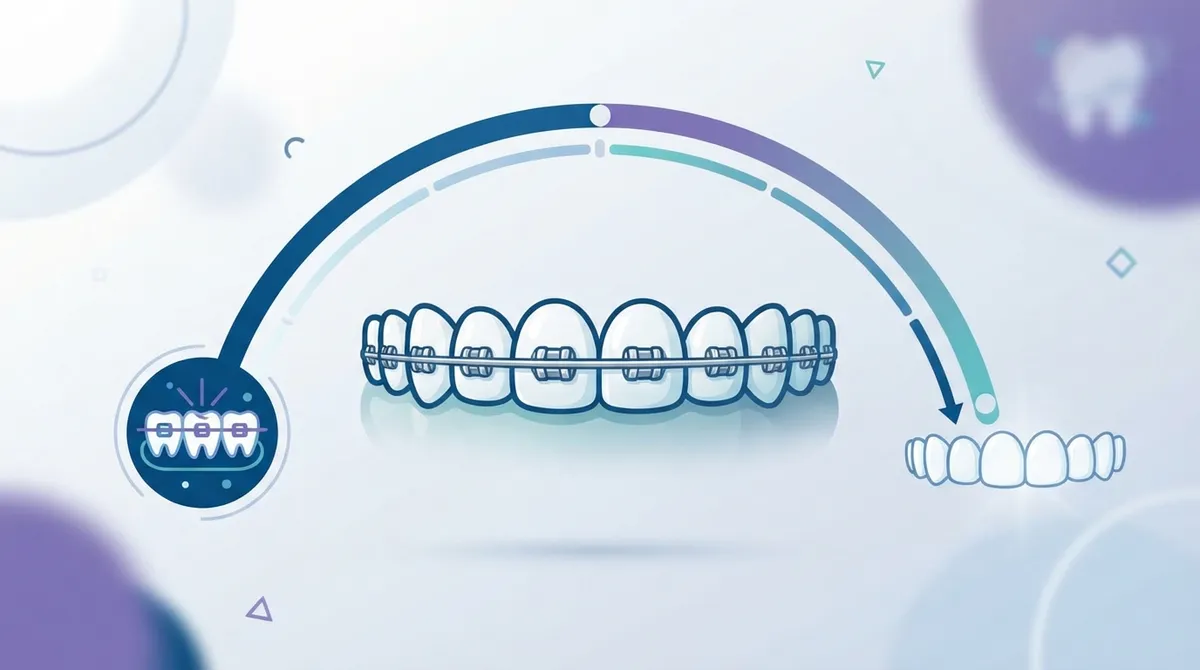
1. Most Braces Take 12 to 24 Months on Average
The good news? Most people don’t wear braces forever. According to the American Association of Orthodontists, typical treatment with fixed braces lasts about 12 to 24 months. The Cleveland Clinic confirms this too, noting an average of around two years for most patients.
Of course, “average” doesn’t mean “everyone.” Some folks finish in less time, while others need a bit longer. Your braces consultation is where your orthodontist maps out your specific timeline based on your teeth, bite, and goals.
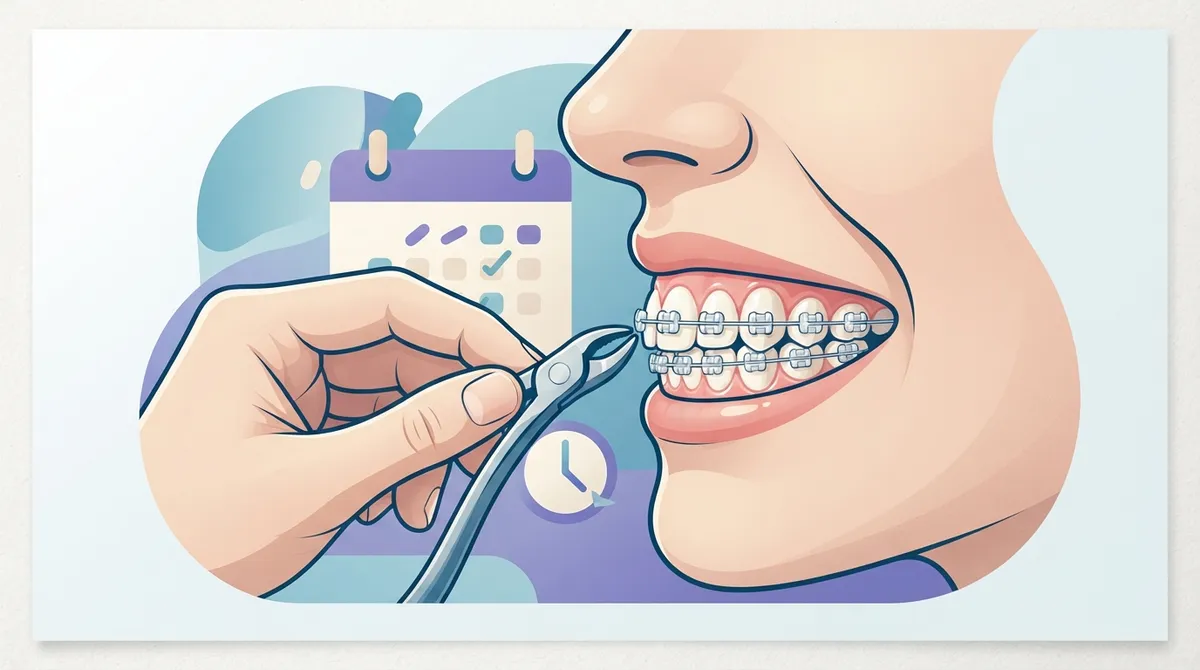
2. Simple Cases Can Wrap Up in Under a Year
Not every smile needs two full years of adjustments. If you only have mild crowding or small gaps, your treatment could be finished in six to twelve months. This is especially common for teens and adults who caught alignment issues early.
Minor cosmetic corrections, like straightening just the front teeth, often move faster too. That said, “fast” treatment still requires patience and consistent visits. Skipping appointments or ignoring instructions can stretch even a simple case into a longer one.
3. Complex Cases May Take Up to Three Years or More
On the other end of the spectrum, some smiles need extra time and care. The NHS reports that certain orthodontic cases take two to three years, and sometimes longer, especially when jaw growth or surgery is involved.
Here’s what tends to push treatment into the longer range:
- Severe crowding or significant spacing between teeth
- Bite problems like a deep overbite or underbite
- Teeth that are rotated or twisted
- Impacted teeth that haven’t fully emerged
- Cases requiring tooth extractions
- Jaw growth concerns in growing children or teens
- Situations that may need orthognathic (jaw) surgery
If you’re dealing with a more complex bite issue, our guide on understanding teeth positioning and alignment issues can help explain what’s going on and why it may need more time.
4. Adjustment Visits Happen Every 4 to 10 Weeks
Once your braces are on, you won’t be a stranger to your orthodontist’s office. Regular checkups keep your treatment moving in the right direction. The AAO notes that visits typically happen every 4 to 12 weeks, while NHS guidance often points to every 6 to 8 weeks.
Here’s a simple table showing how visit frequency compares across sources:
| Source | Typical Visit Frequency |
|---|---|
| American Association of Orthodontists (AAO) | Every 4–12 weeks |
| NHS (general guidance) | Every 4–10 weeks |
| NHS (specific services) | Every 6–8 weeks |
During these visits, your orthodontist tightens wires, swaps out bands, and checks your progress. Think of it like a checkup for your smile—small tweaks that add up to big results over time.
5. Patient Cooperation Can Speed Up or Slow Down Treatment
Here’s a fact many people don’t expect: your daily habits matter just as much as your orthodontist’s skill. Missing appointments, breaking brackets, or skipping rubber bands can add months to your treatment plan.
Follow these simple steps to help keep your treatment on schedule:
- Show up to every scheduled adjustment appointment
- Brush and floss carefully around brackets and wires
- Avoid sticky, hard, or crunchy foods that can damage appliances
- Wear rubber bands or other appliances exactly as instructed
- Call your orthodontist right away if a bracket or wire breaks
For a full rundown on what to eat and avoid, check out our list of braces-friendly snacks every parent should know and our guide to foods to avoid with braces.
6. Age Isn’t the Only Factor That Matters
A lot of parents assume kids move through treatment faster than adults, but that’s not always true. Age alone doesn’t decide your timeline. What really matters is the severity of your orthodontic issue, how your body responds to treatment, and how well you follow instructions.
That said, growing jaws in children and teens can sometimes work in their favor, since orthodontists can guide growth in helpful ways. Adults can absolutely still get great results, though. Many working professionals choose treatment because they’re finally ready to invest in their smile. Learn more in our article on why more adults choose braces later in life.
7. Clear Aligners Aren’t Always Faster
A common myth is that clear aligners always work quicker than traditional braces. That’s not necessarily true. While aligners can be a great fit for mild to moderate cases, more complex bite corrections may take just as long, or even longer, than metal braces.
Cleveland Clinic notes that aligner trays are usually switched out every two weeks, but your total treatment time still depends on how many trays you need and how consistently you wear them (usually 20-22 hours a day). If you skip wear time, your treatment will stretch out. Curious if aligners are right for you? Our page on removable aligners and how clear trays straighten your smile breaks down the details.
Braces vs. Clear Aligners: A Quick Comparison
| Factor | Traditional Braces | Clear Aligners |
|---|---|---|
| Best for | Mild to complex cases | Mild to moderate cases |
| Visibility | More visible | Nearly invisible |
| Removable? | No | Yes |
| Average duration | 12–24 months | 6–18 months (varies by case) |
| Compliance factor | Lower (fixed in place) | Higher (must wear as directed) |
For a deeper side-by-side look, check out our article on traditional braces vs. clear aligners and which is right for you.
8. Ceramic Braces Generally Take About the Same Time as Metal
If you’re picturing a slower process with ceramic (tooth-colored) braces, you can relax. Ceramic braces typically move teeth at a similar pace to traditional metal braces. The materials look different, but the mechanics of tooth movement stay the same.
Some patients find ceramic brackets slightly more fragile, so extra care is needed to avoid breakage, which could otherwise add time to treatment. If you want a more discreet option without switching to aligners, ceramic braces might be worth discussing with your orthodontist. Explore more in our guide on which braces are right for you: clear vs metal.
9. Your Treatment Includes Consultation, Fitting, and Adjustment Phases
Braces treatment isn’t just “put them on and wait.” It’s actually a series of steps, each important for a smooth process:
- Initial consultation: Your orthodontist examines your teeth, takes photos, and may use 3D imaging
- Treatment planning: A custom plan is created based on your specific bite and alignment needs
- Braces fitting: Brackets and wires (or aligner trays) are placed
- Adjustment visits: Regular appointments every 4–10 weeks to tighten wires or swap trays
- Braces removal: Once goals are met, braces come off (or aligners are complete)
- Retention phase: Retainers are fitted to protect your new smile long-term
Not sure what your first visit will look like? Our guide on essential steps in your first orthodontic visit walks you through it step by step. You can also book a Free Consultation to get your personalized timeline started.
10. Retainers Are Part of the Timeline Too
Here’s something many people forget to plan for: braces don’t end the moment brackets come off. After active treatment, you’ll enter a retention phase, which is just as important for keeping your results.
Orthodontic guidance commonly recommends long-term (sometimes lifelong) retainer wear, though nighttime-only use often becomes enough after the first year or so. Skipping retainers is one of the most common reasons teeth shift back out of place. To learn more, read our article on retainers in Westchase and how to keep your smile straight for life, or check out our full breakdown of retainer types every orthodontic patient should know.
What Determines Your Personal Braces Timeline
Every smile is different, which is why cookie-cutter timelines don’t work. Here are the main things that decide how long your treatment will take:
- How crowded or spaced out your teeth are
- Whether you have an overbite, underbite, or crossbite
- If any teeth are impacted or need to be extracted
- Your jaw growth (especially important for kids and teens)
- Whether you choose braces or clear aligners
- How consistently you follow your orthodontist’s instructions
Chacon Orthodontics uses advanced 3D digital imaging to map out your treatment before it even begins, so there are fewer surprises down the road. This technology helps Dr. Chacon and his team give you a realistic timeline from day one, whether you’re visiting the Westchase office or the Brandon location.
Why Families in Westchase and Brandon Trust Chacon Orthodontics
Dr. Omar Chacon is a board-certified orthodontist with more than 10 years of experience helping kids, teens, and adults achieve confident smiles. Fluent in both English and Spanish, he makes sure every patient and parent fully understands their treatment plan, no matter which language feels most comfortable.
Families appreciate the flexibility of two convenient locations, free consultations (including virtual options), and a team that treats every patient like part of the family. Want to see what real patients have to say? You can visit us on Google — Chacon Orthodontics West Chase to read reviews from your neighbors. You can also follow updates and smile transformations on Instagram, connect on Facebook, or learn more about Dr. Chacon’s background on LinkedIn.
Ready to Get Your Personalized Timeline?
Now that you know how long braces typically take, the next step is finding out what your specific smile needs. Every case is different, and the best way to get a real answer is to sit down with an experienced, board-certified orthodontist who can map out your journey from start to finish.
Whether you’re a parent exploring options for your child, a teen ready for a confidence boost, or an adult finally taking the leap, Chacon Orthodontics is here to help. Schedule your Free Consultation today and take the first step toward the smile you’ve always wanted.
FAQs
Q: How long do braces take for crowded teeth?
A: It really depends on how crowded things are! Mild crowding might only take about a year, while more severe crowding could take closer to two years or more. Your orthodontist can give you a much clearer estimate once they see your smile up close.
Q: Can braces work in six months?
A: For very minor cosmetic issues, some patients do see results in about six months. But most people need closer to 12-24 months for lasting, healthy results, so it’s best not to bank on a quick fix without an evaluation first.
Q: Do braces take longer for adults than teenagers?
A: Not necessarily! Age isn’t the main factor here, it’s really about the severity of the issue and how well you follow your treatment plan. Plenty of adults finish treatment right on schedule, especially when they stay consistent with appointments.
Q: Are clear aligners faster than traditional braces?
A: Not always. Aligners work great for mild to moderate cases and can sometimes be quicker, but complex bite issues may take just as long, or longer, with aligners. Wearing them as directed (20-22 hours a day) makes a huge difference in timing.
Q: How long do you need to wear a retainer after braces?
A: Retainers are a long-term commitment, and that’s a good thing! Most orthodontists recommend wearing them nightly for at least a year, then reducing frequency over time. Many people continue wearing retainers occasionally for life to protect their smile.