
Key Takeaways
-
Metal braces typically cost $5,000-$6,000, ceramic $5,000-$6,000, lingual $9,221, and clear aligners $5,108, but get a written quote from your local orthodontist for your exact price.
-
Case complexity, treatment length, brace type, and location are the biggest cost factors—two people in the same office can receive different quotes based on their unique dental needs.
-
Always request an itemized written quote that specifies what's included: X-rays, placement, adjustment visits, removal, retainers, repairs, and what happens if treatment takes longer.
-
Most orthodontists offer in-house payment plans, third-party financing, HSA/FSA options, and discounts for full payment or multiple family members to make braces affordable.
-
Insurance coverage varies by plan with common limits: age restrictions, lifetime maximums, network provider rules, and waiting periods—call your insurer to confirm your specific benefits.
-
Schedule a free consultation for a personalized evaluation and written quote; national averages are only a starting point, and your true cost comes from examining your individual case.
Let’s be honest. When you start thinking about braces, the first question is usually, “How much is this going to cost?” It is a fair question, and you deserve a clear answer. Whether you are a parent planning for your child, a teen who wants a better smile, or an adult juggling work and life, knowing the braces cost upfront helps you plan with confidence.
Here is the short version. In the U.S., braces usually cost several thousand dollars for a full course of treatment. The exact price depends on the type of braces, how complex your case is, how long treatment takes, and where you live. There is no single price that fits everyone.
In this guide, we break down typical price ranges, what is included in a quote, how insurance works, and smart ways to make treatment fit your budget. We will keep it simple and friendly, so you can walk into your first visit feeling ready.
How Much Do Braces Cost in 2026?
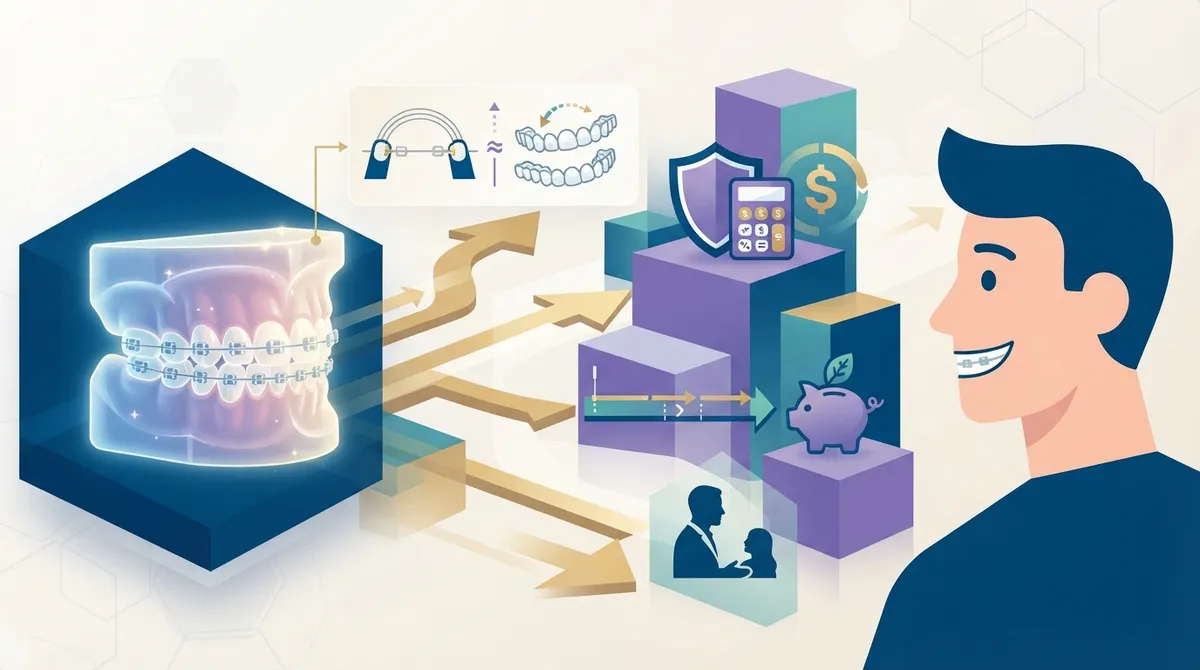
Most braces are quoted as a full-treatment fee. That means one price covers the whole journey, not just the metal or ceramic pieces on your teeth. A published CareCredit cost study reports averages of about $6,343 for metal braces, $5,834 for ceramic braces, $9,221 for lingual braces, and $5,108 for clear aligners. Keep in mind that these are study estimates, not local price tags. The study also uses data from different years for different categories.
A separate consumer cost guide updated in 2026 says traditional metal braces often average about $5,000 to $6,000, with a broader typical range of roughly $3,000 to $7,000. As you can see, the numbers vary depending on the source. That is why a written quote from a local orthodontist is the most useful number for you.
Average Braces Cost by Type
| Treatment Type | Reported Average | Reported Range |
|---|---|---|
| Metal braces | $6,343 | $2,500 – $10,000 |
| Ceramic braces | $5,834 | $4,480 – $11,312 |
| Lingual braces | $9,221 | $7,321 – $17,411 |
| Clear aligners | $5,108 | $1,800 – $8,100 |
Source: CareCredit, “How Much Do Dental Braces Cost?” These are study estimates and not guaranteed local prices.
Want to see how these numbers fit into a bigger picture? Our clear pricing guide for 2026 goes deeper into what families can expect.

What Affects the Price of Braces?
Two people can walk into the same office and get different quotes. That is totally normal. Your smile is unique, and so is your treatment plan. The American Association of Orthodontists points to appliance type, treatment complexity, and treatment length as the main cost drivers.
Here are the biggest factors:
- Type of braces: Metal, ceramic, lingual, and clear aligners all carry different price tags.
- Case complexity: A small gap costs less to fix than a severe bite problem or heavy crowding.
- Treatment time: Longer treatment means more visits and more adjustments.
- Location: Prices can shift from one city or region to another.
- What the quote includes: Some offices bundle everything. Others charge for extras separately.
- Patient age: Adult cases can sometimes be more involved than kids’ cases, though it depends on the person.
If you are curious about the options, our guide to types of braces walks through each one in plain language.
Metal, Ceramic, Lingual, and Clear Aligners Compared
Each option has its own look, feel, and price range. Here is a quick rundown so you can see where your budget and lifestyle fit.
Metal Braces
Traditional metal braces are generally among the lower-cost choices for comprehensive treatment. They are strong, reliable, and work well for many bite and alignment problems. Teens love adding colored bands for a fun, personal touch. If you want to know why they are still popular, check out 15 reasons metal braces are still a top choice in 2026.
Ceramic Braces
Ceramic braces use tooth-colored brackets, so they blend in more. Many adult professionals like them for that low-profile look at work. They can sometimes cost a bit more than metal, though the study average above shows how close the numbers can be.
Lingual Braces
Lingual braces sit behind your teeth, so they are nearly hidden. They are often the most expensive option because they are more custom and harder to place. They are not right for every case.
Clear Aligners
Clear aligners are removable, nearly invisible trays. Many teens and adults love them for the freedom to eat normally and brush easily. Not every case is a fit for aligners, so your orthodontist will tell you honestly what works best. Learn more in our guide to removable aligners and how clear trays straighten your smile, or see our breakdown of clear aligners cost.
Still deciding? Our post on braces vs clear aligners for your teen can help you weigh the pros and cons.
What Is Usually Included in a Braces Quote?
A low price can look great at first. But it only tells part of the story. Before you say yes to any plan, ask exactly what the fee covers. A full-treatment quote may include several items, but you should confirm each one with the practice.
Here are common things to ask about:
- Records and X-rays: Are initial photos, scans, and X-rays part of the fee?
- Placement: Does the price include putting the braces or aligners on?
- Adjustment visits: Are all routine follow-up visits included?
- Removal: Is taking off the braces covered?
- Retainers: Is your first set of retainers part of the quote?
- Repairs: What happens if a bracket breaks or you lose an aligner?
- Changes in plan: What if treatment takes longer than expected?
Retainers matter a lot, since they keep your new smile in place. Learn more about what dental retainers are and why you need one. Also see our guide on what orthodontist prices really include in 2026.
Does Insurance Cover Braces?
Sometimes, yes. But it depends on your plan. Orthodontic benefits are different from regular dental coverage. Many plans pay a percentage or a fixed amount, and they often have limits.
Common insurance rules include:
- Age limits, where coverage may apply only to children or teens
- A lifetime maximum, which is the most the plan will pay for orthodontics
- Network rules that favor certain providers
- Waiting periods before benefits start
The best move is to call your insurer and ask about your remaining benefit and eligibility. Our office can help you understand your plan too. For a deeper look, read how dental insurance covers orthodontic treatment or our list of 14 things to know about dental insurance for orthodontics.
What About Medicaid?
For children enrolled in Medicaid, braces may be covered when they meet medical-necessity rules. Requirements and approvals vary by state. Adults should not assume that Medicaid or private dental insurance will cover orthodontics.
Smart Ways to Make Braces More Affordable
Good news. You have more options than you might think. Many families spread the cost over time so it fits their monthly budget.
Here are popular ways to manage the cost:
- In-house payment plans: Many orthodontists let you split the balance into monthly payments, often with a down payment up front.
- Third-party financing: Some families use outside financing to spread out costs. Always compare interest and fees.
- HSA and FSA funds: If you have an eligible account, you may be able to use pre-tax dollars for orthodontic care.
- Insurance benefits: Use every dollar your plan offers.
- Ask about discounts: Some offices offer savings for paying in full or for multiple family members.
When you compare plans, look at the total cost, any interest, and fees. Also ask what happens if your treatment changes or ends early. For more ideas, check out 6 braces financing options that make treatment affordable and our orthodontic payment plans guide. You can also review our payment plans page for details.
Braces Cost for Kids, Teens, and Adults
Every age group has different needs. Here is a quick look at what each group should think about.
Parents of Children
Early evaluation can help you spot problems before they grow. Sometimes early care saves time and money later. If you are wondering about timing, see how early orthodontic treatment can save time, money, and smiles. Our post on early signs you need braces is a handy checklist too.
Teen Patients
Teens want treatment that fits school, sports, and social life. Many choose metal braces with fun colors or clear aligners for a discreet look. Our guide to teen braces in Brandon covers costs, options, and confidence.
Adult Professionals
It is never too late for a straighter smile. Adults often pick clear aligners or ceramic braces to stay low-profile at work. Read orthodontic treatment for adults: what you need to know to see if it is right for you.
Bilingual Families
Money talks can feel stressful, especially when you want to be sure you understand every detail. At Chacon Orthodontics, Dr. Omar Chacon and the team offer bilingual care in English and Spanish. That means you can ask questions about costs and payment plans in the language you feel most comfortable with.
How to Compare Quotes from Orthodontists
Shopping around is smart. Just make sure you compare apples to apples. A lower price is not always a better deal if it leaves out key items.
Use this simple checklist:
- Ask for a written, itemized quote
- Confirm who will do your treatment, and ask whether they are board-certified
- Check what is included, such as retainers, repairs, and removal
- Ask about the expected treatment time
- Compare payment plan terms, not just monthly amounts
- Read patient reviews and ask questions during your visit
Our article on why board-certified orthodontist status matters explains what that credential means for you. You can also read how to ask your orthodontist the right questions before your visit.
Braces Cost in Brandon and Westchase, Florida
Local pricing can differ from national averages, so a local quote is the best way to know your real cost. At Chacon Orthodontics, we offer personalized treatment for kids, teens, and adults, including custom braces and clear aligners. Our Brandon office makes it easy for families in the area to get answers close to home. Curious about what to expect? Take a look at our guide to braces in 33511 Brandon, FL.
Want to hear from real patients? You can visit our Chacon Orthodontics Brandon location on Google and read what our patients have to say. You can also follow our smile stories on Instagram and Facebook, or connect with Dr. Chacon on LinkedIn.
How to Get Your Exact Braces Cost
The only way to know your true price is an orthodontic evaluation. Here is a simple path to follow:
- Book a consultation. A free consultation lets you meet the orthodontist and ask questions with no pressure.
- Get an exam. Your orthodontist checks your teeth, bite, and goals.
- Review your treatment plan. You will learn which options fit your case.
- Request a written quote. Make sure it lists what is included.
- Check your benefits. Confirm insurance, HSA, or FSA details.
- Choose a payment plan. Pick the option that fits your monthly budget.
Not sure what to expect at that first visit? Read how a braces consultation works in 2026 and what to expect from a free orthodontist consultation.
Ready to Find Out Your Real Braces Cost?
Braces are an investment in your health, your confidence, and your future. The price may feel big at first, but with the right plan, it can fit your life. Remember that national averages are only a starting point. Your best number comes from a personal evaluation and a clear, written quote.
At Chacon Orthodontics, we want every family to feel informed and comfortable. Ready to take the first step? Schedule your free consultation and get a personalized look at your options. Have questions first? Contact us and our friendly team will be happy to help. We cannot wait to help you smile with confidence.
FAQs
Q: How much do braces cost in the U.S. without insurance?
A: Without insurance, braces commonly cost several thousand dollars for a full course of treatment. Published estimates put traditional metal braces at roughly $3,000 to $7,000, with many averages near $5,000 to $6,000. Your exact price depends on your case, so a written quote from your orthodontist is the best way to know.
Q: Does the braces cost include X-rays, adjustments, and retainers?
A: Many full-treatment quotes include records, placement, adjustment visits, removal, and retainers. But every office is different, so always ask for an itemized quote. That way, you will know exactly what you are paying for with no surprises.
Q: Are braces more expensive for adults than for kids or teens?
A: Not always. The price depends more on your case complexity, treatment length, and the type of appliance you choose than on your age. Adults often pick clear aligners or ceramic braces, which may change the final cost.
Q: Can I pay for braces monthly or use an HSA or FSA?
A: Yes, in many cases. Many orthodontists offer in-house payment plans, and some families use third-party financing. You may also be able to use eligible HSA or FSA funds, so ask your orthodontist and your plan administrator.
Q: Does Medicaid cover braces for children?
A: For children enrolled in Medicaid, braces may be covered when they meet medical-necessity criteria. Rules and approval steps vary by state. Adults should not assume Medicaid or private dental insurance will cover orthodontics.





