Key Takeaways
-
An orthodontist's exam and records are the only reliable way to know which option fits your bite, teeth, and daily life; no single option is best for everyone.
-
Braces handle a broader range of problems, including complex bite corrections, because brackets give direct control over each tooth.
-
Clear aligners must be worn about 22 hours a day to work, so they suit people who can stay disciplined about wear time and keep track of the trays.
-
Research does not show that aligners or braces are always faster; treatment length depends on your starting point, the movements needed, and how well you follow the plan.
-
Retainers are needed after either option because teeth can drift back toward their original positions once active treatment ends.
-
Braces are fixed and need extra cleaning around brackets and wires plus food limits, while aligners come out for eating and cleaning but can be lost.
Choosing how to straighten your teeth can feel like a big decision. Maybe you are a parent wondering what your child needs. Maybe you are a teen who wants something low-key for school and sports. Or maybe you are a busy professional who does not want treatment to take over your life. Good news: you have choices, and none of them is a one-size-fits-all answer.
This guide walks through braces vs other orthodontic options in plain, friendly language. We will cover fixed braces, clear aligners, and the retainers and extras that help protect your results. You will see how each one works, what it asks of you, and which cases fit best.
One thing to know up front: the right option depends on your teeth, your bite, and your daily life. It does not depend on trends or a single claim about speed. An orthodontist’s exam is the only way to know for sure. Let’s dig in.
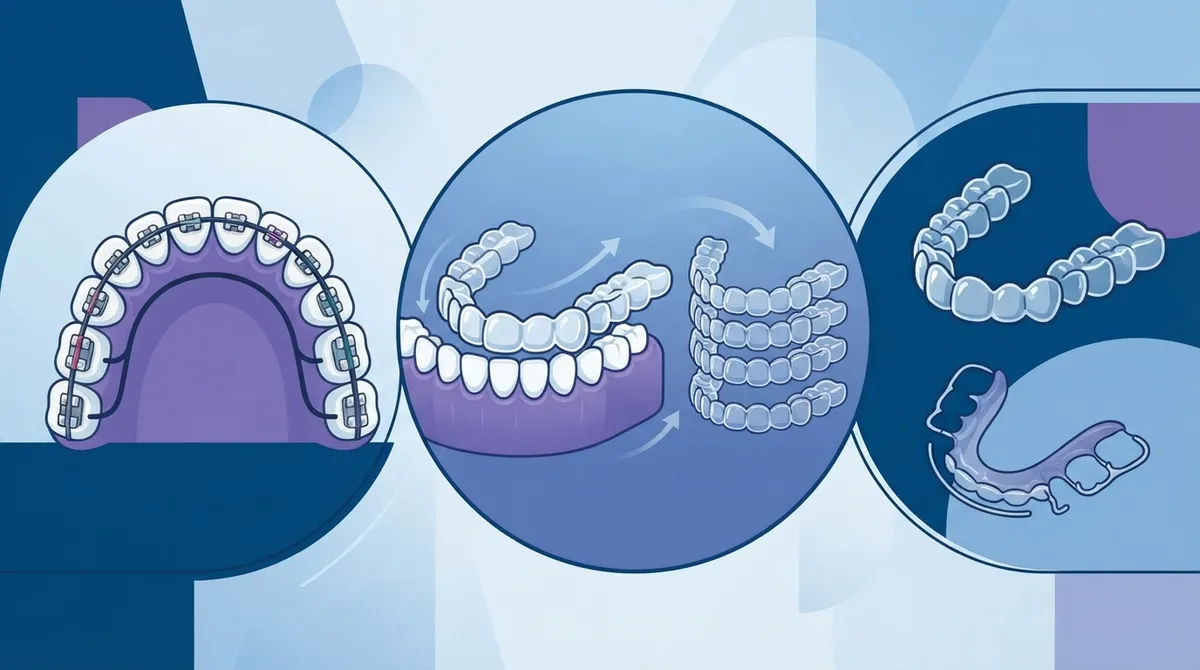
What Are Your Main Orthodontic Options?
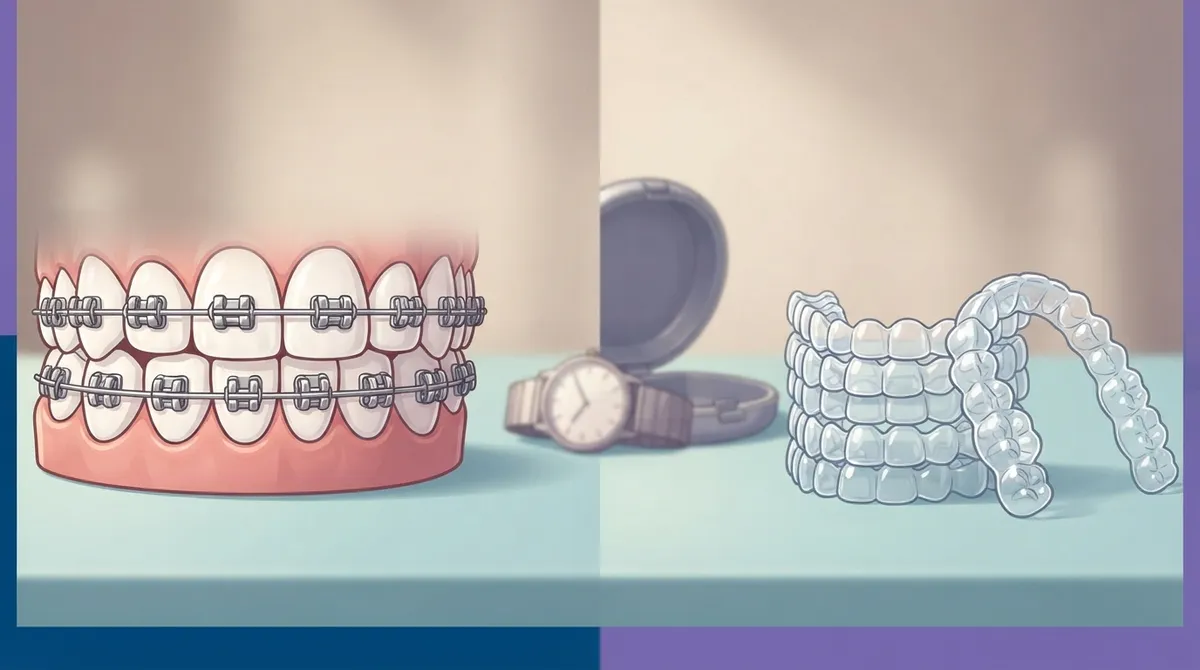
When people compare braces vs other orthodontic options, they usually mean two big categories. The first is fixed braces, which stay on your teeth the whole time. The second is clear aligners, which are removable trays you swap out in stages.
Beyond those two, a few other tools show up in treatment plans:
- Metal braces: Stainless steel brackets and wires. Strong, reliable, and often the most budget-friendly fixed option.
- Ceramic braces: Tooth-colored brackets that blend in more than metal.
- Lingual braces: Brackets placed on the back of the teeth, so they are hidden from view.
- Clear aligners: Custom, removable trays that move teeth step by step.
- Retainers: Not used to move teeth much, but needed afterward to hold your new smile in place.
At Chacon Orthodontics, the team offers clear aligners, custom braces, retainers, and teeth whitening for kids, teens, and adults. That mix lets your treatment match your goals instead of forcing your smile into one path.
How Braces Work
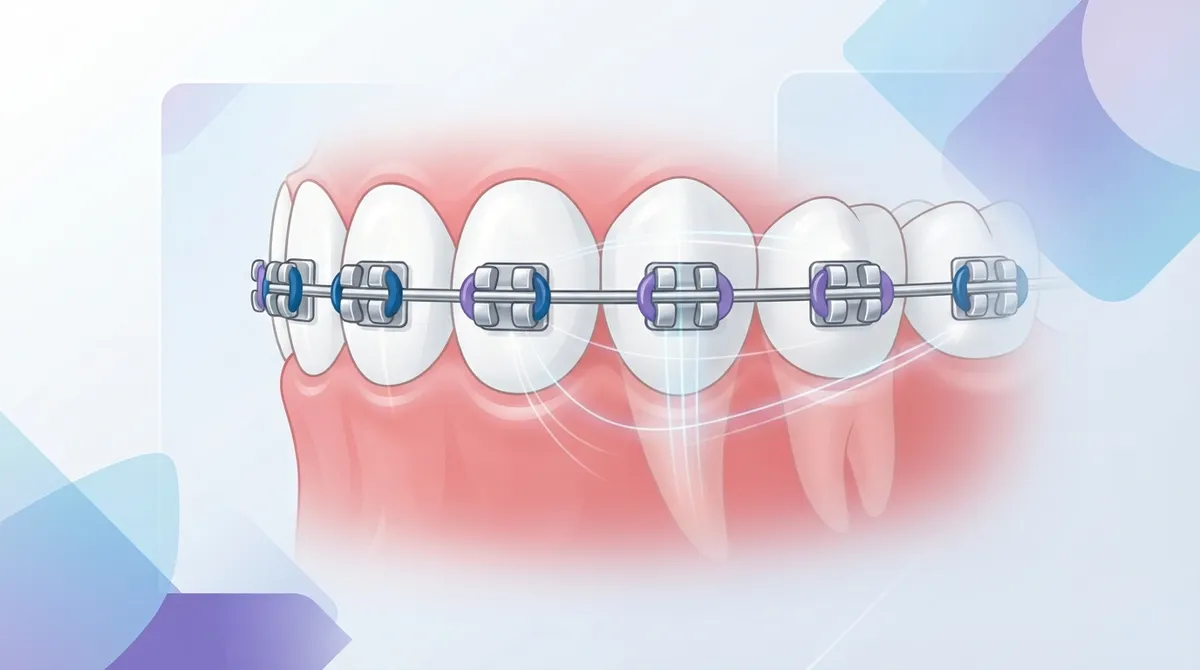
Fixed braces use small brackets bonded to your teeth and a thin wire that connects them. The wire applies gentle, steady pressure. Over time, your teeth shift into better positions. Your orthodontist adjusts the wire during visits to keep things moving.
Because braces stay on, there is nothing for you to remember to put in each morning. That is a big plus for people who worry about forgetting a removable appliance. If you want a closer look at how the parts fit together, the guide on types of braces and which option fits your smile best is a helpful read.
Why Braces Are So Versatile
Braces can handle a very wide range of problems. These include crowding, gaps, overbites, underbites, crossbites, and rotated teeth. Because the brackets give your orthodontist direct control over each tooth, braces are often a strong choice for more complex movements and bite corrections.
A 2019 systematic review reported that aligners may be less effective than braces for some outcomes. These included occlusal contacts (how your teeth meet), tooth-torque control, and widening the arch. Newer evidence and your own case matter too, so treat this as a conversation starter with your orthodontist, not a final verdict.
Metal, Ceramic, and Lingual Braces
Not all braces look or feel the same. Metal braces are the classic choice and come with colorful elastic options that many kids and teens enjoy. Ceramic braces use tooth-colored brackets, which makes them less noticeable. Lingual braces sit behind the teeth, so they are mostly hidden.
Curious about the trade-offs? Our breakdown of metal braces vs ceramic braces covers looks, comfort, and care in more detail.
How Clear Aligners Work
Clear aligners are custom-made trays that fit snugly over your teeth. You wear one set for a period of time, then move to the next set. Each new tray is slightly different, so your teeth shift a little at a time.
Most people like aligners because they are nearly invisible and removable. You take them out to eat and to brush and floss. That makes everyday cleaning feel simpler. You can learn more on our page about clear aligners at Chacon Orthodontics.
The Catch: You Have to Wear Them
Aligners only work when they are in your mouth. The American Association of Orthodontists notes that aligners are typically prescribed for at least 22 hours a day. That means they come out for meals, drinks other than water, and cleaning, and then go right back in.
If you often forget, or if you are likely to lose small things, this matters. Poor wear time can slow or throw off your treatment. Aligners can also get misplaced, so a case becomes your new best friend.
Which Cases Suit Aligners?
Aligners are often a good match for selected mild-to-moderate alignment problems. Some complex tooth movements or bite corrections may be more predictable with fixed braces, or with a combined approach. That is why an exam and records come first. Your orthodontist looks at your bite, jaw relationship, and tooth movements before recommending anything.
Braces vs Clear Aligners: Side-by-Side Comparison
Here is a quick table to help you compare the two most common choices. Keep in mind that every smile is different, so use this as a starting point.
| Feature | Fixed Braces | Clear Aligners |
|---|---|---|
| Removable? | No, stay on the whole time | Yes, taken out for meals and cleaning |
| Visibility | Metal is visible; ceramic and lingual are subtler | Nearly invisible |
| Range of problems treated | Broad, including complex bite issues | Often best for selected mild-to-moderate cases |
| Patient responsibility | Careful cleaning and food choices | Wear about 22 hours a day, plus cleaning the trays |
| Food limits | Avoid hard, sticky, and chewy foods | Remove trays to eat; fewer food rules |
| Risk of losing it | None; it is attached | Can be misplaced |
| Retainer needed after? | Yes | Yes |
If you want even more detail, we put together a full guide on braces vs clear aligners and which fits your smile best.
Do Braces or Aligners Work Faster?
This is one of the most common questions, and the honest answer is: it depends. Treatment time is case-specific. A 2024 systematic review found low-certainty evidence that aligners and fixed appliances take a similar amount of time for mild-to-moderate crowding. The authors also noted that high inconsistency between studies kept them from combining the results.
In plain terms, the research does not support the idea that one option is always faster. A 2020 review of seven studies also found no meaningful difference in fixed-braces treatment time between adults and adolescents. The mean difference was about −0.8 months, though the studies varied a lot.
What really changes your timeline? Your starting point, the movements needed, and how well you follow the plan. For a deeper look at timing, see how long braces treatment takes.
Daily Life: Cleaning, Food, and Comfort
Both options ask for good habits. Plaque that builds up around brackets or under trays can irritate gums and weaken enamel. So no matter which path you choose, brushing and flossing matter a lot.
Living With Braces
Braces are always on, so they need extra attention at the sink. You will clean around each bracket and under the wire. Food rules help too. Hard, sticky, and chewy foods can break brackets or bend wires.
- Brush after meals, angling the bristles toward the brackets.
- Floss daily using a floss threader or similar tool.
- Skip popcorn kernels, hard candy, and sticky caramels.
- Cut crunchy foods like apples into small pieces.
- Keep a small orthodontic wax packet handy for rubbing spots.
Our guide on how to brush with braces and our list of foods to avoid with braces make this part easy.
Living With Aligners
Aligners come out for eating, so you can enjoy most foods. The trade-off is routine. You will clean the trays, brush before putting them back in, and keep them safe in a case.
- Take trays out before eating or drinking anything but water.
- Brush and floss before putting them back in.
- Rinse and clean the trays daily.
- Always store them in a case, never wrapped in a napkin.
What About Soreness?
Both braces and aligners can cause temporary pressure or soreness, especially after a new tray or an adjustment. It usually fades within a few days. If you want ideas to feel better fast, check out these ways to ease braces discomfort.
Which Option Fits Your Life?
Different people care about different things. Here is how the choice often plays out for each group we see.
Parents of Younger Children
Kids may need early guidance for crowding or bite problems. In many cases, braces are a practical pick because they cannot be lost or left in a backpack. An early check can tell you whether to start now or wait. Our guide on when your child should get braces can help you plan.
Teens
Teens often want something discreet that fits school, sports, and social life. Aligners can work well for the right case, but they need real discipline. Braces take that responsibility off the table. Many teens also enjoy picking fun colors. See our tips on how to choose braces for teenagers.
Adult Professionals
Working adults often want low-profile treatment that does not disrupt meetings or photos. Clear aligners, ceramic braces, or lingual braces may all be on the table. Adults also benefit from seeing an orthodontic specialist, as explained in why adults need a braces specialist.
Bilingual Families
Clear communication makes treatment smoother. Chacon Orthodontics offers care in both English and Spanish, so parents and patients can ask questions and understand every step in the language they prefer.
Smile Seekers Focused on Looks
If appearance is your top priority, talk about ceramic braces, lingual braces, and aligners. Each has a different look and feel. Your orthodontist can show you what is realistic for your teeth.
What About Cost and Insurance?
Cost varies based on the type of treatment, how complex your case is, and how long it takes. Many dental plans offer some orthodontic coverage, but plans differ. It helps to ask what is covered before you start. For a closer look, read our guide on braces cost in 2026 and how to save, or explore our payment plans to see how monthly options work.
Do You Still Need a Retainer?
Yes, with either option. After active treatment, teeth can drift back toward their old spots. Retainers help hold your new smile in place. Your orthodontist will tell you how long and how often to wear yours.
Retainers come in clear and wire styles. You can learn more about them on our retainers page. Many patients also add professional whitening once treatment wraps up. Peek at our tips on cosmetic teeth whitening after braces.
How to Choose: A Simple 5-Step Process
- Book an exam. Records and a bite check show what your teeth truly need.
- Share your goals. Tell your orthodontist what matters most, like looks, comfort, or budget.
- Be honest about habits. Can you wear aligners most of the day? If not, braces may suit you better.
- Ask about timing and cost. Get a clear plan for visits, fees, and expected length.
- Plan for after. Ask about retainers and how to protect your results long term.
Want to know what that first appointment feels like? Here is what to expect at an orthodontic consultation.
Why Local, Specialist Care Matters
When you compare braces vs other orthodontic options, who guides you matters as much as the appliance. Dr. Omar Chacon is a board-certified orthodontist with over 10 years of experience. He uses advanced tools like 3D digital imaging to plan treatment with care.
If you live near Westchase, you can find our team at the Chacon Orthodontics West Chase location on Google, where you can see patient reviews and get a feel for the office. Families in Westchase and Brandon often tell us the bilingual support is a big comfort. You can also follow our updates on Instagram and Facebook, and read about Dr. Chacon’s background on LinkedIn.
Final Thoughts
There is no single winner in the debate of braces vs other orthodontic options. Braces shine for their versatility and for taking daily wear time out of your hands. Clear aligners shine for discretion and easy cleaning in the right cases. Retainers keep it all in place afterward.
The best next step is simple: get a real diagnosis, ask plenty of questions, and pick the option that fits your teeth and your life. Ready to find out which path suits you? Schedule your free consultation with Chacon Orthodontics, or contact us if you have questions first. We would love to help you smile with confidence in 2026.
FAQs
Q: Are braces or clear aligners better for my teeth and bite?
A: It really depends on your smile! Braces handle a very wide range of problems, including complex bite issues. Clear aligners often suit selected mild-to-moderate cases. An orthodontist’s exam is the best way to learn which one fits you.
Q: Do braces or clear aligners work faster?
A: Neither one is always faster. A 2024 review found low-certainty evidence of similar treatment time for aligners and fixed appliances in mild-to-moderate crowding. Your own timeline depends on your case and how well you follow the plan.
Q: How many hours a day do I need to wear clear aligners?
A: Clear aligners are typically prescribed for at least 22 hours a day. You take them out only to eat, drink anything besides water, and brush and floss. Wearing them consistently is the key to staying on track.
Q: Will I need a retainer after braces or aligners?
A: Yes, in most cases! Retainers help keep your teeth from drifting back after treatment. Your orthodontist will explain which type you need and how long to wear it.
Q: Are clear aligners easier to clean than braces?
A: Many people find aligners simpler because you remove them to brush and floss like normal. Braces need extra care around brackets and wires, plus a few food limits. Either way, steady oral hygiene protects your gums and enamel.