Key Takeaways
-
Braces are not necessary for everyone. The decision depends on whether your bite or alignment affects chewing, cleaning, tooth protection, or your personal smile goals.
-
Heavy crowding or spacing, especially around 10 mm or more in an arch per AAO criteria, makes daily brushing and flossing harder and can raise the risk of cavities and gum problems.
-
Bite problems such as overbite, underbite, crossbite, and open bite can increase tooth damage risk and strain jaw muscles, so a professional exam matters more than guessing.
-
Warning signs include avoiding hard foods, frequently biting your cheek, sore or tight jaws, uneven tooth wear, and difficulty flossing. These warrant an orthodontic exam.
-
The AAO recommends a first orthodontic evaluation around age 7, but that visit is mainly to spot developing issues and does not mean every child needs braces.
-
Braces are not the only option: clear aligners, monitoring, or no treatment may suit mild cases, and a specialist exam determines the right path for you.
Here’s a question we hear a lot: are braces necessary, or can I just live with my smile as it is? It’s a fair thing to wonder. Braces take time, effort, and money, so you deserve a straight answer before you commit.
The honest answer is that braces are not necessary for everyone with crooked teeth. Some bite problems really do affect how you chew, clean your teeth, or protect your smile over time. Other times, the choice is about confidence and personal goals, and that’s a perfectly valid reason too.
In this friendly guide, we’ll walk through five signs that treatment may be worth it, plus the times when it might not be. Whether you’re a parent wondering about your child, a teen with questions, or an adult thinking about your options, you’ll find clear, simple answers here. Remember, only an exam can tell you what’s right for you. Think of this article as a good first step.
The Short Answer: Are Braces Necessary for Everyone?
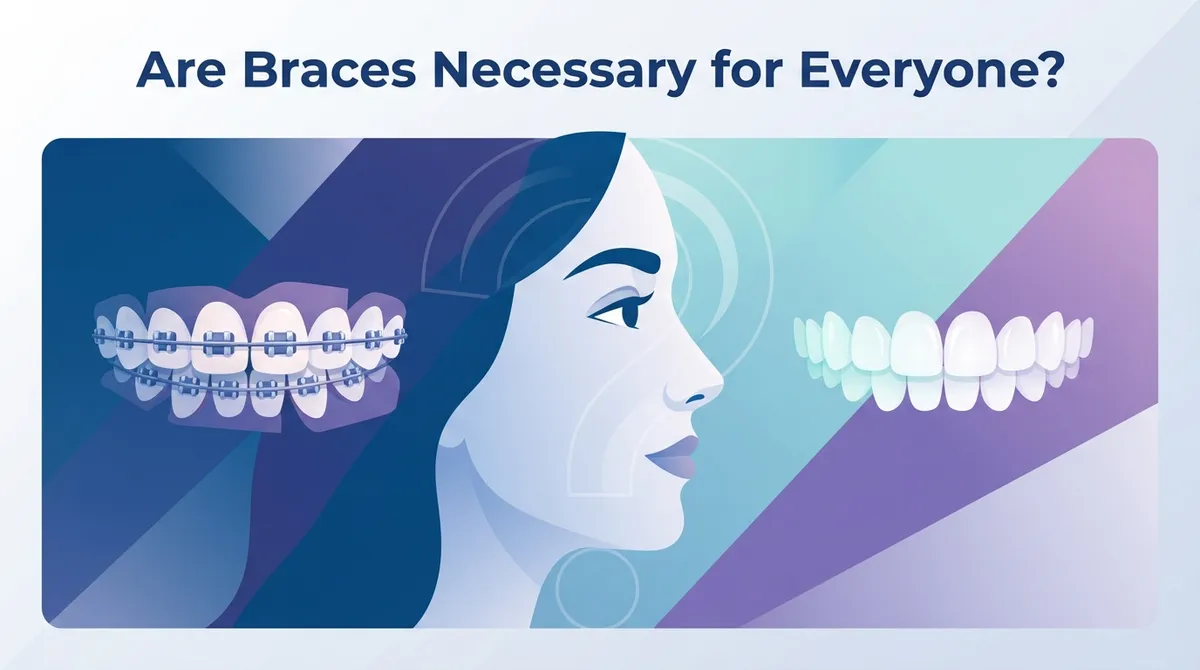
No, they are not. Whether braces are necessary depends on the type and size of your alignment or bite problem. It also depends on how that problem affects your health, how you function day to day, and what you want for your smile.
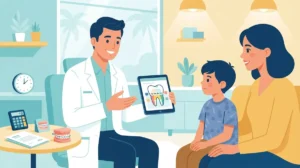
An orthodontist looks at the full picture. That includes your teeth, jaws, bite, and growth if you’re still young. Then they weigh the likely benefits against the risks of treatment. That’s why a visual check in the mirror isn’t enough to decide.
Here’s a simple way to think about it:
- Functional need: Your bite or alignment causes real problems with chewing, cleaning, or tooth wear.
- Health need: Your teeth are at higher risk of damage, decay, or gum trouble because of how they sit.
- Personal goal: Your teeth work fine, but you want a smile you feel proud of.
Any of these can be a good reason to explore treatment. None of them means everyone must get braces. Let’s look at the signs.
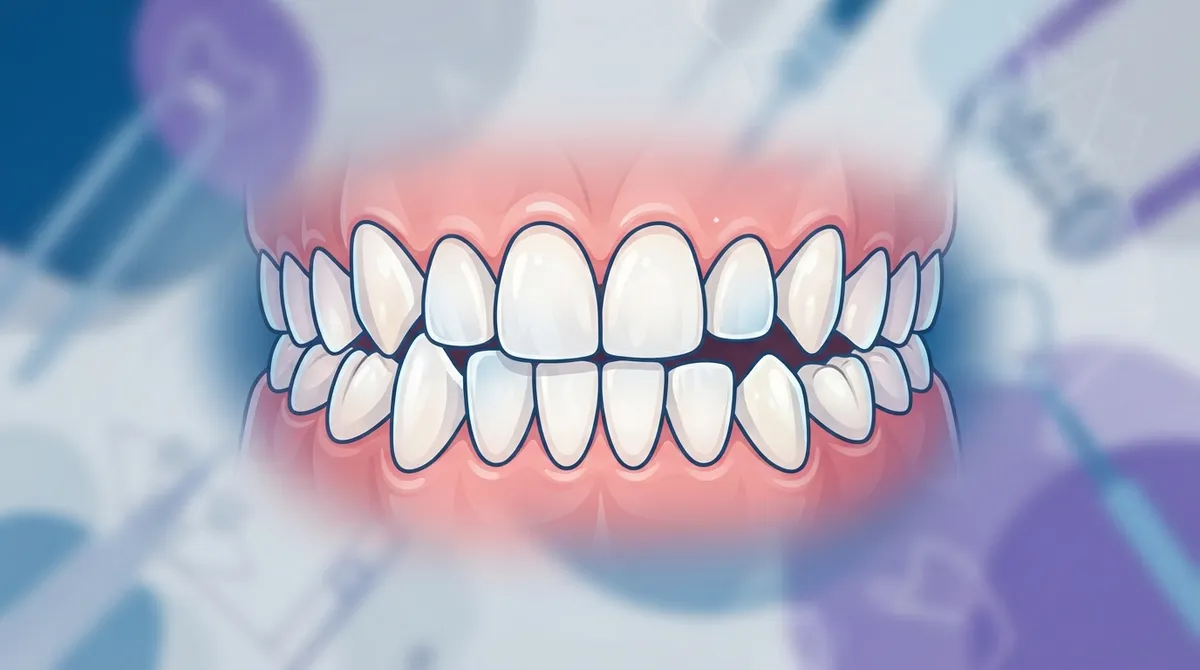
Sign 1: Significant Crowding or Spacing
Crowding happens when your teeth don’t have enough room. They overlap, twist, or push forward. Spacing is the opposite. There are gaps between teeth that don’t close on their own.
Why crowding matters
Crowded teeth can be harder to brush and floss well. Food and plaque hide in tight spots. Over time, that can raise the risk of cavities and gum problems. Mild crowding may not cause trouble, but heavier crowding can make daily cleaning a real chore.
The American Association of Orthodontists (AAO) has published criteria for medically necessary care. These include crowding or spacing of 10 mm or more in an arch. That’s a professional guideline, not a rule that fits everyone. Still, it shows that bigger problems get more attention.
What about gaps?
Small gaps are often a cosmetic choice. Larger spacing can affect how teeth fit together. If you’re curious about your options, our guide on how to close gap teeth with the right orthodontist is a helpful read. And if you’re dealing with heavy overlap, see what fixes severe tooth crowding best in 2026.
Sign 2: A Bite That Doesn’t Line Up
Your bite is how your upper and lower teeth meet. When they don’t meet well, it’s called a malocclusion. This is one of the biggest reasons an orthodontist may suggest treatment.
Common bite problems include:
- Overbite: Upper front teeth stick out over the lower teeth.
- Underbite: Lower teeth sit in front of the upper teeth.
- Crossbite: Some upper teeth bite inside the lower teeth.
- Open bite: Front teeth don’t touch when the back teeth close.
- Protruding teeth: Front teeth stick out noticeably.
Why bite problems can matter
NHS guidance notes that some bite problems can raise the risk of tooth damage. Others can put strain on the jaw muscles. The amount of risk differs from person to person. That’s why a proper exam matters more than guessing.
The AAO’s published criteria also list proposed thresholds, such as an overjet of 9 mm or more and a reverse overjet of 3.5 mm or more. Again, these are professional guidelines, not a substitute for a real diagnosis.
Want to learn more about specific bite types? Check out overbite vs underbite: understanding bite problems or see how to find crossbite correction that works.
Sign 3: Trouble Chewing, Cleaning, or Jaw Discomfort
Sometimes the clue isn’t what you see. It’s what you feel. If everyday tasks are harder than they should be, your bite may be playing a role.
Watch for these signals:
- You avoid certain foods because they’re hard to bite or chew.
- You often bite your cheek, tongue, or lip.
- Your jaw feels tired, sore, or tight, especially in the morning.
- Flossing is difficult because teeth overlap so tightly.
- You notice uneven wear or chipping on certain teeth.
None of these automatically means braces are the answer. They can have other causes. But they are good reasons to book an exam. If jaw symptoms are your main worry, take a look at when you should see an orthodontist for jaw problems.
One more point worth repeating: a visible alignment difference alone does not prove braces are medically necessary. And being able to chew normally doesn’t mean treatment is off the table. It just means your reasons may be more about health prevention or your own goals.
Sign 4: Impacted or Missing-Path Teeth
An impacted tooth is one that’s stuck under the gums and can’t come in on its own. It happens often with canines and wisdom teeth. When a tooth can’t erupt, it may push on nearby teeth or leave a gap in your smile.
This is a case where an orthodontist’s input is especially useful. They may coordinate with other dental specialists to guide the tooth into place or plan around it. Early detection helps, since there may be simpler options while a child’s jaw is still growing.
This is also one reason an early check-up is helpful. The AAO recommends an initial orthodontic evaluation around age 7. That visit is about spotting developing issues. It is not a claim that every child needs braces. In fact, many kids just get a thumbs-up and a note to come back later.
Parents often ask us when the right time really is. Our guides on when your child should really get braces and early signs you need braces can help you know what to watch for.
Sign 5: Your Smile Goals Matter to You
Here’s the part that sometimes gets overlooked. Feeling good about your smile counts. If you hide your teeth in photos or feel shy at work or school, that’s a real reason to talk with an orthodontist.
Many teens want a smile that fits their social life and sports schedule. Many working adults want low-profile options that don’t disrupt their careers. Both are common goals, and both are fair.
Treatment for personal reasons is a choice, not a requirement. That’s fine. A good orthodontist will help you weigh the pros and cons without pressure. Our own team at Chacon Orthodontics, led by board-certified orthodontist Dr. Omar Chacon, offers personalized care for kids, teens, and adults at our Westchase and Brandon locations. We also offer bilingual care in English and Spanish, so every family feels comfortable asking questions.
Curious how adults decide? Read why more adults choose braces later in life or how to know if you can get braces as an adult.
Needs vs. Wants: A Quick Comparison
It can help to see the difference side by side. This table shows how a health-focused reason compares with a smile-focused one.
| Factor | Health or Function Focus | Smile Goal Focus |
|---|---|---|
| Main reason | Bite, chewing, cleaning, or tooth protection | Appearance and confidence |
| Typical examples | Overbite, underbite, crossbite, impacted tooth, heavy crowding | Mild crowding, small gaps, slight twisting |
| Urgency | Often worth evaluating sooner | Flexible; you choose the timing |
| Insurance angle | May meet coverage criteria in some plans | Often treated as elective |
| Best next step | Orthodontic exam and diagnosis | Consultation to explore options |
Keep in mind that insurance rules differ by plan and location. Coverage eligibility is separate from clinical need. For example, NHS eligibility for children in England uses clinical need and an orthodontic index, while private plans follow their own rules. For local insurance questions, see our braces insurance coverage facts.
Are Braces the Only Option?
Not at all. Braces are one tool in the toolbox. Depending on your diagnosis and how complex your case is, your orthodontist may discuss a few paths:
- Custom braces: Often a strong choice for complex bite or alignment problems.
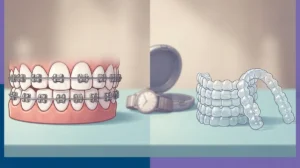
- Clear aligners: Nearly invisible, removable trays that suit many mild to moderate cases.
- Monitoring only: Some mild issues just need watching over time.
- Retainers: Used after treatment to help keep results in place.
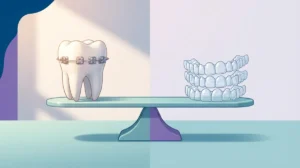
Which option is right depends on an individual exam. Some cases respond best to braces. Others do well with aligners. And some cases don’t need treatment right now. If you’re weighing the choices, our guide on braces vs clear aligners breaks it down in plain language. You can also explore your braces alternatives in 2026.
The Honest Truth About Risks and Responsibilities
We believe in telling you the full story. Orthodontic treatment can be life-changing, but it isn’t risk-free. It also asks something of you.
Here are a few things to know:
- Cleaning takes more effort. Fixed braces can make brushing and flossing harder. That can raise the risk of tooth decay and gum problems if you slip.
- Root shortening can happen. Tooth roots can shorten slightly during treatment in some cases.
- Relapse is real. Teeth can shift back after treatment if you don’t wear your retainer as directed.
- Time and visits. Treatment takes commitment, including regular appointments.
The good news is that most of these risks are manageable. Great habits make a big difference. Our tips on how to brush with braces and flossing with braces can help you stay on track. And once treatment is done, retainer tips help protect all your hard work.
This is exactly why it’s smart to see a specialist. If you’re not sure whether the risks are worth it for your situation, an exam gives you real answers instead of guesses.
Who Can Get Braces? Kids, Teens, and Adults
Good news: there’s no single “right” age. Both children and adults can receive orthodontic treatment.
Children
The AAO suggests a first evaluation around age 7. This lets an orthodontist spot growth issues early. Many children simply need check-ups. Some may benefit from early guidance. Learn more in early orthodontic treatment: a guide for parents.
Teens
The teen years are common for treatment because adult teeth have usually come in. Many teens love discreet options that fit sports, school, and social life. Check out how to choose braces for teenagers in 2026.
Adults
It’s never too late to explore treatment. Adults often choose low-profile options so work life stays smooth. See adult orthodontics: straighter teeth at any age for what to expect.
How to Find Out If You Need Braces
The only reliable way to know is a professional exam. Here’s a simple path to follow:
- Notice your signs. Think about crowding, bite changes, jaw soreness, or trouble cleaning.
- Book a consultation. An orthodontist will review your teeth, bite, and goals. Many offices, including ours, offer a free consultation, with virtual options too.
- Get a diagnosis. You may have 3D digital imaging and other records so the plan is based on facts.
- Talk through your options. Compare braces, aligners, or waiting, along with timing and cost.
- Decide at your pace. You choose what fits your life and budget.
To get ready, read how to prepare for your first orthodontist appointment. And if you’d like a quick self-check first, try how do you know if you need braces.
When Braces May Not Be Necessary
It’s worth saying out loud: sometimes the answer is “not right now.” Treatment may not be needed when:
- Your teeth are slightly uneven but clean easily and bite well.
- Your concerns are very minor and don’t bother you.
- A child’s issue may still change as they grow, so watching is wise.
- The risks and effort outweigh the benefit for your situation.
A caring orthodontist won’t push treatment you don’t need. At Chacon Orthodontics Brandon, we’d rather you leave informed and comfortable than rushed into anything. You can see what neighbors say about their visits when you visit us on Google — Chacon Orthodontics Brandon. You can also follow our team’s smiles on Instagram, or connect with us on Facebook and LinkedIn.
Cost and Comfort: Two Common Worries
Many families ask about price and pain before anything else. Both are fair questions, and the answers are friendlier than most people expect.
Cost depends on your treatment type, your case, and your plan. We walk through everything up front. Our guides on braces cost in 2026 and how orthodontist payment plans work can help you plan.
As for comfort, some soreness is normal after adjustments, but it usually fades fast. Read Dr. Chacon’s take on whether braces are painful for honest expectations.
Final Thoughts: Your Smile, Your Decision
So, are braces necessary? Sometimes yes, sometimes no, and often it depends. Bigger bite problems, heavy crowding, impacted teeth, and trouble chewing or cleaning are signs worth checking out. A smile you simply want to feel proud of is also a good reason to explore options.
The best next step is a conversation with a specialist who looks at your whole picture. If you’re in the Brandon or Westchase area, we’d love to meet you. Take the pressure off and schedule your free consultation with Chacon Orthodontics. You can also contact us with any questions. We’ll answer in English or Spanish, whichever feels most comfortable. Your best smile starts with one easy visit.
FAQs
Q: How do I know if I need braces or just want straighter teeth?
A: Great question! If your bite causes trouble with chewing, cleaning, or tooth wear, braces may be a health need. If your teeth work fine but you want a smile you love, that’s a personal goal. Either way, a quick orthodontic exam gives you a clear answer.
Q: Are braces necessary if I can chew normally?
A: Not always. Being able to chew well is a good sign, and many people in that spot don’t need treatment. Some still choose braces to protect their teeth over time or to improve their smile, and that’s a perfectly fine choice.
Q: At what age should a child see an orthodontist?
A: The American Association of Orthodontists recommends a first check-up around age 7. This visit is about spotting developing issues early. It doesn’t mean your child will need braces, and many kids just get a friendly thumbs-up.
Q: Are clear aligners an alternative to braces?
A: For many mild to moderate cases, yes! Clear aligners are nearly invisible and removable. Some complex bite problems still do best with custom braces, so your orthodontist will recommend what fits your diagnosis.
Q: Can I leave crooked or crowded teeth untreated?
A: Sometimes you can, especially when the issue is mild and easy to clean. Heavier crowding or bite problems may raise the risk of wear, decay, or gum trouble, so it’s wise to get checked. An exam helps you decide with confidence.