Key Takeaways
-
Orthodontists treat gaps using braces or clear aligners that apply steady pressure to move teeth together; small gaps (1-2mm) may close in 3-6 months while larger gaps (6mm+) typically require 9-24 months of treatment.
-
Treatment costs range from $3,000 to $8,000 depending on gap complexity and method chosen, with many practices offering flexible payment plans to make orthodontic care more affordable.
-
Consistent retainer wear after treatment is essential to prevent gaps from returning, as teeth naturally shift over time; skipping retainer use is a leading cause of relapse.
-
Understanding the root cause of your gap (thin jawbone, missing teeth, thick frenum, or bite problems) is crucial because some cases may require additional procedures like frenectomy or dental work alongside orthodontics.
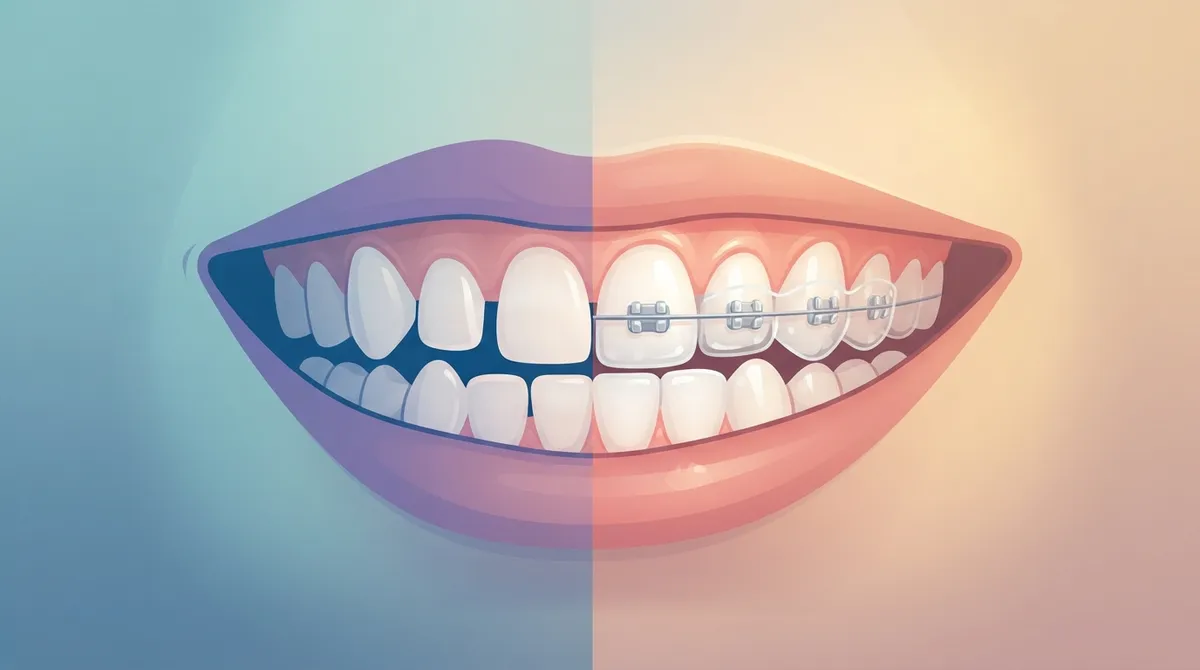
Do you cover your smile in photos because of a gap between your front teeth? You are not alone, and you are in good company. Many kids, teens, and adults deal with this same thing every day. The good news is a skilled orthodontist for gap teeth can help close that space and give you a smile you love showing off.
At Chacon Orthodontics, we see this concern often in our Westchase and Brandon, Florida offices. Whether you are a parent noticing a gap in your child’s smile, a teen who wants a quick fix before homecoming, or an adult ready to finally invest in yourself, this guide will walk you through everything you need to know.
What Causes Gap Teeth in the First Place?
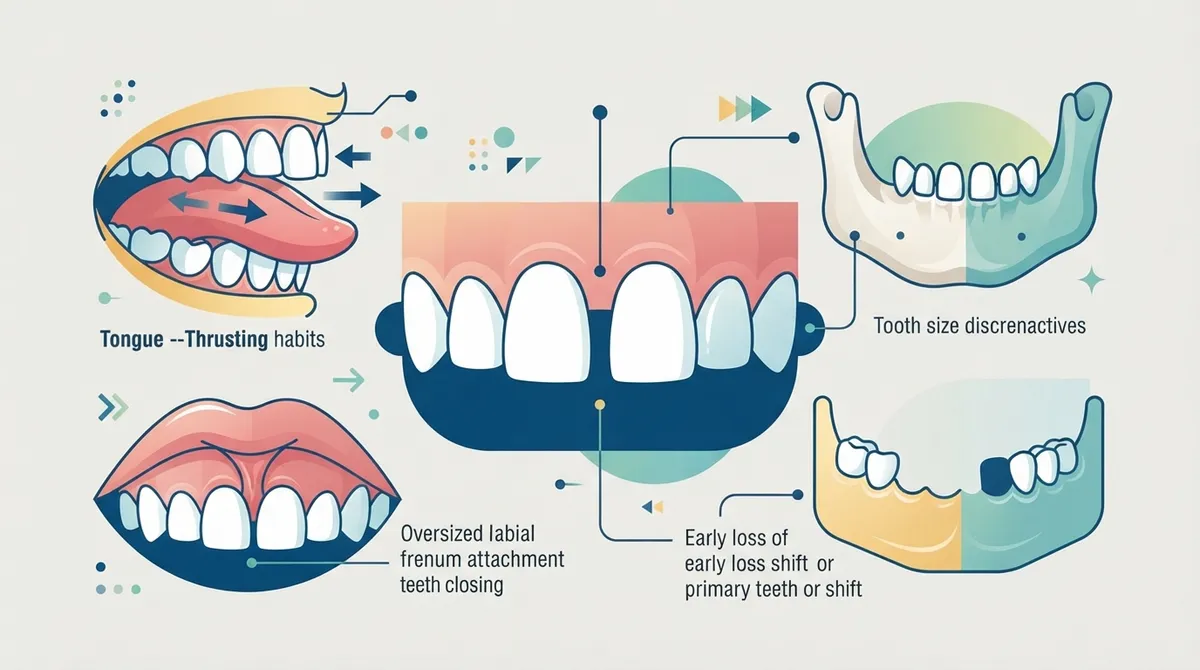
The dental term for a gap between teeth is a diastema. It is most often seen between the two upper front teeth, but gaps can show up anywhere in the mouth. Understanding why the gap formed helps your orthodontist build the right plan for you.
Common Reasons Behind Tooth Gaps
- Teeth that are smaller than the jawbone, leaving extra space
- Missing or undersized teeth that don’t fill the dental arch
- A thick or tight piece of tissue between the upper lip and gums, called a frenum
- Bite problems, like an overbite or open bite, that push teeth apart
- Childhood habits such as thumb sucking or tongue thrusting
- Gum disease that causes teeth to shift and loosen over time
This is why a thorough exam matters so much. Our team reviews your teeth positioning and alignment using digital imaging before we recommend any treatment plan. Knowing the root cause helps us predict how your teeth will respond and whether any extra care is needed alongside orthodontics.
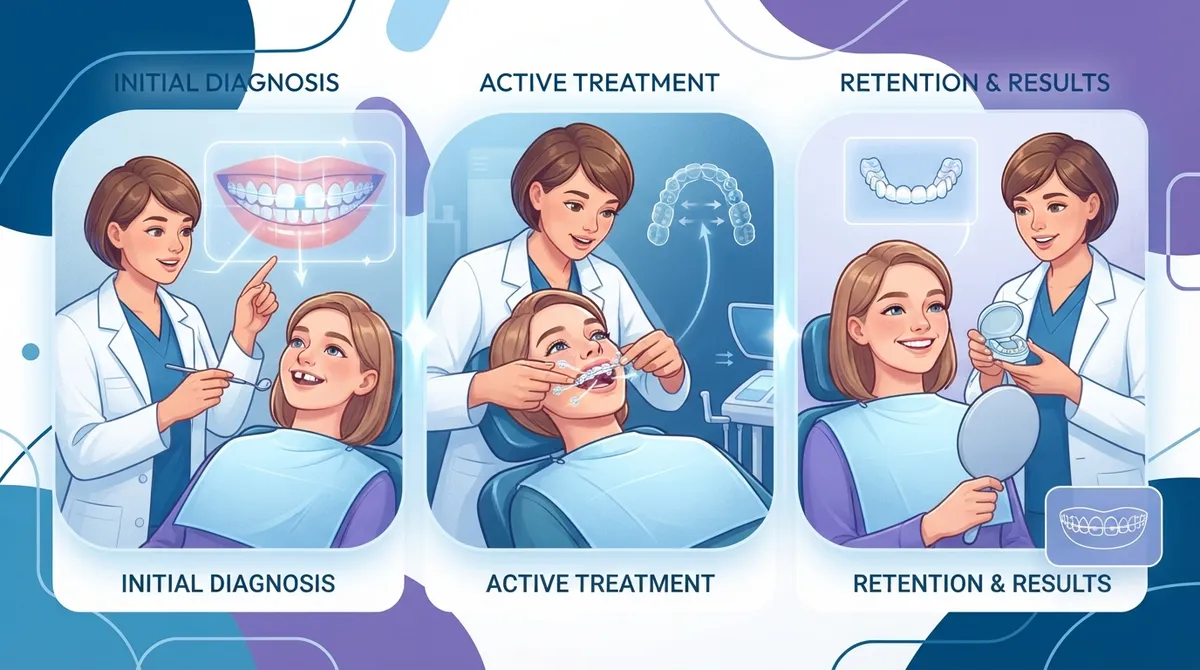
How Does an Orthodontist for Gap Teeth Treat the Problem?
Orthodontic treatment for gaps works by placing steady, gentle pressure on the teeth. Over time, this pressure guides the teeth to move closer together until the space closes up. The two most common tools for this job are braces and clear aligners.
1. Traditional or Custom Braces
Braces use brackets and wires to apply constant force in a very controlled way. They tend to work well for larger gaps or more complex cases involving bite issues. Many patients love that custom braces can be adjusted precisely as treatment moves forward.
2. Clear Aligners
Clear aligners are a series of removable, clear trays that gradually shift teeth into place. They are a favorite among teens and busy adults who want a more discreet option. Learn more about how removable aligners straighten smiles without the look of metal brackets.
Current research shows aligners can be quite effective for gaps up to about 6mm. Smaller gaps may close in as little as 3 to 6 months, while larger ones can take 9 to 12 months or more. If your gap is on the larger side, your orthodontist may suggest braces instead, or a combination of both approaches.
Braces vs. Clear Aligners for Gap Teeth: A Quick Comparison
| Feature | Braces | Clear Aligners |
|---|---|---|
| Best for gap size | Small to large, including complex cases | Small to moderate (up to about 6mm) |
| Visibility | More visible, though clear options exist | Nearly invisible |
| Removable | No | Yes, for eating and brushing |
| Typical treatment time | 3 to 24 months, depending on severity | 3 to 18 months for gap closure |
| Great for bite correction too | Yes | Yes, in many cases |
Steps to Take When Seeking Treatment for Gap Teeth
Feeling nervous about your first appointment is completely normal. Here is what the process usually looks like from start to finish.
- Schedule an exam and consultation. Your orthodontist will look at the gap, take digital images, and ask about your dental history.
- Get a personalized treatment plan. Based on the size and cause of your gap, you will receive a recommendation for braces, aligners, or another approach.
- Begin active treatment. You will visit the office regularly for adjustments or receive new sets of aligner trays.
- Track your progress. Photos and measurements help confirm the gap is closing as expected.
- Move into retention. Once the gap closes, you will wear a retainer to help your teeth stay put.
Some patients come to us after a referral from their general dentist, and that is perfectly normal too. If you are unsure where to start, a Free Consultation is a simple, no-pressure way to get answers.
What About Cost and Treatment Time?
One of the top questions we hear is, “How much will this cost, and how long will it take?” The honest answer is: it depends on your specific gap.
Typical Cost Ranges
Recent orthodontic pricing guides estimate gap-closure treatment costs between $3,000 and $8,000, depending on complexity and the type of treatment chosen. Smaller, simple gaps treated with aligners tend to fall on the lower end. Larger gaps needing braces or a combined approach may cost more. Our team offers flexible payment plans to help make treatment fit your budget.
Typical Treatment Time Ranges
| Gap Size | Estimated Treatment Time | Common Treatment Type |
|---|---|---|
| Small (1-2mm) | 3 to 6 months | Clear aligners |
| Moderate (3-5mm) | 6 to 12 months | Aligners or braces |
| Large (6mm+) or complex | 9 to 24 months | Braces or combination treatment |
Do Gaps Come Back After Treatment?
This is such an important question, and we get it a lot. Teeth have a natural tendency to shift over a lifetime, even after successful treatment. That is exactly why retention matters so much.
Wearing your retainer as directed keeps your teeth anchored in their new position. Skipping retainer wear is one of the top reasons gaps return after treatment. We always walk our patients through proper retainer care so your results truly last.
When Might Surgery or Extra Dental Work Be Needed?
Not every gap can be closed with braces or aligners alone. Sometimes a gap is linked to a thick frenum, the small piece of tissue connecting your lip to your gums. In these cases, a minor procedure called a frenectomy might be recommended alongside orthodontic treatment.
Gaps caused by missing teeth may also need input from a restorative dentist. Options like bonding, veneers, or implants can work together with orthodontics for a complete, lasting result. Your orthodontist will always explain if any additional care is needed and coordinate with your dental team.
Why Choose Chacon Orthodontics for Gap Teeth Treatment
Dr. Omar Chacon brings over 10 years of board-certified experience to every smile he treats. He uses advanced 3D digital imaging to build a treatment plan made just for you, whether you are 7 or 70. Our bilingual team proudly serves English and Spanish-speaking families throughout Westchase and Brandon.
We know every patient’s story is different. That is why we take time to understand your goals, whether you want a discreet clear aligner option or need more involved braces treatment in the Brandon area. You can also check out real patient experiences and visit us on Google — Chacon Orthodontics Brandon to see what neighbors in your community are saying about their results.
Tips for Parents, Teens, and Adults Considering Treatment
For Parents
- Watch for gaps that appear as baby teeth are lost and adult teeth come in
- Ask about an early evaluation if the gap seems large or unusual
- Talk with your child about how treatment can boost their confidence, not just their smile
For Teens
- Clear aligners can be removed for sports, band practice, and picture day
- Treatment time is often shorter than teens expect for smaller gaps
- A confident smile can make a real difference in how you feel at school
For Adults
- It is never too late to close a gap, no matter your age
- Low-profile aligners fit easily into a busy work schedule
- Many adults pair gap closure with teeth whitening for a complete smile refresh
Our team stays active on Instagram and Facebook, where you can see real transformations and get a feel for our office before you even walk through the door. Dr. Chacon also shares his professional background on LinkedIn if you’d like to learn more about his training and experience.
Do All Gaps Need to Be Treated?
Not necessarily. Some small gaps cause no functional problems and some patients simply like the look of a subtle gap. However, larger gaps can sometimes lead to food getting stuck, gum irritation, or speech changes. An orthodontist can help you understand whether your gap is purely cosmetic or whether treatment would improve your oral health too.
The Cleveland Clinic notes that treatment decisions should always be based on individual needs, not just appearance. This is why a professional evaluation is so valuable before deciding on any next steps.
Ready to Close Your Gap and Love Your Smile?
A gap between your teeth does not have to hold back your confidence any longer. Whether you are exploring options for your child, yourself, or a family member, the team at Chacon Orthodontics is here to help every step of the way. We offer personalized plans, bilingual support, and advanced technology across our Westchase and Brandon locations.
Take the first step today and book your Free Consultation to find out exactly what it will take to close your gap and reveal the smile you deserve.
FAQs
Q: Can an orthodontist close gap teeth?
A: Absolutely, this is one of the most common things we treat! Using braces or clear aligners, an orthodontist gently guides your teeth closer together until the gap disappears. Larger or more complex gaps may need a bit more time or a combination approach, but closing gaps is very much within our wheelhouse.
Q: Are braces or Invisalign better for gap teeth?
A: It really depends on your gap size and goals. Clear aligners like Invisalign work great for gaps up to about 6mm and offer a more discreet look, while braces are often better suited for larger or more complex spacing. Your orthodontist will help you pick the option that fits your smile and your lifestyle.
Q: How long does it take to close a tooth gap?
A: Treatment time varies quite a bit based on how big the gap is. Smaller gaps might close in just 3 to 6 months, while larger or more complicated cases can take 9 to 24 months. Your orthodontist can give you a much clearer timeline once they’ve examined your specific smile.
Q: Do gap teeth come back after treatment?
A: They can, but only if you skip wearing your retainer! Teeth naturally want to shift over time, so consistent retainer wear after treatment is key to keeping that gap closed for good. Think of your retainer as the loyal sidekick that protects all your hard-earned progress.
Q: How much does orthodontic treatment for gap teeth cost?
A: Most gap-closure treatments run somewhere between $3,000 and $8,000, depending on the complexity of your case and whether you choose braces or aligners. The good news is many practices, including ours, offer payment plans to make treatment easier on your budget. We’re always happy to walk through the details during a consultation.