Key Takeaways
-
Braces discomfort peaks within 24-48 hours after placement or adjustment and typically fades within 3-7 days; this is normal and indicates treatment is working.
-
Use orthodontic wax on irritated brackets or wires, eat soft foods for the first few days, and try cold compresses or ice water to manage discomfort effectively.
-
Over-the-counter pain relievers like ibuprofen or acetaminophen can reduce soreness for 2-3 days; research shows they help at the 2-hour, 6-hour, and 24-hour marks after treatment.
-
Warm salt-water rinses and maintaining gentle oral hygiene with a soft-bristled brush support gum healing and reduce irritation, especially during the first week.
-
Call your orthodontist if pain lasts longer than a week, a bracket breaks or wire pokes sharply, or you notice red swollen gums, fever, or facial swelling.
-
About 92% of braces patients experience some discomfort initially, with 68% reporting eating difficulty; knowing this is temporary and common helps manage expectations.
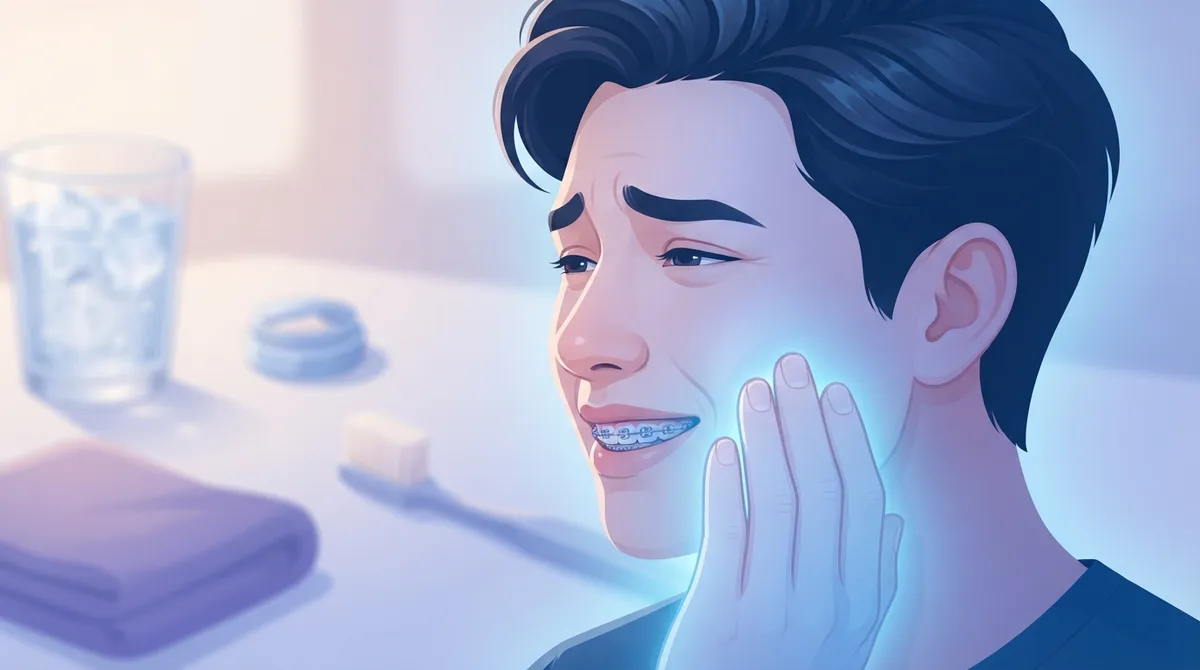
So you just got your braces on, or you left your adjustment appointment, and now your teeth feel weird. Maybe achy. Maybe tender. Maybe your cheek is already complaining about that one bracket. First, take a breath. This is totally normal, and you are definitely not alone. Braces discomfort is one of the most common questions our patients ask us at Chacon Orthodontics in Brandon and Westchase, and honestly, it has a pretty simple answer once you know what to expect.
The good news is that braces discomfort is almost always temporary and very manageable. Whether you are a parent watching your child wince at dinner, a teen trying to get through practice, or an adult juggling meetings while your teeth feel sore, this guide walks you through eight practical, doctor-backed ways to feel better fast. We will also cover how long discomfort usually lasts, what is normal versus what needs a call to your orthodontist, and answers to the questions patients ask us most.
Why Braces Cause Discomfort in the First Place
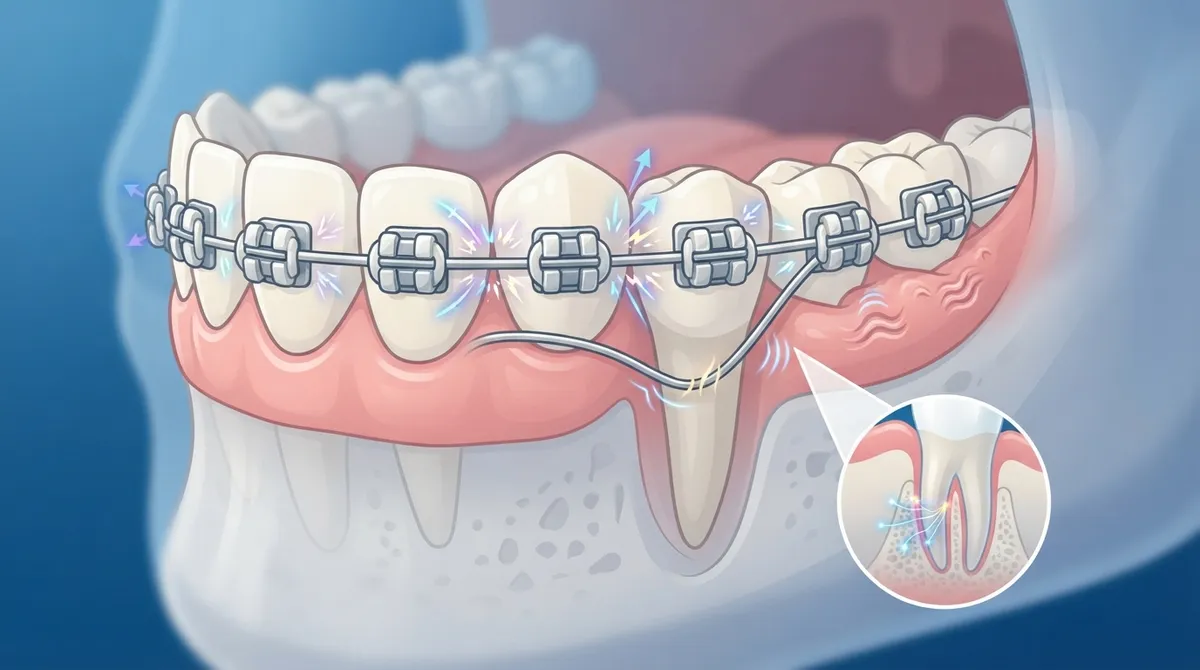
Braces work by applying gentle, steady pressure to shift your teeth into better positions. That pressure is exactly why your teeth feel sore for a few days after getting braces put on or after an adjustment. It is not a sign that something is wrong. It is actually a sign that your treatment is working.
According to the American Association of Orthodontists, soreness after braces are placed or tightened is usually mild and tends to peak within the first 24 to 48 hours. From there, it fades over the next several days. A recent review of orthodontic pain patterns found that discomfort typically begins 4 to 12 hours after an adjustment, peaks around the one-to-two-day mark, and eases up within about 3 to 7 days. Every mouth is a little different, but that timeline is a helpful general guide.
Brackets and wires can also rub against your lips, cheeks, or tongue, especially in the first week or two. This is a separate kind of discomfort from tooth soreness, and it usually calms down once your mouth toughens up a bit and gets used to the hardware.
8 Ways to Ease Braces Discomfort
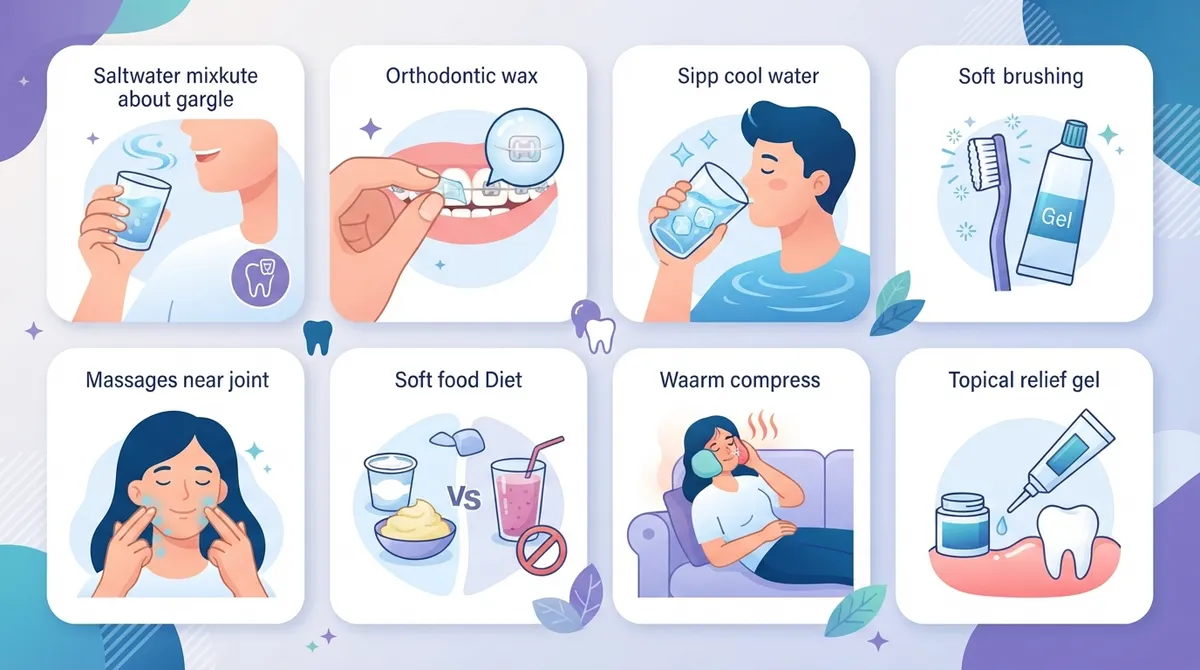
Here are eight simple, effective strategies our Chacon Orthodontics patients use to get comfortable faster. You do not need to try all eight at once. Pick what fits your situation and go from there.
1. Stick to Soft Foods for the First Few Days
Right after getting braces or having them tightened, your teeth are more sensitive to pressure. Softer foods like mashed potatoes, yogurt, scrambled eggs, smoothies, soup, and pasta put less strain on tender teeth. Cutting food into smaller pieces also helps, since it means less biting force is needed. For more ideas, check out our list of braces-friendly snacks every parent should know.
2. Use Orthodontic Wax on Irritated Spots
If a bracket or wire is rubbing your cheek or lip raw, orthodontic wax is your best friend. Just pinch off a small piece, roll it into a ball, and press it over the spot that is bothering you. It creates a smooth barrier so your mouth can heal without constant rubbing. We always send new patients home with extra wax for exactly this reason.
3. Rinse With Warm Salt Water
A warm salt-water rinse can soothe sore gums and irritated cheek tissue. Mix about half a teaspoon of salt into a cup of warm water and swish gently a few times a day. It is an easy, low-cost way to calm inflammation and support healing, especially during the first week of a new appliance.
4. Take an Appropriate Over-the-Counter Pain Reliever
Standard pain relievers like ibuprofen or acetaminophen can take the edge off orthodontic soreness. Research published through a Cochrane systematic review found moderate-quality evidence that analgesics help reduce orthodontic pain at the 2-hour, 6-hour, and 24-hour marks after treatment. That same review estimated most patients only need pain relief for about 2 to 3 days during a typical adjustment cycle. Always follow the label instructions, and check with your orthodontist or pharmacist if you take other medications or have health conditions.
5. Keep Up With Gentle Brushing and Flossing
It might be tempting to skip oral hygiene when your mouth is sore, but this is exactly when it matters most. Use a soft-bristled brush, fluoride toothpaste, and gentle strokes around each bracket. Clean, healthy gums heal faster and feel less irritated. Our guide on how to brush and floss with braces effectively walks through the exact technique step by step.
6. Avoid Hard, Crunchy, or Sticky Foods
Foods like ice, hard candy, popcorn, and chewy caramels can bend wires, pop off brackets, or make existing soreness much worse. This is one of the top causes of unplanned orthodontic visits. Steering clear of these foods protects both your comfort and your treatment timeline. For a full breakdown, see our article on foods to avoid with braces.
7. Try a Cold Compress or Cold Drink
Cold temperatures can numb soreness and reduce swelling around the gums. Sipping ice water, eating a bit of frozen yogurt, or holding a cold compress against your cheek can bring quick relief, especially in the first 48 hours after an adjustment. Many of our younger patients love this trick because it doubles as a treat.
8. Give It Time and Trust the Process
This one is simple but important: most braces discomfort just needs a few days to fade on its own. One clinical study reviewed in recent orthodontic literature found that about 92% of patients with fixed braces experience some discomfort, with 68% reporting eating difficulty and 21% reporting sleep disruption in the early days. Knowing this is common and temporary can make it much easier to push through the adjustment period.
How Long Does Braces Discomfort Typically Last?
Here is a quick timeline based on national guidance and recent research, so you know what to expect at each stage.
| Timeframe | What You Might Feel |
|---|---|
| 0-12 hours after placement or adjustment | Mild pressure, may not feel sore yet |
| 24-48 hours | Peak soreness, tenderness when chewing |
| 3-5 days | Discomfort steadily improves |
| 6-7 days | Most soreness has faded significantly |
| Ongoing between adjustments | Mild sensitivity for a day or two after each visit |
NHS guidance confirms that teeth may be sore for a few days after braces are fitted or adjusted, and fixed-brace appointments are typically scheduled every 6 to 8 weeks. That means most patients experience this cycle of mild soreness several times throughout treatment, and it tends to get easier each time as your mouth adjusts.
Braces vs. Clear Aligners: Which Feels More Comfortable?
This is one of the most common questions we hear, especially from image-conscious teens and busy adult professionals. The honest answer is that both options can cause some discomfort, just in different ways.
- Traditional braces often cause more soreness right after adjustments, plus occasional cheek or lip irritation from brackets and wires.
- Clear aligners tend to cause a duller, more consistent pressure feeling when you switch to a new tray, but there is no metal to rub against soft tissue.
- Both options involve tooth movement, which means some level of pressure is expected no matter which you choose.
- Comfort preference often comes down to lifestyle, since aligners are removable and braces are fixed in place.
If you are weighing your options, our comparison guide on braces vs. clear aligners for your teen breaks down the pros and cons in more detail. You can also learn more about our removable aligners and how clear trays straighten your smile.
When to Call Your Orthodontist
Most braces discomfort is completely normal and resolves on its own. But there are times when you should reach out to your orthodontic team rather than waiting it out. Here is a simple checklist:
- Pain that lasts longer than a week and does not improve
- A bracket or wire that has broken, come loose, or is poking sharply
- Gums that are very red, swollen, or bleeding heavily
- Signs of infection, such as facial swelling, fever, or difficulty swallowing
- Pain that is sharp, localized, or feels different from typical pressure soreness
If you notice any of these signs, do not wait for your next scheduled visit. Our team at Chacon Orthodontics treats these situations as priority appointments. Learn more about what counts as urgent in our guide to orthodontic emergencies and when to call Dr. Chacon.
Tips for Parents Helping Kids Through Braces Discomfort
Watching your child deal with sore teeth can be tough as a parent. Here are a few ways to make it easier for everyone:
- Stock the fridge with soft, cool foods like smoothies and applesauce before their appointment
- Keep orthodontic wax handy at home and in their backpack
- Remind them that soreness is short-term and means their smile is changing for the better
- Praise their patience, since a little encouragement goes a long way
For more early guidance, our article on early signs you need braces can help you understand what to expect before treatment even begins.
Comfort Tips for Adults Balancing Braces and Busy Schedules
If you are an adult professional starting orthodontic treatment, discomfort does not have to derail your week. Scheduling adjustments before a lighter workday, keeping pain relief and wax in your desk drawer, and prepping soft meals in advance can help you stay on track. Many of our adult patients in Brandon appreciate how manageable the process becomes once they know what to expect. You can read more in our guide to adult orthodontics that fit your life.
Why Choose Chacon Orthodontics for Comfortable, Personalized Care
At Chacon Orthodontics, Dr. Omar Chacon and his team focus on making every step of treatment as comfortable as possible, from the first consultation to the final retainer fitting. With locations in Westchase and Brandon, and bilingual care available in English and Spanish, families throughout the area trust our practice for personalized attention and advanced technology. You can follow along with patient stories and smile transformations on our Instagram and Facebook pages, or connect with Dr. Chacon directly on LinkedIn.
Curious what other patients in Brandon have experienced? You can visit us on Google — Chacon Orthodontics Brandon to read real reviews from families just like yours.
Final Thoughts on Managing Braces Discomfort
Braces discomfort is a normal, temporary part of getting a straighter, healthier smile. With soft foods, orthodontic wax, warm salt-water rinses, appropriate pain relief, and a little patience, most soreness fades within a week. If something feels off or pain sticks around longer than expected, your orthodontic team is always just a call away.
Ready to get personalized guidance for your smile journey? Schedule your free consultation today and let the Chacon Orthodontics team in Brandon help you feel confident and comfortable every step of the way.
FAQs
Q: How long do braces hurt after they are first put on?
A: Most people feel the most soreness in the first 24 to 48 hours after getting braces, and it usually calms down within about a week. Everyone heals a little differently, but soft foods and orthodontic wax can help you feel better much faster during those first few days.
Q: How painful are braces after an adjustment?
A: Adjustments usually cause mild pressure or tenderness rather than sharp pain, and it typically fades within a few days. Think of it as your teeth settling into their new positions, which is actually a great sign your treatment is moving forward.
Q: What can I eat when my teeth hurt from braces?
A: Soft foods like yogurt, mashed potatoes, scrambled eggs, and smoothies are gentle on sore teeth and easy to chew. Once the initial soreness fades in a few days, you can slowly go back to your regular diet while still avoiding hard or sticky foods.
Q: Can I take ibuprofen or paracetamol for braces pain?
A: undefined
Q: When should I call my orthodontist about braces pain?
A: Reach out if pain lasts longer than a week, feels sharp or severe, or if you notice a broken bracket, loose wire, or swollen gums. Our team at Chacon Orthodontics is always happy to check things out, so you never have to just tough it out alone.