
Key Takeaways
-
Braces sensitivity is very common and usually temporary: studies cite pain in roughly 70 to 95 percent of orthodontic patients, and most tenderness fades within about a week.
-
Tenderness typically peaks on days 2 to 3 after braces are placed or adjusted, then eases as your mouth adjusts to the pressure that moves your teeth.
-
Eat soft foods like yogurt, mashed potatoes, soup, and scrambled eggs, and avoid hard, crunchy, or sticky foods that can also damage brackets and wires.
-
Relieve soreness with a cold compress on the cheek, warm salt-water rinses (about half a teaspoon of salt per glass), and orthodontic wax for rubbing brackets or wires.
-
Call your orthodontist if pain lasts more than 14 days, is sharp or localized to one tooth, or comes with swelling, fever, a loose bracket, or a poking wire.
-
Keep brushing and flossing gently even when teeth are sore, since brackets trap food and plaque and good hygiene protects your teeth and gums.
So you just got your braces, and now your teeth feel a little tender. Maybe biting into a sandwich feels odd. Maybe that cold drink gave you a zing. First things first: you are not alone, and you are not doing anything wrong. Braces sensitivity is one of the most common parts of starting orthodontic treatment.
The good news? It is usually temporary, and there are simple ways to feel better. In this guide, we will walk through why braces sensitivity happens, how long it lasts, and what you can do at home to feel more comfortable. We will also cover the signs that mean it is time to call your orthodontist.
Whether you are a parent helping a nervous child, a teen juggling school and sports, or an adult professional who wants to keep life moving, this guide is for you. Think of it as a friendly chat about what to expect, so there are no surprises.
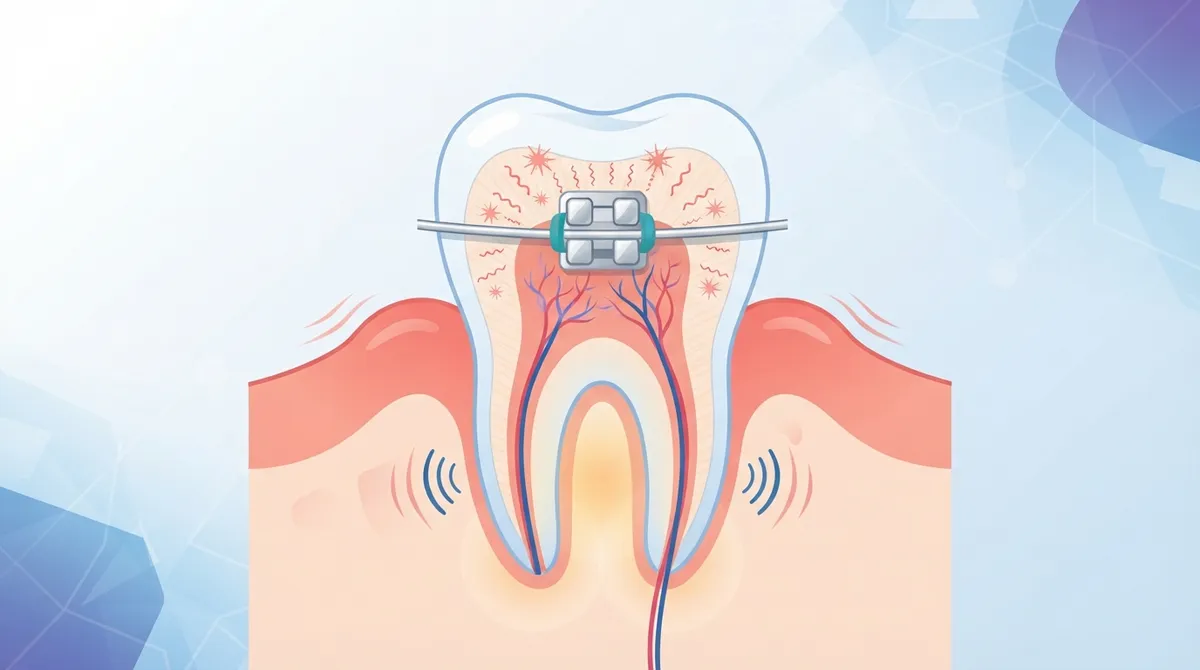
What Does Braces Sensitivity Actually Mean?
Braces sensitivity is a general term. Most of the time, it describes a tender, achy, or pressure-filled feeling in your teeth after braces are placed or adjusted. Your lips, cheeks, and tongue may also feel sore while they get used to brackets and wires.
Here is what people often notice:
- Teeth that feel sore when biting or chewing
- A dull, achy pressure across the whole mouth
- A quick zing when drinking something hot or cold
- Sore spots inside the lips or cheeks from brackets and wires
Your mouth is simply adjusting to something new. Think of it like breaking in a new pair of shoes. There is a short getting-used-to period, and then things get much easier.
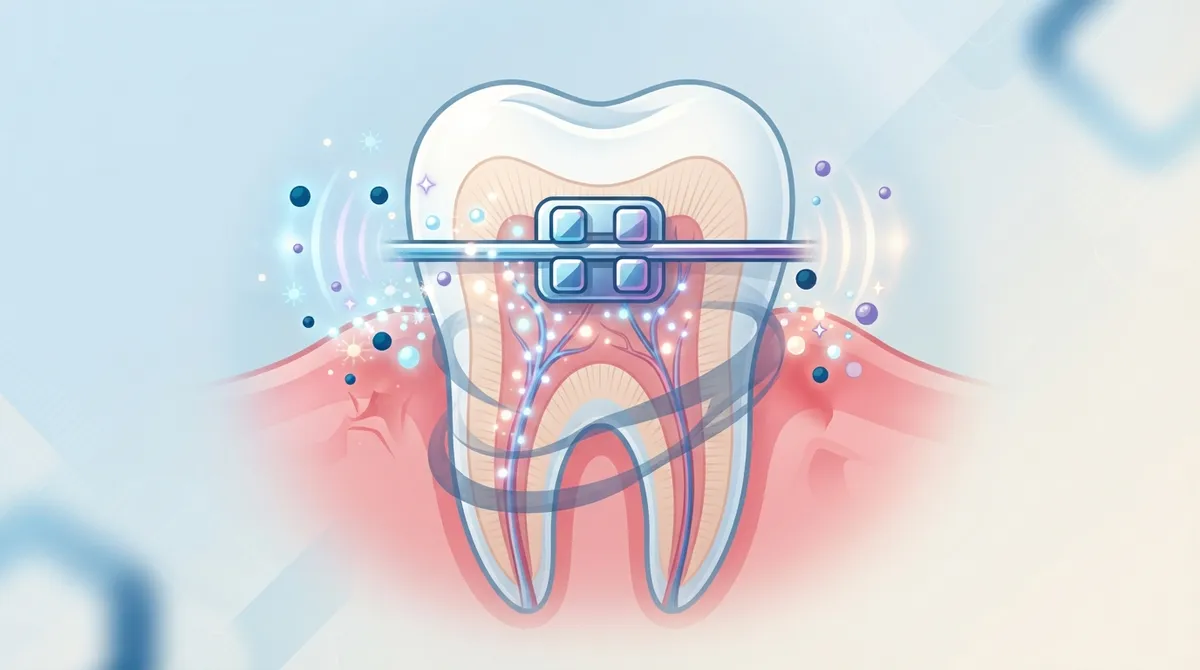
Why Do Teeth Feel Sensitive After Braces Go On?
Braces work by applying gentle, steady pressure to your teeth. That pressure tells the tissues around each tooth to change slowly, so your teeth can move into better positions. This is a normal biological response, and it is the reason tenderness shows up.
Research backs up how common this is. A 2026 review in PubMed Central reports that studies have found some degree of pain in roughly 70 to 95 percent of orthodontic patients. That number covers orthodontic discomfort in general, not just temperature-sensitive teeth. Still, it shows that feeling a bit sore is a normal part of the process.
The American Association of Orthodontists describes pressure or tenderness during the first few days after braces are placed. So if your teeth feel sore, your braces are doing their job.
Why Cold and Hot Drinks Can Feel Different
When your teeth are tender from tooth movement, they can react more strongly to temperature changes. A cold glass of water might feel sharper than usual for a few days. This is common and usually fades as your teeth settle in.
That said, a sharp, intense pain in just one tooth is a different story. We will talk about that in a moment.
How Long Does Braces Sensitivity Last?
Most people feel the most discomfort during the first few days after braces are placed or after an adjustment. After that, it gradually eases. Many patients feel much better within about a week.
Here is a simple timeline of what many patients experience:
| Timeframe | What You May Feel | What Helps |
|---|---|---|
| Day 1 | Mild pressure, getting used to the feel of braces | Soft foods, cool water |
| Days 2 to 3 | Peak tenderness, sore when chewing | Soft foods, cold compress, salt-water rinses |
| Days 4 to 5 | Soreness starts to fade | Gradually adding firmer (still braces-safe) foods |
| Days 6 to 7 | Mostly comfortable | Normal brushing and routine |
| After 14 days | Should be fully settled | Call your orthodontist if sensitivity continues |
Orthodontics Australia advises seeking professional advice if sensitivity or pain lasts more than 14 days without improvement. That is a helpful rule of thumb for anyone wondering whether something is off.
You may feel this cycle again after adjustment visits, but it is often milder than the first time. Your mouth learns what to expect. If you want to know what happens at those visits, check out What Really Happens During Braces Tightening?
8 Gentle Ways to Ease Braces Sensitivity at Home
You do not have to just wait it out. There are simple, safe steps that can help you feel more comfortable. Here is a numbered list you can follow:
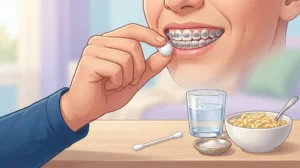
- Choose soft foods. Think yogurt, mashed potatoes, scrambled eggs, soup, smoothies, and pasta. Your teeth will thank you.
- Use a cold compress. Hold a cold pack on your cheek for a few minutes at a time. It can calm that achy feeling.
- Rinse with warm salt water. Mix about half a teaspoon of salt in a glass of warm water. Swish gently and spit. This can soothe sore gums and cheeks.
- Add orthodontic wax. If a bracket or wire is rubbing your lip or cheek, a tiny piece of wax makes a smooth cover. Wax helps with soft-tissue irritation, but it does not treat tooth sensitivity itself.
- Try an over-the-counter pain reliever, if appropriate. Always follow the directions on the label. Check with your dentist, orthodontist, pharmacist, or physician first, especially for children or anyone with health conditions or other medications.
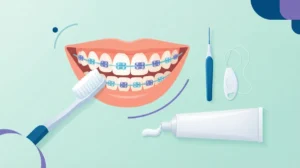
- Keep brushing gently. Use a soft-bristled toothbrush. Clean teeth are healthier teeth, even when they feel tender.
- Skip very hot or very cold items for a few days. Lukewarm and cool options feel nicer on sensitive teeth.
- Give it a little time. Your teeth are adjusting. A few easy days at the start can make a big difference.
For even more comfort ideas, you might love 8 Ways to Ease Braces Discomfort Fast (2026 Guide) and How to Ease Braces Soreness Fast and Feel Better Today.
What Can You Eat When Your Teeth Feel Sore?
Eating is usually the biggest worry for new braces wearers, especially teens. The trick is to keep things soft and easy while your teeth settle down.
Comfort Foods to Reach For
- Yogurt, cottage cheese, and pudding
- Mashed potatoes and soft-cooked veggies
- Oatmeal, soup, and pasta
- Bananas, applesauce, and smoothies
- Scrambled eggs and soft fish
Foods to Skip for Now
- Hard, crunchy snacks like chips, nuts, and popcorn
- Chewy or sticky treats like caramel and taffy
- Tough meats and crusty bread
- Whole apples or raw carrots (cut them into small pieces later on)
Remember, these soft food choices are not just for comfort. Hard and sticky foods can also damage brackets and wires. For a deeper dive, read 7 Braces Diet Restrictions That Protect Your Smile (2026).
How Do You Tell Normal Soreness From a Real Problem?
This is a great question, and one many families ask. Most braces sensitivity is mild, widespread, and improves with time. But some symptoms deserve a closer look.
Here is a quick comparison to help you sort it out:
| Normal Braces Soreness | Signs to Get Checked |
|---|---|
| Mild to moderate ache across several teeth | Sharp, severe pain in one specific tooth |
| Peaks in the first few days, then fades | Pain that gets worse instead of better |
| Tender when chewing, improves with soft foods | Pain that lasts more than 14 days without improvement |
| Minor irritation on lips or cheeks | Swelling, fever, or signs of infection |
| Brackets and wires feel secure | A loose bracket or a wire poking you |
Persistent or sharply localized tooth pain should not automatically be written off as routine braces soreness. It could be something else, like a cavity or another dental concern. When in doubt, a quick call to your orthodontist can bring real peace of mind.
Can Braces Cause Sensitivity in Just One Tooth?
Sometimes one tooth feels more tender than the rest. This can happen if that tooth is moving more than its neighbors, or if it was crowded or rotated before treatment. A little extra tenderness there can be normal.
However, if the pain is sharp, intense, or does not improve, do not wait. It is always smart to have it checked. Plaque buildup around brackets can also contribute to dental problems, which is why daily cleaning matters so much during treatment.
Why Good Oral Hygiene Matters Even When Your Mouth Is Sore
It can be tempting to skip a thorough brushing when your teeth feel tender. But brackets and wires make food and plaque easier to trap. Keeping everything clean helps protect your teeth and gums, and it can help you feel better too.
A few friendly reminders:
- Use a soft-bristled toothbrush and gentle strokes
- Follow your orthodontist’s cleaning instructions
- Take your time around each bracket and along the gumline
- Floss daily, using the tools your orthodontist recommends
Need some pointers? We love these helpful reads: How to Brush With Braces for a Cleaner, Healthier Smile and 14 Easy Tips for Flossing With Braces (2026 Guide).
Braces Sensitivity Tips for Every Age Group
Every patient is different, and so is every family. Here are a few tailored ideas.
For Parents of Younger Children
Kids may not always tell you what hurts. Watch for signs like pushing food away or rubbing their cheeks. Offer soft meals, and check with your orthodontist or pharmacist before giving any pain reliever. A little extra cuddle time helps too. If you are wondering about timing, When Should Your Child Really Get Braces? is a great place to start.
For Teens
Between school lunches, practice, and friends, braces can feel like a lot. Pack soft snacks like yogurt cups, bananas, or soft sandwiches for the first few days. Keep a small wax container in your bag just in case. Our guide on How to Choose Braces for Teenagers in 2026 can help too.
For Adult Professionals
Busy week at work? Plan your adjustment visits for a time when you can eat softer meals for a day or two. A thermos of warm soup and a few smoothies can save the day. If you are curious about adult treatment, take a look at 7 Braces for Adults Options to Consider in 2026.
When Should You Call Your Orthodontist?
Reaching out is never a bother. Your orthodontic team wants you to feel supported. Please get in touch if you notice any of these:
- Severe, worsening, or unusual pain
- Pain or sensitivity lasting longer than 14 days without improvement
- A loose bracket or a wire that is poking your cheek or gums
- Swelling, fever, or other signs of infection
- Sharp pain in one tooth that does not fade
If a wire is causing trouble, this quick read can help while you wait for your visit: 4 Fast Fixes for Braces Wire Poking in 2026. And for urgent situations, see 10 Braces Emergency Care Steps Every Family Needs (2026).
How Chacon Orthodontics Helps Keep You Comfortable
At Chacon Orthodontics, we believe comfort and confidence go hand in hand. Dr. Omar Chacon is a board-certified orthodontist who uses advanced technology and a personalized approach to create treatment plans that fit each patient. We offer custom braces and clear aligners for children, teens, and adults, and our bilingual team is happy to answer your questions in English or Spanish.
If you are in the Brandon or Westchase area, we would love to help. You can visit us on Google — Chacon Orthodontics Brandon to see what our patients are saying and get directions. You can also keep up with our team on Instagram and Facebook, or connect with Dr. Chacon on LinkedIn.
Curious how the whole journey works? Take a peek at What Are the Braces Treatment Steps From Start to Finish? and 4 Truths About How Much Braces Hurt (2026 Guide) for an honest look at what to expect.
Final Thoughts: A Little Soreness, A Lot of Smile
Braces sensitivity can feel like a bump in the road, but it is a short one. Most tenderness fades within days, and simple steps like soft foods, gentle rinses, and good brushing can make a big difference. Remember that sharp, one-tooth pain, lingering discomfort past two weeks, or any swelling or fever is worth a call to your orthodontist.
Every smile journey has a few cozy-soup days. Before you know it, you will be showing off your new smile with confidence. Have questions about your own comfort or treatment? We are here for you. Schedule your free consultation with Chacon Orthodontics today, and let us help you smile with confidence.
FAQs
Q: Is tooth sensitivity normal after getting braces?
A: Yes, it is very normal! Braces apply gentle pressure to move your teeth, so tenderness or achiness in the first few days is expected. It usually fades as your mouth gets used to your new braces.
Q: How long does sensitivity last after braces are tightened?
A: Most people feel the most soreness for the first few days after an adjustment, and it often eases within about a week. If tooth pain or sensitivity lasts more than 14 days without improving, give your orthodontist a call.
Q: How can I relieve braces sensitivity safely?
A: Soft foods, a cold compress on your cheek, and warm salt-water rinses can all help. Orthodontic wax is great for sore lips and cheeks, and over-the-counter pain relievers may help too, but check with your orthodontist, dentist, or pharmacist first, especially for kids.
Q: Can braces cause sensitivity in just one tooth?
A: Sometimes one tooth is a little more tender because it is moving more than its neighbors. But sharp, intense, or lasting pain in a single tooth deserves a check-up, since it could be something other than normal braces soreness.
Q: When should I call my orthodontist about pain or sensitivity?
A: Reach out if the pain is severe, getting worse, or lasts longer than 14 days. Also call right away if you notice swelling, fever, a loose bracket, or a wire poking you. We are always happy to help!