
Key Takeaways
-
Adult orthodontic patients grew from 1.64 million in 2022 to 1.91 million in 2024, proving braces are increasingly common and socially accepted for adults of any age.
-
Clear aligners and ceramic braces offer discreet options for working professionals, while traditional metal braces remain best for complex bite problems and severe crowding requiring reliable results.
-
Treatment typically lasts 6 to 30 months depending on complexity, with appointments every 4 to 10 weeks; staying on schedule is critical to keeping progress on track.
-
Adults must prepare their mouth before braces by addressing gum disease, cavities, and existing dental work with their dentist and orthodontist working as a team.
-
Retainers are essential long-term after treatment ends to prevent teeth from shifting back; skipping retention can undo years of orthodontic work and investment.
-
Braces beyond looks can fix functional problems like crowding, gaps, and bite issues that improve chewing, simplify cleaning, and reduce cavity and gum disease risk.
Thinking about braces for adults? You are in great company. More grown-ups than ever are choosing to straighten their teeth, and the numbers prove it. The American Association of Orthodontists reported about 1.91 million adult patients in active treatment with its U.S. members in 2024, up from 1.64 million in 2022.
So if you have been hiding your smile in photos or feeling unsure about the idea of wearing braces at work, take a deep breath. You are not too old, and you are not alone. Adults can begin orthodontic treatment at any age as long as their teeth and gums are healthy enough.
In this friendly guide, we walk through seven options and ideas worth knowing in 2026. You will learn about the types of braces, how long treatment takes, what it costs, and how to keep your results for life. Whether you are a busy professional, a parent who has put your own smile on hold, or someone who simply wants more confidence, there is a path that fits you.

Why So Many Adults Are Choosing Braces in 2026
Adult orthodontics is not a trend that will fade. It is a real shift in how people think about their health and confidence. Many adults never had braces as kids. Others had them, skipped the retainer, and watched their teeth drift back.
Braces for adults can help with more than looks. They can fix crowding, gaps, protruding teeth, and bite problems. A better bite can make chewing easier and cleaning simpler. For many people, it is both about appearance and function.
The AAO’s 2025 consumer study also found that orthodontists treated 64% of adult orthodontic patients in its market analysis. That is a good reminder that a board-certified specialist is often the best place to start.
1. Traditional Metal Braces
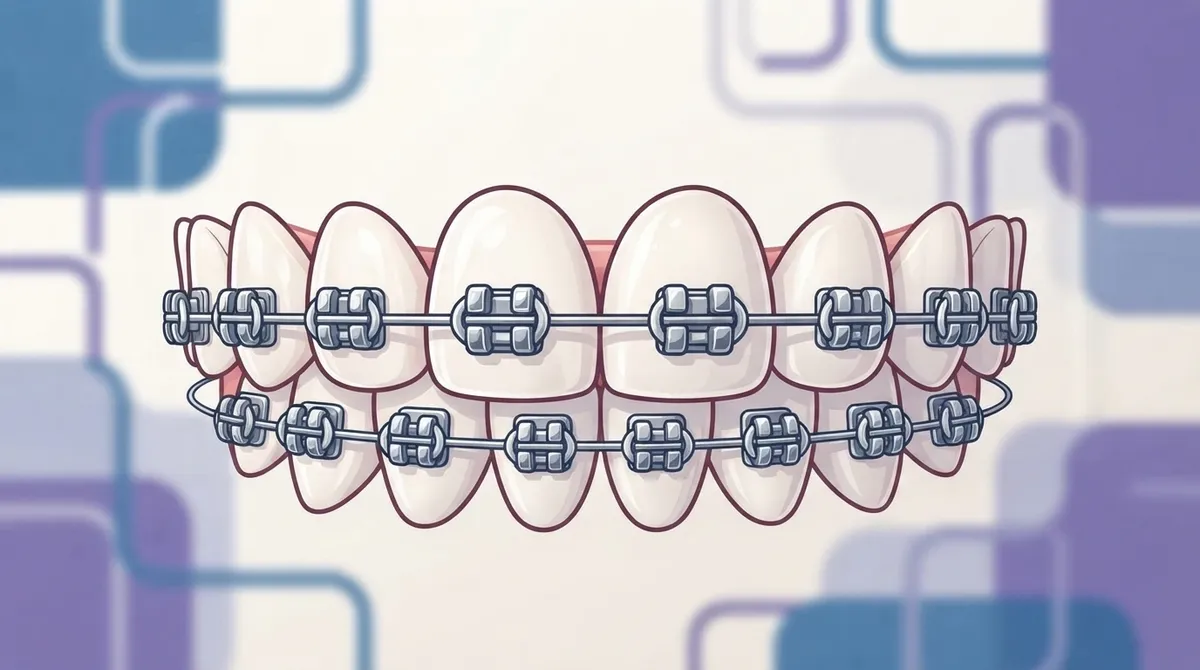
Metal braces are the classic choice, and they are still a top pick for good reason. They use small metal brackets and a thin wire to move teeth step by step. They are strong, reliable, and often the best match for complex cases.
Today’s metal braces are smaller and more comfortable than the ones you may remember. Some adults even enjoy choosing fun colored bands. If you want to learn more about why this option remains popular, check out 15 reasons metal braces are still a top choice in 2026.
Metal braces may be a good fit if you:
- Have a complex bite problem or severe crowding
- Want a dependable option that works around the clock
- Prefer not to manage removable trays
- Are comfortable with a more visible look
2. Ceramic (Tooth-Colored) Braces
Ceramic braces work just like metal braces, but the brackets blend in with your teeth. That makes them a popular choice for adult professionals who want a lower-profile look at meetings, interviews, and events.
They can handle many of the same problems as metal braces. The tradeoff is that the clear or tooth-colored brackets need extra care to keep them clean and bright. Good daily brushing and flossing make a big difference.
3. Lingual Braces (Behind the Teeth)
Lingual braces are attached to the back of your teeth, so they are hidden from view. If you want treatment that nobody notices, this can be an appealing idea. Not every case is right for lingual braces, and they can feel different on your tongue at first.
Your orthodontist can tell you whether this approach suits your bite and goals. A careful exam is the first step.
4. Clear Aligners
Clear aligners are nearly invisible, removable trays that gently guide your teeth into place. Many working adults love them because they fit into a busy life. You can take them out to eat and to brush and floss as usual.
They do ask for discipline, though. Aligners only work when you wear them, typically for most of the day. To see how the trays do their job, read how clear trays straighten your smile. You can also compare both paths in this guide to traditional braces vs. clear aligners.
A Quick Comparison of Adult Braces Options
Here is a simple side-by-side look to help you think through your choices. Your orthodontist will confirm what works best for your teeth.
| Option | How Visible? | Removable? | Best For |
|---|---|---|---|
| Metal braces | Most visible | No | Complex cases, reliable results |
| Ceramic braces | Low-profile | No | Professionals wanting a subtle look |
| Lingual braces | Hidden behind teeth | No | Those wanting near-invisible treatment |
| Clear aligners | Nearly invisible | Yes | Mild to moderate alignment needs |
5. Know How Long Treatment Takes
One of the first questions adults ask is, “How long will I wear braces?” The honest answer is that it depends on your case. NHS guidance describes treatment as usually lasting about 6 to 30 months. The British Orthodontic Society says comprehensive treatment often takes 1 to 2 years. Simpler cases can be shorter.
What affects your timeline?
- How complex your alignment or bite problem is
- How closely you follow your orthodontist’s instructions
- Whether you wear aligners as directed or keep up with appointments
- Your overall oral health going into treatment
Appointments during treatment are commonly scheduled every 4 to 10 weeks, depending on your plan. Staying on schedule is one of the easiest ways to keep things moving. For planning tips, see how to plan your life around braces treatment duration.
6. Get Your Mouth Ready First
Before braces for adults begin, your teeth and gums need to be in good shape. Adult treatment plans often account for things younger patients do not have to think about. Your orthodontist will look at:
- Existing dental work, like crowns, fillings, or implants
- Missing or worn teeth
- Gum health and bone support
- Medications you take
- Habits such as smoking or teeth grinding
Active gum disease and poor oral hygiene generally need attention before treatment starts. That is not a dealbreaker. It just means a little prep work first, and your dentist and orthodontist can team up to get you there.
Curious whether braces and dental work can coexist? Take a look at dental implants and braces: can you have both? for a helpful overview.
7. Plan for Comfort, Cleaning, and Cost
Let’s talk about the practical side, because this is where adults tend to have the most questions.
Will it hurt?
Some soreness is normal for a few days after braces are placed or adjusted. Soft foods, cool water, and over-the-counter pain relief (as your provider advises) can help. Dr. Chacon shares what to expect in are braces painful?
How do I keep my teeth clean?
Braces can trap food and plaque. Without careful cleaning, that raises the risk of cavities and gum problems. Brush after meals when you can, floss daily with a threader or special floss, and keep up with your regular dental cleanings. Here is a helpful walkthrough on how to brush and floss with braces effectively.
What about the cost?
The price of braces for adults depends on your treatment type, how complex your case is, and your insurance benefits. Many practices offer payment plans to make care easier to manage. You can learn more in this pricing guide for 2026 and read about how dental insurance covers orthodontic treatment.
Don’t Skip the Retainer
Here is the part people love to forget: the retainer. After active treatment, retainers are needed to reduce the risk of your teeth shifting back. Retention is often long term, so your orthodontist will advise you on the type and wear schedule that fits you.
Think of it as the final, important step in protecting your investment. To explore your options, visit our page on retainers or read how to keep your smile straight for life.
A Simple Path to Getting Started
Feeling ready to explore braces for adults? Here is an easy roadmap to follow:
- Book a consultation. A dental and orthodontic assessment shows whether you are a good candidate and which option fits.
- Review your options. Talk through metal, ceramic, lingual, and clear aligner choices with your orthodontist.
- Get your oral health in order. Treat any gum disease or cavities before starting.
- Start treatment and keep up with visits. Regular appointments keep your progress on track.
- Wear your retainer. Follow your orthodontist’s plan to keep your new smile in place.
Why Choose a Specialist Near Westchase
Adult treatment is not one-size-fits-all, so having an experienced partner matters. At Chacon Orthodontics, Dr. Omar Chacon is a board-certified orthodontist who offers personalized care for adults, teens, and children. The team provides bilingual service in English and Spanish and uses advanced tools like 3D digital imaging to plan your care with precision.
Curious how it feels to work with a local team? You can read what neighbors say and see our Chacon Orthodontics West Chase reviews on Google. You can also follow our updates on Instagram and Facebook, or connect with Dr. Chacon on LinkedIn.
If you live or work in the Westchase area, you may also enjoy our guide to adult orthodontics in 33626, or learn more about our adult orthodontic care.
Final Thoughts: Your Smile Is Worth It
Braces for adults are more common, more comfortable, and more discreet than ever. From metal and ceramic braces to lingual braces and clear aligners, there is a solution for nearly every lifestyle and budget. The key is to start with a proper exam and a plan built just for you.
You have spent years taking care of everyone and everything else. Maybe it is time to give your smile some love. Ready to take the first step? Schedule your free consultation with Chacon Orthodontics today, or contact us with any questions. We would be delighted to meet you.
FAQs
Q: Am I too old to get braces?
A: Not at all! Adults can start orthodontic treatment at any age as long as their teeth and gums are healthy enough. A quick dental and orthodontic exam will show whether braces are right for you.
Q: What types of braces are available for adults?
A: Adults can choose from fixed metal braces, tooth-colored ceramic braces, lingual braces that sit behind the teeth, and removable clear aligners. The best choice depends on your bite, your goals, and your lifestyle, so your orthodontist will help you decide.
Q: How long does adult orthodontic treatment take?
A: Most treatment lasts somewhere between 6 and 30 months, and many comprehensive cases take about 1 to 2 years. Simpler cases can be quicker, and following your orthodontist’s instructions helps keep you on track.
Q: Can I get braces if I have crowns, implants, or gum disease?
A: Often, yes, but your orthodontist will plan carefully around existing dental work. Active gum disease usually needs to be treated first so your teeth and gums are healthy before braces go on.
Q: How long do I need to wear a retainer after braces?
A: Retention is often long term, because teeth can shift back if you stop wearing your retainer. Your orthodontist will recommend the right type and wear schedule for your smile.





