
Key Takeaways
-
Traditional braces cost $2,500-$10,000 on average and can handle complex alignment issues that clear aligners cannot, making them the most versatile orthodontic option available.
-
Treatment typically takes 12-24 months with consistent follow-up visits, and post-treatment retainer wear is essential to prevent teeth from shifting back to their original positions.
-
Avoid sticky candies, hard nuts, popcorn, and crunchy vegetables to prevent wire bending or bracket damage; brush after every meal and use floss threaders daily to protect against cavities.
-
Mild soreness after initial placement and adjustments is normal and manageable with soft foods, orthodontic wax, and over-the-counter pain relievers.
Walk into any school hallway or family gathering, and you’ll spot them: those familiar metal smiles that have helped generations straighten their teeth. Traditional braces have been around for decades, yet they remain one of the most trusted ways to fix crooked teeth and bite problems. If you’re wondering whether they’re still worth considering in 2026, you’re in good company. Parents, teens, and adults across Westchase and Brandon ask us this question every single week.
Here’s the good news: traditional braces work. They’re reliable, affordable compared to many newer options, and they can handle even the trickiest alignment challenges. In this article, we’ll walk through exactly how they work, what treatment looks like day-to-day, and how to know if they’re the right fit for you or your child. Grab a cup of coffee, and let’s talk smiles.
What Are Traditional Braces, Exactly?
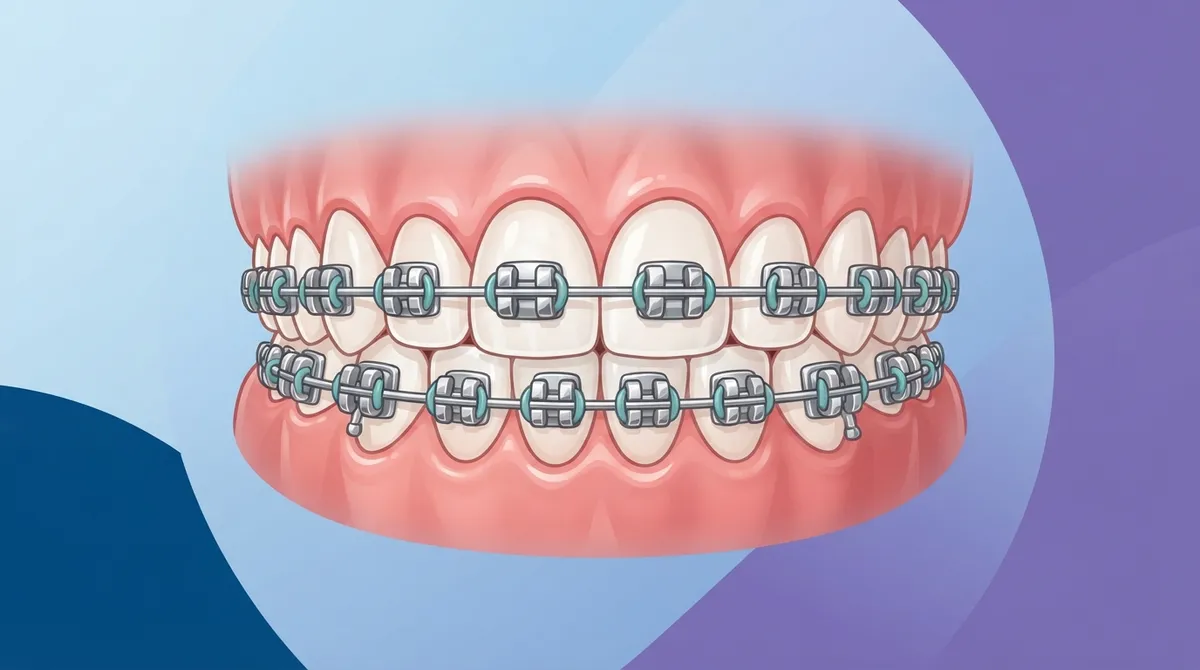
Traditional braces are fixed appliances made of small brackets bonded to each tooth. A thin wire, called an archwire, connects the brackets and applies gentle, steady pressure. Over time, this pressure guides teeth into better positions and improves how your bite fits together.
Your orthodontist may also add elastic bands or other small components depending on your specific needs. Every treatment plan looks a little different because every smile is unique. That’s why a personalized evaluation matters so much before starting treatment. If you want to learn more about how teeth positioning affects your bite, check out this helpful guide on understanding teeth positioning and fixing alignment issues.
How Metal Braces Move Teeth
Teeth aren’t stuck in place forever. They actually sit in a bone socket surrounded by a thin layer of tissue. When braces apply steady pressure, that tissue remodels slowly, allowing the tooth to shift bit by bit. It’s a slow process, but it’s incredibly effective.
This is why patience matters so much during treatment. Small, steady changes add up to big results over months and years.
What Problems Can Traditional Braces Fix?
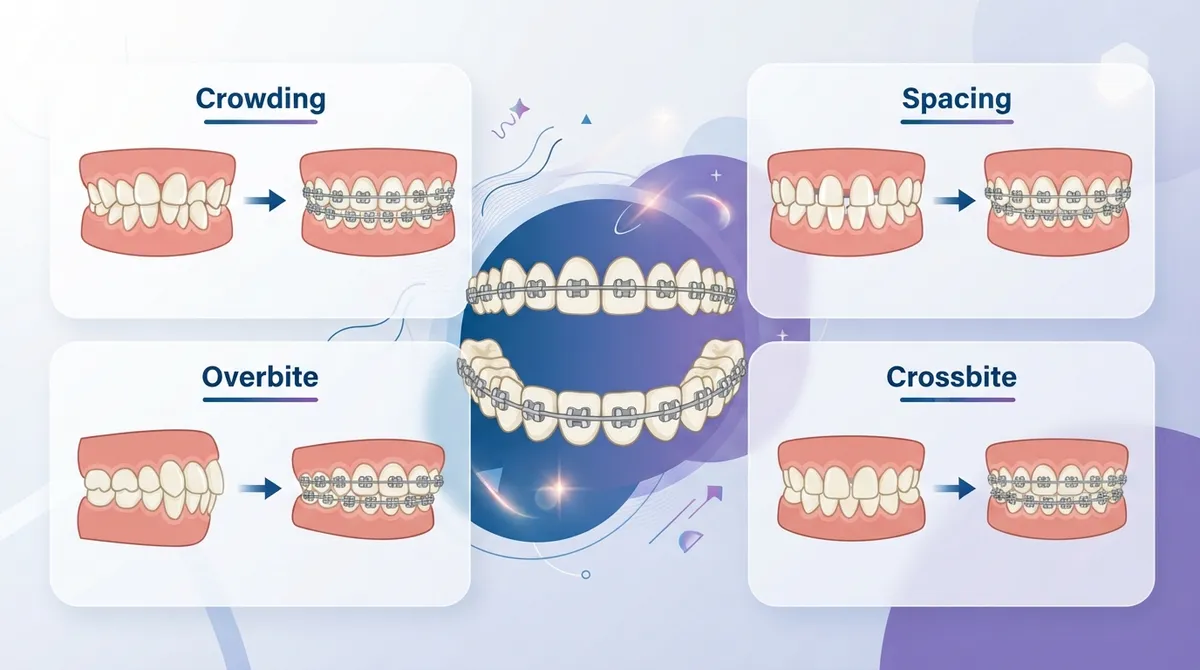
Metal braces are considered one of the most versatile orthodontic tools available today. They can address:
- Crowded or overlapping teeth
- Gaps between teeth
- Overbites, underbites, and crossbites
- Jaw alignment concerns
- Teeth that grew in at odd angles
Because braces offer this level of control, orthodontists often recommend them for more complex cases. If you’re unsure whether your bite issue needs attention, this article on overbite vs underbite and understanding bite problems breaks it down in simple terms.
How Long Does Treatment Usually Take?
This is probably the question we hear most often. According to the American Association of Orthodontists, many patients wear braces for about 12 to 24 months. The Cleveland Clinic notes that treatment averages around two years, though some cases wrap up in less than a year while others may take up to three years.
Treatment length depends on a few things:
- How complex your alignment or bite issue is
- How well you follow your orthodontist’s instructions
- How consistently you attend follow-up visits
- Your body’s natural response to treatment
Kids and teens sometimes move through treatment a bit faster since their jaws are still growing. Adults can absolutely get great results too, it just may take a little longer in some cases. For a deeper dive into how treatment time is planned out, take a look at how to plan your life around braces treatment duration.
Do Traditional Braces Hurt?
Let’s be honest, there’s some soreness involved, especially right after braces go on or after an adjustment. But it’s usually mild and temporary. Most patients describe it as pressure or tenderness rather than sharp pain.
Here are a few simple ways to ease the discomfort:
- Eat soft foods for the first few days
- Use orthodontic wax on spots that feel irritated
- Rinse with warm salt water
- Take an over-the-counter pain reliever if needed
If soreness feels unusual or a wire is poking your cheek, don’t just tough it out. Reach out to your orthodontist for guidance. You can read more tips in this article about what to expect when it comes to braces discomfort.
Caring for Your Braces: Daily Habits That Matter
Brushing and Flossing Tips
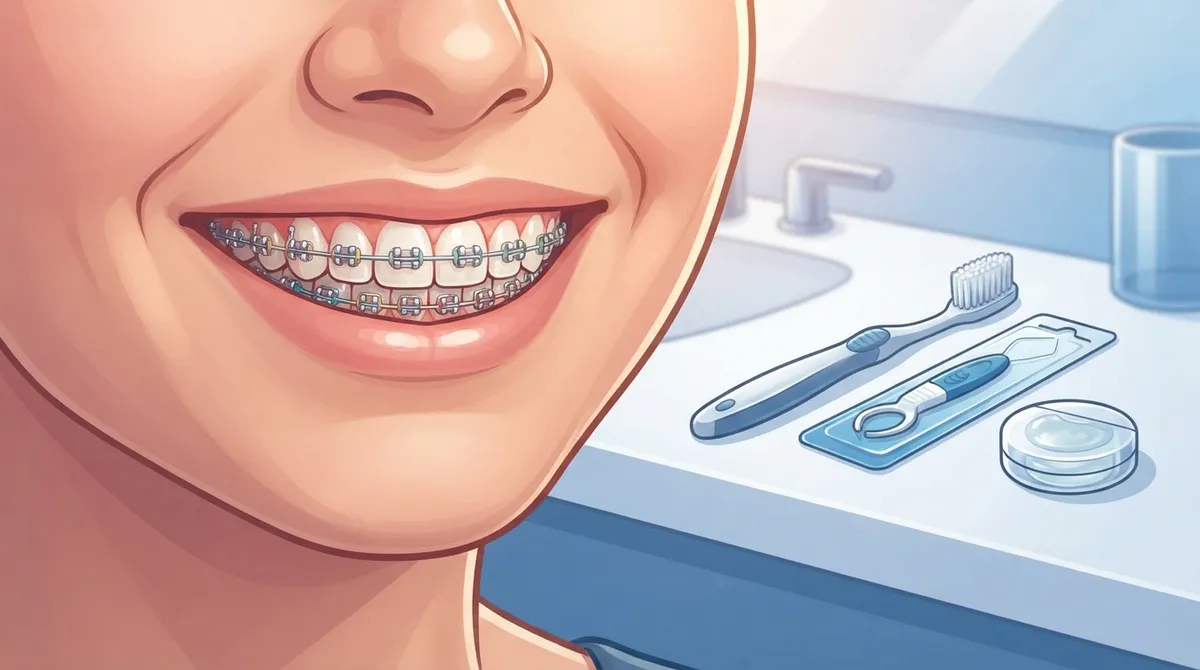
Brackets and wires create extra nooks where food and plaque like to hide. That means your brushing routine needs a little extra love while you’re in treatment. Here’s a simple approach:
- Brush after every meal with fluoride toothpaste
- Angle your brush to clean above and below each bracket
- Use floss threaders or orthodontic floss picks daily
- Consider a water flosser for hard-to-reach spots
- Keep up with regular dental cleanings every six months
Good hygiene habits protect against cavities and gum irritation, and they help your results look their best once the braces come off. For a full walkthrough, check out how to clean your teeth with braces every day.
Foods to Avoid
Certain foods can bend wires or pop off brackets, which means extra trips to the orthodontist. It’s best to steer clear of:
- Sticky candies like caramel or taffy
- Hard nuts, ice, and popcorn kernels
- Crunchy raw vegetables (unless cut small)
- Chewy bagels or crusty bread
- Corn on the cob (cut it off instead!)
If something does break, don’t panic. Cover any sharp edges with orthodontic wax and give your orthodontist’s office a call. You can find more guidance in this list of foods to avoid with braces, or browse some fun braces-friendly snacks every parent should know.
How Much Do Traditional Braces Cost?
Cost is often top of mind, and that’s completely understandable. According to CareCredit, the average cost of metal braces in the U.S. is around $6,343, with a typical range between $2,500 and $10,000. ConsumerAffairs reports a slightly different average of about $5,000 to $6,000. These numbers vary because pricing depends on your location, treatment complexity, and what’s included in the quoted fee.
Here’s a simple breakdown of what can affect your final price:
| Factor | How It Affects Cost |
|---|---|
| Case complexity | More complex bites may need longer treatment, raising cost |
| Treatment length | Longer treatment often means more visits and adjustments |
| Insurance coverage | Many plans cover a portion of orthodontic treatment |
| Payment plans | Monthly plans can make treatment more manageable |
| Location | Costs can vary by city and region |
The best way to get an accurate number is to schedule an evaluation and ask for a written estimate. Many practices, including ours, offer flexible payment plans to help spread out the cost. You can also learn more about how dental insurance covers orthodontic treatment before your first visit.
Traditional Braces vs. Other Options
Traditional braces aren’t the only option out there, but they do offer some unique advantages. Take a look at this quick comparison:
| Feature | Traditional Braces | Clear Aligners |
|---|---|---|
| Visibility | Noticeable metal brackets | Nearly invisible trays |
| Removability | Fixed, cannot remove | Removable for eating and brushing |
| Best for | Complex bite and alignment issues | Mild to moderate cases |
| Compliance needed | Low, since it’s fixed in place | High, requires consistent wear |
| Typical cost | $2,500–$10,000 | Varies, often similar range |
If you’re weighing your options, this comparison of traditional braces vs clear aligners can help you decide. You might also enjoy reading about how removable aligners straighten smiles if you want a fuller picture before your consultation.
Life After Braces: Why Retainers Matter
Once your braces come off, your teeth can still shift over time if you skip your retainer. That’s just how teeth work, they like to drift back toward their old positions. Wearing a retainer as instructed helps lock in all the progress you worked so hard for.
Your orthodontist will let you know how often to wear your retainer and for how long. Some patients wear theirs nightly for years, while others transition to just a few nights a week. Curious about your options? Take a look at 11 retainer types every orthodontic patient should know.
Is It Time for an Evaluation?
Whether you’re a parent noticing crowding in your child’s smile, a teen who wants straighter teeth before prom season, or an adult finally ready to fix a lifelong bite issue, traditional braces might be exactly what you need. The best way to know for sure is a professional evaluation.
At Chacon Orthodontics, Dr. Omar Chacon and the team offer bilingual care in English and Spanish for families throughout Westchase and Brandon. With advanced technology and a warm, welcoming office environment, getting started feels easy and stress-free. You can even follow along with real patient stories and smile updates on Instagram or connect with the practice on Facebook.
Dr. Chacon’s professional background and commitment to patient care can also be found on LinkedIn, where you can learn more about his training and experience. And if you’d like to hear directly from happy patients, visit us on Google — Chacon Orthodontics West Chase to read real reviews from your neighbors.
Ready to Get Started?
Traditional braces have helped millions of people build confident, healthy smiles, and they can do the same for you or your child. The process is proven, the results are lasting, and the care you receive along the way makes all the difference. If you’ve been putting off that first appointment, today is a great day to change that.
Ready to see what traditional braces could do for your smile? Schedule your free consultation with Chacon Orthodontics today and take the first step toward a smile you’ll love showing off.
FAQs
Q: How do traditional metal braces work?
A: Traditional braces use small brackets bonded to your teeth, connected by a thin archwire. This wire applies gentle, steady pressure that slowly guides your teeth into better positions over time. It’s a proven process that’s been helping people build confident smiles for generations!
Q: How long do traditional braces usually take?
A: Most patients wear braces for about 12 to 24 months, though some cases wrap up faster and others take a bit longer. It really depends on your specific alignment needs and how consistently you follow your orthodontist’s guidance. Your treatment timeline will be personalized just for you.
Q: Do traditional braces hurt?
A: You might feel some mild soreness for a few days after braces go on or after an adjustment, but it’s totally manageable. Soft foods, orthodontic wax, and a little patience usually do the trick. Most patients say the discomfort fades quickly and is well worth the results!
Q: What foods should I avoid with metal braces?
A: Steer clear of sticky candies, hard nuts, popcorn, and crunchy raw veggies that could bend a wire or pop off a bracket. Sticking to softer foods, especially early on, helps protect your appliance. Don’t worry, there are still plenty of delicious braces-friendly snacks to enjoy!
Q: Do I need to wear a retainer after braces come off?
A: Yes, and it’s honestly one of the most important steps in the whole process! Teeth naturally want to shift back over time, so wearing your retainer as instructed helps protect all the progress you’ve made. Think of it as the final step in keeping your smile beautiful for years to come.





