Key Takeaways
-
Orthodontists complete 24-36 months of specialized residency training (3,700+ hours) focused on tooth movement and bite alignment, making them distinctly different from general dentists who may only take weekend courses on aligners.
-
Complex cases involving jaw discrepancies, impacted teeth, or previous failed treatment require an orthodontist's specialized expertise, while simple alignment issues may be handled by a trained general dentist.
-
The American Association of Orthodontists recommends children receive their first orthodontic evaluation around age 7 to catch jaw growth problems early, which is different from routine dental checkups focused on cavities and hygiene.
-
When choosing a provider, compare the full treatment plan, provider's specific orthodontic training, and expected results rather than relying solely on price, as costs vary based on case complexity and location.
Trying to figure out who should straighten your teeth can feel confusing. Should you call your regular dentist, or do you need an orthodontist? This question matters more than you might think, especially when you’re investing time and money in a smile you’ll love for years to come. Whether you’re a parent noticing your child’s crowded teeth, a teen dreaming of a straighter smile before prom, or an adult professional finally ready to fix that overbite, choosing the right provider is a big first step.
The good news? You don’t have to guess. There are clear differences between what a general dentist offers and what an orthodontist specializes in. In this friendly guide, we’ll break down 10 essential facts about orthodontist vs dentist for braces, so you can make a confident, informed choice for yourself or your family. Let’s dig in together!
1. Both Are Dental Professionals, But Their Training Differs
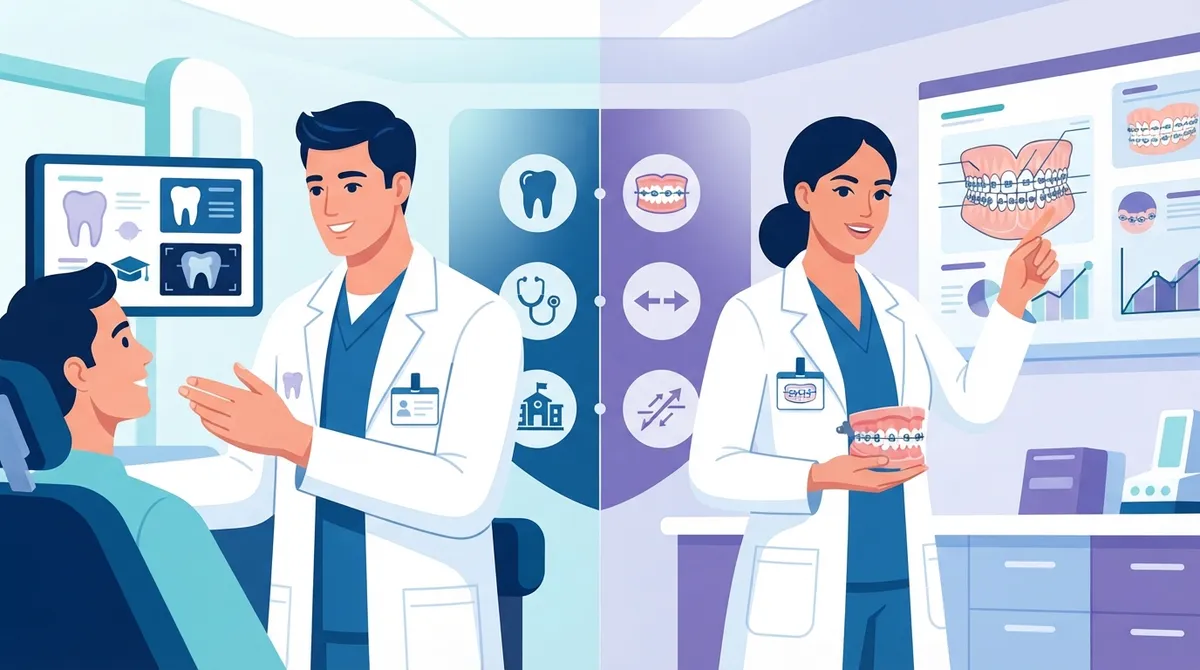
Here’s something that surprises a lot of people: both general dentists and orthodontists go to dental school first. They both earn a license to practice dentistry. But that’s where the paths split. An orthodontist continues their education with a specialty focused entirely on tooth movement, bite alignment, and jaw development.
Think of it like this: every orthodontist is a dentist, but not every dentist is an orthodontist. That extra training is what makes the biggest difference when it comes to understanding teeth positioning and fixing alignment issues.
2. Orthodontists Complete Years of Extra Specialty Training
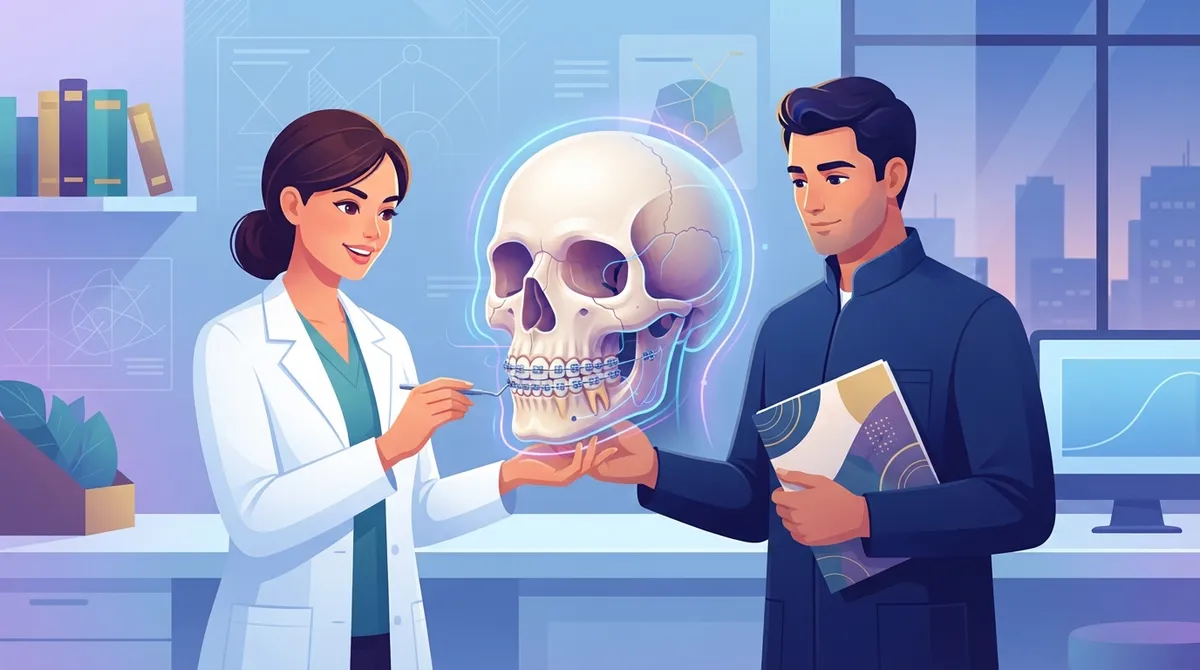
According to the American Association of Orthodontists, orthodontists complete an additional 24 to 36 months of accredited residency training after dental school. That’s about 3,700 hours focused specifically on orthodontics and dentofacial orthopedics.
During this time, orthodontists learn advanced techniques for moving teeth safely and efficiently. They also study how jaws grow and develop, which is especially important for younger patients. This deep dive into one specific area is what sets orthodontic specialists apart from general practitioners.
3. General Dentists Can Sometimes Offer Braces Too
It’s true that some general dentists offer braces or clear aligners in their practice. Depending on state rules, training, and experience, this may be legal and appropriate for simple cases. However, offering orthodontic treatment doesn’t make someone an orthodontist.
This is an important distinction. A dentist might take a weekend course on clear aligners, but that’s very different from years of hands-on residency training. Always ask about a provider’s specific orthodontic education before starting treatment.
4. Dentists Handle Your Everyday Oral Health Needs
Your general dentist plays a huge role in your overall oral health. They’re the ones you see for cleanings, cavity fillings, gum checkups, and crowns. They’re also often the first to notice if your teeth are crowded or misaligned.
Many dentists will refer patients to an orthodontist when they spot alignment problems. This teamwork between providers is common and helps ensure you get the right care from the right specialist at the right time.
5. Orthodontists Focus Specifically on Bite and Alignment Problems
Orthodontists spend their careers correcting issues like crowded teeth, gaps, overbites, underbites, and crossbites. They also treat more complex jaw-growth concerns that require careful planning and monitoring over time.
Here’s a quick breakdown of common issues orthodontists treat:
- Crowded or overlapping teeth
- Overbites and underbites
- Crossbites and open bites
- Impacted or unerupted teeth
- Jaw growth and development concerns
- Cases requiring expanders or growth appliances
If you’re dealing with any of these, working with a specialist trained in bite correction facts every patient should know can make a real difference in your results.
6. Complex Cases Usually Call for an Orthodontic Specialist
Not every smile is created equal. Some cases are simple, like slightly crowded front teeth. Others are more complicated, involving jaw discrepancies, impacted teeth, or previous treatment that didn’t work out as planned.
For these trickier situations, an orthodontist’s specialized training becomes incredibly valuable. They understand the biomechanics needed to move teeth safely, especially when multiple issues are happening at once. If you’ve had a failed treatment before, it’s worth learning why adults need a braces specialist, not just any dentist.
7. Cost Isn’t Always the Deciding Factor
It’s tempting to think braces from a general dentist will always be cheaper. Sometimes that’s true, but not always. Price depends on many factors, including your location, the complexity of your case, and the technology used.
Here’s a simple comparison to help you think it through:
| Factor | General Dentist | Orthodontist |
|---|---|---|
| Extra Training | Varies (courses, seminars) | 24-36 months residency |
| Best For | Simple alignment cases | Complex bite and jaw issues |
| Typical Focus | General oral health + some ortho | Tooth movement and bite specialty |
| Diagnosis Depth | Basic to moderate | Advanced, specialized |
| Referral Network | May refer complex cases | Often the referral destination |
Instead of focusing only on price, compare the full treatment plan, provider experience, and expected results. A smart budget for braces considers total value, not just the sticker price.
8. Children Often Benefit from Early Orthodontic Evaluation
Parents, this one’s for you. The American Association of Orthodontists recommends kids get their first orthodontic checkup around age 7. This doesn’t mean your child needs braces right away. It simply means catching potential issues early.
An orthodontist is trained to spot jaw growth problems and guide development before they become bigger issues. This is different from a routine dental checkup, which focuses more on cavities and general hygiene. Learning about early signs you need braces can help you know what to watch for at home.
9. Career and Salary Data Reflect the Specialty Difference
Numbers tell an interesting story here too. The U.S. Bureau of Labor Statistics reported a 2024 median annual wage of $179,210 for dentists overall. Orthodontists, however, fell into the highest reported wage category of $239,200 or more that same year.
The BLS also projects about 6.2% employment growth for orthodontists between 2024 and 2034. This steady demand reflects how many patients specifically seek out orthodontic specialists for their bite and alignment needs. It’s a good reminder that specialized skills often come with specialized value.
10. Choosing the Right Provider Comes Down to Your Specific Needs
So how do you actually decide? Start by getting a proper evaluation. Ask questions about training, experience with your specific type of case, and what technology they use. A good provider will happily walk you through their process.
Here’s a simple step-by-step approach to help you choose:
- Schedule a consultation to discuss your concerns and goals.
- Ask about the provider’s specific orthodontic training and experience.
- Request a clear treatment plan with timeline and cost estimate.
- Compare options like traditional braces vs clear aligners for your lifestyle.
- Check reviews and ask about retention and follow-up care.
At Chacon Orthodontics, we believe every patient deserves a personalized plan built around their unique smile. Dr. Omar Chacon is a board-certified orthodontist with over 10 years of experience, offering care in both English and Spanish for families in Westchase and Brandon. You can also follow us on Instagram or connect with us on Facebook to see real patient transformations.
Bilingual Care Makes a Difference for Local Families
For many families in the Tampa Bay area, communicating comfortably in your preferred language matters a lot. Whether you speak English, Spanish, or both, clear communication builds trust and reduces stress during treatment.
Dr. Chacon, originally from Puerto Rico, brings this bilingual approach to every consultation. This means Spanish-speaking families never have to worry about miscommunication during important treatment decisions. It’s one more reason why families trust Chacon Orthodontics for their orthodontic care.
What to Ask Before You Commit to Treatment
Before booking your first appointment, here are a few questions worth asking any provider:
- How many years of orthodontic-specific training do you have?
- What appliances or aligner systems do you typically use?
- Will you personally monitor my treatment, or will staff handle most visits?
- What happens if my case turns out to be more complex than expected?
- What’s included in the total cost, including retainers afterward?
These questions help you compare providers fairly, whether you’re considering a general dentist or a specialist. You can learn more about what to expect at an orthodontic consultation before your visit.
The Bottom Line for Your Smile Journey
At the end of the day, both dentists and orthodontists want to help you achieve a healthy, confident smile. The key is matching your specific needs with the right level of expertise. Simple cases might be fine with a trained general dentist, while complex bite issues usually call for a specialist.
Dr. Chacon combines advanced 3D digital imaging with a warm, patient-focused approach for patients of every age. You can read more about his background on LinkedIn or check out what real patients say by visiting Chacon Orthodontics Brandon on Google. Our Brandon and Westchase locations make it easy for local families to access specialized, board-certified care close to home.
Ready to find out which treatment path is right for you or your child? Schedule your free consultation today and take the first step toward a smile you’ll love showing off.
FAQs
Q: Can a general dentist put braces on teeth?
A: Yes, some general dentists can legally provide braces, depending on their training and state rules. That said, they haven’t completed the years of specialized residency training that orthodontists have. For straightforward cases, a well-trained dentist might work, but complex bites usually need a specialist.
Q: Is an orthodontist better than a dentist for braces?
A: It really depends on your situation! For simple alignment tweaks, a general dentist might be just fine. But for anything involving jaw growth, impacted teeth, or complicated bites, an orthodontist’s specialized training makes a real difference in your results.
Q: What is the difference between a dentist and an orthodontist?
A: Both attend dental school and are licensed dental professionals, but orthodontists complete an extra 24-36 months of specialty training focused entirely on tooth movement and bite correction. Think of orthodontists as dentists who went the extra mile to become alignment experts.
Q: Should children see a dentist or orthodontist for crooked teeth?
A: Kids should start with regular dentist visits for general oral health, but the American Association of Orthodontists recommends an orthodontic evaluation around age 7. This helps catch jaw growth issues early, even if treatment doesn’t start right away.
Q: Are braces from a general dentist cheaper than braces from an orthodontist?
A: Not always! Cost depends on your case complexity, location, and the technology used, not just who’s providing the treatment. It’s smarter to compare the full treatment plan and expected outcomes rather than focusing on price alone.