
Key Takeaways
-
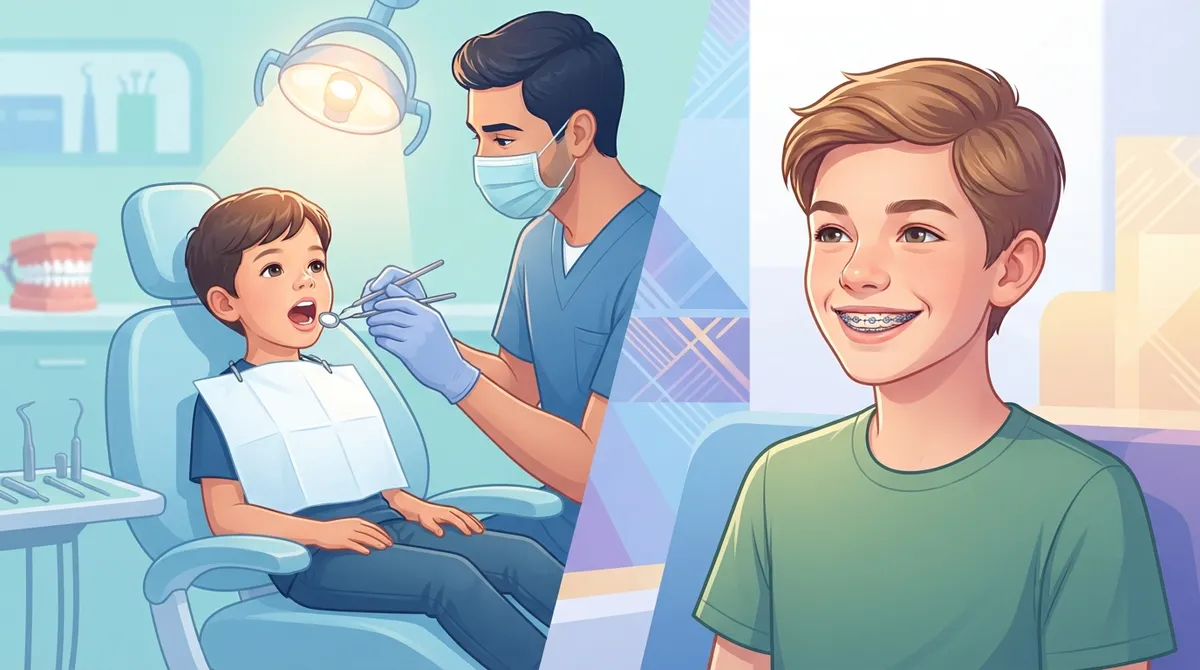
Schedule a first orthodontic evaluation by age 7 to screen for developing problems early, even if teeth look fine—this doesn't mean braces will start immediately.
-
Most children benefit from starting full braces around ages 12-13 when permanent teeth have come in and jaws are still growing, making tooth movement more effective.
-
Watch for specific signs like crowded teeth, large gaps, bite problems, or difficulty chewing to determine if your child needs orthodontic care sooner.
-
Adults can get braces at any age without an upper limit if teeth and gums are healthy; modern options like clear aligners offer discreet alternatives.
-
Early interceptive treatment (ages 7-11) may help guide jaw growth for specific problems like severe crowding or impacted teeth, often followed by a second phase later.
-
Fixed braces typically take 1-2 years, but timelines vary based on bite severity, age, jaw growth, and how well you follow orthodontist instructions.
Wondering when to get braces? You are not alone! It is one of the most common questions parents, teens, and adults ask. The good news is that there is no single “perfect” age. The right time depends on your teeth, your jaw, and your bite.
Some kids need a check-up early. Many teens start treatment in middle school. And plenty of adults finally get the smile they always wanted. At Chacon Orthodontics, Dr. Omar Chacon sees patients of all ages, and every smile follows its own timeline.
In this guide, we will walk you through the best ages, the signs to watch for, and what to expect at each stage. By the end, you will feel more confident about when to get braces for yourself or your child.
Is There a Best Age for Braces?
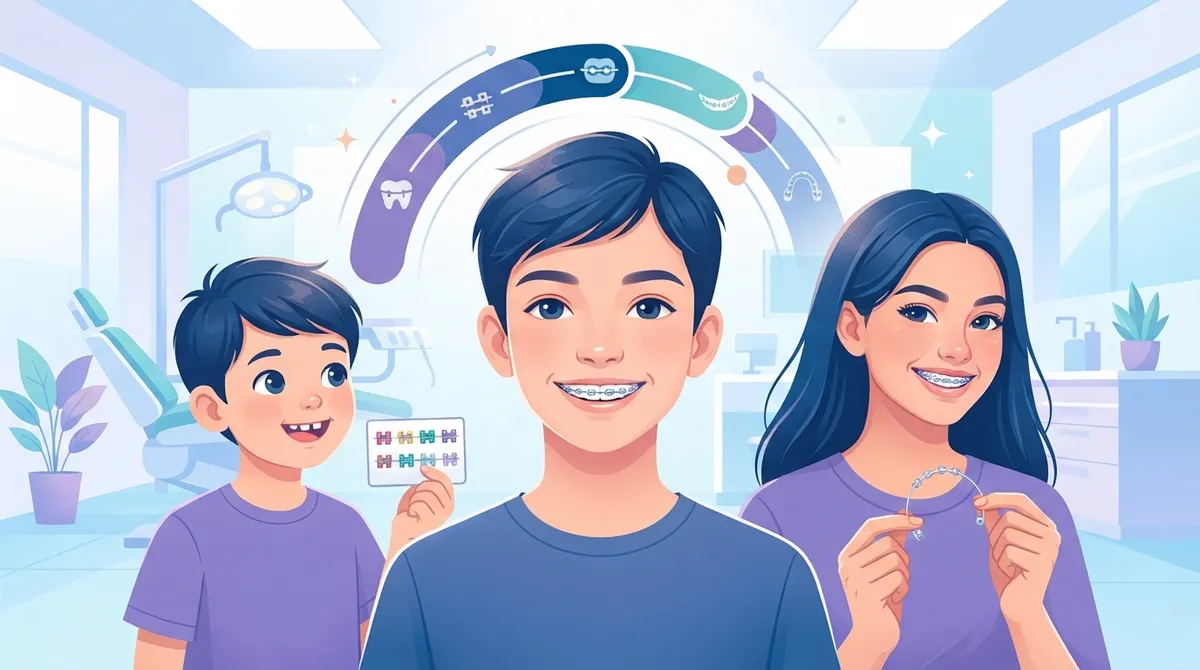
The short answer: it depends. Age is just one piece of the puzzle. Your orthodontist looks at tooth development, jaw growth, and the type of bite problem you have.
That said, many children who need full braces start around ages 12 to 13. This is when most permanent teeth have come in. The NHS also describes ages 12 to 13 as a usual time for braces, while noting treatment can happen earlier or later depending on the case.
The timing is flexible. Some patients benefit from early care. Others do best when they wait. Adults can start at any age, too. Let us break it all down.
The Age 7 Check-Up: What It Really Means
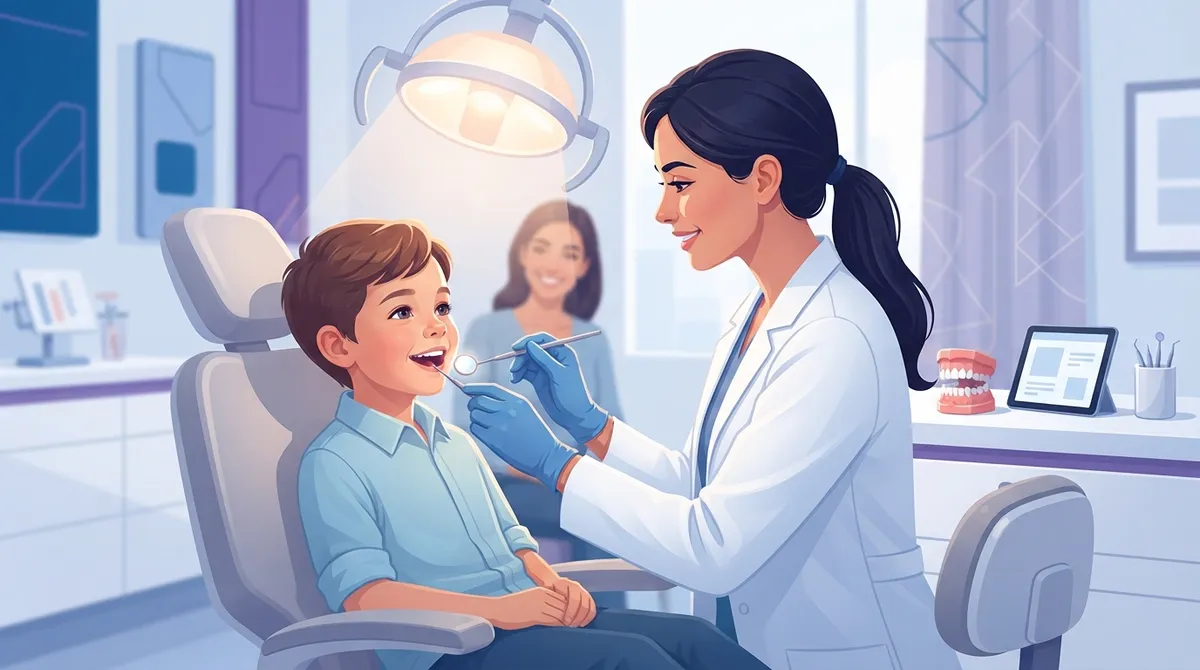
The American Association of Orthodontists (AAO) recommends a first orthodontic evaluation by age 7. Many parents hear this and think their child will get braces at 7. That is not the case!
This visit is a screening. It helps an orthodontist spot developing problems early. Most kids at this age do not start full braces. Instead, the orthodontist checks how teeth and jaws are growing.
After the evaluation, one of three things usually happens:
- No treatment needed: Your child’s teeth are on track.
- Monitoring: The orthodontist checks in every so often as your child grows.
- Early (interceptive) treatment: A short phase of care begins while your child is still growing.
Curious what the first visit looks like? Our guide to what to expect at your child’s first visit walks you through it step by step.
Signs It May Be Time to See an Orthodontist
Not sure if it is time? Look for these common signs. If you notice any of them, a quick evaluation can give you peace of mind.
- Crowded or overlapping teeth
- Large gaps between teeth
- Protruding front teeth
- An overbite, underbite, or crossbite
- Jaws that do not meet properly
- Trouble chewing or biting
- Teeth that are hard to brush and floss because of their position
Want to dig deeper? Take a look at these early signs you need braces. You can also learn when to see an orthodontist for braces or clear aligners.
Braces by Age: A Quick Guide
Here is a simple look at how timing often works across different life stages. Remember, this is a general guide. Your orthodontist will make the final call.
| Age Group | What Usually Happens | Good to Know |
|---|---|---|
| Around 7 | First orthodontic evaluation | A screening, not a start date for braces |
| 7 to 11 | Possible early (interceptive) treatment | Only for certain bite or jaw problems |
| 12 to 13 | Common time to start full braces | Most permanent teeth have come in |
| 14 to 17 | Braces or clear aligners for teens | Still growing, so teeth move well |
| 18 and up | Adult braces or clear aligners | No upper age limit if gums and teeth are healthy |
Early Treatment for Kids: When Does It Make Sense?
Early treatment is not for every child. But for some, it can make a real difference. An orthodontist may suggest it for specific developing problems, such as:
- Certain jaw-width or bite differences
- Severe crowding
- Impacted teeth (teeth stuck under the gums)
- Protruding teeth that are at risk of injury
Starting early can guide growth while a child’s jaw is still developing. Sometimes a second phase of treatment follows after the permanent teeth come in. Dr. Chacon will tell you honestly whether treating early helps or whether waiting is the better path.
You can read more in our guide to early orthodontic treatment for parents. For local families, here are the benefits of early orthodontic treatment for kids in Westchase.
The Teen Years: A Popular Time for Braces
Many teens get braces between ages 12 and 17. By now, most permanent teeth are in, and the jaws are still growing. That is a great combination for moving teeth.
Of course, teens have busy lives. School, sports, friends, and photos all matter! The good news is that modern options fit real life. Teens can choose from custom braces, colored bands, or clear aligners, depending on what works for their bite.
Not sure which way to go? Here is a helpful comparison of braces vs clear aligners for your teen. You can also explore teen braces in Brandon to see costs and options.
Can Adults Get Braces?
Yes, absolutely! There is no single upper age limit for braces. If your teeth and gums are healthy, you can likely get treatment. In fact, more adults than ever are choosing to straighten their teeth.
Before starting, your orthodontist will check a few things. Gum disease, bone health, and older dental work may need attention first. Adult treatment can also take a bit longer in some cases, since adult jaws are no longer growing.
Adults often pick low-profile options so they can keep smiling at work with confidence. Clear aligners and discreet braces are popular choices. To learn more, read about orthodontic treatment for adults, or see adult orthodontics in 33626. If you are wondering about the process, check out how to know if you can get braces as an adult.
Why Wait? Before or After Permanent Teeth Come In
Many parents ask whether braces are better before or after all permanent teeth arrive. Here is the simple answer.
For most kids, comprehensive braces work best once most permanent teeth are in. That is usually around ages 12 to 13. But if a child has a specific problem, such as a crossbite or severe crowding, early care may help first.
Either way, the first step is the same: get an evaluation. Then you can make a plan that fits your child.
What Happens at an Orthodontic Evaluation?
A dentist can spot concerns and send you to an orthodontist. But an orthodontist is the one who studies tooth and jaw development and recommends whether and when to treat. Here is what a typical visit looks like:
- A friendly welcome and review of concerns. You share what you or your child have noticed.
- A full exam. The orthodontist checks teeth, bite, and jaw growth.
- Photos, X-rays, or scans when needed. Advanced tools like 3D digital imaging give a clear picture.
- A clear plan. You learn if treatment is needed, when to start, and what options fit best.
At Chacon Orthodontics, the first consultation is free, and virtual options are available. You can learn more about our free consultation or read what happens during an orthodontic exam.
How Long Do Braces Take?
Treatment time varies from person to person. According to the NHS, fixed-brace treatment commonly lasts about 1 to 2 years. Your own plan may be shorter or longer.
Several things affect the timeline:
- The type and severity of the bite problem
- Your age and stage of jaw growth
- How well you follow your orthodontist’s instructions
- The treatment type you choose
Want a deeper look? Read our guide on how long braces take.
Choosing Your Treatment Option
Once you know it is time, the next question is which treatment fits best. Here is a quick comparison.
| Option | Best For | Key Benefit |
|---|---|---|
| Custom braces | Kids, teens, and adults with more complex bites | Precise, effective control of tooth movement |
| Clear aligners | Teens and adults wanting a discreet look | Nearly invisible and removable |
| Retainers | After any treatment | Keeps your new smile in place |
Not sure which is right? Our post on braces vs clear aligners can help you decide. And do not forget retainers! They protect your results, as explained in our retainer guide.
Why Choose a Board-Certified Orthodontist?
Straightening teeth is a big step, so it helps to have an expert by your side. Dr. Omar Chacon is a board-certified orthodontist with over 10 years of experience. He is fluent in English and Spanish, so families in Westchase and Brandon can feel comfortable asking questions in their preferred language.
The practice also uses advanced technology to plan treatment with care. Curious why credentials matter? Read why choosing a board-certified orthodontist makes all the difference. You can also see what neighbors say by checking our Chacon Orthodontics West Chase reviews on Google.
Want to stay connected and see real smiles? Follow along on Instagram, join the community on Facebook, or connect with Dr. Chacon on LinkedIn.
Simple Tips for Deciding When to Get Braces
Still on the fence? Keep these quick tips in mind:
- Book a first check-up by age 7, even if teeth look fine.
- Do not wait for pain. Many bite problems cause no discomfort at first.
- Ask about both braces and clear aligners.
- Remember that it is never too late as an adult.
- Choose an orthodontist who explains things clearly and listens.
Ready to Find Your Timing?
So, when is the right time to get braces? The best answer is: when an orthodontist says it is right for you. That could be at age 7 for an early check, at age 12 for full braces, or at age 40 for a long-awaited smile upgrade. Every journey is different, and every one is worth taking.
The most helpful first step is simple. Get an evaluation and learn your options. If you live near Westchase or Brandon, we would love to meet you! Schedule your free consultation today, or contact us with any questions. Your best smile could be closer than you think.
FAQs
Q: What is the best age to get braces?
A: There is no single best age! Many kids who need full braces start around 12 to 13, once most permanent teeth are in. But the right timing depends on your bite, jaw growth, and needs, and adults can get braces too.
Q: Should my child see an orthodontist at age 7?
A: Yes, the American Association of Orthodontists recommends a first evaluation by age 7. It does not mean your child will get braces right away. It simply lets an orthodontist spot any developing problems early and plan ahead.
Q: Can adults get braces, and is there an age limit?
A: Adults can absolutely get braces, and there is no set upper age limit. As long as your teeth and gums are healthy, treatment is usually possible. Some dental issues may need attention first, and treatment can take a little longer.
Q: How long do braces usually take to straighten teeth?
A: Fixed braces commonly take about 1 to 2 years, though every smile is different. Your orthodontist will give you a timeline that fits your specific bite and goals.
Q: Does an early orthodontic evaluation mean my child needs braces?
A: Not at all! An early visit is a check-up. Your child may need no treatment, simple monitoring, or a short phase of early care. Dr. Chacon will explain exactly what is best for your child’s smile.





