
Key Takeaways
-
Comprehensive braces without insurance typically run about $5,000 to $7,000 in the U.S., but your real price depends on your case, location, and what the orthodontist includes.
-
Always request a written, itemized quote that confirms whether records, X-rays, adjustments, retainers, and follow-up visits are included to avoid surprise bills.
-
Ask about in-house payment plans first, since many practices spread the balance over roughly 12 to 24 months, sometimes with low or no interest; confirm down payment, fees, and early payoff rules.
-
Eligible orthodontic expenses may be paid with pre-tax HSA or FSA funds, which can save money on taxes; check your plan's rules and eligible expenses before starting.
-
Double-check your coverage before assuming you have none, since dental plans may include orthodontic benefits with lifetime maximums, waiting periods, or network rules that still pay part of the fee.
-
Children on Medicaid may qualify for medically necessary orthodontic treatment under the federal EPSDT benefit, though cosmetic treatment is generally not covered and prior authorization is usually required.
Let’s be honest: hearing the price of braces can make anyone’s stomach flip. If you’re a parent planning for your child, a teen dreaming of a new smile, or an adult who finally decided it’s your turn, the good news is this. Getting braces without insurance is very doable. Thousands of families do it every year, and you can too.
Braces without insurance simply means you pay for treatment yourself, instead of an insurance plan covering part of the bill. That sounds scary, but it often comes with more flexibility than you’d expect. Many orthodontic offices offer monthly payment plans, and there are smart tools like HSAs and FSAs that stretch your dollars further.
In this friendly guide, we’ll walk you through 11 practical ways to make braces without insurance fit your budget in 2026. We’ll cover costs, payment options, and the questions to ask. By the end, you’ll feel ready to take the next step with confidence.
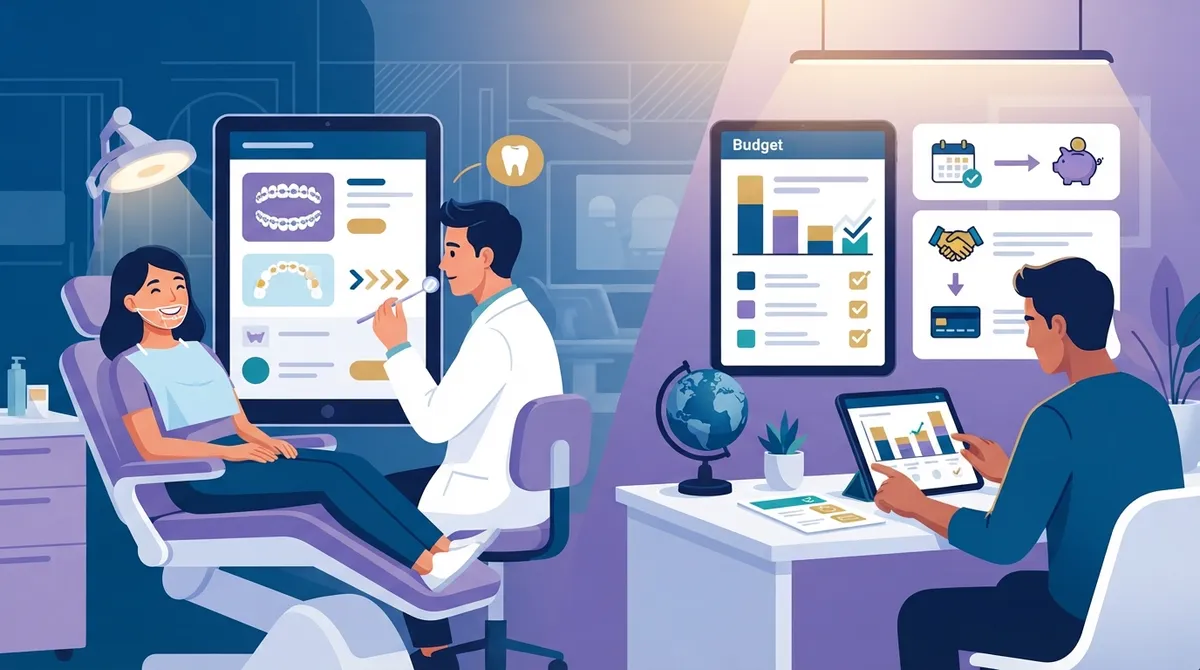
1. Know What Braces Without Insurance Typically Cost
Before you plan, it helps to know the numbers. A broad U.S. planning estimate for comprehensive treatment is about $5,000 to $7,000. That’s a starting point, not a promise. Your real price depends on your case, your location, and what the orthodontist includes in the fee.
Here’s a quick look at how published estimates compare by treatment type. Remember, these come from different sources and are only rough guides.
| Treatment Type | 2025 Estimate Range | 2026 Source Average |
|---|---|---|
| Metal braces | $5,000 to $7,000 | $6,343 |
| Ceramic braces | $6,000 to $8,000 | $5,834 |
| Clear aligners | $4,500 to $6,500 | $5,108 |
| Lingual braces | $8,000 to $10,000 | $9,221 |
Notice the numbers don’t line up perfectly. That’s because every source measures differently. The best move is always an individualized written quote. For more pricing detail, check out our clear pricing guide for 2026.

2. Start With a Free Consultation
The easiest first step costs you nothing. Many orthodontic offices offer a free first visit so you can learn what your teeth need and what it will cost. You’ll get answers without any pressure.
At Chacon Orthodontics, we offer free consultations, including virtual options. Dr. Omar Chacon is a board-certified orthodontist with over 10 years of experience, and he’s happy to talk through your goals and your budget. You can book a free consultation whenever you’re ready.
3. Ask for a Written, Itemized Quote
A single number isn’t enough. You want to know exactly what that number covers. A good braces quote should answer these questions:
- Are the records, X-rays, and digital scans included?
- Are regular adjustment visits covered?
- Are retainers included at the end of treatment?
- What about follow-up visits after your braces come off?
- What happens if treatment takes longer than planned?
Comparing quotes only works when you compare the same things. Ask each office to spell it out in writing. It’s the simplest way to avoid surprise bills later.
4. Choose Traditional Metal Braces to Save
Traditional metal braces are generally one of the lower-cost options for comprehensive treatment. They’re also proven, strong, and great for complex cases. For many families, they offer the best value.
Today’s metal braces are smaller and more comfortable than the ones you may remember. Teens often love picking colorful bands, too. Curious about how they stack up? Read why metal braces are still a top choice in 2026.
That said, the appliance alone doesn’t decide your final price. Case complexity and treatment length matter just as much. Your orthodontist can tell you which option fits both your smile and your wallet.
5. Use an In-House Payment Plan
This is where braces without insurance gets much friendlier. Many orthodontic practices let you spread the balance over the course of treatment. Some plans have low or even no interest. Some descriptions report balances spread over roughly 12 to 24 months, though terms vary by practice.
Before you sign, ask about these details:
- How much is the down payment?
- What is the monthly amount?
- Are there any fees or interest charges?
- What happens if treatment length changes?
- Is there a penalty for paying off early?
Chacon Orthodontics offers flexible options, and you can explore them on our payment plans page. For a deeper look, see how orthodontist payment plans actually work.
6. Look Into Third-Party Financing
If an in-house plan doesn’t fit, outside financing may help. These programs can offer longer terms and lower monthly payments. The trade-off is that interest and fees can add up, so read the fine print.
Think of it like shopping for any big purchase. Compare the total cost, not just the monthly number. Our guide on braces financing options breaks down what to look for.
7. Use Your HSA or FSA Dollars
Here’s a tip many families miss. Eligible orthodontic expenses may be paid with pre-tax HSA or FSA funds, subject to your account rules and eligibility. That means you’re using money you already set aside, and you may save on taxes.
A few smart steps:
- Check your plan’s list of eligible expenses.
- Ask what paperwork you need for reimbursement.
- Time your contributions to match your down payment.
- Talk to your plan administrator or a tax professional if you’re unsure.
It’s a simple way to make braces without insurance feel a little lighter.
8. Check Whether Your Child Qualifies for Medicaid
Parents, this one is worth a look. For children enrolled in Medicaid, medically necessary orthodontic treatment may be covered under the federal EPSDT benefit. States set their own clinical criteria, and they generally require prior authorization.
A few things to know:
- Cosmetic treatment is generally not covered.
- Adult coverage varies by state.
- Always check your state Medicaid or managed-care plan’s current rules before treatment begins.
If your child has a severe bite problem, ask the orthodontist whether a medical necessity request makes sense. It never hurts to ask.
9. Double-Check Whether You Really Have No Coverage
Sometimes families think they have no coverage, but a little digging says otherwise. Dental plans that include orthodontic benefits often have a separate lifetime maximum, age limits, waiting periods, or network rules. A plan may pay only part of the fee.
One 2026 source cited a mean benefit of $1,772 among 112,243 insured U.S. patients verified by OrthoFi in 2021. That’s historical, source-specific data, not a guarantee. Still, even a partial benefit can help. Call your insurer and your orthodontist before you start. Our post on how dental insurance covers orthodontic treatment explains what to ask, and our insurance page has more details.
10. Plan Ahead With a Budget
A little planning goes a long way. Many families find it helpful to set up a simple budget before the first appointment. Start by listing your down payment, your monthly payment, and any extras like retainers.
Here’s an easy way to build your plan:
- Get your written quote.
- Decide how much you can pay up front.
- Divide the rest by the number of months in your plan.
- Add in HSA or FSA funds if you have them.
- Leave a small cushion for surprises.
Need more ideas? Take a look at how to budget for braces without breaking the bank, or explore 7 ways to get affordable orthodontic care.
11. Pick the Right Orthodontist for Your Family
The lowest price isn’t always the best deal. You want an orthodontist who explains things clearly, uses modern tools, and treats you like family. A board-certified specialist brings extra training and focus to your care.
If you live near Tampa, Westchase, or Brandon, Chacon Orthodontics is here to help. We provide bilingual care in English and Spanish, so every family member feels comfortable. We use advanced tools like 3D digital imaging to plan your treatment with care. Learn more about why choosing a board-certified orthodontist makes all the difference.
Want to see what other patients think? Visit us on Google for Chacon Orthodontics West Chase and read real reviews. You can also follow our smile stories on Instagram and Facebook, or connect with Dr. Chacon on LinkedIn.
Which Option Fits Your Family?
Every family has different needs. Here’s a quick way to match your situation to a smart starting point:
- Parents of children: Ask about early evaluation and Medicaid medical necessity rules. Our guide to early orthodontic treatment can help you save time and money.
- Teens: Compare metal braces and clear aligners. Our post on braces vs. clear aligners for teens is a great start.
- Adult professionals: Look at low-profile options and use HSA or FSA funds. See what adults need to know about orthodontic treatment.
- Bilingual families: Choose an office that explains costs clearly in your language, so there are no surprises.
- Smile seekers: Ask about cosmetic options like ceramic braces and clear aligners, and compare the full cost.
Ready to Take the Next Step?
Paying for braces without insurance doesn’t have to be stressful. With a clear quote, a payment plan, and a few smart money tools, a healthy, confident smile can fit into your life and your budget. You’ve already done the hardest part by learning your options.
The best next step is a conversation. Schedule your free consultation with Chacon Orthodontics, or contact us with any questions. We’ll help you find a plan that works for you and your family. We can’t wait to meet you!
FAQs
Q: How much do braces cost without insurance?
A: A broad U.S. planning estimate is about $5,000 to $7,000 for comprehensive treatment. Your real price depends on your case, treatment type, and location, so a written quote from your orthodontist is the best guide.
Q: Can I pay for braces monthly without insurance?
A: Yes! Many orthodontic offices offer in-house payment plans that spread your balance over treatment, sometimes with low or no interest. Just ask about the down payment, monthly amount, and any fees before you start.
Q: Can I use an HSA or FSA to pay for braces?
A: Often you can. Eligible orthodontic expenses may be paid with pre-tax HSA or FSA funds, depending on your account rules. Check with your plan administrator or a tax professional to confirm what qualifies.
Q: Does Medicaid cover braces for children?
A: It might. For children in Medicaid, medically necessary orthodontic treatment may be covered, but states set their own rules and usually require prior authorization. Cosmetic treatment is generally not covered, so check your state’s current guidelines first.
Q: What should a braces quote include?
A: A good quote should explain whether records, adjustments, retainers, and follow-up visits are included. Ask for it in writing so you can compare offers fairly and avoid surprise costs.