Key Takeaways
-
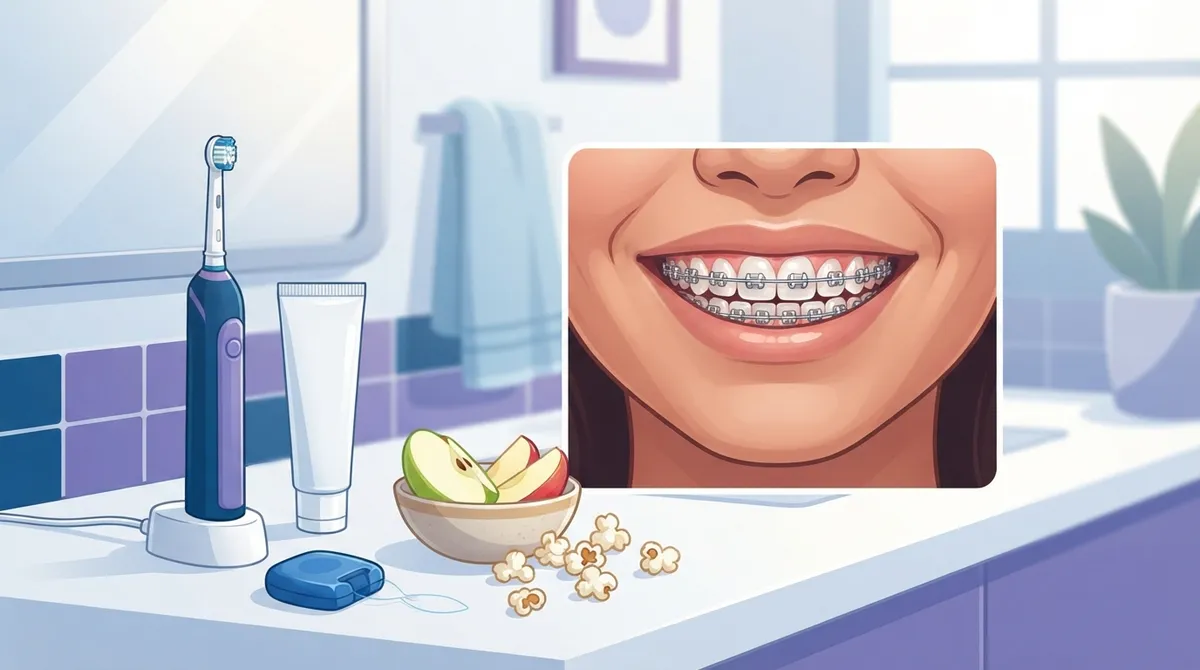
Brush at least twice daily, morning and night, with fluoride toothpaste, and brush after meals when possible, since plaque collects around brackets and can cause cavities and white spots.
-
Floss daily using a floss threader to slide floss under the wire, and gently curve it around each tooth in a C shape, since brushing alone cannot clean between teeth.
-
Avoid hard, sticky, and chewy foods like ice, caramel, popcorn, and hard candy, and cut firm fruits and vegetables into small pieces to prevent loose brackets and bent wires.
-
Keep up with professional dental cleanings every six months, since orthodontic adjustment visits do not replace dental care and cleanings catch plaque you cannot reach at home.
-
If a wire pokes or a bracket loosens, cover the sharp spot with orthodontic wax and call your orthodontist, and never try to cut or repair the appliance yourself.
-
Limit sugary drinks and between-meal snacks, and if you cannot brush after a sugary drink, swish with water to reduce the bacteria that cause decay.
Getting braces is exciting. You are on your way to a straighter, more confident smile! But once those brackets and wires are on, a new daily routine begins. Good braces maintenance is the secret to keeping your teeth healthy while your treatment stays right on schedule.
Here is the thing: braces create lots of tiny nooks where food and plaque love to hide. That is why a little extra care goes a long way. The good news? It is not hard. With a few simple habits, you can protect your teeth, your gums, and your hard-working appliance.
Whether you are a parent helping a young child, a teen juggling school and sports, or an adult with a busy work week, this guide is for you. We will walk through brushing, flossing, food choices, dental visits, and what to do when something breaks. Think of it as a friendly roadmap to a healthy smile in 2026 and beyond.
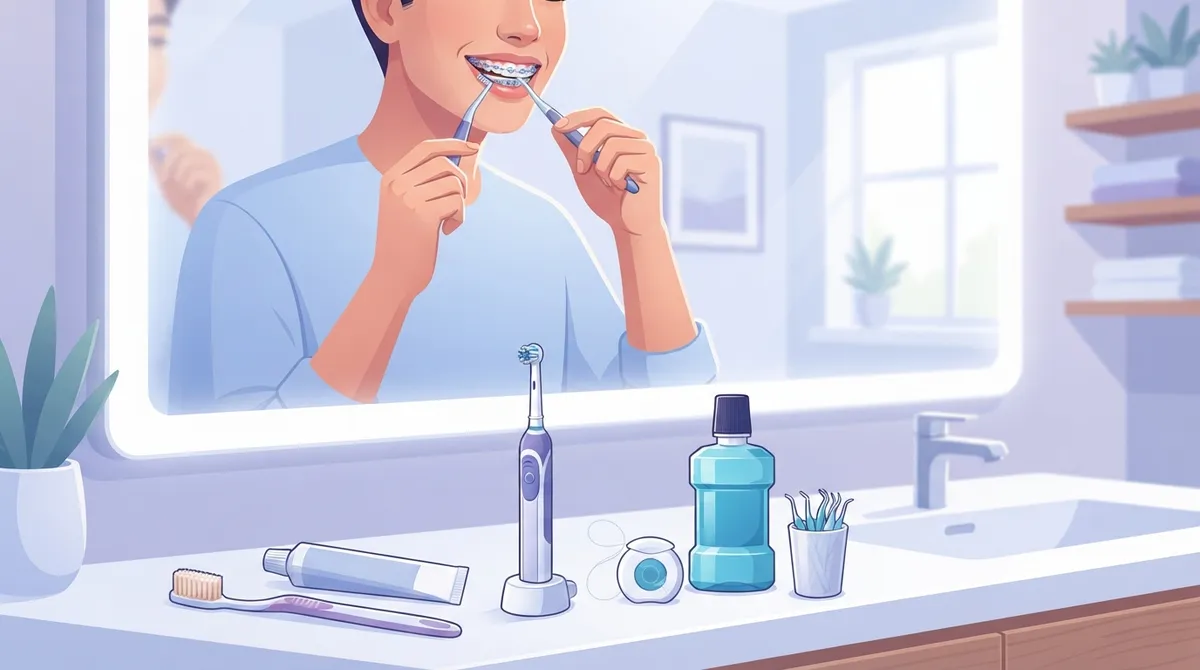
What Does Braces Maintenance Really Mean?
Braces maintenance means keeping your teeth, gums, and orthodontic appliances clean and intact during treatment. Fixed braces make plaque harder to remove. So consistent habits matter more than ever.
Think of your braces like a garden trellis. The trellis guides your teeth into place, but you still have to tend the garden. If plaque builds up around the brackets, you can end up with cavities, puffy gums, and white spots on your teeth. Those spots can stay behind after the braces come off.
Good braces maintenance covers four big areas:
- Daily cleaning: brushing, flossing, and rinsing
- Smart eating: choosing foods that will not damage your braces
- Regular visits: seeing both your orthodontist and your dentist
- Quick action: handling loose parts or sore spots right away
Keep in mind that every smile is different. Always follow the specific instructions your orthodontist gives you, since advice can vary by appliance and by your own oral health needs.
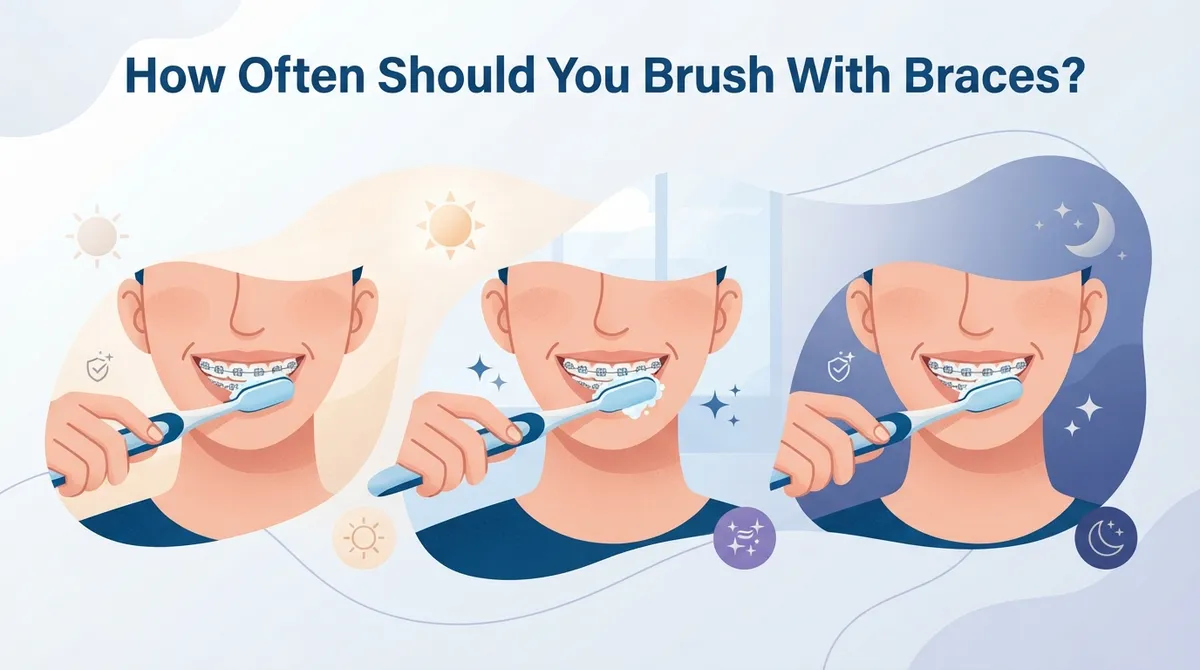
How Often Should You Brush With Braces?
The short answer: at least twice a day, morning and night, with fluoride toothpaste. The NHS also recommends brushing after meals when you can. If you are at school or at the office, a travel toothbrush in your bag makes this much easier.
Want a deeper walkthrough? Our guide on how to brush with braces for a cleaner, healthier smile covers the details step by step.
A Simple Step-by-Step Brushing Routine
- Rinse with water to loosen any big food pieces.
- Place a soft-bristled brush at a slight angle above the brackets. Brush gently in small circles.
- Tilt the brush below the brackets and repeat, working along the gumline.
- Brush the chewing surfaces and the backs of your teeth.
- Brush your tongue and rinse well.
- Check your teeth in a mirror for any leftover food around the brackets.
Take your time. A good brushing session with braces can take two to three minutes or a bit longer. That is totally normal! Setting a phone timer or playing a favorite song can make it fun, especially for kids.
How Do You Clean Around Brackets and Wires?
A regular toothbrush does a great job on the big surfaces. But it cannot always reach the tight spots. That is where a few helpful tools come in.
For more ideas, check out these 9 easy tips for keeping teeth clean with braces.
Helpful Cleaning Tools for Braces
| Tool | What It Does | Best For |
|---|---|---|
| Soft-bristled toothbrush | Cleans the tooth surfaces and gumline | Twice-daily brushing |
| Interdental brush | Cleans around brackets and under the wire | Tight spots after meals |
| Floss threader | Helps floss slide under the wire | Daily flossing |
| Water flosser | Flushes out food and plaque with a stream of water | Extra cleaning boost |
| Fluoride mouthwash | Helps strengthen enamel | Final rinse, if your orthodontist approves |
Ask your orthodontist which tools they prefer for your treatment. Some patients love water flossers, while others stick with interdental brushes. There is no one-size-fits-all answer.
Do You Really Need to Floss Every Day?
Yes, daily flossing still matters with braces. Brushing alone cannot clean between your teeth, and that is where plaque and gum trouble often start.
Flossing with braces feels tricky at first. But it gets easier with practice! A floss threader is a small plastic loop that pulls floss under the wire. Superfloss and orthodontic flossers can also help.
We put together 14 easy tips for flossing with braces if you want extra help getting comfortable.
Quick Flossing Steps
- Pull off about 18 inches of floss.
- Thread it under the main wire using a floss threader.
- Slide the floss gently between two teeth, curving it around each tooth in a C shape.
- Move it up and down along the side of each tooth and just under the gumline.
- Unthread, then repeat for the next space.
Be gentle. Snapping the floss can hurt your gums and even bend your wire.
What Foods Should You Avoid With Braces?
Food is one of the biggest causes of broken braces. Hard, sticky, and chewy foods can loosen brackets or bend wires. And a broken appliance can slow down your treatment.
Here are common foods to avoid or change:
- Hard foods: ice, hard candy, nuts, hard pretzels, and hard crusts
- Sticky foods: caramel, taffy, and gummy candy
- Chewy foods: bagels and tough meats, unless cut into small pieces
- Crunchy foods: popcorn and chips, which can lodge under wires
- Habits: chewing pens, fingernails, or other objects
You do not have to give up fruits and veggies! Just cut firm ones, like apples and carrots, into small bite-sized pieces. Our full list of 7 braces diet restrictions that protect your smile is a great one to bookmark. You can also see more ideas in how to eat smart with braces.
Watch the Sugar
Sugar is another big player. Sugary snacks and drinks feed the bacteria that cause decay. Frequent snacking between meals makes it even worse, because your teeth stay under attack all day.
Water and milk are your best drink choices. If you have a sugary or acidic drink and cannot brush right away, swish with water afterward. It is a small habit that makes a real difference.
How Often Should You See the Dentist With Braces?
Many people think orthodontic visits replace the dentist. They do not! The American Association of Orthodontists advises professional cleanings at least every six months during treatment, or more often if your dentist recommends it.
Why does this matter? Plaque can build up in places you cannot reach at home. A professional cleaning removes it and lets your dentist spot early problems like small cavities or gum irritation.
Your orthodontic adjustment visits are separate and just as important. During those visits, your orthodontist checks your progress and adjusts your appliance. Curious about timing? Read about how often braces are adjusted and how to prepare for adjustment visits.
At Chacon Orthodontics, Dr. Omar Chacon and the team care for kids, teens, and adults in Westchase and Brandon. Visits are available in both English and Spanish, so your whole family feels comfortable asking questions.
What Should You Do If Something Breaks?
Do not panic! Loose brackets and poking wires happen to lots of patients. The key is to act calmly and call your orthodontist.
Quick Fixes for Common Braces Problems
| Problem | What to Do Right Now | Next Step |
|---|---|---|
| Poking wire | Cover the sharp spot with orthodontic wax | Call your orthodontist |
| Loose bracket | Keep it in place if possible and avoid hard foods | Call for advice promptly |
| Sore spot on cheek or lip | Apply orthodontic wax and rinse with warm salt water | Mention it at your next visit |
| Lost band or piece | Save the piece if you can | Call your orthodontist |
Please do not try to cut or repair your appliance yourself unless your orthodontist tells you to. A quick call is always the safest move.
Need a full checklist? Our post on 10 braces emergency care steps every family needs is a handy reference. And if a bracket is the issue, read what to do about a broken braces bracket.
When to Get Help Right Away
Mild soreness after your braces are put on or adjusted is normal. But contact your orthodontist if:
- Pain lasts longer than a few days
- Your gums look very red, swollen, or painful
- A part of your appliance is broken
Seek urgent medical or dental care for a severe injury, bleeding that will not stop, or trouble breathing or swallowing. Those are real emergencies.
How Can You Ease Soreness and Stay Comfortable?
Soreness is common in the first few days and after adjustments. Your teeth are moving, and that can feel achy. The good news is that it fades.
Soft foods like yogurt, soup, mashed potatoes, and smoothies can help while your mouth adjusts. A cold compress on your cheek may also feel soothing. Orthodontic wax can protect your lips and cheeks from rubbing against brackets.
If you want more comfort ideas, we have a post on how to ease braces soreness fast. Always check with your orthodontist before taking any pain medicine.
How Can You Prevent White Spots and Cavities?
White spots happen when plaque sits on teeth near the brackets and wears away minerals. They can show up as chalky patches once the braces are removed. The best defense is steady, careful cleaning.
Here are simple ways to protect your enamel:
- Brush after meals when you can, and always morning and night
- Use fluoride toothpaste
- Clean around and under the brackets every time
- Limit sugary drinks and between-meal snacks
- Keep up with your six-month dental cleanings
A brighter smile after treatment is a great bonus. If you want to freshen things up when your braces come off, you can learn about cosmetic teeth whitening after braces.
Braces Maintenance Tips for Every Age Group
Every family member has different needs. Here are a few friendly tips for each group.
For Parents of Younger Children
Young kids often need a helping hand. Stand with them at the sink, check their brushing, and make it a family routine. Pack a small braces kit with a travel toothbrush, floss threaders, and wax for school. If you are wondering about timing, see when your child should really get braces.
For Teens
Teens are busy with school, sports, and friends. Keep a mini kit in your backpack and gym bag. Wear a mouthguard during sports to protect your braces and your mouth. And skip the ice and hard snacks at the lunch table!
For Adult Professionals
Adults can keep a small kit in a desk drawer or work bag. A quick rinse and brush after lunch keeps things fresh before meetings. Adults can also explore options in our guide to braces for adults.
Why Does Good Braces Maintenance Pay Off?
Taking care of your braces is an investment in your smile. When you keep your teeth clean and your appliance in good shape, you can avoid delays, extra repairs, and surprise cavities. That often means a smoother path to the day your braces come off. Learn what that big day looks like in our guide to the braces removal process.
After your braces are off, a retainer helps keep your results in place. Find out more in 14 braces retainers tips to keep your smile straight.
Want to stay connected with our practice? Follow Chacon Orthodontics on Instagram, join us on Facebook, or connect with Dr. Chacon on LinkedIn for smile tips and updates.
Ready for Healthy, Happy Braces?
Braces maintenance really comes down to a few friendly habits: brush, floss, eat smart, see your dentist, and call us when something feels off. You do not have to be perfect. You just have to be consistent!
If you have questions about your own treatment, our team in Westchase and Brandon is here to help in English and Spanish. See what other families say by visiting our Chacon Orthodontics West Chase location on Google.
Ready to start your smile journey? Book your free consultation today, or contact us with any questions. We would love to meet you!
FAQs
Q: How many times a day should I brush my teeth with braces?
A: Brush at least twice a day, morning and night, with fluoride toothpaste. If you can, brush after meals too. Your teeth will thank you!
Q: Can I use a water flosser or mouthwash with braces?
A: Yes, many patients use a water flosser and fluoride mouthwash as extra helpers. They do not replace brushing and flossing, though. Check with your orthodontist to see which options fit your treatment best.
Q: What should I do if a wire is poking my cheek?
A: Press a small piece of orthodontic wax over the sharp spot for quick relief. Then give your orthodontist a call so they can fix it. Please avoid cutting or bending the wire on your own.
Q: Do I still need regular dental cleanings while I have braces?
A: Absolutely! The American Association of Orthodontists advises cleanings at least every six months, or more often if your dentist suggests it. Your orthodontic visits do not replace regular dental care.
Q: How can I avoid white spots on my teeth after braces?
A: White spots come from plaque sitting around the brackets, so careful cleaning is the best prevention. Brush and floss every day, limit sugary snacks and drinks, and keep up with your dental visits.