Key Takeaways
-
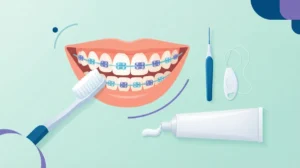
Brush for about two minutes after meals and snacks when possible, and always before bed, using a soft-bristled brush and fluoride toothpaste to protect your enamel.
-
Clean above and below each bracket by tilting your brush up and down, and check in the mirror for leftover food before you finish.
-
Floss daily using a floss threader, orthodontic floss, or an interdental brush to clean between teeth and under the wire, and be gentle to avoid irritating your gums.
-
Prevent white spots and cavities, which can remain after braces come off, by brushing thoroughly, limiting sugary drinks and snacks, and keeping up with professional cleanings.
-
If you can't brush after eating, swish water firmly for about 30 seconds, check for stuck food, and brush as soon as possible; a travel kit makes this easier.
-
Get professional cleanings and checkups at least every six months during treatment, unless your dental team advises a different schedule.
Let’s be honest: getting braces is exciting, but cleaning around all that hardware can feel like a brand-new job. Brackets, wires, and tiny gaps give food and plaque lots of places to hide. The good news? With the right habits, keeping your teeth sparkling is totally doable. These braces cleaning tips will help you protect your smile while it gets straighter.
Whether you are a parent helping a child, a teen juggling school and sports, or an adult with a busy work schedule, a simple routine goes a long way. At Chacon Orthodontics, we see patients every day who finish treatment with healthy, bright smiles because they built good habits early. You can do it too, and we’re cheering you on!
In this guide, you’ll learn how to brush, floss, rinse, and plan ahead so your braces stay clean from day one to debond day.
Why Cleaning Matters So Much With Braces
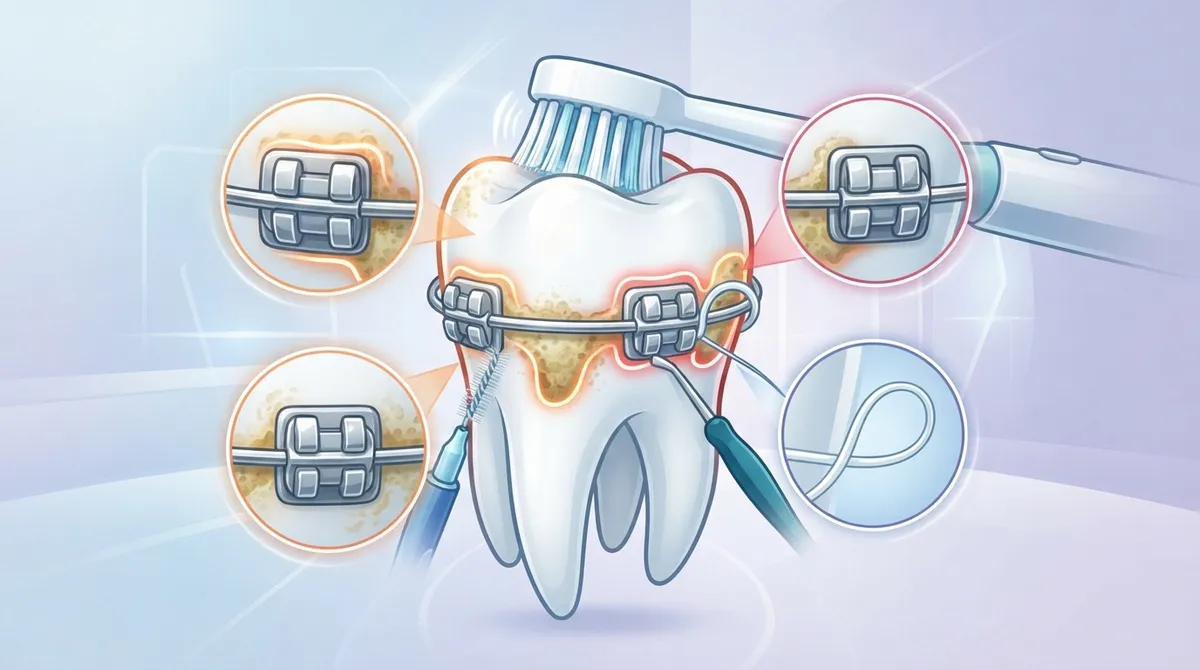
Braces are amazing tools, but they do create extra spots where plaque can build up. When plaque and trapped food stay on your teeth, they can lead to a few unwelcome surprises:
- Cavities that form around brackets
- Gum inflammation that can look red, puffy, or sore
- Bad breath from trapped food and bacteria
- White spots (also called decalcification marks) that can stay after braces come off
That last one is a big deal for anyone who wants a picture-perfect smile at the end. White marks show up where plaque sat on the tooth for too long, often right around the brackets. The best way to avoid them is steady, careful cleaning every single day.
Good braces cleaning tips are not about being perfect. They are about being consistent. Let’s walk through the routine step by step.
Braces Cleaning Tips: Your Daily Routine at a Glance
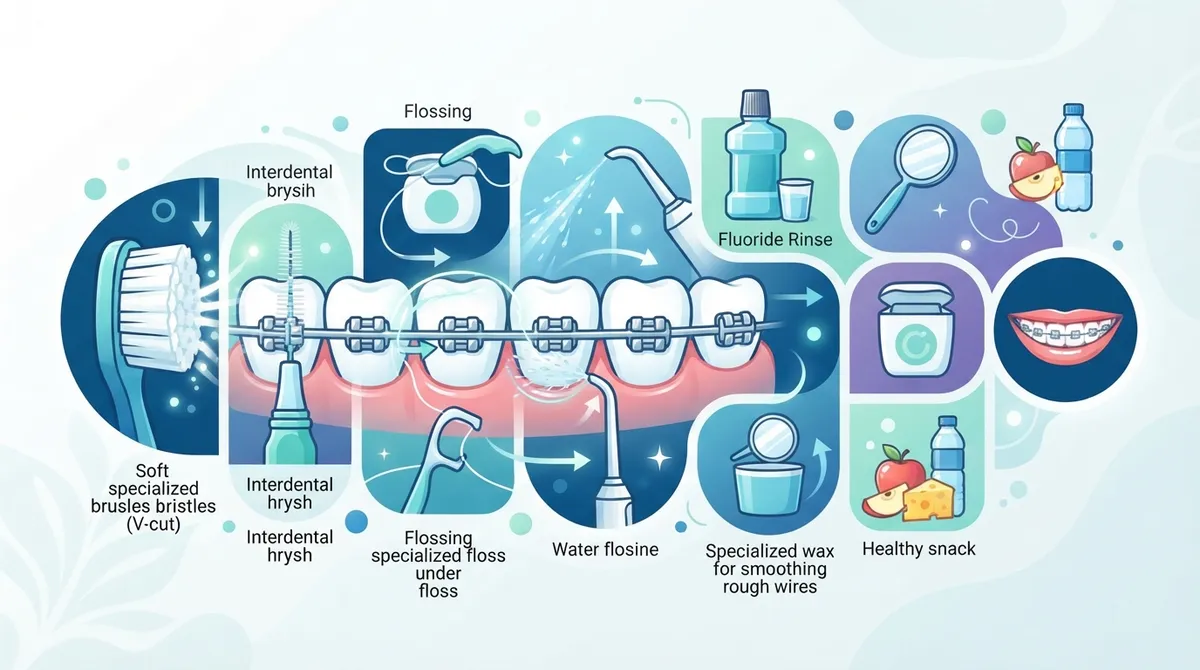
Here is a quick look at what a healthy day with braces can look like. Always follow your own orthodontist’s instructions, since every patient is a little different.
| When | What to Do | Tools You Need |
|---|---|---|
| Morning | Brush for about two minutes | Soft toothbrush, fluoride toothpaste |
| After meals and snacks | Brush when you can, or rinse with water | Travel toothbrush or water |
| Once a day (at least) | Clean between teeth and under wires | Floss threader, orthodontic floss, or interdental brush |
| Bedtime | Brush thoroughly, then floss | Toothbrush, toothpaste, floss |
| Every six months or as advised | Professional cleaning and checkup | Your dental team |
How to Brush Around Brackets and Wires
Brushing with braces takes a little more time than usual. The American Association of Orthodontists (AAO) suggests brushing for about two minutes after meals or snacks when possible, and always before bed. Some health departments even suggest brushing three times a day for braces wearers. Your orthodontist will tell you what works best for you.
Step-by-Step Brushing Method
- Pick the right tools. Use a soft-bristled toothbrush and fluoride toothpaste. Soft bristles are gentle on your gums and won’t bend your wires.
- Start at the gumline. Angle your brush toward the gums and use small, gentle circles. Plaque loves to hide there.
- Clean above each bracket. Tilt the brush down and brush the tooth surface above the bracket.
- Clean below each bracket. Tilt the brush up and clean the area under the bracket.
- Don’t forget the inside. Brush the inner surfaces and the chewing surfaces of every tooth.
- Finish with a check. Look in the mirror. Do your brackets look shiny and clean? If you see food, go back for another pass.
Think of it like washing a car. You wouldn’t just rinse the top and call it a day. You get into all the corners! A little patience here pays off with healthier teeth and gums.
How to Floss With Braces (Yes, You Still Need To!)
Many people hear “braces” and think flossing is off the table. Not true! Cleaning between your teeth every day is one of the most important braces cleaning tips you can follow. It just takes the right tools.
Using a Floss Threader or Orthodontic Floss
A floss threader is a small, flexible tool that works like a needle. It guides floss under the archwire so you can reach between each tooth. Here is how to use it:
- Thread a piece of floss through the loop of the threader.
- Slide the threader gently under the wire, between two teeth.
- Pull the floss through until it is free of the threader.
- Move the floss gently up and down along the sides of both teeth, going just below the gumline.
- Slide the floss out and repeat for the next space.
Be gentle! Snapping the floss against your gums can cause soreness. Slow and steady wins the race.
Interdental Brushes: Tiny but Mighty
An interdental brush looks like a little pipe cleaner on a handle. It slips under the wire and around brackets to sweep out food and plaque. Many patients find these quicker than floss, especially on busy mornings. They can be a great helper tool, though you should ask your orthodontist whether they fit your daily routine.
What About Water Flossers?
Water flossers use a stream of water to flush out loose food. They can feel fun and refreshing, and they may help clear debris around brackets. However, they should not automatically replace brushing or the daily between-the-teeth cleaning your dental team recommends. Think of a water flosser as a bonus helper, not the whole team.
Your On-the-Go Braces Cleaning Kit
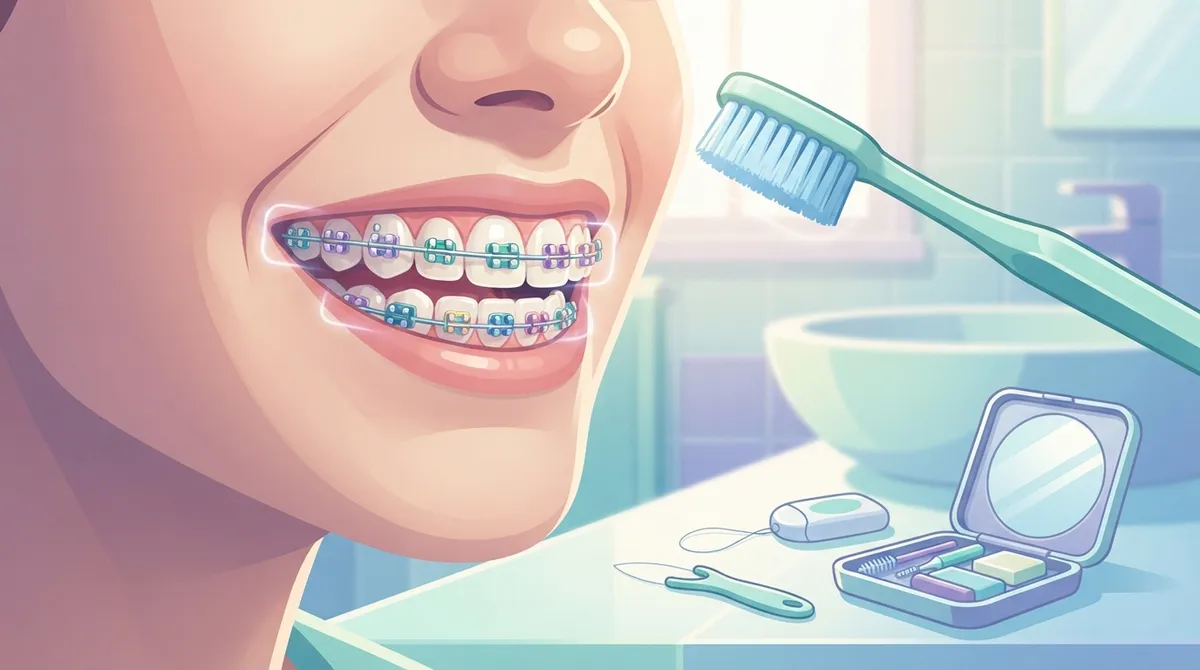
Life doesn’t stop for braces. School lunches, sports practice, work meetings, and family dinners all happen. A small cleaning kit makes it easy to stay on track anywhere. Pack these items in a little pouch for your backpack, purse, or desk drawer:
- A travel toothbrush and a small tube of fluoride toothpaste
- Orthodontic floss or floss threaders
- An interdental brush
- A small mirror, so you can spot stuck food
- Orthodontic wax, in case a wire pokes your cheek
Teens, this one is for you: nobody has to know what’s in your pouch, and it can save you from the dreaded spinach-in-the-brackets moment before a class photo! Parents, tucking a kit into your child’s backpack is a simple way to build good habits.
What If You Can’t Brush After Eating?
It happens to everyone. You are at a restaurant, a game, or a meeting, and a toothbrush isn’t handy. Here is what to do:
- Swish water around your mouth firmly for 30 seconds or so.
- Use your tongue to feel for stuck food, then rinse again.
- Check a mirror if you can.
- Brush as soon as you are able.
A water rinse is not a replacement for brushing, but it helps clear loose food until you can do the real thing.
Foods That Make Cleaning Easier (and Harder)
What you eat affects how much cleaning your braces need. Sticky, sugary, and hard foods can damage braces and feed plaque. Choosing smarter snacks makes your daily routine much easier. For a helpful list, check out our guide on foods to avoid with braces, and browse these top braces-friendly snacks for easy ideas.
| Braces-Friendly Choices | Foods to Limit or Skip |
|---|---|
| Yogurt, cheese, and smoothies | Hard candy and caramel |
| Soft fruits like bananas and berries | Popcorn and hard nuts |
| Pasta, rice, and soft breads | Chewy gummies and taffy |
| Cooked veggies and eggs | Sugary soda and sports drinks |
Preventing White Spots and Cavities
White spots and cavities are the two things most braces wearers want to avoid. Here are simple ways to protect your enamel:
- Brush well, every time. Take your full two minutes and focus on the gumline and around each bracket.
- Use fluoride toothpaste. Fluoride helps strengthen tooth enamel.
- Ask about a fluoride rinse. Your orthodontist or dentist may suggest one that suits your needs.
- Limit sugary drinks and snacks. Sugar feeds the bacteria that cause plaque.
- Keep your checkups. Professional eyes can catch small problems early.
Don’t Skip Your Dental Checkups
Even with great home care, professional cleanings matter during treatment. The AAO recommends dental cleanings and checkups at least every six months during orthodontic treatment, unless your dental team suggests a different schedule. Some patients may need visits more often, and that is perfectly fine.
Your regular orthodontic visits are also a great time to ask questions. Not sure if you are brushing the right way? Ask us to show you! Our team loves helping patients feel confident about their routines. If you are curious about what to expect during treatment, our life with braces page has plenty of helpful information.
Tips for Every Member of the Family
For Parents of Younger Kids
Younger children may need a little backup. Brush alongside them, make it a game, and check their work with a flashlight. A fun timer or favorite song can help them reach the full two minutes. For more on getting started, see our guide on what to expect at your child’s first braces visit.
For Teens
You have a lot going on, and we get it. Link your cleaning routine to something you already do, like brushing right after lunch or before you scroll your phone at night. Keep a travel kit in your gym bag and locker. Small habits add up to a big, confident smile.
For Adults
Busy work days can make it tough to brush after meals. Keep a kit in your desk and use the restroom for a quick clean after lunch. Adults often notice gum sensitivity more, so gentle brushing and regular cleanings are extra helpful. Learn more about orthodontic treatment for adults and what to expect.
For Bilingual Families
Clear instructions matter. Our team shares cleaning guidance in both English and Spanish, so everyone in your home can feel comfortable and confident with the plan. Just ask us to walk you through it in the language you prefer.
What About Clear Aligners?
If you wear clear aligners instead of braces, your cleaning routine looks a little different. You take your aligners out to brush and floss like normal, and you clean the trays too. Curious about the differences? Check out our comparison of traditional braces vs. clear aligners to see which may fit your life best.
When to Call Your Orthodontist
Sometimes cleaning can reveal a problem. Reach out to your orthodontic team if you notice any of these:
- A broken bracket or loose wire
- Gums that bleed often or look very swollen
- White spots or dark marks on your teeth
- A wire poking your cheek or gums
Not sure what counts as urgent? Our guide to orthodontic emergencies can help you decide when to call. You can also read our related post on how to clean teeth with braces every day for even more daily guidance.
Keep Your Smile Shining, Start to Finish
Great braces cleaning tips boil down to a few simple habits: brush carefully with fluoride toothpaste, clean between your teeth daily, rinse when you can’t brush, eat smart, and keep up with your checkups. None of it has to be perfect. It just has to be steady.
At Chacon Orthodontics, Dr. Omar Chacon and our team are here to coach you every step of the way. We love seeing patients in Westchase and Brandon leave treatment with healthy, confident smiles. You can see what our patients say by checking out our Chacon Orthodontics West Chase reviews on Google, and you can follow our smile stories on Instagram and Facebook. You can also learn more about Dr. Chacon’s background on LinkedIn.
Ready to start your journey, or have questions about caring for your braces? Book your free consultation today, or contact us and our friendly bilingual team will be happy to help.
FAQs
Q: How often should I brush my teeth with braces?
A: Plan to brush for about two minutes after meals and snacks when you can, and always before bed. Some health guidance even suggests brushing three times a day for braces wearers. Your orthodontist will share the routine that fits you best.
Q: Can I still floss with braces?
A: Yes, and you should! Floss threaders or orthodontic floss help you slide floss under the wire so you can clean between each tooth. Interdental brushes can also help clear food and plaque around brackets. Just be gentle so you don’t irritate your gums.
Q: Is a water flosser a good replacement for brushing and flossing?
A: A water flosser can be a helpful extra tool because it flushes out loose food around brackets. It shouldn’t automatically replace brushing or the daily between-the-teeth cleaning your dental team recommends. Think of it as a bonus helper, and ask your orthodontist how to fit it into your routine.
Q: What should I do if I can’t brush after eating?
A: No worries, it happens to all of us! Swish water around your mouth thoroughly to rinse out loose food, then brush as soon as you can. Keeping a small travel kit in your bag makes this much easier.
Q: How often should I get a dental cleaning during orthodontic treatment?
A: The AAO recommends professional cleanings and checkups at least every six months during treatment, unless your dental team suggests a different schedule. Some patients benefit from more frequent visits. Your orthodontist and dentist can help you find the right timing.