Key Takeaways
-
Brush at least twice daily for two minutes with fluoride toothpaste, and angle the brush toward the gumline above and below each bracket to remove plaque.
-
Use an interdental brush or floss threader daily to clean under the archwire and between teeth, since regular brushing alone cannot reach these spots.
-
Plaque trapped around brackets can cause white or brown enamel marks (demineralization) that may remain after braces come off, so consistent cleaning from day one matters.
-
Rinse with water after meals and snacks, and carry a small travel kit so you can clean on the go; rinsing is a stopgap, not a replacement for brushing.
-
Brush gently with soft movements, since scrubbing hard can irritate gums or bend wires, and replace your toothbrush every two to three months.
-
Limit sugary drinks and sticky or hard foods, which feed plaque bacteria or can damage brackets and get stuck in wires.
Getting braces is exciting. You’re on your way to a straighter, more confident smile! But those brackets and wires also create lots of tiny spots where food and plaque love to hide. If you’ve ever wondered how to clean braces the right way, you’re in good company. Almost every patient asks us the same thing in the first week.
The good news? Learning how to clean braces is not hard. It just takes a few good habits and the right tools. Whether you’re a parent helping a child, a teen juggling school and sports, or an adult with a busy work schedule, a simple routine can keep your teeth healthy the whole way through treatment.
At Chacon Orthodontics, we see how much a clean smile matters. Dr. Omar Chacon and our team love helping families in Brandon and Westchase get great results, and good home care is a big part of that. In this guide, we’ll walk you through everything step by step, in plain and friendly language.
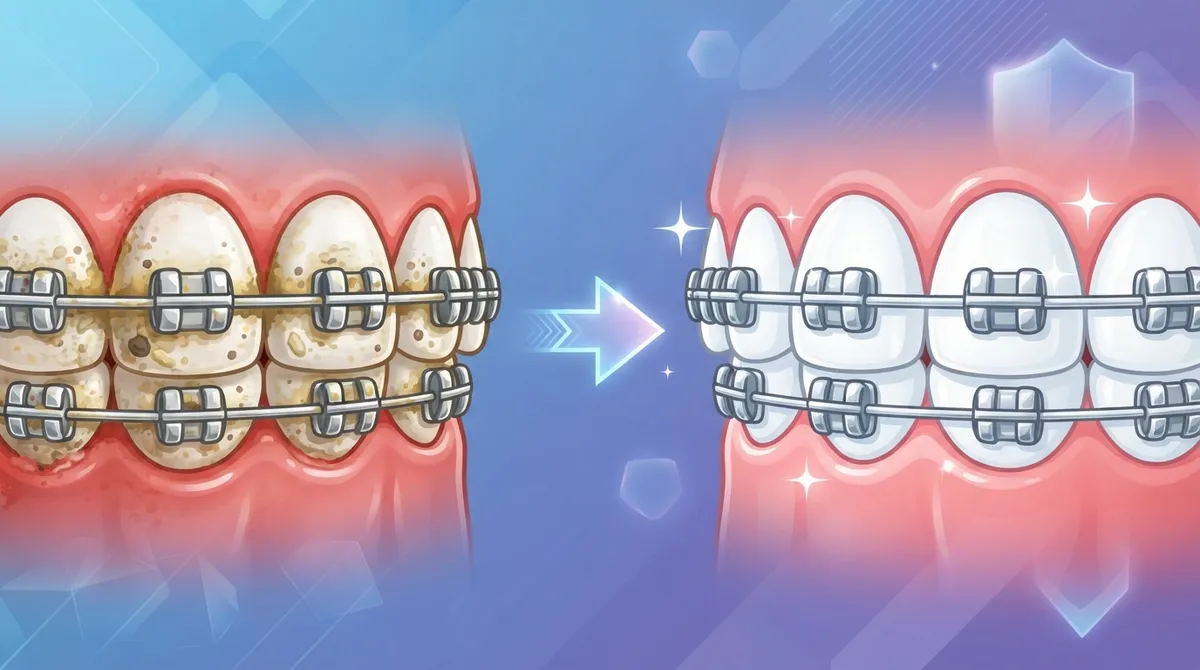
Why Cleaning Braces Matters So Much
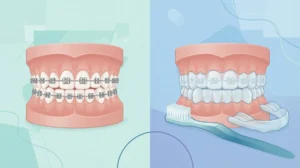
Braces hold your teeth in just the right position. But they also give plaque more places to settle. If plaque stays on your teeth, it can lead to swollen gums, cavities, and even lasting marks on your enamel.
Those marks are often white or brown spots. They are called demineralization, and they can show up around the brackets. You might not notice them until the braces come off. That’s why careful cleaning from day one is so important.
Here’s the happy side of this story. A few extra minutes each day can protect your smile for life. Your reward is a bright, healthy finish line on treatment day.
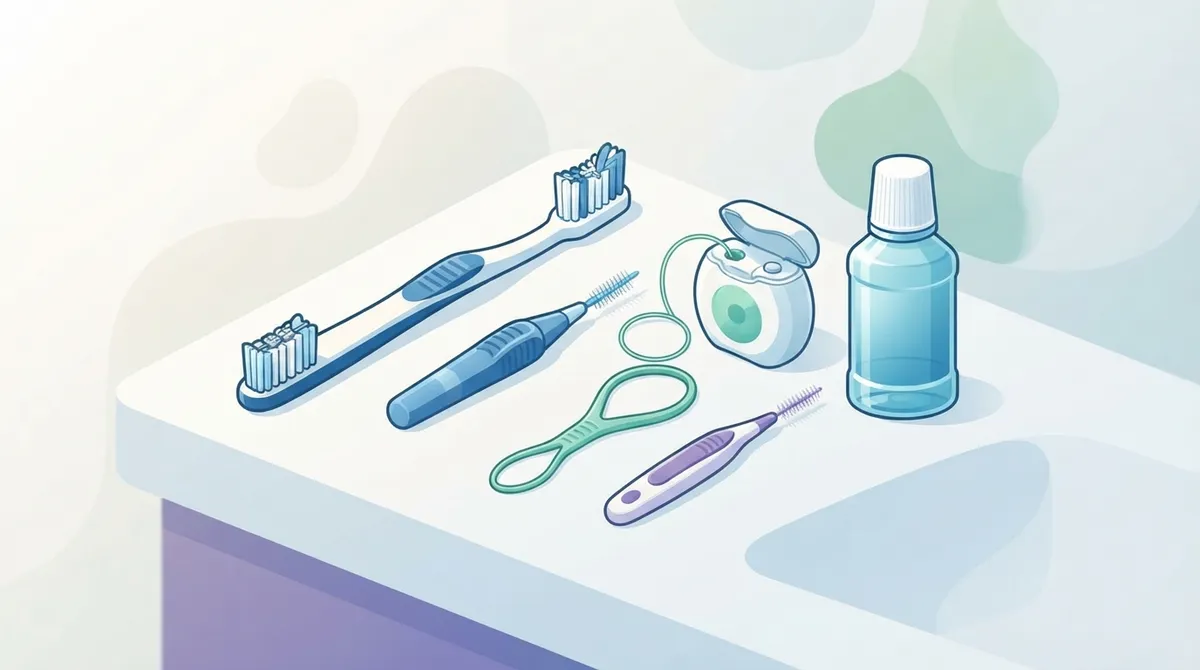
The Tools You Need to Clean Braces Well
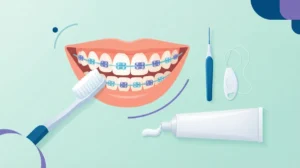
Before we get to the steps, let’s gather your toolkit. Having the right items at home makes everything easier. It also helps to keep a small kit in your backpack, purse, or desk drawer.
- Soft-bristled toothbrush: A manual or powered brush both work well. Just keep your movements gentle.
- Fluoride toothpaste: Fluoride helps protect against cavities. Many NHS patient leaflets suggest toothpaste with 1,350 to 1,500 ppm fluoride for fixed braces, though advice can vary by age and risk.
- Interdental brushes: These tiny brushes clean around brackets and under the wire.
- Floss and floss threaders: Orthodontic floss or a threader helps you slide floss under the archwire.
- Water flosser (optional): This can be a nice extra helper, but it should not replace brushing and regular flossing.
- Fluoride mouth rinse (if recommended): Your orthodontic team will tell you if this is right for you.
Not sure which brush size or floss fits you best? Just ask us at your next visit. We’re happy to show you in person.
How to Clean Braces Step by Step
Ready for the main event? Here is a simple routine you can follow every day. Take your time, especially in the beginning. After a couple of weeks, it becomes second nature.
- Rinse with water first. A quick swish loosens big bits of food before you brush.
- Remove any removable parts. If you have rubber bands or a removable appliance, take them out as your orthodontist directs.
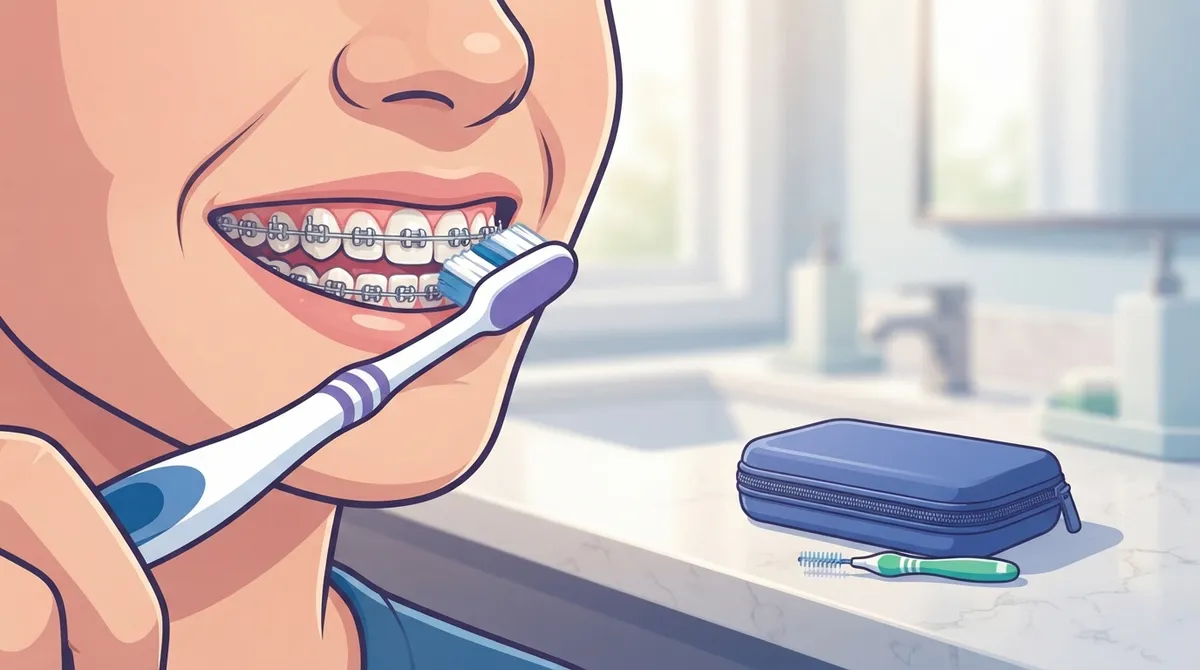
- Brush the top of each bracket. Angle your brush down toward the gums. Use small, gentle circles.
- Brush the bottom of each bracket. Now tilt the brush up toward the biting edge. Clean under and around the wire.
- Don’t forget the gumline. This is where plaque loves to sit, so spend extra time here.
- Brush every surface. That means the front, back, and chewing sides of each tooth.
- Use an interdental brush. Gently slide it between brackets and under the wire. Pick a size that fits without forcing it.
- Floss between teeth. Thread the floss under the wire and clean along both sides of each tooth.
- Finish with a rinse. If your orthodontist suggests a fluoride rinse, use it at a different time than brushing so the fluoride from your toothpaste stays on your teeth.
- Check your smile in the mirror. Look for any food or plaque you missed, and give those spots another quick clean.
Plan on brushing for at least two minutes. Many orthodontic services suggest cleaning after meals too, not only morning and night. Always follow the specific advice your orthodontist gives you.
How Often Should You Brush With Braces?
This is one of the most common questions we hear. The short answer is at least twice a day for two minutes each time, with fluoride toothpaste. NHS guidance also recommends brushing after meals when you can.
Many patients find it easiest to build this rhythm:
- Morning: Brush well after breakfast.
- After lunch or snacks: Rinse with water, then brush when you’re able.
- Evening: Do your full routine with brush, interdental brush, and floss.
Gentle is the magic word. Scrubbing hard won’t clean better. It can actually irritate your gums or bend a wire. Small, soft movements are best.
Quick Guide: Which Tool Does What?
It can feel like a lot of gear at first. This table breaks it down so you know what each tool is for.
| Tool | What It Does | How Often |
|---|---|---|
| Soft toothbrush | Cleans tooth surfaces, brackets, and gumline | At least twice daily |
| Fluoride toothpaste | Helps protect enamel from decay | Every time you brush |
| Interdental brush | Removes plaque around brackets and under the wire | Once daily |
| Floss or threader | Cleans between teeth and under the wire | Once daily |
| Water flosser | Rinses away loose food (extra helper) | As advised |
| Fluoride rinse | Adds extra protection when recommended | As directed, apart from brushing |
Flossing and Interdental Brushes Made Easy
Flossing with braces feels tricky at first. Don’t worry! With a little practice, you’ll get the hang of it. A floss threader acts like a tiny needle. You feed the floss through it, slide it under the wire, and then gently clean between the teeth.
Interdental brushes are often even easier. They look like tiny bottle brushes. You slip one under the wire and move it gently side to side around each bracket. If the brush feels too tight, choose a smaller size. Never force it.
Want to see how it’s done? We love showing patients and parents the right technique during visits. You can also read our related guide on how to brush and floss with braces effectively for more tips.
Cleaning Tips for Kids, Teens, and Adults
Everyone’s life looks a little different. Here’s how to make braces care work for your stage of life.
For Parents of Younger Kids
Little ones may need a helping hand. Try making brushing a family routine, so it feels fun instead of like a chore. A two-minute song or timer can work wonders. Check their teeth after brushing to catch missed spots, and keep an eye on how much fluoride toothpaste they use. If your child is just starting treatment, our guide on what to expect at your child’s first visit can help you feel ready.
For Teens on the Go
Teens have busy days full of school, practice, and friends. Pack a small travel kit with a folding toothbrush, a mini toothpaste, and a few interdental brushes. A quick rinse with water after lunch also goes a long way. Remember, a little effort now means a spot-free smile in the yearbook later!
For Busy Adult Professionals
Work meetings and deadlines can make it hard to keep up. Keep a kit in your desk and brush after lunch when you can. Adults often ask us about low-profile options too, and our post on how to choose the right adult braces for your lifestyle is a great place to start.
How to Clean Your Braces When You’re Away From Home
Life doesn’t stop for braces. You’ll eat out, travel, and spend long days away from your bathroom. Here are easy ways to stay fresh on the go:
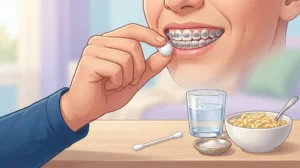
- Rinse with water. Swish well after eating to move food away from brackets.
- Carry a travel kit. Include a small brush, interdental brushes, and floss threaders.
- Check a mirror. A quick look in a restroom mirror can save you from an embarrassing food moment.
- Brush when you can. If you only had time to rinse, brush as soon as you get a chance.
Rinsing is a helper, not a replacement. It’s meant to bridge the gap until you can brush properly.
Foods and Habits That Make Cleaning Easier
What you eat has a big effect on how clean your braces stay. Sugary foods and drinks feed the bacteria that cause plaque. Hard, sticky, and chewy foods can damage brackets or get stuck in the wires.
Try to limit sodas, candy, and sweet snacks. Choose softer, braces-friendly foods instead. If you need ideas, check out our list of top braces-friendly snacks. And for a handy reference on what to skip, see our simple guide to foods to avoid with braces.
A few smart habits help too:
- Drink water often, especially after meals.
- Cut crunchy fruits and veggies into small pieces.
- Avoid chewing on pens, ice, or fingernails.
- Replace your toothbrush about every two to three months, or sooner if the bristles look frayed.
What About Clear Aligners and Removable Appliances?
Not everyone has fixed braces. If you use clear aligners or a removable appliance, the cleaning routine is a bit different. You can take your trays out to brush and floss normally, and then clean the trays themselves before putting them back in.
Rinse your aligners in cool water and gently brush them with a soft brush. Avoid hot water, since it can warp the plastic. Curious about how they work? Take a look at how removable aligners straighten your smile. Retainers need a gentle daily clean too, and our page on retainers explains how to care for them.
Common Mistakes to Avoid
Everyone makes mistakes when they’re learning. Here are a few common ones, so you can skip them:
- Brushing too hard. This can hurt your gums and doesn’t clean any better.
- Skipping floss. Brushing alone can’t reach between teeth or under the wire.
- Relying only on mouthwash. Rinse is a bonus, not a replacement for brushing and flossing.
- Forgetting the gumline. Plaque often hides right where the tooth meets the gum.
- Missing dental visits. Keep seeing both your orthodontist and your general dentist during treatment.
When to Call Your Orthodontist
Sometimes cleaning shows you a problem. If a wire pokes out, a bracket comes loose, or your gums look red and puffy, let us know. Persistent bleeding or soreness is also worth a call. Our post on orthodontic emergencies and when to call Dr. Chacon explains what to watch for.
Regular visits help your care team check how your teeth are moving and how clean your appliance is. We also love giving personal tips at those appointments. Think of us as your braces cheer squad!
Keep Up the Great Work With Chacon Orthodontics
At Chacon Orthodontics, we believe a healthy smile starts at home. Dr. Chacon and our bilingual team, who speak English and Spanish, are here to guide you at every step. We offer custom braces, clear aligners, retainers, and teeth whitening for kids, teens, and adults in Brandon and Westchase. You can see what our patients say by visiting Chacon Orthodontics Brandon on Google, and you can follow our smile stories on Instagram and Facebook. Learn more about Dr. Chacon’s background on LinkedIn.
Final Thoughts on Cleaning Your Braces
Now you know how to clean braces from top to bottom. Brush gently with fluoride toothpaste, use an interdental brush, floss daily, watch your snacks, and keep up with your appointments. Those little habits add up to a big, beautiful payoff.
Have questions, or want a hands-on demo? We’d love to help. Book your free consultation to meet our team, or contact us anytime. Your best smile is closer than you think!
FAQs
Q: How often should I brush my teeth with braces?
A: Brush at least twice a day for two minutes with fluoride toothpaste. Many orthodontic services also suggest brushing after meals when you can. Your orthodontist may give you extra advice that fits your needs.
Q: How do I floss with braces on?
A: Use orthodontic floss or a floss threader to slide the floss under the archwire. Then gently clean between each pair of teeth and along the gumline. Take your time, and ask us for a quick demo if you’d like to see it in person.
Q: Can poor cleaning with braces leave permanent white spots?
A: Yes, it can. When plaque builds up around brackets, it can cause white or brown marks on the enamel that may show after braces come off. Brushing well, flossing daily, and using fluoride toothpaste help lower that risk.
Q: Are interdental brushes or water flossers useful with braces?
A: Yes! Interdental brushes are great for cleaning around brackets and under the wire. A water flosser can be a helpful extra, but it should not replace brushing and regular flossing unless a dental professional tells you otherwise.
Q: How do I clean food out of my braces when I’m away from home?
A: Rinse well with water after you eat, and keep a small travel kit with a brush and interdental brushes handy. Check your teeth in a mirror and brush as soon as you can. A quick rinse is a great stopgap, but it doesn’t replace a full clean at home.